De Stijl · 1930
Simultaneous Counter Composition. (Τέο φαν Ντέσμπουργκ, 1930)
Ο/Η Τέο φαν Ντέσμπουργκ (1883–1931) δημιούργησε το Simultaneous Counter Composition.. Χρονολογείται στο 1930. Ανήκει στο κίνημα De Stijl. Είναι φτιαγμένο σε Painting. Αποθηκεύεται στο MoMA - Museum of Modern Art στο Νέα Υόρκη, Ηνωμένες Πολιτείες Αμερικής. Οι διαστάσεις είναι 50 × 49 cm.
- 1930
- Painting
- 50 × 49 cm
- MoMA - Museum of Modern Art, Νέα Υόρκη

 Προεπισκόπηση σε πραγματική κλίμακα

 Ελαιογραφικό Χειροποίητο Έργο
 Αποστολή
 Κοινοποίηση
 Πληροφοριακό φύλλο


 Λήψη
 Παρόμοια αντικείμενα συλλογής
 Ακτινογραφία
 Παρουσίαση
 Ερωτήσεις & Απαντήσεις

 Στατιστικά
Simultaneous Counter Composition., εν συντομία
- Τίτλος
- Simultaneous Counter Composition.
- Καλλιτέχνης
- Τέο φαν Ντέσμπουργκ (1883–1931)
- Γεννημένος/η το
- Ουτρέχτη, Ολλανδία
- Ημερομηνία
- 1930
- Μέσο
- Painting
- Διαστάσεις
- 50 × 49 cm
- Πού εκτίθεται
- MoMA - Museum of Modern Art, Νέα Υόρκη, Ηνωμένες Πολιτείες Αμερικής
- Κίνηση
- De Stijl
- Θέμα
- abstract art, geometric shapes, primary colors, compositional study, modernism, de stijl
Τι απεικονίζει το Simultaneous Counter Composition.;
The Geometry of Inner Harmony: Exploring Theo van Doesburg's Abstraction
To stand before Theo van Doesburg’s Simultaneous Counter Composition is not merely to observe paint on canvas; it is to step into a meticulously constructed intellectual space where color and form engage in a vibrant, calculated dialogue. This piece, dating from 1930, stands as a powerful testament to the revolutionary spirit of De Stijl, the movement that sought to purify art down to its most essential geometric truths. Van Doesburg, an architect of abstraction, believed that true reality could be found not in the messy chaos of visible nature, but in the underlying harmony of pure lines and primary colors. The painting immediately envelops the viewer in a field of structured energy, inviting the eye to wander across its carefully balanced quadrants.
A Masterclass in Primary Structure
The composition itself is breathtaking in its deliberate organization. Divided into distinct yet interconnected sections—left, center, and right—the canvas pulses with a controlled chromatic symphony. We see the bold interplay of red, yellow, blue, black, and white, colors that carry immense symbolic weight within modernist thought. These hues are not simply placed side-by-side; they interact, their adjacency creating optical vibrations. The varying sizes and shapes of the squares suggest a dynamic tension, as if opposing forces—structure versus fluidity, chaos versus order—are locked in a perfect, silent negotiation. It is an exercise in visual equilibrium, where every seemingly arbitrary block contributes to the whole.
Historical Echoes: De Stijl's Vision
Understanding this work requires acknowledging its historical cradle: the fervor of Neoplasticism. Van Doesburg was instrumental in guiding art away from mere representation and toward a universal language built on abstraction. This painting embodies that quest for universal harmony, echoing the philosophical underpinnings of the early 20th century desire to rebuild culture after periods of immense upheaval. The rigid geometry is not a limitation, but rather an assertion of underlying cosmic order—a belief that even in the most abstract arrangement, there exists profound, discernible beauty and balance.
Bringing Geometric Vibrancy Home
For the collector or designer seeking to infuse a space with intellectual depth and vibrant energy, Simultaneous Counter Composition offers unparalleled impact. Its bold, graphic nature means it functions as both a striking piece of art and a powerful architectural accent. Reproducing this work allows one to bring the disciplined passion of early modernism into contemporary living. Imagine its clean lines juxtaposed against soft furnishings or rich wood tones; the painting acts as a brilliant focal point, demanding contemplation while simultaneously providing visual rest through its inherent balance.
Emotional Resonance and Technique
The emotional impact of this piece is one of exhilarating clarity. It feels both rigorously intellectual and deeply soulful. The technique, characterized by flat planes of color meeting at sharp, decisive edges, celebrates the purity of the painted surface. When considering a reproduction, note how the vibrancy of these primary colors—the way they seem to vibrate against each other—is crucial. Owning this piece is owning a conversation between structure and spirit, a vibrant reminder that even in apparent complexity, perfect harmony can be found.
Σε ποιο μουσείο βρίσκεται το Simultaneous Counter Composition.;
MoMA - Museum of Modern Art
Νέα Υόρκη, Ηνωμένες Πολιτείες Αμερικής
Το Μουσείο Μοντέρνας Τέχνης: Ένα Ταξίδι στην Ψυχή της Σύγχρονης Έκφρασης Κρυμμένο στο ζωντανό κέντρο της Midtown Manhattan, το Μουσείο Μοντέρνας Τέχνης (MoMA) ξεπερνά κατά πολύ τον ρόλο ενός απλού αποθετηρίου καλλιτεχνικών θησαυρών. Είναι μια ζωντανή μαρτυρία για το αδιάκοπο πνεύμα της καινοτομίας και τη διαχρονική δύναμη της ανθρώπινης έκφρασης. Ιδρύθηκε το 1929 από οραματιστές φιλανθρώπους, το MoMA αναδύθηκε ως μια αποφασιστική δήλωση: ένας αφιερωμένος χώρος που φιλοξενεί τις ριζοσπαστικές, προκλητικές και βαθιά επιδραστικές δημιουργίες που προορίζονται να διαμορφώσουν το μέλλον της τέχνης.


Εικόνες υψηλής ανάλυσης του Simultaneous Counter Composition.

Δημόσιος τομέας: ο καλλιτέχνης απεβίωσε το 1931.
Άλλες διαστάσεις, καρέττες και αναφορά →Τέο φαν Ντέσμπουργκ, Simultaneous Counter Composition. (1930), MoMA - Museum of Modern Art. Δημόσιο περιουσιακό δικαίωμα
Ερωτήσεις για το Simultaneous Counter Composition., απαντημένες
Πού μπορώ να δω το πρωτότυπο "Simultaneous Counter Composition." του Τέο φαν Ντέσμπουργκ;
Το έργο "Simultaneous Counter Composition." του Τέο φαν Ντέσμπουργκ εκτίθεται στο MoMA - Museum of Modern Art, Νέα Υόρκη, Ηνωμένες Πολιτείες Αμερικής. Η αναφορά στο μουσείο αφορά το πρωτότυπο έργο και όχι αναπαραγωγές.
Σε ποια χρονική περίοδο δημιουργήθηκε το "Simultaneous Counter Composition." του Τέο φαν Ντέσμπουργκ;
Το έργο "Simultaneous Counter Composition." χρονολογείται από το 1930. Η ημερομηνία αυτό το έργο το τοποθετεί μέσα στην καριέρα του/της Τέο φαν Ντέσμπουργκ και την εποχή του/της.
Με ποια τεχνική δημιουργήθηκε το "Simultaneous Counter Composition." του Τέο φαν Ντέσμπουργκ;
Το έργο "Simultaneous Counter Composition." εκτελέστηκε με τη χρήση του/της Painting.
Ποια είναι οι πραγματικές διαστάσεις του έργου "Simultaneous Counter Composition." του Τέο φαν Ντέσμπουργκ;
Οι καταγεγραμμένες διαστάσεις του έργου "Simultaneous Counter Composition." του Τέο φαν Ντέσμπουργκ είναι 50 x 49 cm. Αναπαραγωγές μπορούν να παραγγηθούν σε άλλες διαστάσεις, διατηρώντας τις ίδιες αναλογίες.
Τι απεικονίζει το "Simultaneous Counter Composition." του Τέο φαν Ντέσμπουργκ;
Τα θέματα του "Simultaneous Counter Composition." είναι τα abstract art, geometric shapes, primary colors, compositional study, modernism, de stijl.
Το έργο "Simultaneous Counter Composition." του Τέο φαν Ντέσμπουργκ ανήκει στο δημόσιο περιουσιακό αγαθό;
Όσον αφορά τα πνευματικά δικαιώματα, το "Simultaneous Counter Composition." ανήκει στο δημόσιο κτήμα - τα δικαιώματα αυτορության έχουν λήξει.
Ποιον καλλιτέχνη αποδίδεται το "Simultaneous Counter Composition.";
Το έργο "Simultaneous Counter Composition." αποδίδεται στον/στην Τέο φαν Ντέσμπουργκ.
Σε ποιο καλλιτεχνικό ρεύμα ανήκει το "Simultaneous Counter Composition.";
Το έργο "Simultaneous Counter Composition." του Τέο φαν Ντέσμπουργκ ανήκει στο καλλιτεχνικό κίνημα De Stijl. Αυτό το κίνημα παρέχει το στυλιστικό πλαίσιο του έργου.
Ποια εποχή της καριέρας του/της Τέο φαν Ντέσμπουργκ αντιπροσωπεύει το έργο "Simultaneous Counter Composition.";
Το "Simultaneous Counter Composition." αντιπροσωπεύει την περίοδο Neoplasticism Period του Τέο φαν Ντέσμπουργκ.
Σχετικά με τον καλλιτέχνη, Τέο φαν Ντέσμπουργκ

1883–1931, Ολλανδία
Τέο φαν Ντέσμπουργκ
The Architect of Abstraction: A Life in Geometric Harmony Theo van Doesburg, born Christian Emil Marie Küpper on August 30, 1883, in Utrecht, Netherlands, wasn’t merely a painter; he was a revolutionary force who fundamentally reshaped the landscape of modern art. His journey began amidst the lingering echoes of Impressionism and Post-Impressionism, initially mirroring styles reminiscent of Vincent van Gogh – both in their emotional intensity and the way they captured fleeting moments of light and color. However, this early phase served as a crucial prelude, a necessary stepping stone towards the radical transformation that would define his enduring legacy. A pivotal moment arrived in 1913 with his encounter with Wassily Kandinsky’s *Rückblicke*.
Σχετικά με τον Τέο φαν Ντέσμπουργκ Σημαντικά έργα του Τέο φαν Ντέσμπουργκ
Εργασίες του Τέο φαν Ντέσμπουργκ
 Counter composition XV1925
 Rhythm of a Russian Dance
 Troelstra1910
 Study for Composition VIII (The Cow)1918

Μελέτες γύρω από το Simultaneous Counter Composition.
 Beyond Color: Why Monochromatic Art is the Ultimate High-Impact Trend for Modern InteriorsDiscover why monochromatic art is the ultimate high-impact trend for modern spaces. Explore how bold textures and minimalist aesthetics cre…
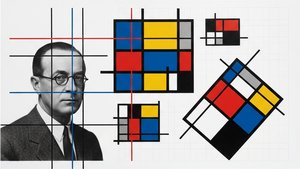 Theo van Doesburg: Pioneering De Stijl & the Evolution of Neo-PlasticismExplore the revolutionary De Stijl movement & Neo-Plasticism with our expert guide. Discover Piet Mondrian, Theo van Doesburg, and the last…
 Η Τριαδική Συνάφεια της Καλλιτεχνικής Επιλογής: Εξερευνώντας την Συναισθηματική Απόκριση σε Πολλαπλές Ερμηνείες μιας Μοναδικής ΈννοιαςΕξερευνήστε τη συναισθηματική δύναμη της τέχνης! Ανακαλύψτε χειροποίητες αναπαραγωγές, συμβουλές διακόσμησης & την ιστορία πίσω από αριστου…