
 Προεπισκόπηση σε πραγματική κλίμακα
 Αποστολή
 Κοινοποίηση
 Λεπτομέρειες
 Οδηγός

 Λήψη
Λήψη
 Παρόμοια αντικείμενα συλλογής
 Ακτινογραφία
 Παρουσίαση
 Q&A
Q&A Στατιστικά
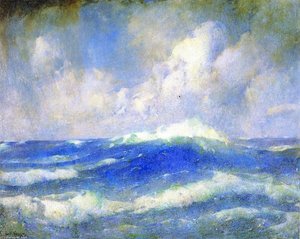
The Open Sea

- 122.0 x 147.0 cm


 Περισσότερα
Giclée / Εκτυπώσεις Τέχνης
Εκτύπωση giclée ή σε καμβά ποιότητας μουσείου με γρήγορη παραγωγή και ευέλικτες επιλογές φινιρίσματος. ( Αγορά χειροποίητου πίνακα Μετάβαση σε Ψηφιακή Αποτέλεσμα)




P118B €10

P118H €10

P118W €10

P438Z €10

P508JH €12

P508YH €12

P805H €10

P805Z €10

P919BZ €10

P919G €10

P919XJ €10

P959ZH €10

P968JZ €12

W106C €8

W218G €10

W218JH €8

W218Y €10

W307PJ €10

W316G €10

W316PJ €8

W316Y €10

W398PJ €8

W4111J €10

W500HY €15

W500JH €15

W692G €12

W849H €8

W940BG €15

W953PJ €8




Επιλέξτε από τις προκαθορισμένες διαστάσεις μας που διατηρούν τις αρχικές αναλογίες του έργου τέχνης.

Εισάγετε το πλάτος και το ύψος που επιθυμείτε, ώστε να ταιριάζουν στο κάδሮ ή στον τοίχο σας. Μια εκτύπωση μπορεί μόνο να υποστεί κοψίμό και ποτέ να μην γίνει μεγαλύτερη από την αρχική εικόνα, επομένως η επιλογή μεγέθους με διαφορετικό σχήμα συνεπάγεται απώλεια ενός μέρους της εικόνας. Σας στέλνουμε ένα ψηφιακό mockup για έγκριση πριν προχωρήσουμε σε οποιαδήποτε εκτύπωση. Η εικόνα που εμφανίζεται σε αυτή τη σελίδα δεν δείχνει την πραγματική κοπή — μόνο το mockup την παρουσιάζει.
Παγκόσμια Αποστολή () σε 2 εβδομάδες αντί για τις συνήθεις 4/5 εβδομάδες. (2 Νοέμβριος)

Δωρεάν γρήγορη διεθνής αποστολή

Κάμβας από Λινό Υψηλής Ποιότητας

Πλήρης ασφάλιση μεταφοράς

Εγγύηση επιστροφής δασμών και φόρων εισαγωγής

Εγγύηση Απόλυτης Ομοιότητας Χρωμάτων

Πολιτική Επιστροφής 100 Ημερών (Μόνο σε περίπτωση ελαττωμάτων)

Εγγύηση επιστροφής 100% των χρημάτων

Προσφορά για πολλαπλές παραγγελίες
 Η επιλογή με γυαλί είναι διαθέσιμη μόνο για μεγέθη κάτω από 110 εκ.

The Open Sea
Giclée / Εκτυπώσεις Τέχνης
Διαστάσεις Αναπαραγωγής
-


Τελική Τιμή
€ 71
A Tempestuous Vision: Soren Emil Carlsen’s “The Open Sea”
Soren Emil Carlsen's "The Open Sea," painted in 1909, isn’t merely a depiction of the ocean; it’s an immersion into its raw power and profound solitude. This monochromatic seascape, rendered in shades of gray and white, immediately commands attention with its dramatic composition – a clear division between the tumultuous sky and the vast expanse of water below. Carlsen, deeply influenced by both late 19th-century Realism and Impressionism, masterfully captures the atmospheric effects of an impending storm, evoking a sense of awe mingled with unease. The painting’s strength lies not in precise detail but in its ability to convey the *feeling* of being confronted by nature's formidable force – a sentiment powerfully resonant even today.
Crafting Atmosphere: Technique and Materials
Carlsen’s technique is characterized by a deliberate looseness, prioritizing texture and emotional impact over photographic accuracy. Visible brushstrokes dominate the canvas, creating a rough, uneven surface that mirrors the chaotic nature of the sea and sky. Thick impasto is particularly evident in areas representing crashing waves, lending them an almost sculptural quality. The absence of hard lines – instead, blurred edges and subtle gradations of gray – contribute to the painting’s atmospheric effect, drawing the viewer into a world shrouded in mist and anticipation. The choice of oil paint on canvas allowed for layering and blending, essential to achieving the depth and luminosity that define Carlsen's style. The monochromatic palette isn’t simply a stylistic choice; it amplifies the drama, stripping away distractions and focusing attention entirely on form, light, and shadow.
A Study in Light and Perspective
The lighting in “The Open Sea” is diffused and overcast, suggesting an approaching storm or a scene perpetually veiled in mist. There are no sharp shadows; instead, the artist employs subtle tonal variations to create a sense of depth and spatial recession. Atmospheric perspective – where distant objects appear lighter and less distinct – further enhances this effect, conveying the immense scale of the ocean and sky. The horizon line, slightly undulating due to the waves, adds dynamism to the composition while maintaining a sense of balance. The painting’s horizontal format reinforces this feeling of vastness, inviting the viewer to lose themselves in the endless expanse before them.
Symbolism and Emotional Resonance
Beyond its technical brilliance, “The Open Sea” carries significant symbolic weight. The turbulent ocean can be interpreted as a metaphor for the unknown, the challenges of life, or even the overwhelming forces of nature. The monochromatic palette reinforces a sense of somberness and introspection, inviting contemplation on themes of isolation, vulnerability, and perhaps even fear. Carlsen’s work taps into a primal human response to the sea – a mixture of respect, awe, and a recognition of our own insignificance in the face of such power. It's a painting that lingers in the mind long after viewing, prompting reflection on the beauty and terror inherent in the natural world.
Discovering the Artist: A Legacy of Luminism
Soren Emil Carlsen (1853-1932) was a pivotal figure in American painting, bridging the gap between European artistic traditions and the burgeoning modern art scene. Born in Copenhagen and later settling in Chicago, he developed a distinctive style characterized by tonalist landscapes and seascapes – a legacy deeply rooted in Danish Luminism, an approach emphasizing subtle gradations of light and color to evoke mood and atmosphere. His work, as evidenced by his other pieces like “Kattegat Landscape,” demonstrates a profound understanding of capturing the ephemeral qualities of light and weather. Explore more of Carlsen’s captivating oeuvre at OriginalUniqueArt to fully appreciate the breadth and depth of his artistic vision.
Ερωτήσεις και Απαντήσεις
Το έργο "The Open Sea" του Σωρήν Έμιλ Κάρλεν είναι πίνακας, σχέδιο ή γραφικό;
Στον κατάλογο, το έργο "The Open Sea" του Σωρήν Έμιλ Κάρλεν καταχωρείται ως WallArt. Η κατηγορία αυτή διευκολύνει την αναζήτηση παρόμοιων έργων.
Ποια κυρίαρχη απόχρωση διαπερνά το έργο "The Open Sea" του Σωρήν Έμιλ Κάρλεν;
Η κυρίαρχη απόχρωση του έργου "The Open Sea" του Σωρήν Έμιλ Κάρλεν είναι το Green to Violet Spectrum. Η απόχρωση αποτελεί τον θεμελιώδη τόνο της παλέτας.
Ποια φάση της καριέρας του Σωρήν Έμιλ Κάρλεν αντιπροσωπεύει το "The Open Sea";
Στο πλαίσιο της καριέρας του/της Σωρήν Έμιλ Κάρλεν, το έργο "The Open Sea" ανήκει στην περίοδο Late Career. Αυτή η φάση διευκολύνει τη σύγκρισή του με άλλα έργα του/της καλλιτέχνη/της.
Βιογραφικό Καλλιτέχνη
Soren Emil Carlsen: The Quiet Maestro of American Impressionism
Soren Emil Carlsen (1853-1932) stands as a singular figure in the annals of American art—a testament to understated brilliance and an enduring legacy rooted in a harmonious blend of tonalist tradition and nascent Impressionistic innovation. Born October 19, 1853, in Copenhagen, Denmark, Carlsen’s artistic journey began with a grounding in architectural studies at the Royal Academy, fostering within him a meticulous eye for structure and form—a sensibility that would subtly permeate his later landscapes. However, it was his relocation to Chicago in 1872, propelled by an irresistible yearning for creative exploration, where he truly cemented his place as “The American Chardin,” earning renown for his masterful depictions of stillness and light.- Early Influences & Education: Carlsen’s formative years were shaped by the teachings of Lauritz Holst, a marine artist who instilled in him techniques of capturing atmospheric effects on water—skills that would prove invaluable as he transitioned to landscape painting.
- Parisian Awakening (1875): A pivotal moment arrived when Carlsen embarked upon a pilgrimage to Paris, immersing himself in the artistic fervor of Jean-Baptiste-Siméon Chardin. This encounter profoundly impacted his aesthetic sensibilities, fostering an appreciation for quiet contemplation and subtle tonal gradations.
- The Tonalist Style: Carlsen’s early works exemplify the tonalist movement—characterized by muted palettes, diffused light, and a preoccupation with mood and atmosphere. His canvases often featured copper pans, game birds, and delicate flowers arranged with painstaking detail, reflecting his fascination with capturing the essence of everyday life.
The American Chardin: Mastering Still Life
Carlsen’s artistic signature lies in his unparalleled ability to transform commonplace objects into vehicles for poetic expression. He achieved this feat by meticulously observing light and texture, mirroring Chardin's approach—a technique that prioritized conveying emotion rather than merely representing visual reality. His still lifes are imbued with a palpable sense of tranquility, inviting viewers to linger on the subtle nuances of color and form. The resulting images resonate with an inner luminescence, capturing not just what is seen but how it feels to perceive it.- Chardin’s Influence: Carlsen explicitly acknowledged Chardin's profound impact on his artistic vision, stating that he wished to emulate the master’s ability to convey “the soul of things.”
- Palette & Technique: Carlsen favored a restrained color palette—primarily consisting of silvery grays and earthy hues—and employed meticulous brushwork to achieve remarkable tonal variations.
- Notable Works: Among his most celebrated pieces are depictions of copper pans, meticulously rendered with subtle reflections of light; game birds arranged with exquisite precision; and floral compositions that capture the fleeting beauty of blossoms.
Expanding Horizons: Landscapes & Impressionistic Explorations
As Carlsen matured as an artist, he broadened his artistic scope beyond still life, embracing landscapes and seascapes—genres where he skillfully incorporated elements of Impressionism. Influenced by artists like John Twachtman and Julian Alden Weir, he sought to capture the grandeur of nature while retaining the tonalist’s characteristic sensitivity to light and atmosphere.- The Berkshire Landscapes: Carlsen found solace and inspiration in the Berkshire Mountains of Massachusetts, where he produced numerous landscapes that exemplify his Impressionistic style.
- Light & Atmosphere: His canvases are marked by luminous washes of color—particularly blues and greens—designed to evoke a sense of openness and serenity.
- Collaboration with Weir: Carlsen’s friendship with Julian Alden Weir fostered a collaborative spirit, resulting in paintings that blended tonalist tradition with Impressionistic vibrancy.
Legacy & Recognition
Soren Emil Carlsen left an indelible mark on the American art world—a legacy characterized by unwavering dedication to teaching and numerous accolades recognizing his artistic merit. He served as director of the California School of Design (now San Francisco Art Institute) from 1887 to 1889, shaping the artistic landscape of the West Coast; he held positions at the National Academy of Design, the Art Students League, and the Pennsylvania Academy of Fine Arts for decades—inspiring generations of aspiring artists. His election to membership in the National Academy of Design solidified his position as a leading figure in American art history. Furthermore, Carlsen’s artistic achievements were honored with prestigious awards including the Samuel T. Shaw Purchase Prize, the Gold Medal at the Louisiana Purchase Exposition, and the Medal of Honor at the Panama–Pacific International Exposition—testaments to his enduring contribution to the visual arts. Carlsen's paintings continue to captivate audiences today due to their timeless beauty and profound emotional resonance—a testament to his mastery of tonalist technique and his unwavering commitment to capturing the essence of light and atmosphere.
Σωρήν Έμιλ Κάρλεν
1853 - 1932 , Δανία
Γρήγορα στοιχεία
- Artistic Movement Or Style: Τοναλισμός και Ιμπρεσιονισμός
- Artists Or Movements Influenced By This Artist: ['Τοναλισμός']
- Artists Who Influenced This Artist: ['Ζαν-Βαπτίστε Σιμωνα Χάρντιν']
- Date Of Birth: Κοτόπευδος, Δανία (1853)
- Date Of Death: Νέα Υόρκη, ΗΠΑ (1932)
- Full Name: Soren Emil Carlsen
- Nationality: Δανός
- Notable Artworks:
- Μπλε Πάνι
- Λουλούδια
- Place Of Birth: Κοτόπευδος
Σχετικά άρθρα
The Allure of the Horizon: A Comprehensive Exploration of Seascape Art Through History & Emotion
Explore the captivating world of seascape art! Discover its history, key artists & movements – from Dutch Masters to Impressionism. Expert insights for collectors and enthusiasts at OriginalUniqueArt.

The Soul of Impressionism: Why Oil on Canvas Captures Eternal Light and Timeless Emotion
Discover the enchanting alchemy of Impressionism. Explore how the mastery of oil on canvas, through glazing and impasto, captures eternal light and emotion. Perfect for lovers of Monet and Van Gogh seeking the profound depth of hand-painted fine art.

Oil on Canvas: A Historical & Technical Exploration of a Timeless Artistic Medium
Explore the rich history & enduring techniques of oil painting on canvas. Discover the science behind its longevity, conservation practices, and contemporary relevance. Expert insights for art enthusiasts.

The Enduring Legacy of Oil on Canvas: Technique, History & Aesthetic Impact
Explore the rich history & techniques of oil painting – from Renaissance masters to Impressionism. Discover pigments, layering methods, and why this timeless medium endures. Expert insights for artists & art enthusiasts.

Romantic Realism's Finest: 10 Masterpieces for Your Home | OriginalUniqueArt
Explore 10 defining masterpieces of Romantic Realism! Discover Courbet, Millet & Daumier's powerful paintings—capturing emotion and social realities. Find museum-quality reproductions for your home at OriginalUniqueArt.com.