Pop Art/Conceptual art · 1962
Objectivity (Σολ Λουίτ, 1962)
Ο/Η Σολ Λουίτ (1928–2007) δημιούργησε το Objectivity. Χρονολογείται στο 1962. Ανήκει στο κίνημα Pop Art/Conceptual art. Είναι φτιαγμένο σε Mixed Media. Οι διαστάσεις είναι 128 × 128 cm.
- 1962
- Mixed Media
- 128 × 128 cm

 Προεπισκόπηση σε πραγματική κλίμακα

 Ελαιογραφικό Χειροποίητο Έργο
 Αποστολή
 Κοινοποίηση
 Πληροφοριακό φύλλο


 Λήψη
 Παρόμοια αντικείμενα συλλογής
 Ακτινογραφία
 Παρουσίαση
 Ερωτήσεις & Απαντήσεις

 Στατιστικά
Objectivity, εν συντομία
- Τίτλος
- Objectivity
- Καλλιτέχνης
- Σολ Λουίτ (1928–2007)
- Γεννημένος/η το
- Χάρτφορντ, Ηνωμένες Πολιτείες Αμερικής
- Ημερομηνία
- 1962
- Μέσο
- Mixed Media
- Διαστάσεις
- 128 × 128 cm
- Κίνηση
- Pop Art/Conceptual art
- Εποχή
- Modern
- Θέμα
- grid, text, minimalism, conceptual, repetition, objectivity
Τι απεικονίζει το Objectivity;
Objectivity by Sol LeWitt: A Grid of Conceptual Precision
Sol LeWitt's "Objectivity," created in 1962, is a seminal work within the realms of Minimalism and Conceptual Art. This striking piece challenges traditional notions of artistic representation, prioritizing idea and system over subjective expression or illusionistic depiction. Measuring an impressive 128 x 128 cm, it commands attention with its rigorous structure and deliberate repetition.
Composition and Technique: A Three-Dimensional Grid
"Objectivity" presents as a square canvas meticulously divided into a three-dimensional grid of twenty-five squares. Each row contains five squares across and five down. The word "OBJECTIVITY," rendered in bold blue capital letters, is repeated five times across the rows. However, it's not simply a straightforward repetition. Each square displays two letters – “OB,” “JE,” “CT,” and “IV” – with the rightmost squares completing the word “ITY.” A key element of the work lies in its layering: the top row projects outward from the canvas surface, while subsequent rows recede further back, creating a subtle illusion of depth. The background color shifts progressively from orange in the upper row to increasingly darker shades of red as one descends, contributing to a sense of diminishing visibility and an overall darkening effect.
Style and Historical Context: Minimalism and Conceptualism
“Objectivity” emerged during a pivotal period in art history. The late 1950s and early 1960s witnessed the rise of Minimal Art, which rejected Abstract Expressionism’s emphasis on gesture and emotion, favoring instead geometric forms, industrial materials, and a reduction to essential elements. Simultaneously, Conceptual Art began to gain momentum, prioritizing the idea behind the artwork over its physical manifestation. LeWitt's work brilliantly embodies both movements. "Objectivity" exemplifies Minimalism through its grid structure, precise geometry, and serial repetition. It aligns with Conceptualism by foregrounding the underlying concept – in this case, a meditation on objectivity itself – and minimizing the artist’s hand in the final product. The systematic nature of the piece reflects LeWitt's interest in mathematical principles and logical systems.
Symbolism and Emotional Impact: Questioning Perception
The title "Objectivity" is inherently provocative, given the work's visual complexity and layered construction. By repeatedly presenting the word within a receding grid, LeWitt seems to question the very notion of objective truth or perception. The darkening effect as one descends suggests that objectivity becomes increasingly elusive, obscured by layers of interpretation and perspective. The rigid structure can evoke feelings of detachment, artificiality, and even a subtle unease. While seemingly impersonal, "Objectivity" invites viewers to contemplate the complexities of seeing and understanding, prompting reflection on how our perceptions are shaped by context and distance.
Materials and Legacy
LeWitt utilized mixed media in “Objectivity,” primarily employing cardboard or similar rigid material painted with acrylics. The choice of materials reinforces the work's industrial aesthetic and its rejection of traditional artistic techniques. "Objectivity" remains a significant piece within LeWitt’s oeuvre, demonstrating his pioneering approach to artmaking and solidifying his place as a key figure in 20th-century art. Its influence can be seen in subsequent generations of artists exploring conceptual frameworks and systematic processes.
Εικόνες υψηλής ανάλυσης του Objectivity
Protected by copyright: these files are for personal reference, not a licence to republish.
Σολ Λουίτ, Objectivity (1962).
Ερωτήσεις για το Objectivity, απαντημένες
Σε ποια χρονιά δημιουργήθηκε το "Objectivity" του Σολ Λουίτ;
Το έργο "Objectivity" χρονολογείται από το 1962. Η ημερομηνία αυτό το έργο το τοποθετεί μέσα στην καριέρα του/της Σολ Λουίτ και την εποχή του/της.
Με ποια τεχνική δημιουργήθηκε το "Objectivity" του Σολ Λουίτ;
Το έργο "Objectivity" εκτελέστηκε με τη χρήση του/της Mixed Media.
Ποιες είναι οι διαστάσεις του πρωτότυπου "Objectivity" του Σολ Λουίτ;
Το έργο "Objectivity" έχει διαστάσεις 128 x 128 cm στην αρχική του μορφή. Οι αρχικές διαστάσεις αποτελούν μια χρήσιμη αναφορά κατά την επιλογή μεγέθους για μια αναπαραγωγή.
Τι απεικονίζει το "Objectivity" του Σολ Λουίτ;
Το έργο "Objectivity" του Σολ Λουίτ απεικονίζει: grid, text, minimalism, conceptual, repetition, objectivity, geometric.
Μπορεί η εικόνα του έργου "Objectivity" του Σολ Λουίτ να αναπαραχθεί ελεύθερα;
Το έργο "Objectivity" του Σολ Λουίτ ανήκει στο ακόμα προστατευόμενο από δικαιώματα αυτορικού. Η κατάσταση αυτή διέπει τον τρόπο με τον οποίο μπορεί να αναπαραχθεί η εικόνα του έργου.
Ποιον καλλιτέχνη αποδίδεται το "Objectivity";
Ο καλλιτέχνης πίσω από το "Objectivity" είναι ο/η Σολ Λουίτ. Το έργο καταχωρείται υπό το όνομα του/της Σολ Λουίτ.
Σε ποιο καλλιτεχνικό ρεύμα ανήκει το "Objectivity" του Σολ Λουίτ;
Το καλλιτεχνικό ρεύμα που συνδέεται με το "Objectivity" του Σολ Λουίτ είναι το Pop Art/Conceptual art. Αυτή η ταξινόμηση τοποθετεί το έργο ανάμεσα σε σχετικούς καλλιτέχνες και έργα τέχνης.
Σε ποια περίοδο της καριέρας του/της Σολ Λουίτ ανήκει το "Objectivity";
Το έργο "Objectivity" ανήκει στην περίοδο Mature Period της καριέρας του Σολ Λουίτ. Αυτή η ταξινόμηση συνδέει το έργο με την εξέλιξη του καλλιτέχνη.
Πόσο είχε ο/η Σολ Λουίτ όταν δημιουργήθηκε το "Objectivity";
Ο/Η Σολ Λουίτ δημιούργησε το έργο "Objectivity" στην ηλικία των 34 ετών. Ο/Η καλλιτέχνης γεννήθηκε το 1928 και το έργο χρονολογείται στο 1962.
Σχετικά με τον καλλιτέχνη, Σολ Λουίτ

1928–2007, Ηνωμένες Πολιτείες Αμερικής
Σολ Λουίτ
Ο Αρχιτέκτονας των Ιδεών: Η Ζωή και η Κληρονομιά του Sol LeWitt Στο απέραντο τοπίο του μοντερνισμού του εικοστού αιώνα, λίγες μορφές ρίχνουν τόσο μακρύ ή τόσο πνευματικά βαθύ σκιές όσο ο Solomon LeWitt. Γεννημένος στις 9 Σεπτεμβρίου 1928 στο Χαρτφόρντ της Κονέκτικα, σε μια οικογένεια Εβραίων Εimmigrants από τη Ρωσία, το ταξίδι του LeWitt χαρακτηρίστηκε από την επιδίωξη της καθαρής σκέψης πάνω στην απλή φυσική εκτέλεση. Τα πρώτα του χρόνια διαμορφώθηκαν από μια αυστηρή αναλυτική περιέργεια, ένα χαρακτηριστικό που καλλιεργήθηκε από τις σπουδές του στο Πανεπιστήμιο Syracuse μεταξύ 1945 και 1949. Αυτό το ακαδημαϊκό θεμέλιο στα μαθηματικά και τη γεωμετρία θα αποτελούσε αργότερα την ίδια την καρδιά της καλλιτεχνικής του γλώσσας, επιτρέποντάς του να απογυμνίσει τις διακοσμητικές υπερβολές της παραδοσιακής τέχνης για να αποκαλύψει την οﺳτεώδη ομορφιά της λογικής και της δομής.
Εργασίες του Σολ Λουίτ
 Serial Project #1 ABCD1966
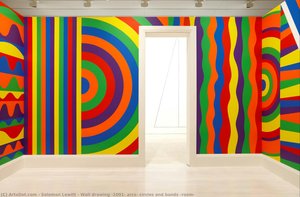 Wall drawing #1091: arcs, circles and bands (room)2003
 Distorted Cubes Bozuk Küpler
 Wall Drawing #3911983
Μελέτες γύρω από το Objectivity
 Geometry with Purpose: Distinguishing Suprematism from ConstructivismMaster the differences between Suprematism and Constructivism with our expert guide. Discover the soul of the Russian avant-garde now.
 Beyond the Object: Top 10 Masterpieces of Conceptual ArtExplore 10 iconic works of Conceptual Art by Duchamp and Ono. Discover the power of ideas on OriginalUniqueArt.com.
 Expressionism vs. New Objectivity: Emotion vs. Precision in German ArtMaster the tension between Expressionist emotion and New Objectivity precision. Explore the soul of German modern art now.