

 Προεπισκόπηση
 Αποστολή
 Κοινοποίηση
 Λεπτομέρειες
 Οδηγός

 Λήψη
Λήψη
 Παρόμοια αντικείμενα συλλογής
 Ακτινογραφία
 Παρουσίαση
 Στατιστικά
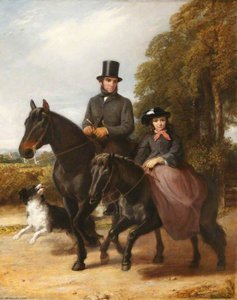
James Henry Monk
 1850
1850 137.0 x 107.0 cm
 Πανεπιστημιακά Μουσεία του Κέμπριτζ
 Περισσότερα λεπτομέρεια
Αγοράστε μια ψηφιακή εικόνα υψηλής ανάλυσης και βελτιωμένης ποιότητας, πολύ ανώτερης από την προεπισκόπηση στο διαδίκτυο.
Κάθε αρχείο προετοιμάζεται σχολαστικά από τους εξειδικευμένους συνεργάτες μας, με τη χρήση προηγμένων εργαλείων και χειροκίνητου ρετουσαρίσματος υψηλής ακρίβειας. Εξασφαλίζουμε ότι κάθε εικόνα προσφέρει εξαιρετική ευκρίνεια, απόλυτη πιστότητα στο χρώμα και λεπτομερή ανάδραση των λεπτομερειών.
Το τελικό αρχείο παραδίδεται μέσω email εντός 72 ωρών, βελτιστοποιημένο για άμεση χρήση σε επαγγελματικά, εκδοτικά και έντυπα περιβάλλοντα. Πρόκειται για την ίδια ποιότητα που εμπιστεύονται κορυφαία studios σχεδιασμού, εκδότες και γκαλερί.
Ψηφιακή εικόνα
Κατεβάστε ένα αρχείο υψηλής ανάλυσης για προσωπική χρήση, εκτύπωση και δημιουργικά έργα. ( Μετάβαση σε Εκτυπώσεις Αγορά χειροποίητου πίνακα)
Περιλαμβάνεται σε κάθε αγορά ψηφιακής εικόνας
Επαγγελματική Ψηφιακή Παράδοση με Εγγύηση
Όταν επιλέγετε το OriginalUniqueArt.com, δεν αποκτάτε απλώς μια εικόνα – λαμβάνετε ένα επαγγελματικά αναβαθμισμένο ψηφιακό έργο τέχνης, δημιουργημένο με ακρίβεια και με εγγύηση ικανοποίησης. Δείτε όλα όσα περιλαμβάνονται στην παραγγελία σας, αυτόματα:

Άμεση αποστολή μέσω email
Το ψηφιακό σας αρχείο εικόνας υψηλής ανάλυσης θα σας σταλεί μέσω email εντός 72 ωρών από την παραγγελία σας — έτοιμο για άμεση χρήση.

Ψηφιακό Αρχείο με Τεχνητή Νοημοσύνη
Το έργο σας βελτιστοποιείται επαγγελματικά με τη χρήση προηγμένων εργαλείων Τεχνητής Νοημοσύνης και χειροκίνητης επεξεργασίας, εξασφαλίζοντας μέγιστη λεπτομέρεια, ευκρίνεια και ακρίβεια χρωμάτων.

Δωρεάν επανεκδόσεις مدى ζωής
Απώλησες ή διαγράψατε κατά λάθος το αρχείο σας; Μην ανησυχείτε — θα σας το ξαναστείλομε οποιαδήποτε στιγμή, δωρεάν.

Χωρίς Τελωνειακούς Φόρους - Ποτέ
Απολαύστε αμέσως τα έργα τέχνης σας χωρίς δασμούς, φόρους ή έξοδα αποστολής - οι ψηφιακές λήψεις είναι πάντα αφορεশিপτεία.

Εγγύηση Ακριβούς Χρωματισμού
Εξασφαλίζουμε ότι η ψηφιακή σας εικόνα αποτυπώνει τα αυθεντικά χρώματα όσο το δυνατόν πιστότερα, χρησιμοποιώντας επαγγελματικά εργαλεία και διαχείριση χρωμάτων.

Εγγύηση Ικανοποίησης 100 Ημερών
Εάν δεν είστε ικανοποιημένοι με την ψηφιακή σας εικόνα, θα την τροποποιήσουμε ή θα σας επιστρέψουμε το 100% εντός 100 ημερών - χωρίς κανένα ερώτημα.

100% Εγγύηση Επιστροφής Χρήματος
Δεν είστε ικανοποιημένοι; Λάβετε πλήρη επιστροφή των χρημάτων σας εντός 100 ημερών από τη λήψη του ψηφιακού σας αρχείου — χωρίς κανένα ερώτημα.

Εκπτώσεις σε μαζικές παραγγελίες
Αγοράστε 3 εικόνες, κάντε εξοικονόμηση 10% - Αγοράστε 5, κάντε εξοικονόμηση 15% - Αγοράστε 10+, κάντε εξοικονόμηση 20%. Ιδανικό για δημιουργικά έργα, γκαλερί και agencies.
A Glimpse into the Life of James Henry Monk
James Henry Monk was a prominent figure in the academic world, serving as a Fellow, Classical Scholar, Tutor, and Regius Professor of Greek at the University of Cambridge. He later became the Bishop of Gloucester and Bristol from 1830 to 1856. The painting showcases Monk's intellectual and spiritual pursuits, with a book in front of him, symbolizing his love for knowledge and learning.The Artistic Brilliance of Richard Buckner
Richard Buckner was a renowned artist known for his remarkable portraits, which continue to inspire art enthusiasts today. His work can be found in various museums, including the Birmingham Museums and Art Gallery and the National Trust. At OriginalUniqueArt.com, we offer exquisite handmade oil painting reproductions of Buckner's works, allowing art lovers to appreciate his genius in their own homes.- Discover the beauty of Richard Buckner's paintings at OriginalUniqueArt.com
- Learn more about the life and works of James Henry Monk on Wikipedia
The James Henry Monk painting by Richard Buckner is a masterpiece that continues to inspire and educate art enthusiasts today. Its rich history, combined with Buckner's exceptional artistic skills, makes it a truly unique and captivating piece of art.
Βιογραφικό Καλλιτέχνη
Richard Buckner: A Victorian Portraitist of Refined Elegance
Richard Buckner (1812-1883) stands as a significant, yet often understated, figure in 19th-century British art. While he never achieved the widespread fame of his contemporaries like Sir Thomas Lawrence or William Powell Frith, Buckner’s meticulous portraits offer a remarkably intimate glimpse into Victorian society – capturing not just likenesses but also the nuances of social standing, wealth, and character. His career spanned over seven decades, evolving from early miniature work to large-scale salon commissions, reflecting both his artistic growth and the shifting demands of the era. Buckner’s legacy lies in his ability to render the complexities of human personality with a quiet dignity and an almost photographic realism, making him a valuable window into the world of Victorian England.
Born in Woolwich, London, in 1812, Richard Buckner was part of a family steeped in military tradition. His father, Lieutenant-Colonel Richard Buckner, served with the Royal Artillery, and his lineage traced back to Admiral Charles Buckner, adding an element of aristocratic pedigree to his early life. This background undoubtedly influenced his artistic sensibilities – a respect for order, precision, and the established protocols of portraiture. Buckner’s formal training began in London, where he studied under Giovanni Battista Cassevari, a renowned Italian painter known for his portraits of royalty and nobility. This initial exposure to classical techniques provided him with a solid foundation in anatomy, composition, and the use of light and shadow – skills that would become hallmarks of his distinctive style.
Buckner’s early career saw him working primarily as a miniature portraitist, a popular medium for wealthy patrons seeking personal keepsakes. However, he soon transitioned to larger-scale portraits, embracing the burgeoning demand for formal studio commissions. His subjects were diverse – members of the aristocracy, prominent politicians, military officers, and even some notable figures from the world of theatre and music. Notably, Queen Adelaide, Queen Victoria, and Prince Albert commissioned works from him, solidifying his position within the highest echelons of Victorian society. He also developed a strong connection with the Royal Academy, exhibiting his work annually from 1846 until 1877, showcasing a consistent dedication to his craft.
The Development of Style and Technique
Buckner’s artistic style is characterized by its remarkable realism and attention to detail. He possessed an extraordinary ability to capture the subtle nuances of expression – a flicker of amusement in the eyes, a hint of melancholy in the mouth, or the quiet authority of a seasoned statesman. His portraits are not merely representations; they are carefully constructed narratives, revealing the inner lives of his subjects. Buckner’s technique was rooted in careful observation and meticulous execution. He employed a layered approach to painting, building up tones gradually with thin glazes of oil paint – a method that allowed him to achieve remarkable luminosity and depth. His use of light is particularly noteworthy, creating a sense of atmosphere and revealing the textures of fabrics and skin.
Buckner’s artistic journey wasn't confined solely to portraiture. He also produced genre scenes depicting Italian landscapes and figures, reflecting his time spent in Rome during the 1840s. These works demonstrate a broader range of interests and technical skills, showcasing his versatility as an artist. His later work often incorporated elements of Romanticism – dramatic lighting, evocative settings, and a focus on emotional intensity – albeit filtered through his own refined aesthetic sensibilities.
Notable Works and Commissions
Among Buckner’s most celebrated portraits are those of Lord Palmerston, the Prime Minister during much of Queen Victoria's reign; Sir Henry Bulwer-Lytton, the Poet Laureate; and several members of the Royal Family. His portrait of Lady Mary Wortley Montagu, a pioneering female diplomat and writer, is particularly noteworthy for its intellectual depth and subtle portrayal of her character. His work at Hatchlands Manor, commissioned by the Rothschild family, remains one of his most enduring achievements – a large-scale group portrait capturing the elegance and social standing of the prominent banking dynasty. Beyond these major commissions, Buckner’s oeuvre includes numerous smaller portraits, miniatures, and landscape studies, each offering a unique insight into his artistic practice.
The National Trust holds a significant collection of Buckner's paintings, including works at Hughenden Manor (the former home of Benjamin Disraeli), Woburn Abbey, and Castle Leslie in Ireland. These pieces provide invaluable evidence of his stylistic evolution and the breadth of his subject matter. His portraits are also found in prestigious institutions such as the Victoria and Albert Museum and the National Portrait Gallery, testament to their enduring artistic merit.
Historical Significance and Legacy
Richard Buckner’s contribution to 19th-century British art is often overlooked, yet his work offers a valuable perspective on Victorian society. His portraits are not simply decorative; they are social documents, revealing the values, aspirations, and anxieties of an era defined by rapid industrialization, imperial expansion, and profound social change. Buckner’s meticulous attention to detail and his ability to capture the essence of his subjects make him one of the most compelling portraitists of his time.
Buckner's influence extends beyond his own artistic output. He mentored several younger artists, including J.M. Whistler, who admired his technical skill and compositional approach. His work continues to be studied by art historians and appreciated by collectors worldwide – a testament to the enduring power of his elegant and insightful portraits.
richard buckner
1812 - 1883
Συνοπτικά στοιχεία
- Artistic Movement Or Style: Victorian Portraiture
- Artists Or Movements Influenced By This Artist: ['Classical Portrait Style']
- Artists Who Influenced This Artist: ['Giovanni Battista Cassevari']
- Date Of Birth: October 25, 1812
- Date Of Death: August 12, 1883
- Full Name: Richard Buckner
- Nationality: British
- Notable Artworks:
- Self-Portrait
- Portrait of a Boy Chorister
- Place Of Birth: Woolwich, London