

 Προεπισκόπηση
 Αποστολή
 Κοινοποίηση
 Λεπτομέρειες
 Οδηγός

 Λήψη
Λήψη
 Παρόμοια αντικείμενα συλλογής
 Ακτινογραφία
 Παρουσίαση
 Στατιστικά
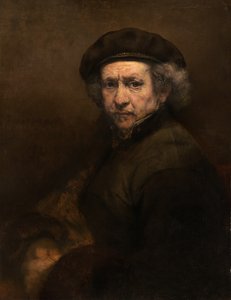
An Officer
 Άνθρακα σε πάνελ
- Dutch Golden Age
 1629
1629- Αναγέννηση
 65.0 x 51.0 cm
 Περισσότερα λεπτομέρεια
Giclée / Εκτυπώσεις Τέχνης
Εκτύπωση giclée ή σε καμβά ποιότητας μουσείου με γρήγορη παραγωγή και ευέλικτες επιλογές φινιρίσματος. ( Αγορά χειροποίητου πίνακα Μετάβαση σε Ψηφιακή Εικόνα)




P118B $10

P118H $10

P118W $10

P438Z $10

P508JH $12

P508YH $12

P805H $10

P805Z $10

P919BZ $10

P919G $10

P919XJ $10

P959ZH $10

P968JZ $12

W106C $8

W218G $10

W218JH $8

W218Y $10

W307PJ $10

W316G $10

W316PJ $8

W316Y $10

W398PJ $8

W4111J $10

W500HY $15

W500JH $15

W692G $12

W849H $8

W940BG $15

W953PJ $8




Επιλέξτε από τις προκαθορισμένες διαστάσεις μας που διατηρούν τις αρχικές αναλογίες του έργου τέχνης.

Μπορείτε να εισαγάγετε δικές σας διαστάσεις ώστε να ταιριάξουν με ένα συγκεκριμένο πλαίσιο ή χώρο. Εάν το επιλεγμένο μέγεθος δεν συμπίπτει με τις αναλογίες της πρωτότυπης εικόνας, θα κόψουμε το έργο τέχνης ή θα επεκτείνουμε την εικόνα με καθρεφτισμένη ή μονόχρωμη ατέλεια. Θα σας αποσταλεί ένα ψηφιακό mockup για έγκρισή σας πριν από την έναρξη της παραγωγής.
Παρακαλούμε σημειώστε ότι η προεπισκόπηση στην οθόνη δεν αντικατοπτρίζει την πραγματική κοπή ή επέκταση. Μόνο το mockup θα δείξει με ακρίβεια την τελική σύνθεση.
Παρόλο που είναι διαθέσιμες προσαρμοσμένες διαστάσεις, προτείνουμε την επιλογή μιας διάστασης από τη προκαθορισμένη λίστα για τη διατήρηση των αρχικών αναλογιών.
Παγκόσμια Αποστολή () σε 2 εβδομάδες αντί για τις συνήθεις 4/5 εβδομάδες. (27 Σεπτέμβριος)

Δωρεάν γρήγορη διεθνής αποστολή

Κάμβας από Λινό Υψηλής Ποιότητας

Πλήρης ασφάλιση μεταφοράς

Εγγύηση επιστροφής δασμών και φόρων εισαγωγής

Εγγύηση Απόλυτης Ομοιότητας Χρωμάτων

Πολιτική Επιστροφής 100 Ημερών (Μόνο σε περίπτωση ελαττωμάτων)

Εγγύηση επιστροφής 100% των χρημάτων

Έκπτωση για πολλαπλές παραγγελίες
 Η επιλογή με γυαλί είναι διαθέσιμη μόνο για μεγέθη κάτω από 110 εκ.

An Officer
Giclée / Εκτυπώσεις Τέχνης
Διαστάσεις Αναπαραγωγής
-


Συνολικό Κόστος
$ 80
Rembrandt’s Enigmatic Officer: A Study in Light, Shadow, and Authority
Rembrandt van Rijn's "An Officer," painted in 1629, is more than just a portrait; it’s a carefully constructed meditation on power, duty, and the subtle language of observation. This oil-on-panel masterpiece, measuring a modest 65 x 51 cm, belies its small scale with an immense emotional depth – a testament to Rembrandt's unparalleled ability to distill complex human character onto a single canvas. The painting immediately draws the viewer in, not through overt grandeur or flamboyant display, but through a masterful manipulation of light and shadow, a technique known as chiaroscuro that defines Rembrandt’s signature style. Notice how the officer’s face, bathed in a warm, golden glow, emerges from the surrounding darkness, creating an immediate sense of intimacy despite his formal stance. This isn't merely illumination; it’s a deliberate choice to highlight key features – the stern set of his jaw, the watchful gaze directed squarely at the viewer – inviting us into his world and prompting questions about his thoughts and motivations. The historical context surrounding "An Officer" is crucial to understanding its deeper meaning. Painted during the Dutch Golden Age, a period of immense prosperity and burgeoning artistic innovation, the portrait depicts a military figure clad in the attire of the time: a richly adorned hat featuring a prominent feather, indicative of rank and status, and clothing reflecting the formal standards of 17th-century military regalia. Rembrandt wasn’t simply recording a likeness; he was capturing an era – a moment in history where military prowess and social standing were inextricably linked. The officer's posture, rigid yet controlled, speaks volumes about the expectations placed upon those holding authority. He embodies a sense of duty, discipline, and perhaps even a hint of melancholy, qualities that resonate powerfully across centuries. The details—the meticulously rendered buttons, the subtle folds in his clothing—are not mere decorative flourishes; they are carefully chosen elements contributing to the overall narrative of power and responsibility. Rembrandt’s technical brilliance is evident in every brushstroke. The chiaroscuro technique isn't just a stylistic choice; it’s integral to the painting’s emotional impact. The stark contrast between light and dark doesn’t simply create depth, but also serves to isolate the officer, emphasizing his solitude and contemplation. Observe how Rembrandt uses subtle gradations of tone – the hazy edges of the background, the delicate shading on the officer's face—to build a sense of realism and immediacy. This masterful control over light allows him to imbue the portrait with an almost palpable atmosphere, inviting us to step into the scene and witness this moment in time. Furthermore, Rembrandt’s use of impasto – thick applications of paint – adds texture and physicality to the canvas, grounding the image and enhancing its visual impact. The painting's legacy extends far beyond its initial creation. "An Officer" is now housed within The Museum Oskar Reinhart (Winterthur, Switzerland), a treasure trove of European art, alongside other notable works by Rembrandt such as “Repentant Judas Returning The Pieces Of Silver” and “Self Portrait at the Age about 23”. These pieces offer a fascinating glimpse into Rembrandt’s artistic evolution and his enduring fascination with human nature. The availability of meticulously crafted oil painting reproductions from OriginalUniqueArt.com allows art enthusiasts to experience the beauty and power of this masterpiece in their own homes, bringing a touch of Dutch Golden Age artistry into contemporary spaces. Consider how the rich tones and dramatic lighting would complement a variety of interior design styles – from classic and formal to modern and minimalist. Reproductions like “Repentant Judas Returning The Pieces Of Silver” and “Self Portrait at the Age about 23” showcase Rembrandt’s versatility, demonstrating his ability to capture both profound emotion and striking realism.The Symbolism of Feathered Regalia and Stern Expression
Beyond its technical mastery and historical context, "An Officer" is rich in symbolic meaning. The feather adorning the officer's hat isn’t merely a decorative element; it represents rank, authority, and military distinction – a visual shorthand for his position within the social hierarchy. Feathers were historically associated with nobility and leadership, signifying power and prestige. The placement of the feather is deliberate, drawing attention to the officer’s head and emphasizing his role as a figure of command. Equally significant is the officer's expression: stern, watchful, and perhaps even slightly melancholic. This isn’t a triumphant or boastful portrayal; rather, it conveys a sense of responsibility, duty, and possibly a quiet awareness of the burdens associated with leadership. The subtle downturn of his mouth suggests a degree of introspection – a recognition that power comes with both privilege and obligation. Rembrandt masterfully uses this combination of visual cues to create a portrait that is both compellingly realistic and deeply symbolic.A Window into the Dutch Golden Age: Military Life and Social Hierarchy
“An Officer” offers a fascinating glimpse into the social and military landscape of the Dutch Golden Age. The meticulous detail with which Rembrandt depicts the officer’s attire—the specific cut of his coat, the intricate embroidery on his hat, the polished sheen of his boots—reflects the importance of appearance and status within 17th-century society. Military officers held a prominent position in the Republic's defense forces, and their clothing served as a visible symbol of their authority and social standing. The painting also subtly hints at the complex relationship between military power and civilian governance during this period. The officer’s stern expression suggests a sense of vigilance and preparedness—a reminder that the Dutch Republic was constantly facing external threats. Rembrandt's ability to capture both the formality and the underlying tension of this era is truly remarkable.Bringing Rembrandt’s Masterpiece Home: OriginalUniqueArt.com Reproductions
OriginalUniqueArt.com offers exceptional, hand-painted oil painting reproductions of "An Officer," allowing art lovers to own a piece of history and bring Rembrandt's genius into their homes. These meticulously crafted reproductions capture the essence of the original – the dramatic chiaroscuro, the subtle nuances of expression, and the rich textures of the canvas. Each reproduction is created by skilled artists using traditional techniques and high-quality materials, ensuring that it faithfully replicates the beauty and impact of the original masterpiece. Whether you’re a seasoned art collector or simply seeking to add a touch of timeless elegance to your décor, OriginalUniqueArt.com's reproductions provide an unparalleled opportunity to experience the enduring legacy of Rembrandt van Rijn. Explore our selection of "Repentant Judas Returning The Pieces Of Silver" and “Self Portrait at the Age about 23” for further inspiration.Βιογραφικό Καλλιτέχνη
Η Ζωή και το Φως του Ρέμπραντ φαν Ράιν
Ο Ρέμπραντ Χάρμενσον φαν Ράιν, ένα όνομα άρρηκτα συνδεδεμένο με την ολλανδική Χρυσή Εποχή και την αριστοτεχνία του φωτός και της σκιάς, γεννήθηκε στη Λειδέν της Ολλανδίας στις 15 Ιουλίου 1606. Η άφιξή του συνέπεσε με μια περίοδο άνευ προηγουμένου ευημερίας και καλλιτεχνικής ακμής για την νεαρή δημοκρατία, ένα κλίμα που θα διαμόρφωνε βαθιά τη ζωή και το έργο του. Γιος ενός μυλωνά, του Χάρμεν Gerritszoon van Rijn, και της Neeltgen Willemsdochter van Zuytbrouck, από μια οικογένεια αρτοποιών, ο Ρέμπραντ έλαβε εκπαίδευση στο Λατινικό Σχολείο της Λειδέν, παρέχοντάς του ένα θεμέλιο κλασικής μάθησης που αργότερα θα ενσωματωνόταν διακριτικά στις καλλιτεχνικές του αφηγήσεις. Οι πρώιμες καλλιτεχνικές του τάσεις τον οδήγησαν σε μαθητείες – αρχικά με τον Jacob van Swanenburg στη Λειδέν γύρω στο 1620, και στη συνέχεια, κρίσιμα, σε μια εξαμηνιαία περίοδο σπουδών υπό τον Pieter Lastman στο Άμστερνταμ που ξεκίνησε το 1624. Ήταν η δραματική χρήση του φωτός και της σκιάς από τον Lastman, οι δυναμικές του συνθέσεις γεμάτες ιστορικές και βιβλικές σκηνές, που άναψαν μια σπίθα μέσα στον νεαρό Ρέμπραντ, θέτοντάς τον σε ένα μονοπάτι προς την καλλιτεχνική καινοτομία. Επιστρέφοντας στη Λειδέν, ίδρυσε ατελιέ που μοιραζόταν με τον συνάδελφό του Jan Lievens, σηματοδοτώντας την αρχή μιας εξαιρετικής καριέρας.
Από την Αναγνώριση στη Λειδέν στην Αγκαλιά του Άμστερνταμ
Ο Ρέμπραντ απέκτησε γρήγορα αναγνώριση στην πατρίδα του για τους ιστορικούς πίνακές του και τα πορτρέτα του, επιδεικνύοντας ένα πρώιμο ταλέντο στη σύλληψη τόσο της φυσικής ομοιότητας όσο και του ψυχολογικού βάθους. Μια κομβική στιγμή έφτασε το 1629 με την υποστήριξη του Constantijn Huygens, ενός ποιητή και διπλωμάτη στο δικαστήριο της Χάγης. Αυτή η σύνδεση εξασφάλισε παραγγελίες που ανύψωσαν το προφίλ του Ρέμπραντ και άνοιξαν πόρτες σε ένα ευρύτερο κοινό. Το 1631, πήρε την αποφασιστική απόφαση να μετακομίσει στο Άμστερνταμ, ένα πολυσύχναστο εμπορικό και πολιτιστικό κέντρο. Εδώ, οι δεξιότητές του ως πορτρετίστας ήταν αμέσως περιζήτητες, προσελκύοντας πλούσιους πελάτες πρόθυμους να αθανατίσουν την εικόνα τους από τον ανερχόμενο αστέρα. Το έτος 1634 σηματοδότησε μια άλλη σημαντική καμπή με τον γάμο του με τη Saskia van Uylenburgh, κόρη ενός εξέχοντος δικηγόρου και δημάρχου. Αυτή η ένωση δεν έφερε μόνο προσωπική ευτυχία αλλά παρείχε επίσης στον Ρέμπραντ κοινωνική επιρροή και αρχική οικονομική σταθερότητα, επιτρέποντάς του να επεκτείνει το ατελιέ του και να αναλάβει πιο φιλόδοξα έργα. Ωστόσο, οι σπόροι μελλοντικών δυσκολιών σπέρθηκαν διακριτικά κατά τη διάρκεια αυτής της περιόδου επιτυχίας· ο πρόωρος θάνατος της Saskia το 1642 θα έριζε μια μακρά σκιά στη ζωή του Ρέμπραντ.
Η Εξέλιξη ενός Δασκάλου: Στυλ και Τεχνική
Το καλλιτεχνικό ταξίδι του Ρέμπραντ ήταν ένα ταξίδι ακατάπαυστων πειραμάτων και βαθιάς εξέλιξης. Απομακρύνθηκε από την επικρατούσα έμφαση στα ιδεαλισμένα σχήματα, αγκαλιάζοντας αντίθετα τον ρεαλισμό και την συναισθηματική έκφραση στις απεικονίσεις του. Η πρώιμη περίοδος του, χονδρικά από το 1625 έως το 1635, χαρακτηριζόταν από σχολαστική λεπτομέρεια και μια σαφή επιρροή από το δραματικό στυλ του Lastman. Ωστόσο, κατά τη διάρκεια της ώριμης περιόδου του, που εκτείνεται από τη δεκαετία του 1630 έως τη δεκαετία του 1650, ο Ρέμπραντ ήρθε πραγματικά στην δική του. Αυτή η εποχή ήταν μάρτυρας της αριστοτεχνικής ανάπτυξης του *chiaroscuro* – της δραματικής αλληλεπίδρασης φωτός και σκιάς – που έγινε καθοριστικό χαρακτηριστικό του έργου του. Δεν απεικόνιζε απλώς το φως· το χρησιμοποιούσε για να σμιλέψει μορφές, να δημιουργήσει ατμόσφαιρα και να αποκαλύψει την εσωτερική ζωή των υποκειμένων του. Η τεχνική πινέλου του υπέστη επίσης μια μεταμόρφωση, γίνοντας πιο χαλαρή και εκφραστική, μεταφέροντας υφή, συναίσθημα και αίσθηση άμεσης παρουσίας. Τα τελευταία χρόνια, από τη δεκαετία του 1650 έως τον θάνατό του το 1669, είδαν μια επιστροφή σε πιο συγκρατημένη παλέτα χρωμάτων και μια εστίαση σε οικείους πορτρέτα και βιβλικές σκηνές που αντανακλούσαν προσωπικούς αγώνες και πνευματικό προβληματισμό. Αυτά τα έργα χαρακτηρίζονται από μια βαθιά αίσθηση ενδοσκόπησης και προθυμία να αντιμετωπιστούν οι πολυπλοκότητες της ανθρώπινης ύπαρξης.
Ορόσημα Δημιουργιών και Διαρκής Κληρονομιά
Το έργο του Ρέμπραντ είναι γεμάτο αριστουργήματα που συνεχίζουν να σαγηνεύουν το κοινό αιώνες αργότερα. Το Μαθηματικό Μάθημα του Δρ. Nicolaes Tulp (1632), ένα πρωτοποριακό ομαδικό πορτρέτο, δεν έδειξε μόνο την τεχνική του δεξιότητα αλλά και επέδειξε μια καινοτόμο προσέγγιση στην απεικόνιση της ανθρώπινης ανατομίας και προσωπικότητας. Το Δείπνο του Βαλσαζάρ (1635) στέκεται ως απόδειξη της κυριαρχίας του στο φως, τη σκιά και τη σύνθεση, ζωντανεύοντας την βιβλική αφήγηση με δραματική ένταση. Ίσως το πιο διάσημο έργο του, Η Νυχτερινή Βάρδια (1642), επίσημα με τίτλο *Στρατιωτική Εταιρεία της Περιοχής II υπό την Ηγεσία του Καπετάνιου Frans Banninck Cocq*, επαναπροσδιόρισε το είδος του ομαδικού πορτρέτου με τη δυναμική του σύνθεση και την καινοτόμο χρήση φωτισμού. Πέρα από αυτά τα μεγάλης κλίμακας έργα, τα περίπου 40 αυτοπορτραίτα του Ρέμπραντ προσφέρουν ένα μοναδικό οπτικό αρχείο της διαδικασίας γήρανσής του και του καλλιτεχνικού του ορά
Ρέμπραντ φαν Ράιν
1606 - 1669 , Ολλανδία
Στοιχεία καλλιτέχνη
- Εθνικότητα: Ολλανδός
- Ημερομηνία Γέννησης: 15 Ιουλίου 1606
- Ημερομηνία Θανάτου: 4 Οκτωβρίου 1669
- Καλλιτέχνες Που Επηρέασε: ['Ολλανδική Χρυσή Εποχή']
- Καλλιτέχνες Που Τον Επηρέασαν:
- Τιτσιάνο
- Pieter Lastman
- Καλλιτεχνικό Ρεύμα: Μπαρόκ ζωγραφική
- Πλήρες Όνομα: Rembrandt Harmenszoon van Rijn
- Σημαντικά Έργα:
- Η Νυχτερινή Βάρδια
- Αυτοπροσωπογραφίες
- Τόπος Γέννησης: Λέιντεν, Ολλανδία
Σχετικά άρθρα

Golden Light & Dutch Skies: The Timeless Magic of Dutch Golden Age Landscapes
Discover the breathtaking beauty of Dutch Golden Age landscapes. Explore the mastery of light, chiaroscuro, and 17th-century realism through an expert art history lens, celebrating the enduring legacy of the Dutch Masters for discerning collectors and art lovers.

Rembrandt van Rijn: A Life Illuminated – Innovation, Emotion, and the Dutch Golden Age
Explore the life & art of Rembrandt van Rijn, a Dutch Golden Age master. Discover his innovative techniques, iconic paintings like 'The Night Watch', and enduring legacy. Expert insights for collectors & enthusiasts.

Οι 10 Κορυφαίοι Δασκάλοι της Ολλανδικής Χρυσής Εποχής & τα Έργα τους | OriginalUniqueArt.gr
Ανακαλύψτε τα 10 αριστουργήματα της Ολλανδικής Χρυσής Εποχής! Rembrandt, Vermeer & άλλοι δάσκαλοι ζωντανεύουν. Ιστορία τέχνης, τεχνικές ζωγραφικής και έμπνευση για διακόσμηση σπιτιού. Explore the full collection on OriginalUniqueArt.com

Οι 10 Κορυφαίοι Δασκάλοι της Ολλανδικής Μπαρόκ Τέχνης | OriginalUniqueArt.gr
Ανακαλύψτε τους 10 κορυφαίους πίνακες της Ολλανδικής Μπαρόκ – Rembrandt, Vermeer & άλλοι. Ιστορίες τέχνης, τεχνικές και έμπνευση για διακόσμηση σπιτιού. Βρείτε την ιδανική αναπαραγωγή πίνακα στο OriginalUniqueArt.gr

Ρέμπραντ: Τα 25 Κορυφαία Έργα Τέχνης για Διακόσμηση με Στυλ | OriginalUniqueArt.gr
Ανακαλύψτε τα 25 κορυφαία έργα τέχνης του Ρέμπραντ! Εξερευνήστε την ιστορία, τις τεχνικές και το συναίσθημα πίσω από πίνακες όπως η Νυχτερινή Περιπολία & Ο Επιστρέφοντας Προδιγόνος. Βρείτε αναπαραγωγές υψηλής ποιότητας για διακόσμηση στο OriginalUniqueArt.gr

![Η Διδασκαλία Ανατομίας του Δρ. Νικολάου Τούλπ [1632]](/media/artworks/images-thumb/e5/fc/e5fcb33447eac6b24ab049b22effa1a3.jpg)


