Gongbi Landscape · 1530
Handscroll (Τσιου Γινγκ, 1530)
Το έργο Handscroll δημιούργησε ο/η Τσιου Γινγκ (1494–1552). Χρονολογείται στο 1530. Ανήκει στο κίνημα Gongbi Landscape. Είναι φτιαγμένο σε Acrylic On Canvas. Αποθηκεύεται στο Μετροπολιτικό Μουσείο Τέχνης στο Νέα Υόρκη, Ηνωμένες Πολιτείες Αμερικής.
- 1530
- Acrylic On Canvas
- Μετροπολιτικό Μουσείο Τέχνης, Νέα Υόρκη

 Προεπισκόπηση σε πραγματική κλίμακα

 Ελαιογραφικό Χειροποίητο Έργο
 Αποστολή
 Κοινοποίηση
 Φύλλο πληροφοριών


 Λήψη
 Παρόμοια αντικείμενα συλλογής
 Ακτινογραφία
 Παρουσίαση
 Ερωτήσεις & Απαντήσεις

 Στατιστικά
Handscroll, εν συντομία
- Τίτλος
- Handscroll
- Καλλιτέχνης
- Τσιου Γινγκ (1494–1552)
- Γεννημένος/η το
- Ταϊκάνγκ, Λαϊκή Δημοκρατία της Κίνας
- Ημερομηνία
- 1530
- Μέσο
- Acrylic On Canvas
- Πού εκτίθεται
- Μετροπολιτικό Μουσείο Τέχνης, Νέα Υόρκη, Ηνωμένες Πολιτείες Αμερικής
- Κίνηση
- Gongbi Landscape
- Εποχή
- Late Medieval
- Θέμα
- ming dynasty, landscape, scroll, qiu ying, luohans, chinese art
Τι απεικονίζει το Handscroll;
Qiu Ying’s “Up the River During Qingming”: A Masterpiece of Ming Dynasty Serenity
“Up the River During Qingming,” painted by Qiu Ying during the mid-16th century, is more than just a landscape; it's a carefully constructed meditation on harmony, leisure, and the enduring beauty of nature. Attributed to one of China’s Four Masters of the Ming Dynasty – alongside Shen Zhou, Tang Yin, and Wen Zhengming – this exquisite handscroll offers a rare glimpse into the refined aesthetic sensibilities of Suzhou during that era. The work, currently residing in the collection of the National Gallery of Canada, invites viewers into a tranquil scene brimming with subtle symbolism and masterful brushwork.
Qiu Ying’s artistic journey was remarkably unconventional for his time. Rather than pursuing formal training within established art circles, he began as a lacquer artisan, honing his skills in meticulous detail – a foundation that profoundly influenced the precision and control evident throughout “Up the River During Qingming.” This early experience instilled in him an unparalleled understanding of line and color, qualities he would later translate into his celebrated landscape paintings. His apprenticeship with Zhou Chen in Suzhou further solidified his technical abilities, exposing him to the techniques of the Wu School, known for its emphasis on ink washes and a more expressive approach to nature.
A Symphony of Detail: Technique and Style
The painting’s remarkable quality stems from Qiu Ying's mastery of the gongbi technique – a highly detailed, realistic style that was favored by court painters. Each element—from the meticulously rendered bamboo stalks to the delicate folds of the pavilions—is executed with painstaking precision, creating an illusion of incredible depth and texture. Notice the subtle gradations of color achieved through layering washes of ink and pigment; this creates a luminous quality that brings the scene to life. The composition is carefully balanced, drawing the eye across the landscape in a deliberate and engaging manner. The artist’s use of loose brushwork, particularly in depicting the distant mountains and flowing river, contrasts beautifully with the tightly controlled detail of the foreground elements, demonstrating Qiu Ying's versatility and his ability to seamlessly blend different artistic approaches.
Symbolism Woven into the Landscape
“Up the River During Qingming” is rich in symbolic meaning. The scene depicts a scholar leisurely enjoying a day by the river, surrounded by carefully arranged pavilions and gardens. This imagery reflects the Confucian ideals of scholarly pursuits, contemplation, and harmony with nature – values highly esteemed during the Ming Dynasty. The presence of the tavern and the farmer gathering water vegetables adds a touch of everyday life to the scene, reminding us that even amidst beauty and tranquility, human activity continues. The bamboo grove, a recurring motif in Chinese art, symbolizes resilience, integrity, and longevity—qualities admired in virtuous individuals. The distant mountains represent permanence and stability, while the flowing river embodies fluidity and change.
A Window into Ming Dynasty Culture
Beyond its aesthetic beauty, “Up the River During Qingming” offers a valuable insight into Ming Dynasty culture. It reflects the importance of gardens as spaces for contemplation, artistic expression, and social interaction. The lavish furnishings within the pavilions—including the exquisite celadon vase—demonstrate the wealth and sophistication of the era’s elite. The painting also reveals the influence of philosophical ideas, particularly those associated with Zhou Dunyi, whose “On the Love for the Lotus” inspired the scene's composition and symbolism. Qiu Ying’s ability to seamlessly integrate these diverse elements into a cohesive and harmonious whole is a testament to his artistic skill and cultural awareness.
Collecting a Legacy: Reproduction and Inspiration
Reproductions of “Up the River During Qingming” capture only a fraction of the painting's original impact. The subtle nuances of color, texture, and brushwork are difficult to replicate fully, but high-quality reproductions offer an accessible way to appreciate Qiu Ying’s artistry. This work serves as a powerful reminder of the enduring appeal of Chinese landscape painting—a genre that continues to inspire artists and captivate viewers with its beauty, symbolism, and profound sense of serenity.
Σε ποιο μουσείο βρίσκεται το Handscroll;
Μετροπολιτικό Μουσείο Τέχνης
Νέα Υόρκη, Ηνωμένες Πολιτείες Αμερικής
Ένα Μνημείο της Δημιουργικότητας: Η Μετροπολιτική Μουσείου Τέχνης και η Αιώνια Κληρονομιά της Στην καρδιά της Νέας Υόρκης, στην Πέμπτη Λεωφόρο, υψώνεται ένα κτίριο που δεν είναι απλώς μουσείο, αλλά ένας κόσμος ολόκληρος. Η Μετροπολιτική Μουσείου Τέχνης, γνωστή και ως "The Met", αποτελεί έναν αιώνιο θησαυρό της ανθρώπινης δημιουργικότητας, μια συλλογή που εκτείνεται σε πέντε χιλιετίες και διασχίζει κάθε γωνιά του κόσμου. Ιδρύθηκε το 1870 από μια ομάδα οραματιστών Νεοϋορκέζων με την πίστη ότι η τέχνη πρέπει να είναι προσβάσιμη σε όλους, ένα ριζοσπαστικό όραμα για την εποχή του, και σήμερα στέκει ως ένα από τα μεγαλύτερα και πιο ολοκληρωμένα μουσεία στον κόσμο.


Εικόνες υψηλής ανάλυσης του Handscroll

Δημόσιος τομέας: ο καλλιτέχνης απεβίωσε το 1552.
Άλλες διαστάσεις, καρέττες και αναφορά →Τσιου Γινγκ, Handscroll (1530), Μετροπολιτικό Μουσείο Τέχνης. Δημόσιο περιουσιακό δικαίωμα
Ερωτήσεις για το Handscroll, απαντημένες
Πού εκτίθεται σήμερα το "Handscroll" του Τσιου Γινγκ;
Το έργο "Handscroll" του Τσιου Γινγκ εκτίθεται στο Μετροπολιτικό Μουσείο Τέχνης, Νέα Υόρκη, Ηνωμένες Πολιτείες Αμερικής. Η αναφορά στο μουσείο αφορά το πρωτότυπο έργο και όχι αναπαραγωγές.
Πότε δημιουργήθηκε το "Handscroll";
Το έργο "Handscroll" του Τσιου Γινγκ δημιουργήθηκε το 1530.
Με ποιο υλικό έχει εκτελεστεί το έργο "Handscroll" του Τσιου Γινγκ;
Ο/Η Τσιου Γινγκ χρησιμοποίησε την τεχνική του/της Acrylic On Canvas για το έργο "Handscroll". Η τεχνική αυτή ορίζει τη υλική φύση του πρωτότυπου έργου.
Τι απεικονίζει το "Handscroll" του Τσιου Γινγκ;
Τα θέματα που περιλαμβάνονται στο "Handscroll" του Τσιου Γινγκ περιλαμβάνουν το/τα ming dynasty, landscape, scroll, qiu ying, luohans, chinese art, gongbi. Μαζί, συνοψίζουν το περιεχόμενο του έργου τέχνης.
Το έργο "Handscroll" ανήκει στο δημόσιο περιουσιακό αγαθό;
Η κατάσταση των πνευματικών δικαιωμάτων για το έργο "Handscroll" του Τσιου Γινγκ είναι η εξής: το έργο ανήκει στο στην ελεύθερη χρήση - τα δικαιώματα αυτορούς δικαίωσης έχουν λήξει. Αυτό καθορίζει εάν επιτρέπεται η ελεύθερη αναπαραγωγή της εικόνας.
Ποιος δημιούργησε το "Handscroll";
Το έργο "Handscroll" δημιουργήθηκε από τον/την Τσιου Γινγκ. Οι πληροφορίες σε αυτή τη σελίδα περιγράφουν το πρωτότυπο έργο του/της Τσιου Γινγκ.
Σε ποιο καλλιτεχνικό ρεύμα ανήκει το "Handscroll" του Τσιου Γινγκ;
Το έργο "Handscroll" του Τσιου Γινγκ ανήκει στο καλλιτεχνικό κίνημα Gongbi Landscape. Αυτό το κίνημα παρέχει το στυλιστικό πλαίσιο του έργου.
Ποια εποχή της καριέρας του/της Τσιου Γινγκ αντιπροσωπεύει το έργο "Handscroll";
Στο πλαίσιο της καριέρας του/της Τσιου Γινγκ, το έργο "Handscroll" ανήκει στην περίοδο Mid-16th Century. Αυτή η φάση διευκολύνει τη σύγκρισή του με άλλα έργα του/της καλλιτέχνη/της.
Σε τι ηλικία δημιούργησε ο/η Τσιου Γινγκ το "Handscroll";
Ο/Η Τσιου Γινγκ ήταν 36 ετών όταν δημιούργησε το "Handscroll" το 1530. Η ηλικία υπολογίζεται με βάση το έτος γέννησης του καλλιτέχνη, 1494.
Σχετικά με τον καλλιτέχνη, Τσιου Γινγκ
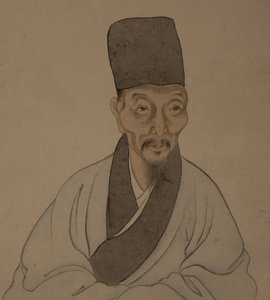
1494–1552, Λαϊκή Δημοκρατία της Κίνας
Τσιου Γινγκ
Μια Ζωή Σφυρηλατημένη με Πινέλα: Ο Κόσμος του Qiu Ying Γεννημένος υπό ταπεινές συνθήκες το 1494, στην πόλη Taicang, κοντά στη σημερινή επαρχία Jiangsu, ο Qiu Ying ανυψώθηκε μέχρι να γίνει ένας από τους πιο διάσημους ζωγράφους της Δυναστείας Ming. Σε αντίθεση με πολλούς καλλιτέχνες της εποχής του, οι οποίοι επωφελούνταν από ακαδημαϊκή ανατροφή και επίσημη εκπαίδευση σε καθιερωμένους καλλιτεχνικούς κύκλους, η πορεία του Qiu Ying ήταν αξιοσημείωτα αυτοσχεδίατη. Δεν ξεκίνησε το καλλιτεχνικό του ταξίδι μέσω παραδοσιακών οδών, αλλά ως μαθητής τεχνίτη λακέρ, εξάσκοντας τις δεξιότητές του σε λεπτομερή διακοσμητικά έργα – μια βάση που θα επηρέαζε βαθύτατα την προσεκτική ακρίβεια που χαρακτηρίζει τα μεταγενέστερα έργα του. Αυτή η πρώιμη εμπειρία του εμφύτευσε την κατάκτηση της γραφής και του χρώματος, ποιότητες τις οποίες θα τελειοποιούσε υπό την καθοδήγηση του Zhou Chen στο Suzhou, ένα ζωντανό πολιτιστικό κέντρο κατά την περίοδο Ming.
Εργασίες του Τσιου Γινγκ
 Up the River During Qingming1644
 Zhao Mengfu Writing the Heart (Hridaya) Sutra in Exchange for Tea1542
 Lady Su Hui and Her Verse Puzzle501
 The Seven sages of the bamboo grove1552

Μελέτες για το Handscroll
 Understanding Chinese Painting: A Comparison of Gongbi and XieyiMaster the differences between Gongbi and Xieyi styles. Discover the history and techniques of Chinese ink painting now.
 25 Must-See Masterpieces at Berlin's Alte NationalgalerieExplore 25 iconic masterpieces from Berlin's Alte Nationalgalerie. From Romanticism to Impressionism, discover them all on OriginalUniqueAr…
 Understanding Chinese Art: Literati Painting and Song Academy PaintingMaster the distinction between Song Academy and Literati painting styles. Explore Chinese art history through expert analysis today.