

 Αποστολή
 Κοινοποίηση
 Λεπτομέρειες

 Λήψη
Λήψη
 Παρόμοια αντικείμενα συλλογής
 Παρουσίαση
 Stats
StatsTriumph of a Warrior
 Fresco
- Italian Renaissance
 1509
1509- Renaissance
 77.0 x 71.0 cm
 Διαβάστε περισσότερα
Giclée / Εκτυπώσεις Τέχνης
Εκτύπωση giclée ή σε καμβά ποιότητας μουσείου με γρήγορη παραγωγή και ευέλικτες επιλογές φινιρίσματος. ( Αγορά χειροποίητου πίνακα Switch to Digital Image)




































Επιλέξτε από τις προκαθορισμένες διαστάσεις μας που διατηρούν τις αρχικές αναλογίες του έργου τέχνης.

Μπορείτε να εισαγάγετε δικές σας διαστάσεις ώστε να ταιριάξουν με ένα συγκεκριμένο πλαίσιο ή χώρο. Εάν το επιλεγμένο μέγεθος δεν συμπίπτει με τις αναλογίες της πρωτότυπης εικόνας, θα κόψουμε το έργο τέχνης ή θα επεκτείνουμε την εικόνα με καθρεφτισμένη ή μονόχρωμη ατέλεια. Θα σας αποσταλεί ένα ψηφιακό mockup για έγκρισή σας πριν από την έναρξη της παραγωγής.
Παρακαλούμε σημειώστε ότι η προεπισκόπηση στην οθόνη δεν αντικατοπτρίζει την πραγματική κοπή ή επέκταση. Μόνο το mockup θα δείξει με ακρίβεια την τελική σύνθεση.
Παρόλο που είναι διαθέσιμες προσαρμοσμένες διαστάσεις, προτείνουμε την επιλογή μιας διάστασης από τη προκαθορισμένη λίστα για τη διατήρηση των αρχικών αναλογιών.
Παγκόσμια Αποστολή () σε 2 εβδομάδες αντί για τις συνήθεις 4/5 εβδομάδες. (8 Σεπτέμβριος)

Δωρεάν γρήγορη διεθνής αποστολή

Κάμβας από Λινό Υψηλής Ποιότητας

Πλήρης ασφάλιση μεταφοράς

Εγγύηση Επιστροφής Δασμών και Φόρων

Εγγύηση Απόλυτης Ομοιότητας Χρωμάτων

Πολιτική Επιστροφής 100 Ημερών (Μόνο σε περίπτωση ελαττωμάτων)

Εγγύηση επιστροφής 100% των χρημάτων

Προσφορά για μαζικές παραγγελίες
 Η επιλογή με γυαλί είναι διαθέσιμη μόνο για μεγέθη κάτω από 110 εκ.

Triumph of a Warrior
Giclée / Εκτυπώσεις Τέχνης
Διαστάσεις Αναπαραγωγής
-


Συνολική Τιμή
$ 80
A Vision of Renaissance Splendor
In the delicate dance of light and pigment that defines the Italian Renaissance, few works capture the era's celebratory spirit as exquisitely as Pinturicchio’s Triumph of a Warrior. Created in 1509, this breathtaking fresco serves as a window into a world where classical antiquity and contemporary grandeur converged. The scene unfolds with a sense of rhythmic motion, centered upon a woman poised regally within a chariot. Pulled by two spirited horses, the chariot moves through a landscape populated by figures that seem to emerge from the very fabric of history itself. There is an undeniable theatricality to the composition; it is not merely a depiction of a moment, but a staged spectacle of victory and grace, designed to evoke awe in all who behold it.
The artistry of Bernardino di Betto, known affectionately as Pinturicchio, shines through in the meticulous attention to decorative detail. Unlike the starker realism found in some of his contemporaries, Pinturicchio embraced a vibrant, ornamental sensibility that breathes life into every corner of the fresco. The technique reflects a masterful command of the fresco medium, where pigments are applied to wet plaster to become an inseparable part of the wall. This method lends the work a luminous quality, particularly in the way the figures interact with the surrounding architectural elements and stuccowork. For the discerning collector or interior designer, this piece offers a sophisticated layer of historical texture, bringing the opulent atmosphere of a 16th-century Italian palace into a modern living space.
Historical Echoes and Symbolic Depth
To understand the profound impact of this masterpiece, one must look to its origins within the Palazzo del Magnifico in Siena. Commissioned for the powerful Pandolfo Petrucci, the work was part of an ambitious decorative program intended to mirror the splendor of ancient Rome. Pinturicchio was deeply inspired by his explorations of Nero’s Golden House, and this influence is palpable in the way he integrates mythological themes with classical motifs. The chariot, a symbol of triumph and divine movement, serves as a powerful metaphor for the ascent of greatness. The surrounding figures—some kneeling in reverence, others observing from the periphery—create a narrative depth that suggests a larger, epic celebration of power and virtue.
The emotional resonance of Triumph of a Warrior lies in its ability to balance movement with stillness. While the horses suggest forward momentum and the energy of a parade, there is an underlying sense of eternal grace provided by the artist's refined line work. This duality makes the artwork an exceptional choice for those seeking to infuse their environments with a sense of timelessness and prestige. Whether viewed as a historical document of the High Renaissance or as a purely aesthetic triumph of color and form, the painting remains a captivating testament to Pinturicchio’s ability to transform plaster and pigment into a lasting legacy of human achievement.
Βιογραφία Καλλιτέχνη
Bernardino di Betto, Known as Pinturicchio
Bernardino di Betto, known to the world as Pinturicchio – a nickname affectionately bestowed upon him for his diminutive stature – emerged from the artistic heartland of Perugia in 1454. His life unfolded during a period of immense cultural ferment, the High Renaissance blossoming across Italy, yet Pinturicchio carved out a unique path, one that blended the lingering elegance of Gothic traditions with the burgeoning innovations of the era. While giants like Leonardo da Vinci and Michelangelo strove for anatomical perfection and dramatic realism, Pinturicchio cultivated a style characterized by refined grace, intricate detail, and a vibrant, decorative sensibility. His journey wasn’t one of revolutionary upheaval, but rather of exquisite refinement – a testament to his skill in transforming established forms into something uniquely captivating.- Early Years: Pinturicchio’s birth date is recorded as 1454 in Perugia, Italy. Little is known about his family background or formative years beyond the fact that he trained under lesser-known Perugian masters like Bonfigli and Fiorenzo di Lorenzo. These early influences undoubtedly instilled a foundational appreciation for Gothic aesthetics and craftsmanship.
- Perugino’s Influence: Pinturicchio’s artistic development was profoundly shaped by his association with Pietro Perugino, a leading figure of the Umbrian school. Giorgio Vasari recounts that Pinturicchio served as an assistant to Perugino, fostering a collaborative environment where stylistic considerations were paramount.
- The Sistine Chapel Commission: A pivotal moment arrived when Pinturicchio secured a commission for the Sistine Chapel in Rome during the early 16th century. Collaborating with Botticelli, Ghirlandaio, and Signorelli—artists who epitomized the High Renaissance ideals—Pinturicchio contributed to this monumental project, albeit tragically witnessing the destruction of his frescoes to accommodate Michelangelo’s *Last Judgement*.
Rome and the Borgia Apartments
The years between 1484 and 1492 witnessed Pinturicchio’s artistic zenith in Rome. He received commissions from influential families like the Della Rovere, adorning chapels within Santa Maria del Popolo with his distinctive style—characterized by luminous colors and meticulous attention to decorative motifs. However, it was his involvement in decorating Pope Alexander VI – Rodrigo Borgia – that cemented Pinturicchio’s legacy as a master of Renaissance grandeur. Commissioned to embellish the Borgia Apartments within the Vatican Palace between 1492 and 1494, Pinturicchio created a suite of rooms imbued with mythological narratives, portraits, and allegorical representations—a bold statement reflecting the papal court's ambition and patronage.- Technique and Ornamentation: Pinturicchio’s frescoes in the Borgia Apartments exemplify his mastery of fresco technique, utilizing gold leaf and illusionistic perspectives to generate an atmosphere of opulent splendor. The meticulous detailing and vibrant hues underscore his commitment to artistic excellence.
- Classical Inspiration: Pinturicchio skillfully blended classical motifs with his own stylistic sensibilities—drawing inspiration from Perugino and the Umbrian School—resulting in a harmonious fusion that distinguishes his oeuvre from contemporaries pursuing more dramatic realism.
The Piccolomini Library Legacy
Shortly before his death in 1513, Pinturicchio completed frescoes within Siena’s Piccolomini Library—a testament to his enduring talent and artistic vision. These paintings depict scenes from the life of Pope Pius II with remarkable clarity and color—anticipating the stylistic advancements of the High Renaissance.- Enduring Influence: Pinturicchio’s art continues to resonate with audiences today, offering a glimpse into a world where refined elegance and meticulous craftsmanship prevailed. His unique style—a harmonious blend of Gothic grace and Renaissance innovation—influenced subsequent generations of artists who appreciated subtlety and detail.
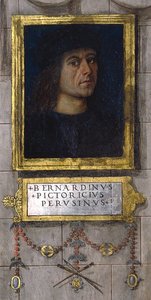
Πιντουρικόκιου
1454 - 1513 , Ιταλία
Γρήγορα στοιχεία
- Artistic Movement Or Style: Ρενάσαンス
- Artists Who Influenced This Artist:
- Περουγίνιο
- Μπονφίλι
- Φιεροντζό δι Λορέντζο
- Date Of Birth: 1454 Perugia Italy
- Date Of Death: 1513 Siena Italy
- Full Name: Bernardino di Betto
- Nationality: Ιταλία
- Notable Artworks:
- Σιστίνο Βιβλιοθήκη
- Βοργία Αποστολική Κελλή
- Πικολιμόνι Βιβλιοθήκη
- Place Of Birth: Perugia Italy
Σχετικά άρθρα

The Enduring Legacy of Fresco: Technique, History & Artistic Expression Across Cultures
Explore the rich history & enduring legacy of fresco painting! Discover ancient techniques, Giotto's masterpieces, and modern applications. Expert insights for art lovers & professionals.

Η Διαχρονική Γοητεία των Τοιχογραφιών: Η Συναισθηματική Δύναμη μιας Προσαρμοσμένης Εσωτερικής Φρέσκας
Ανακαλύψτε τη διαχρονική γοητεία των τοιχογραφιών! Εξειδικευμένες πληροφορίες για την ιστορία, τις τεχνικές και τη συντήρησή τους. Δημιουργήστε έναν χώρο με αξία και χαρακτήρα.
The Enduring Legacy of Fresco Painting: Techniques, History & Contemporary Relevance
Explore the rich history & enduring artistry of fresco painting – from Giotto to Michelangelo! Discover techniques, conservation efforts, & modern applications. Learn how OriginalUniqueArt brings this timeless art form to your home.
Το Φρέσκο ως Κληρονομιά της Οικογένειας: Ζωγραφίζοντας την Ιστορία σας στους Τοίχους
Ανακαλύψτε την τέχνη της φρέσκο! Ιστορία, τεχνικές & συμβουλές από ειδικούς. Δημιουργήστε μια διαχρονική κληρονομιά στους τοίχους σας με .

The Enduring Legacy of Fresco: Technique, History & Artistic Expression
Explore the rich history & enduring artistry of fresco painting. Discover techniques from Giotto to Michelangelo, conservation efforts, & modern applications. Learn how OriginalUniqueArt brings this timeless art form to your home.