

 Προεπισκόπηση
 Αποστολή
 Κοινοποίηση
 Λεπτομέρειες
 Οδηγός

 Λήψη
Λήψη
 Παρόμοια αντικείμενα συλλογής
 Ακτινογραφία
 Παρουσίαση
 Στατιστικά
Galatea (?)
 1509
1509 63.0 x 100.0 cm
 Περισσότερα λεπτομέρεια
Αγοράστε μια ψηφιακή εικόνα υψηλής ανάλυσης και βελτιωμένης ποιότητας, πολύ ανώτερης από την προεπισκόπηση στο διαδίκτυο.
Κάθε αρχείο προετοιμάζεται σχολαστικά από τους εξειδικευμένους συνεργάτες μας, με τη χρήση προηγμένων εργαλείων και χειροκίνητου ρετουσαρίσματος υψηλής ακρίβειας. Εξασφαλίζουμε ότι κάθε εικόνα προσφέρει εξαιρετική ευκρίνεια, απόλυτη πιστότητα στο χρώμα και λεπτομερή ανάδραση των λεπτομερειών.
Το τελικό αρχείο παραδίδεται μέσω email εντός 72 ωρών, βελτιστοποιημένο για άμεση χρήση σε επαγγελματικά, εκδοτικά και έντυπα περιβάλλοντα. Πρόκειται για την ίδια ποιότητα που εμπιστεύονται κορυφαία studios σχεδιασμού, εκδότες και γκαλερί.
Ψηφιακή εικόνα
Κατεβάστε ένα αρχείο υψηλής ανάλυσης για προσωπική χρήση, εκτύπωση και δημιουργικά έργα. ( Μετάβαση σε Εκτυπώσεις Αγορά χειροποίητου πίνακα)
Περιλαμβάνεται σε κάθε αγορά ψηφιακής εικόνας
Επαγγελματική Ψηφιακή Παράδοση με Εγγύηση
Όταν επιλέγετε το OriginalUniqueArt.com, δεν αποκτάτε απλώς μια εικόνα – λαμβάνετε ένα επαγγελματικά αναβαθμισμένο ψηφιακό έργο τέχνης, δημιουργημένο με ακρίβεια και με εγγύηση ικανοποίησης. Δείτε όλα όσα περιλαμβάνονται στην παραγγελία σας, αυτόματα:

Άμεση αποστολή μέσω email
Το ψηφιακό σας αρχείο εικόνας υψηλής ανάλυσης θα σας σταλεί μέσω email εντός 72 ωρών από την παραγγελία σας — έτοιμο για άμεση χρήση.

Ψηφιακό Αρχείο με Τεχνητή Νοημοσύνη
Το έργο σας βελτιστοποιείται επαγγελματικά με τη χρήση προηγμένων εργαλείων Τεχνητής Νοημοσύνης και χειροκίνητης επεξεργασίας, εξασφαλίζοντας μέγιστη λεπτομέρεια, ευκρίνεια και ακρίβεια χρωμάτων.

Δωρεάν επανεκδόσεις مدى ζωής
Απώλησες ή διαγράψατε κατά λάθος το αρχείο σας; Μην ανησυχείτε — θα σας το ξαναστείλομε οποιαδήποτε στιγμή, δωρεάν.

Χωρίς Τελωνειακούς Φόρους - Ποτέ
Απολαύστε αμέσως τα έργα τέχνης σας χωρίς δασμούς, φόρους ή έξοδα αποστολής - οι ψηφιακές λήψεις είναι πάντα αφορεশিপτεία.

Εγγύηση Ακριβούς Χρωματισμού
Εξασφαλίζουμε ότι η ψηφιακή σας εικόνα αποτυπώνει τα αυθεντικά χρώματα όσο το δυνατόν πιστότερα, χρησιμοποιώντας επαγγελματικά εργαλεία και διαχείριση χρωμάτων.

Εγγύηση Ικανοποίησης 100 Ημερών
Εάν δεν είστε ικανοποιημένοι με την ψηφιακή σας εικόνα, θα την τροποποιήσουμε ή θα σας επιστρέψουμε το 100% εντός 100 ημερών - χωρίς κανένα ερώτημα.

100% Εγγύηση Επιστροφής Χρήματος
Δεν είστε ικανοποιημένοι; Λάβετε πλήρη επιστροφή των χρημάτων σας εντός 100 ημερών από τη λήψη του ψηφιακού σας αρχείου — χωρίς κανένα ερώτημα.

Εκπτώσεις σε μαζικές παραγγελίες
Αγοράστε 3 εικόνες, κάντε εξοικονόμηση 10% - Αγοράστε 5, κάντε εξοικονόμηση 15% - Αγοράστε 10+, κάντε εξοικονόμηση 20%. Ιδανικό για δημιουργικά έργα, γκαλερί και agencies.
Ερωτήσεις & Απαντήσεις
Μπορώ να εξετάσω το "Galatea (?)" με περισσότερες λεπτομέρειες;
Η προβολή X-Ray του έργου "Galatea (?)" του Πιντουρικόκιου βρίσκεται στη σελίδα Ακτινογραφία του έργου: μια διαδραστική εξέταση της εικόνας μέσα από έντεκα οπτικά επίπεδα.
Πού μπορώ να αγοράσω ένα εκτύπωμα του "Galatea (?)" του Πιντουρικόκιου;
Το έργο "Galatea (?)" είναι διαθέσιμο ως ένα εκτύπωμα fine art σε βαμβακερό καμβά ή σε αρχειοθετητικό χαρτί καμβά. Οι παραγγελίες πραγματοποιούνται στη σελίδα Καλλιτεχνικό Έντυπο, στο μέγεθος που επιλέξετε.
Πώς μπορώ να ανακαλύψω έργα τέχνης παρόμοια με το "Galatea (?)" του Πιντουρικόκιου;
Έργα παρόμοια με το "Galatea (?)" του Πιντουρικόκιου συγκεντρώνονται στη σελίδα Παρόμοια έργα του έργου.
Βιογραφικό Καλλιτέχνη
Bernardino di Betto, Known as Pinturicchio
Bernardino di Betto, known to the world as Pinturicchio – a nickname affectionately bestowed upon him for his diminutive stature – emerged from the artistic heartland of Perugia in 1454. His life unfolded during a period of immense cultural ferment, the High Renaissance blossoming across Italy, yet Pinturicchio carved out a unique path, one that blended the lingering elegance of Gothic traditions with the burgeoning innovations of the era. While giants like Leonardo da Vinci and Michelangelo strove for anatomical perfection and dramatic realism, Pinturicchio cultivated a style characterized by refined grace, intricate detail, and a vibrant, decorative sensibility. His journey wasn’t one of revolutionary upheaval, but rather of exquisite refinement – a testament to his skill in transforming established forms into something uniquely captivating.- Early Years: Pinturicchio’s birth date is recorded as 1454 in Perugia, Italy. Little is known about his family background or formative years beyond the fact that he trained under lesser-known Perugian masters like Bonfigli and Fiorenzo di Lorenzo. These early influences undoubtedly instilled a foundational appreciation for Gothic aesthetics and craftsmanship.
- Perugino’s Influence: Pinturicchio’s artistic development was profoundly shaped by his association with Pietro Perugino, a leading figure of the Umbrian school. Giorgio Vasari recounts that Pinturicchio served as an assistant to Perugino, fostering a collaborative environment where stylistic considerations were paramount.
- The Sistine Chapel Commission: A pivotal moment arrived when Pinturicchio secured a commission for the Sistine Chapel in Rome during the early 16th century. Collaborating with Botticelli, Ghirlandaio, and Signorelli—artists who epitomized the High Renaissance ideals—Pinturicchio contributed to this monumental project, albeit tragically witnessing the destruction of his frescoes to accommodate Michelangelo’s *Last Judgement*.
Rome and the Borgia Apartments
The years between 1484 and 1492 witnessed Pinturicchio’s artistic zenith in Rome. He received commissions from influential families like the Della Rovere, adorning chapels within Santa Maria del Popolo with his distinctive style—characterized by luminous colors and meticulous attention to decorative motifs. However, it was his involvement in decorating Pope Alexander VI – Rodrigo Borgia – that cemented Pinturicchio’s legacy as a master of Renaissance grandeur. Commissioned to embellish the Borgia Apartments within the Vatican Palace between 1492 and 1494, Pinturicchio created a suite of rooms imbued with mythological narratives, portraits, and allegorical representations—a bold statement reflecting the papal court's ambition and patronage.- Technique and Ornamentation: Pinturicchio’s frescoes in the Borgia Apartments exemplify his mastery of fresco technique, utilizing gold leaf and illusionistic perspectives to generate an atmosphere of opulent splendor. The meticulous detailing and vibrant hues underscore his commitment to artistic excellence.
- Classical Inspiration: Pinturicchio skillfully blended classical motifs with his own stylistic sensibilities—drawing inspiration from Perugino and the Umbrian School—resulting in a harmonious fusion that distinguishes his oeuvre from contemporaries pursuing more dramatic realism.
The Piccolomini Library Legacy
Shortly before his death in 1513, Pinturicchio completed frescoes within Siena’s Piccolomini Library—a testament to his enduring talent and artistic vision. These paintings depict scenes from the life of Pope Pius II with remarkable clarity and color—anticipating the stylistic advancements of the High Renaissance.- Enduring Influence: Pinturicchio’s art continues to resonate with audiences today, offering a glimpse into a world where refined elegance and meticulous craftsmanship prevailed. His unique style—a harmonious blend of Gothic grace and Renaissance innovation—influenced subsequent generations of artists who appreciated subtlety and detail.
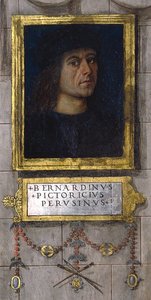
Πιντουρικόκιου
1454 - 1513 , Ιταλία
Συνοπτικά στοιχεία
- Artistic Movement Or Style: Ρενάσαンス
- Artists Who Influenced This Artist:
- Περουγίνιο
- Μπονφίλι
- Φιεροντζό δι Λορέντζο
- Date Of Birth: 1454 Perugia Italy
- Date Of Death: 1513 Siena Italy
- Full Name: Bernardino di Betto
- Nationality: Ιταλία
- Notable Artworks:
- Σιστίνο Βιβλιοθήκη
- Βοργία Αποστολική Κελλή
- Πικολιμόνι Βιβλιοθήκη
- Place Of Birth: Perugia Italy