

 Προεπισκόπηση
 Αποστολή
 Κοινοποίηση
 Λεπτομέρειες
 Οδηγός

 Λήψη
Λήψη
 Παρόμοια αντικείμενα συλλογής
 Ακτινογραφία
 Παρουσίαση
 Στατιστικά
Deux Children Sitting,


 Περισσότερα λεπτομέρεια
Χειροποίητη Αναπαραγωγή σε Έλαιο
Χειροποίητη ελαιογραφία σε καμβά στο δικό σας μέγεθος και πλαίσιο, κατά παραγγελία από τους καλλιτέχνες μας. ( Μετάβαση σε Εκτυπώσεις Μετάβαση σε Ψηφιακή Εικόνα)




P118B €10

P118H €10

P118W €10

P438Z €10

P508JH €12

P508YH €12

P805H €10

P805Z €10

P919BZ €10

P919G €10

P919XJ €10

P959ZH €10

P968JZ €12

W106C €8

W218G €10

W218JH €8

W218Y €10

W307PJ €10

W316G €10

W316PJ €8

W316Y €10

W398PJ €8

W4111J €10

W500HY €15

W500JH €15

W692G €12

W849H €8

W940BG €15

W953PJ €8




Επιλέξτε από τις προκαθορισμένες διαστάσεις μας που διατηρούν τις αρχικές αναλογίες του έργου τέχνης.

Πληκτρολογήστε το πλάτος και το ύψος που επιθυμείτε, ώστε να ταιριάζουν στο κάδሮ ή στον τοίχο σας. Ε เนื่องจาก πρόκειται για χειροποίητη ζωγραφική, σε περίπτωση διαστάσεων με διαφορετικό σχήμα, ο καλλιτέχνης μπορεί να ζωγραφίσει λίγο παραπάνω γύρω από το έργο ή να αφαιρέσει ένα μέρος — η επιλογή είναι δική σας. Σας στέλνουμε ένα ψηφιακό mockup για έγκριση πριν ξεκινήσει η δημιουργία του έργου. Η εικόνα που εμφανίζεται σε αυτή τη σελίδα δεν δείχνει το τελικό αποτέλεσμα — μόνο το mockup το αναδεικνύει.
Μετά την παραγγελία, η ομάδα του OriginalUniqueArt.com θα στείλει email στον πελάτη με οδηγίες και θα παρέχει μια προεπισκόπηση προσχεδίου
Παγκόσμια Αποστολή () σε 3-4 εβδομάδες αντί για τις συνήθεις 5 εβδομάδες. (23 Οκτώβριος). Χωρίς συμβιβασμούς στην ποιότητα.

Δωρεάν γρήγορη διεθνής αποστολή

Κάμβας από Λινό Υψηλής Ποιότητας

Πλήρης ασφάλιση μεταφοράς

Εγγύηση επιστροφής δασμών και φόρων εισαγωγής

Εγγύηση Απόλυτης Ομοιότητας Χρωμάτων

Πολιτική Επιστροφής 100 Ημερών (Μόνο σε περίπτωση ελαττωμάτων)

Εγγύηση επιστροφής 100% των χρημάτων

Έκπτωση για πολλαπλές παραγγελίες
 Η επιλογή με γυαλί είναι διαθέσιμη μόνο για μεγέθη κάτω από 110 εκ.

Deux Children Sitting,
Τεχνική Αναπαραγωγής
Διαστάσεις Αναπαραγωγής
-


Συνολικό Κόστος
€ 264
The Enigmatic Grace of Pinturicchio: A Renaissance Master
Bernardino di Betto, universally known as Pinturicchio – a nickname affectionately bestowed upon him for his diminutive stature – stands as a captivating figure within the vibrant tapestry of 15th-century Italian art. Born in Perugia in 1454, Pinturicchio’s life unfolded during a period of profound artistic transformation, the High Renaissance blossoming across Italy while he carved out a unique and enduring legacy. Unlike the monumental ambition of giants like Leonardo da Vinci or the dramatic realism of Michelangelo, Pinturicchio cultivated a style defined by refined grace, intricate detail, and a luminous, decorative sensibility – a testament to his exceptional skill in transforming established forms into something uniquely captivating.
His early training remains somewhat shrouded in mystery, likely nurtured within the workshops of lesser-known Perugian painters. However, it’s clear that Pinturicchio absorbed the essence of the Umbrian School of Painting, inheriting its characteristic elegance and a deep appreciation for color. This foundation would later inform his work across various commissions, from the opulent Borgia Apartments in Rome to the serene beauty of the Piccolomini Library in Siena. His career wasn’t one of revolutionary upheaval, but rather a meticulous refinement – a testament to his mastery of technique and his ability to imbue even seemingly simple subjects with profound emotional resonance.
“Deux Children Sitting”: A Study in Innocence and Connection
"Deux Children Sitting" is a captivating depiction of two young children nestled together on the ground, their hands clasped in a gesture of quiet contemplation. Painted in 1513 by Pinturicchio, this work transcends mere representation; it’s an exploration of innocence, vulnerability, and the profound connection between human beings. The scene unfolds with remarkable intimacy – the children are positioned close to one another, bathed in soft light that suggests a timeless serenity. Their nakedness is not presented as provocative but rather as a symbol of purity and unburdened joy, highlighting their inherent beauty and innocence.
The composition itself is remarkably balanced, with the figures occupying the central space and creating a sense of harmonious unity. The surrounding details – the scattered smaller figures, the suggestion of a landscape beyond – contribute to a feeling of quiet contemplation and invite the viewer to share in the children’s peaceful moment. Pinturicchio's masterful use of color—muted earth tones punctuated by subtle highlights—further enhances the work’s sense of tranquility and understated beauty.
A Master at Work: Technique and Context
Pinturicchio was renowned for his meticulous technique, a hallmark of his style. He employed tempera on panel, a medium that allowed him to achieve remarkable detail and luminosity. His brushwork is incredibly delicate, with subtle gradations of color creating a sense of depth and texture. The artist’s attention to anatomical accuracy is evident in the children's forms, yet he avoids the rigid formality often associated with Renaissance portraiture, instead favoring a more fluid and expressive approach.
Furthermore, understanding Pinturicchio requires acknowledging his historical context. He worked during a period of immense artistic innovation, influenced by Perugino, Luca Signorelli, and other masters of the Umbrian School. Yet, he maintained a distinct voice, prioritizing grace and decorative elegance over dramatic grandeur. His work reflects the humanist ideals of the Renaissance, celebrating human beauty and fostering a sense of connection between individuals and the natural world.
Rediscovering Pinturicchio: Reproductions for Today
Today, “Deux Children Sitting” is available as a stunning hand-painted reproduction by OriginalUniqueArt.com, offering art lovers the opportunity to bring this timeless masterpiece into their homes or offices. The meticulous attention to detail and vibrant colors of the original are faithfully reproduced using traditional techniques, ensuring that every piece captures the essence of Pinturicchio’s artistic vision. Whether you're an admirer of Renaissance art, a collector seeking unique pieces, or simply someone who appreciates beauty and tranquility, this reproduction offers a captivating glimpse into the world of one of Italy’s most enigmatic masters.
Ερωτήσεις & Απαντήσεις
Το έργο "Deux Children Sitting," του Πιντουρικόκιου ανήκει στο δημόσιο περιουσιακό αγαθό (public domain) και γιατί;
Η κατάσταση των πνευματικών δικαιωμάτων για το "Deux Children Sitting," - δημόσιο κτήμα - τα δικαιώματα αυτορության έχουν λήξει - προκύπτει από τον θάνατο του καλλιτέχνη το έτος 1513.
Ποιο μέγεθος εκτύπωσης πρέπει να επιλέξω για το "Deux Children Sitting," ώστε να ταιριάζει στο δωμάτιό μου;
Σε έναν χώρο τύπου Living Room, προτείνεται η εκτύπωση του έργου "Deux Children Sitting," σε μέγεθος Medium.
Ποια φωτεινότητα διαθέτει το "Deux Children Sitting," του Πιντουρικόκιου;
Το έργο "Deux Children Sitting," του Πιντουρικόκιου έχει φωτεινότητα Gentle Luminance. Η φωτεινότητα περιγράφει το πόσο φως φαίνεται να αντανακλούν τα χρώματα.
Βιογραφικό Καλλιτέχνη
Bernardino di Betto, Known as Pinturicchio
Bernardino di Betto, known to the world as Pinturicchio – a nickname affectionately bestowed upon him for his diminutive stature – emerged from the artistic heartland of Perugia in 1454. His life unfolded during a period of immense cultural ferment, the High Renaissance blossoming across Italy, yet Pinturicchio carved out a unique path, one that blended the lingering elegance of Gothic traditions with the burgeoning innovations of the era. While giants like Leonardo da Vinci and Michelangelo strove for anatomical perfection and dramatic realism, Pinturicchio cultivated a style characterized by refined grace, intricate detail, and a vibrant, decorative sensibility. His journey wasn’t one of revolutionary upheaval, but rather of exquisite refinement – a testament to his skill in transforming established forms into something uniquely captivating.- Early Years: Pinturicchio’s birth date is recorded as 1454 in Perugia, Italy. Little is known about his family background or formative years beyond the fact that he trained under lesser-known Perugian masters like Bonfigli and Fiorenzo di Lorenzo. These early influences undoubtedly instilled a foundational appreciation for Gothic aesthetics and craftsmanship.
- Perugino’s Influence: Pinturicchio’s artistic development was profoundly shaped by his association with Pietro Perugino, a leading figure of the Umbrian school. Giorgio Vasari recounts that Pinturicchio served as an assistant to Perugino, fostering a collaborative environment where stylistic considerations were paramount.
- The Sistine Chapel Commission: A pivotal moment arrived when Pinturicchio secured a commission for the Sistine Chapel in Rome during the early 16th century. Collaborating with Botticelli, Ghirlandaio, and Signorelli—artists who epitomized the High Renaissance ideals—Pinturicchio contributed to this monumental project, albeit tragically witnessing the destruction of his frescoes to accommodate Michelangelo’s *Last Judgement*.
Rome and the Borgia Apartments
The years between 1484 and 1492 witnessed Pinturicchio’s artistic zenith in Rome. He received commissions from influential families like the Della Rovere, adorning chapels within Santa Maria del Popolo with his distinctive style—characterized by luminous colors and meticulous attention to decorative motifs. However, it was his involvement in decorating Pope Alexander VI – Rodrigo Borgia – that cemented Pinturicchio’s legacy as a master of Renaissance grandeur. Commissioned to embellish the Borgia Apartments within the Vatican Palace between 1492 and 1494, Pinturicchio created a suite of rooms imbued with mythological narratives, portraits, and allegorical representations—a bold statement reflecting the papal court's ambition and patronage.- Technique and Ornamentation: Pinturicchio’s frescoes in the Borgia Apartments exemplify his mastery of fresco technique, utilizing gold leaf and illusionistic perspectives to generate an atmosphere of opulent splendor. The meticulous detailing and vibrant hues underscore his commitment to artistic excellence.
- Classical Inspiration: Pinturicchio skillfully blended classical motifs with his own stylistic sensibilities—drawing inspiration from Perugino and the Umbrian School—resulting in a harmonious fusion that distinguishes his oeuvre from contemporaries pursuing more dramatic realism.
The Piccolomini Library Legacy
Shortly before his death in 1513, Pinturicchio completed frescoes within Siena’s Piccolomini Library—a testament to his enduring talent and artistic vision. These paintings depict scenes from the life of Pope Pius II with remarkable clarity and color—anticipating the stylistic advancements of the High Renaissance.- Enduring Influence: Pinturicchio’s art continues to resonate with audiences today, offering a glimpse into a world where refined elegance and meticulous craftsmanship prevailed. His unique style—a harmonious blend of Gothic grace and Renaissance innovation—influenced subsequent generations of artists who appreciated subtlety and detail.
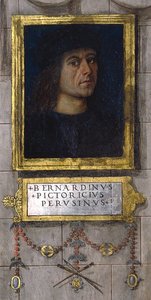
Πιντουρικόκιου
1454 - 1513 , Ιταλία
Στοιχεία καλλιτέχνη
- Artistic Movement Or Style: Ρενάσαンス
- Artists Who Influenced This Artist:
- Περουγίνιο
- Μπονφίλι
- Φιεροντζό δι Λορέντζο
- Date Of Birth: 1454 Perugia Italy
- Date Of Death: 1513 Siena Italy
- Full Name: Bernardino di Betto
- Nationality: Ιταλία
- Notable Artworks:
- Σιστίνο Βιβλιοθήκη
- Βοργία Αποστολική Κελλή
- Πικολιμόνι Βιβλιοθήκη
- Place Of Birth: Perugia Italy
Σχετικά άρθρα
Το Φρέσκο ως Κληρονομιά της Οικογένειας: Ζωγραφίζοντας την Ιστορία σας στους Τοίχους
Ανακαλύψτε την τέχνη της φρέσκο! Ιστορία, τεχνικές & συμβουλές από ειδικούς. Δημιουργήστε μια διαχρονική κληρονομιά στους τοίχους σας με .

The Enduring Legacy of Fresco: Technique, History & Artistic Expression Across Cultures
Explore the rich history & enduring legacy of fresco painting! Discover ancient techniques, Giotto's masterpieces, and modern applications. Expert insights for art lovers & professionals.
The Enduring Legacy of Fresco Painting: Techniques, History & Contemporary Relevance
Explore the rich history & enduring artistry of fresco painting – from Giotto to Michelangelo! Discover techniques, conservation efforts, & modern applications. Learn how OriginalUniqueArt brings this timeless art form to your home.

The Enduring Legacy of Fresco: Technique, History & Artistic Expression
Explore the rich history & enduring artistry of fresco painting. Discover techniques from Giotto to Michelangelo, conservation efforts, & modern applications. Learn how OriginalUniqueArt brings this timeless art form to your home.
Η Διαχρονική Γοητεία των Τοιχογραφιών: Η Συναισθηματική Δύναμη μιας Προσαρμοσμένης Εσωτερικής Φρέσκας
Ανακαλύψτε τη διαχρονική γοητεία των τοιχογραφιών! Εξειδικευμένες πληροφορίες για την ιστορία, τις τεχνικές και τη συντήρησή τους. Δημιουργήστε έναν χώρο με αξία και χαρακτήρα.