
 Προεπισκόπηση
 Αποστολή
 Κοινοποίηση
 Λεπτομέρειες
 Οδηγός

 Λήψη
Λήψη
 Παρόμοια αντικείμενα συλλογής
 Ακτινογραφία
 Παρουσίαση
 Στατιστικά
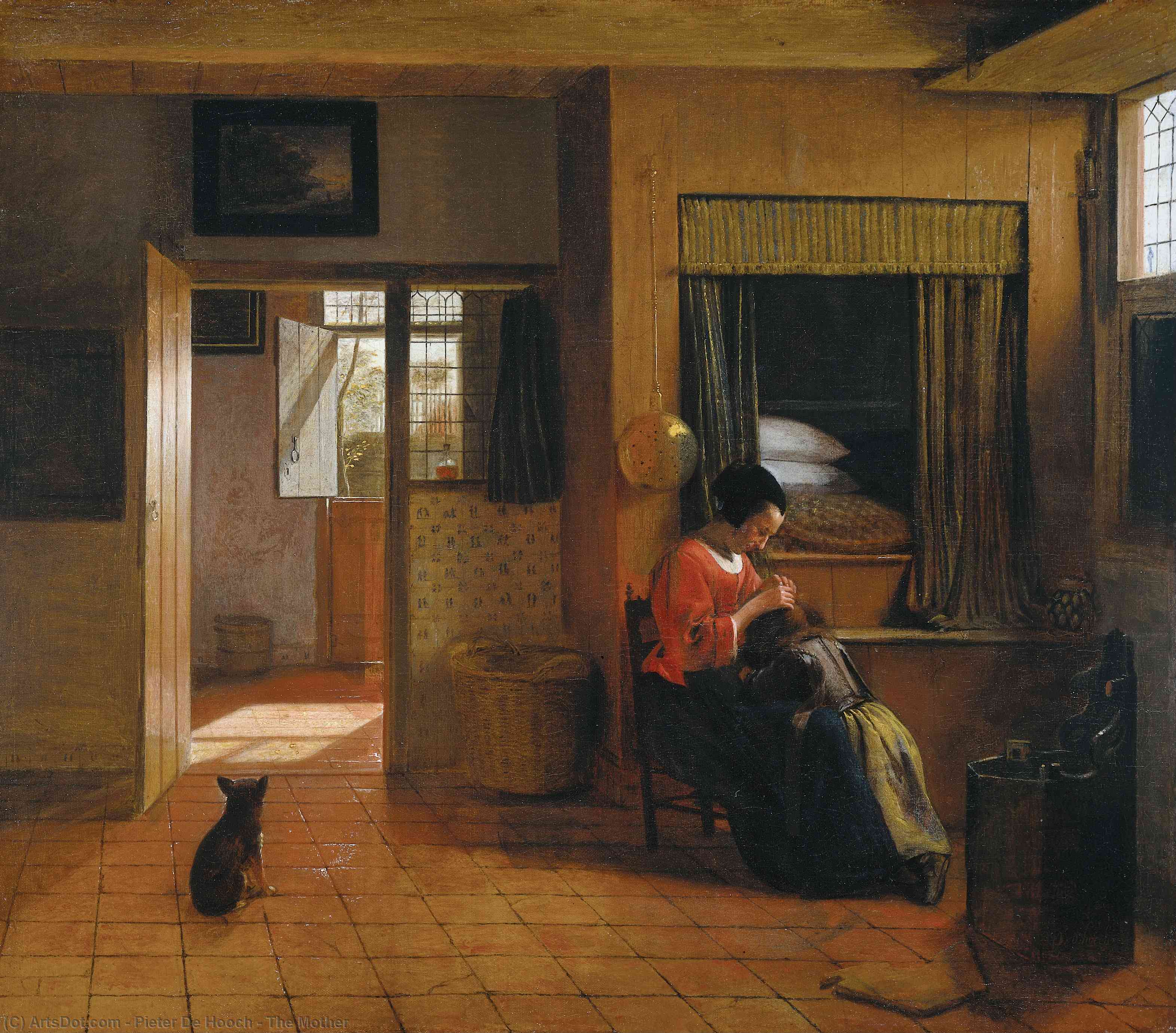
The Mother
 Oil On Canvas
- WallArt
- Dutch Golden Age
 1660
1660- Early Modern
 52.0 x 61.0 cm
 Ρijksmuseum
 Περισσότερα λεπτομέρεια
Χειροποίητη Αναπαραγωγή σε Έλαιο
Χειροποίητη ελαιογραφία σε καμβά στο δικό σας μέγεθος και πλαίσιο, κατά παραγγελία από τους καλλιτέχνες μας. ( Μετάβαση σε Εκτυπώσεις Μετάβαση σε Ψηφιακή Εικόνα)




P118B $10

P118H $10

P118W $10

P438Z $10

P508JH $12

P508YH $12

P805H $10

P805Z $10

P919BZ $10

P919G $10

P919XJ $10

P959ZH $10

P968JZ $12

W106C $8

W218G $10

W218JH $8

W218Y $10

W307PJ $10

W316G $10

W316PJ $8

W316Y $10

W398PJ $8

W4111J $10

W500HY $15

W500JH $15

W692G $12

W849H $8

W940BG $15

W953PJ $8




Επιλέξτε από τις προκαθορισμένες διαστάσεις μας που διατηρούν τις αρχικές αναλογίες του έργου τέχνης.

Μπορείτε να ορίσετε δικές σας διαστάσεις ώστε το έργο να ταιριάζει σε ένα συγκεκριμένο πλαίσιο ή χώρο. Εάν το επιλεγμένο μέγεθος δεν συμπίπτει με τις αναλογίες της αρχικής εικόνας, θα περικοψούμε το έργο ή θα επεκτείνουμε τη ζωγραφιά με πρόσθετα χειρόγραφα στοιχεία. Ένα ψηφιακό προσχέδιο θα σας αποσταλεί για έγκριση πριν την έναρξη της παραγωγής.
Παρακαλούμε σημειώστε ότι η προεπισκόπηση στην οθόνη δεν αντικατοπτρίζει την πραγματική περικοπή ή επέκταση. Μόνο το προσχέδιο θα δείξει με ακρίβεια την τελική σύνθεση.
Παρόλο που είναι διαθέσιμα προσαρμοσμένα μεγέθη, συνιστούμε να επιλέξετε μια διάσταση από τη λίστα των προκαθορισμένων μεγεθών για τη διατήρηση των αρχικών αναλογιών.
Μετά την παραγγελία, η ομάδα του OriginalUniqueArt.com θα στείλει email στον πελάτη με οδηγίες και θα παρέχει μια προεπισκόπηση προσχεδίου
Παγκόσμια Αποστολή () σε 3-4 εβδομάδες αντί για τις συνήθεις 5 εβδομάδες. (25 Σεπτέμβριος). Χωρίς συμβιβασμούς στην ποιότητα.

Δωρεάν γρήγορη διεθνής αποστολή

Κάμβας από Λινό Υψηλής Ποιότητας

Πλήρης ασφάλιση μεταφοράς

Εγγύηση επιστροφής δασμών και φόρων εισαγωγής

Εγγύηση Απόλυτης Ομοιότητας Χρωμάτων

Πολιτική Επιστροφής 100 Ημερών (Μόνο σε περίπτωση ελαττωμάτων)

Εγγύηση επιστροφής 100% των χρημάτων

Έκπτωση για πολλαπλές παραγγελίες
 Η επιλογή με γυαλί είναι διαθέσιμη μόνο για μεγέθη κάτω από 110 εκ.

The Mother
Τεχνική Αναπαραγωγής
Διαστάσεις Αναπαραγωγής
-


Συνολικό Κόστος
$ 300
A Window Into Domestic Tranquility
Pieter de Hooch's “The Mother” (circa 1660) stands as a quintessential emblem of Dutch Golden Age artistry—a serene tableau that transcends mere representation to embody the very values and sensibilities of its era. Captured on canvas with meticulous detail, this painting transports viewers into a softly lit bedroom interior where a woman diligently attends to her child’s care. More than just a portrait, it is an exploration of motherhood, quiet contemplation, and the subtle beauty found within everyday domestic life. The scene unfolds as a tender moment of intimacy, inviting the observer to step into a world where time seems to slow, and the frantic pace of the outside world is replaced by the rhythmic, peaceful motions of household devotion.
The composition is masterfully orchestrated to guide the eye through a narrative of light and shadow. De Hooch employs a pyramidal structure, a classical technique that provides stability to the scene while directing our gaze upward toward the window. This window serves as the painting's soul, acting as a crucial element in establishing a luminous, ethereal quality. Through its frame, natural light pours into the room, illuminating the textures of the space—from the delicate thread held by the mother to the smooth surfaces of the furniture. The artist’s use of chiaroscuro—the dramatic interplay between light and dark—sculpts the forms within the room, imbuing the simple act of sewing or tending to a child with an almost sacred emotional resonance.
The Artistry of the Dutch Golden Age
To understand the brilliance of “The Mother,” one must look at the technical mastery De Hooch brought to the genre of kamergezichten, or room-views. His style is characterized by a profound attention to detail and a naturalism that makes the atmosphere feel palpable. The brushstrokes are delicately blended to create soft shadows and highlights, enhancing the sense of depth and conveying an impression of stillness. Every element in the room—the presence of a cat resting near the woman, the placement of books in the corner, and the subtle glint of light on a ceramic bowl—is rendered with a precision that celebrates the material reality of seventeenth-century Holland.
This technical prowess was not merely for show; it served to ground the painting in a recognizable, lived-in reality. For collectors and lovers of fine art, the painting offers a masterclass in how light can be used to define space and mood. The way the sunlight interacts with the interior elements creates a sense of warmth and comfort, making the artwork not just a piece to be viewed, but an environment to be experienced. It is this ability to transform the mundane into the magnificent that makes De Hooch’s work so enduringly captivating for modern interiors.
A Reflection of Social Virtue and Stability
Beyond its aesthetic beauty, “The Mother” serves as a historical mirror, reflecting the significant social transformations occurring in the Netherlands during the mid-seventeenth century. As the Dutch middle class burgeoned, so too did a new set of values centered on family life, moral virtue, and domestic stability. De Hooch’s depiction of a woman engaged in quiet, productive work within the sanctuary of her home aligns perfectly with these cultural aspirations. The inclusion of fine details, such as the Delft blue tiles adorning the walls, speaks to the pride in Dutch craftsmanship and the burgeoning prosperity of the era.
For the discerning decorator or art enthusiast, this piece offers more than just visual elegance; it provides a sense of historical continuity and emotional depth. The painting evokes a longing for the "quiet" moments—the sanctity of the home and the dignity of daily labor. Whether placed in a sunlit study or a quiet corner of a living room, a high-quality reproduction of “The Mother” brings with it an aura of peace and a sophisticated connection to the rich heritage of the Dutch masters. It is an invitation to find beauty in the ordinary and to cherish the tranquil rhythms of life.
Βιογραφικό Καλλιτέχνη
πρώιμη ζωή και εκπαίδευση
Πίτερ Ντε Χούχ, μια κορυφαία μορφή της Ολλανδικής Χρυσής Εποχής, γεννήθηκε στις 20 Δεκεμβρίου 1629 στο Ρότερνταμ της Ολλανδίας. Ήταν το μεγαλύτερο από πέντε παιδιά του Χέντρικ Χεντριξ Ντε Χούχ, ενός μαρμάρου, και της Άννεγκε Πιτέρς, μιας μαίας. Παρόλο που λίγα πράγματα είναι γνωστά για την πρώιμη ζωή του, πιστεύεται ότι εργάστηκε στο Ρότερνταμ, το Δελφί και την Άμστερνταμ. Η καλλιτεχνική του εκπαίδευση πραγματοποιήθηκε στο Χάαρλεμ υπό την καθοδήγηση του ζωγράφου τοπίου Νικολάους Μπερχεμ, μαζί με τον Τζάκομπ Όχτερβελτ. Αυτή η περίοδος αποτέλεσε το θεμέλιο για την μετέπειτα επιτυχία του ως ζωγράφος ήρεμων οικιακών σκηνών με ανοιχτές πόρτες που προσφέρουν βάθος στο χώρο.καλλιτεχνικό στυλ και θέματα
Το έργο του Ντε Χούχ χαρακτηρίζεται από την προσοχή στη λεπτομέρεια, τον φυσικισμό και τη μαγευτική χρήση του φωτός. Οι πίνακές του συχνά αποτύπωναν την καθημερινή ζωή, ανακλάζοντας τις αξίες και τις φιλοδοξίες της αναδυόμενης μεσαίας τάξης. Ένα αξιοσημείωτο παράδειγμα αυτού του στυλ είναι το "αυλόφύτο ενός σπιτιού στο Δελφί" (1658), το οποίο αναδεικνύει την ικανότητά του να αιχμαλωτίζει τις κοινές λεπτομέρειες της καθημερινότητας. Το έργο του Ντε Χούχ μοιράζεται επίσης θέματα και συνθέσεις με τον Εμανουέλ ντε Βίττε, όμως η εστίασή του στους ανθρώπους και τις μεταξύ τους σχέσεις τον διαφοροποιεί. Αυτό γίνεται φανερό σε έργα όπως η "γυναίκα που θηλάζει" (1658) και η "γυναίκα με ένα μωρό στην αγκαλιά της" (1658), τα οποία επιδεικνύουν το ενδιαφέρον του για τις οικιακές σκηνές.σημαντικά έργα και κληρονομιά
Ορισμένα από τα πιο διακεκριμένα έργα του Ντε Χούχ περιλαμβάνουν:- "ο χαρούμενος μεθυσμένος" (περ. 1650)
- "παίκτες φύλλων σε ένα ηλιοφωτισμένο δωμάτιο" (1658)
- <π𝑎ραρτα]"μια γυναίκα που ετοιμάζει ψωμί και βούτυρο για ένα αγόρι" (1661)
μουσεία και συλλογές
Το έργο του Ντε Χούχ μπορεί να εντοπιστεί σε διάφορα μουσεία, συμπεριλαμβανομένου του Koninklijk Museum voor Schone Kunsten στο Άντβερπ του Βελγίου, το οποίο διαθέτει μια τεράστια συλλογή ευρωπαϊκής τέχνης από τον 15ο έως τον 20ο αιώνα. ανακαλύψτε περισσότερα για τον Πίτερ Ντε Χούχ και τα έργα του στο OriginalUniqueArt: [https://OriginalUniqueArt.com/@/pieter-de-hooch](https://OriginalUniqueArt.com/@/pieter-de-hooch) /el/art/show/art-d3b4kt-el/ (ανακαλύψτε τα αριστουργήματα του Koninklijk Museum voor Schone Kunsten, Βέλγιο)
Πιερ Ντε Χούχ
1629 - 1694 , Ελλάδα
Στοιχεία καλλιτέχνη
- Artistic Movement Or Style: Χρυσή Εποχή της Ολλανδικής Ζωγραφικής
- Artists Or Movements Influenced By This Artist: ['Γιάννης Βερμέερ']
- Artists Who Influenced This Artist:
- Νικολάς Μπερχέμ
- Ιακόβος Όχτερβελτ
- Date Of Birth: 20 Δεκεμβρίου 1629
- Date Of Death: Μετά το 1683
- Full Name: Pieter Hendricksz. de Hooch
- Nationality: Ολλανδός
- Notable Artworks:
- Το Κεντρικό Πηγάδι
- Γυναίκα που τροφοδοτεί ένα παιδί
- Ποτόνας
- Place Of Birth: Ρόδος
Σχετικά άρθρα

Illuminating Innovation: Exploring the Dutch Golden Age of Painting
Explore the Dutch Golden Age of painting with OriginalUniqueArt. Discover Rembrandt, Vermeer & other Masters. Learn about key characteristics, iconic artworks, and lasting influence. Expert insights for collectors & enthusiasts.
Pieter de Hooch: Illuminating Dutch Domestic Life & Golden Age Charm
Explore the captivating world of Pieter de Hooch, a master of Dutch Golden Age painting. Discover his innovative use of light, intimate domestic scenes, and lasting influence on art history. Learn more at OriginalUniqueArt.
Illuminating Realism: Exploring the Dutch Golden Age of Painting (1600-1700)
Explore the Dutch Golden Age of painting (1600-1700) with OriginalUniqueArt. Discover Rembrandt, Vermeer & other masters. Learn about techniques, history & find museum-quality reproductions.

Οι 10 Κορυφαίοι Δασκάλοι της Ολλανδικής Χρυσής Εποχής & τα Έργα τους | OriginalUniqueArt.gr
Ανακαλύψτε τα 10 αριστουργήματα της Ολλανδικής Χρυσής Εποχής! Rembrandt, Vermeer & άλλοι δάσκαλοι ζωντανεύουν. Ιστορία τέχνης, τεχνικές ζωγραφικής και έμπνευση για διακόσμηση σπιτιού. Explore the full collection on OriginalUniqueArt.com

Golden Age Reflections: Dutch Baroque Painting & Cultural Innovation
Explore the Dutch Golden Age of painting! Discover key artists like Vermeer & ter Borch, their innovative techniques, and the rich cultural context behind these Baroque masterpieces. Learn about collecting & appreciating this iconic art period.


