
 Δείτε σε πραγματικό χώρο
 Αποστολή
 Κοινοποίηση
 Λεπτομέρειες

 Λήψη
Λήψη
 Παρόμοια αντικείμενα συλλογής
 Ακτινογραφία
 Παρουσίαση
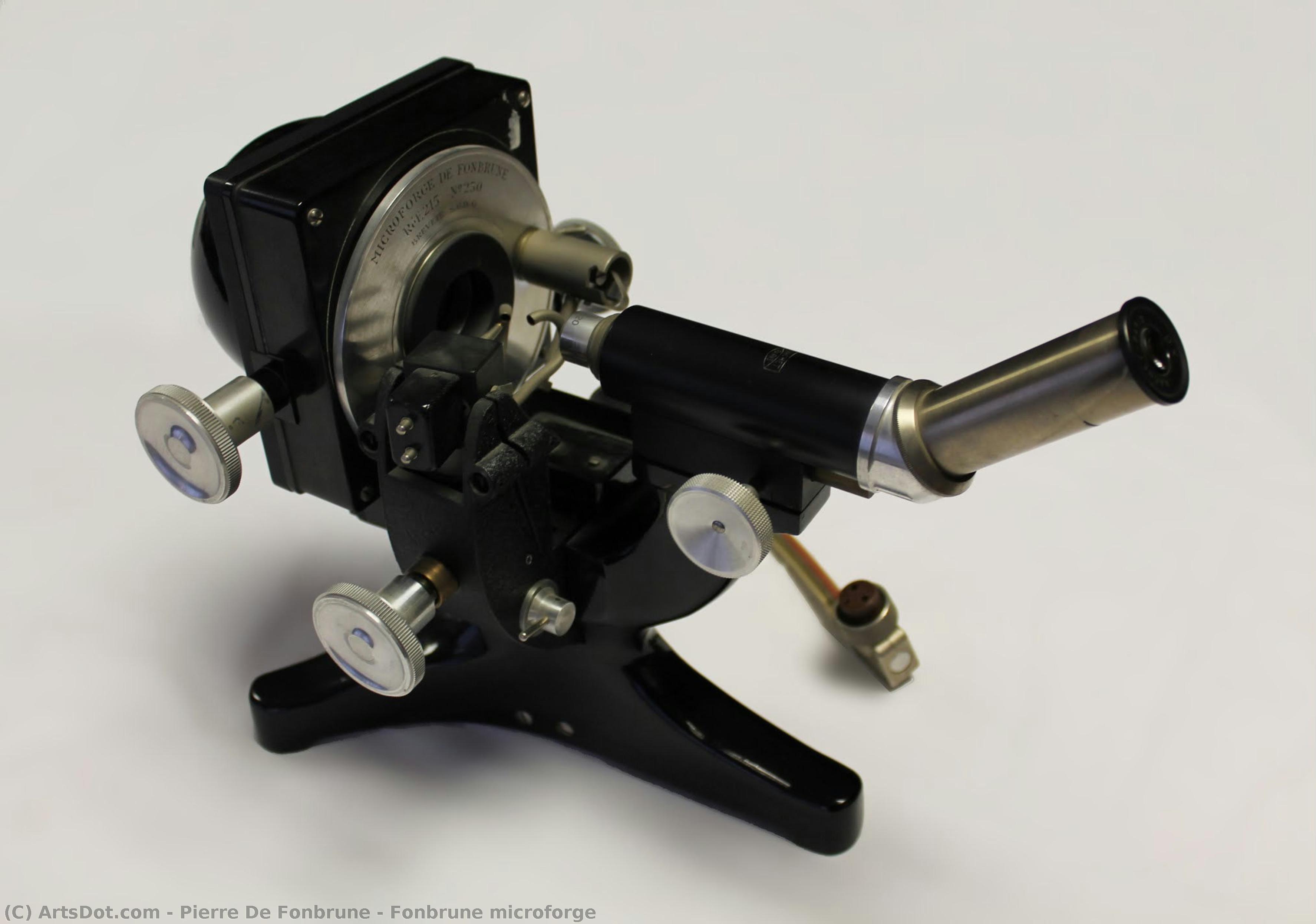
Fonbrune microforge

 Διαβάστε περισσότερα
Χειροποίητη Αναπαραγωγή σε Έλαιο
Χειροποίητη oil painting σε καμβά στο δικό σας μέγεθος και πλαίσιο, κατά παραγγελία από τους καλλιτέχνες μας. ( Αγορά εκτύπωσης Αγορά ψηφιακής εικόνας)




































Επιλέξτε από τις προκαθορισμένες διαστάσεις μας που διατηρούν τις αρχικές αναλογίες του έργου τέχνης.

Μπορείτε να ορίσετε δικές σας διαστάσεις ώστε το έργο να ταιριάζει σε ένα συγκεκριμένο πλαίσιο ή χώρο. Εάν το επιλεγμένο μέγεθος δεν συμπίπτει με τις αναλογίες της αρχικής εικόνας, θα περικοψούμε το έργο ή θα επεκτείνουμε τη ζωγραφιά με πρόσθετα χειρόγραφα στοιχεία. Ένα ψηφιακό προσχέδιο θα σας αποσταλεί για έγκριση πριν την έναρξη της παραγωγής.
Παρακαλούμε σημειώστε ότι η προεπισκόπηση στην οθόνη δεν αντικατοπτρίζει την πραγματική περικοπή ή επέκταση. Μόνο το προσχέδιο θα δείξει με ακρίβεια την τελική σύνθεση.
Παρόλο που είναι διαθέσιμα προσαρμοσμένα μεγέθη, συνιστούμε να επιλέξετε μια διάσταση από τη λίστα των προκαθορισμένων μεγεθών για τη διατήρηση των αρχικών αναλογιών.
Μετά την παραγγελία, η ομάδα του OriginalUniqueArt.com θα στείλει email στον πελάτη με οδηγίες και θα παρέχει μια προεπισκόπηση προσχεδίου
Παγκόσμια Αποστολή () σε 3-4 εβδομάδες αντί για τις συνήθεις 5 εβδομάδες. (16 Αύγουστος). Χωρίς συμβιβασμούς στην ποιότητα.

Δωρεάν γρήγορη διεθνής αποστολή

Κάμβας από Λινό Υψηλής Ποιότητας

Πλήρης ασφάλιση μεταφοράς

Εγγύηση Επιστροφής Δασμών και Φόρων

Εγγύηση Απόλυτης Ομοιότητας Χρωμάτων

Πολιτική Επιστροφής 60 Ημερών (Μόνο σε περίπτωση ελαττωμάτων)

Εγγύηση επιστροφής 100% των χρημάτων

Προσφορά για μαζικές παραγγελίες
 Η επιλογή με γυαλί είναι διαθέσιμη μόνο για μεγέθη κάτω από 110 εκ.

Fonbrune microforge
Μέσο Αναπαραγωγής
Διαστάσεις Αναπαραγωγής
-


Συνολική Τιμή
$ 300
Βιογραφία Καλλιτέχνη
A Pioneer of Microscopic Cinema: The Life and Work of Pierre de Fonbrune
Pierre de Fonbrune, born in Stigny, France, in 1901, occupies a unique position in the history of both scientific instrumentation and early cinema. Though perhaps not a household name, his inventive spirit and dedication to visualizing the unseen world left an indelible mark on fields ranging from ethology to botany. De Fonbrune wasn’t merely a cinematographer; he was a builder of tools, a facilitator of observation, driven by a desire to capture processes previously inaccessible to the human eye. His life, though relatively undocumented in broad biographical detail, is best understood through his groundbreaking inventions and their application to scientific research. He passed away in November 1963, leaving behind a legacy that continues to inspire those seeking innovative ways to explore the intricacies of nature.The Invention of Precision: Micromanipulators and Microforges
De Fonbrune’s most significant contribution lies in his development of the pneumatic micromanipulator and microforge – devices that revolutionized microscopic work. Prior to their creation, manipulating objects at a cellular level was an incredibly laborious and imprecise task. The micromanipulator allowed for extraordinarily fine control, enabling researchers to isolate and study individual cells with unprecedented accuracy. Complementing this was the microforge, which facilitated the creation of delicate tools necessary for these manipulations. These weren’t simply improvements on existing technology; they were entirely new approaches that opened up avenues of research previously considered impossible. The core principle behind his designs involved using air pressure to control movement, offering a level of sensitivity and responsiveness unmatched by mechanical alternatives. This ingenuity stemmed from a deep understanding of both engineering principles and the practical needs of scientists working at the forefront of their fields.Collaboration with Dr. Comandon and Ethological Breakthroughs
Around 1931, de Fonbrune began a pivotal collaboration with Dr. André Comandon at the Centre de Documentation in Boulogne-Billancourt. This partnership proved to be remarkably fruitful, focusing on the application of de Fonbrune’s microcinematographe – a specialized camera designed for high-speed microscopic filming – to ethological and botanical studies. Together, they pioneered techniques for recording the behavior of insects, particularly their mating rituals and developmental processes. The ability to capture these behaviors in detail allowed for a deeper understanding of animal communication, social structures, and evolutionary adaptations. These films weren’t just scientific records; they were captivating glimpses into a hidden world, revealing the complexity and beauty of life at a microscopic scale. Dr. Comandon's expertise in insect behavior combined seamlessly with de Fonbrune’s technological prowess, resulting in groundbreaking publications and establishing microcinematography as a vital tool for ethologists.Beyond Insects: Botanical Research and the Visualization of Growth
The applications of de Fonbrune’s inventions weren't limited to the animal kingdom. He and Dr. Comandon also turned their attention to botany, using microcinematography to document the growth and development of plants. They captured time-lapse sequences showing root formation, pollen germination, and other crucial stages in a plant’s life cycle. This work provided invaluable insights into plant physiology and morphology. The ability to visualize these processes in detail challenged existing botanical theories and opened up new areas of inquiry. The films produced during this period were not only scientifically significant but also aesthetically striking, showcasing the dynamic beauty of plant life.Historical Significance and a Lasting Legacy
Pierre de Fonbrune’s contributions often remain behind the scenes, embedded within the scientific advancements they enabled. He wasn't an artist seeking fame or recognition; he was an inventor driven by a passion for exploration and a desire to provide scientists with the tools they needed to unravel the mysteries of nature. His pneumatic micromanipulator and microforge became essential instruments in laboratories around the world, facilitating countless discoveries in cell biology, genetics, and other related fields.- His work laid the foundation for modern microscopy techniques.
- He demonstrated the power of combining technology with scientific observation.
- The microcinematographe offered a new way to visualize and understand complex biological processes.

pierre de fonbrune
1901 - 1963 , France
Γρήγορα στοιχεία
- Artistic Movement Or Style: Early Cinema Tech
- Date Of Birth: 1901
- Date Of Death: 1963
- Full Name: Pierre de Fonbrune
- Nationality: French
- Notable Artworks: ['Fonbrune microforge']
- Place Of Birth: Stigny, France

