

 Προεπισκόπηση
 Αποστολή
 Κοινοποίηση
 Λεπτομέρειες
 Οδηγός

 Λήψη
Λήψη
 Παρόμοια αντικείμενα συλλογής
 Ακτινογραφία
 Παρουσίαση
 Στατιστικά
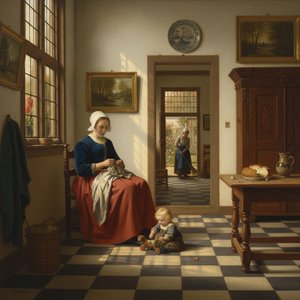
The Seamstress
 Acrylic On Canvas
- WallArt
- Dutch Golden Age
 1671
1671 26.0 x 20.0 cm
 Ερμιτάζ
 Περισσότερα λεπτομέρεια
Giclée / Εκτυπώσεις Τέχνης
Εκτύπωση giclée ή σε καμβά ποιότητας μουσείου με γρήγορη παραγωγή και ευέλικτες επιλογές φινιρίσματος. ( Αγορά χειροποίητου πίνακα Μετάβαση σε Ψηφιακή Εικόνα)




P118B €10

P118H €10

P118W €10

P438Z €10

P508JH €12

P508YH €12

P805H €10

P805Z €10

P919BZ €10

P919G €10

P919XJ €10

P959ZH €10

P968JZ €12

W106C €8

W218G €10

W218JH €8

W218Y €10

W307PJ €10

W316G €10

W316PJ €8

W316Y €10

W398PJ €8

W4111J €10

W500HY €15

W500JH €15

W692G €12

W849H €8

W940BG €15

W953PJ €8




Επιλέξτε από τις προκαθορισμένες διαστάσεις μας που διατηρούν τις αρχικές αναλογίες του έργου τέχνης.

Μπορείτε να εισαγάγετε δικές σας διαστάσεις ώστε να ταιριάξουν με ένα συγκεκριμένο πλαίσιο ή χώρο. Εάν το επιλεγμένο μέγεθος δεν συμπίπτει με τις αναλογίες της πρωτότυπης εικόνας, θα κόψουμε το έργο τέχνης ή θα επεκτείνουμε την εικόνα με καθρεφτισμένη ή μονόχρωμη ατέλεια. Θα σας αποσταλεί ένα ψηφιακό mockup για έγκρισή σας πριν από την έναρξη της παραγωγής.
Παρακαλούμε σημειώστε ότι η προεπισκόπηση στην οθόνη δεν αντικατοπτρίζει την πραγματική κοπή ή επέκταση. Μόνο το mockup θα δείξει με ακρίβεια την τελική σύνθεση.
Παρόλο που είναι διαθέσιμες προσαρμοσμένες διαστάσεις, προτείνουμε την επιλογή μιας διάστασης από τη προκαθορισμένη λίστα για τη διατήρηση των αρχικών αναλογιών.
Παγκόσμια Αποστολή () σε 2 εβδομάδες αντί για τις συνήθεις 4/5 εβδομάδες. (3 Οκτώβριος)

Δωρεάν γρήγορη διεθνής αποστολή

Κάμβας από Λινό Υψηλής Ποιότητας

Πλήρης ασφάλιση μεταφοράς

Εγγύηση επιστροφής δασμών και φόρων εισαγωγής

Εγγύηση Απόλυτης Ομοιότητας Χρωμάτων

Πολιτική Επιστροφής 100 Ημερών (Μόνο σε περίπτωση ελαττωμάτων)

Εγγύηση επιστροφής 100% των χρημάτων

Έκπτωση για πολλαπλές παραγγελίες
 Η επιλογή με γυαλί είναι διαθέσιμη μόνο για μεγέθη κάτω από 110 εκ.

The Seamstress
Giclée / Εκτυπώσεις Τέχνης
Διαστάσεις Αναπαραγωγής
-


Συνολικό Κόστος
€ 69
A Glimpse into Domesticity: Philips de Koninck’s “The Seamstress”
Philips de Koninck's "The Seamstress," painted in 1671, is more than just a portrait; it’s a carefully constructed tableau of Dutch life during the Golden Age. This intimate scene, measuring a modest 26 x 20 cm, offers a rare and compelling window into the daily existence of a woman engaged in her craft – a profession often overlooked in the grand narratives of European art history. De Koninck, a relatively enigmatic figure despite his prolific output, masterfully captures not just a likeness but also a palpable sense of quiet industry and understated dignity.
The painting immediately draws the eye to its subject: a woman seated before a table laden with tools – needles, thread spools, and a partially completed garment. Her posture is relaxed yet purposeful, her hands deftly manipulating fabric. The lighting, characteristic of de Koninck’s style, is dramatic and directional, casting deep shadows that emphasize the textures of the cloth and the folds of her garments. This chiaroscuro technique – a hallmark of Rembrandt's influence – imbues the scene with a sense of depth and realism, transforming a simple domestic activity into a moment of profound visual interest.
A Study in Light and Texture
De Koninck’s technical skill is evident in his meticulous rendering of detail. The fabric itself appears almost tactile, its folds and wrinkles rendered with astonishing precision. He employs a layering technique, building up the image through numerous thin glazes of paint, creating a luminous surface that seems to shimmer with reflected light. The artist's use of color is restrained yet effective; muted browns, grays, and creams dominate the palette, reflecting the practicality and simplicity of the subject’s world. However, subtle variations in tone – particularly in the highlights on the woman’s hands and clothing – add visual interest and draw the viewer’s attention to key elements within the composition.
Beyond the technical mastery, “The Seamstress” reveals a keen understanding of spatial relationships. The room itself is subtly suggested through architectural details – a chair positioned near the right side, another further back – creating a sense of depth and grounding the subject within her environment. The two books on the table, alongside the bowl, contribute to a feeling of domestic comfort and routine, hinting at a life centered around work and contemplation.
Historical Context and Symbolic Resonance
Painted during the Dutch Golden Age, “The Seamstress” reflects the burgeoning mercantile prosperity and social mobility of the era. While portraiture was traditionally reserved for the wealthy elite, artists like de Koninck increasingly catered to a broader clientele, depicting scenes of everyday life – including those of skilled tradeswomen. The seamstress herself represents a significant segment of Dutch society; women were often responsible for producing clothing for their families and selling it in local markets. Her presence in this painting is therefore not merely decorative but also serves as a subtle commentary on the economic realities of the time.
The inclusion of the books suggests an appreciation for learning and perhaps even a desire to improve her craft. The bowl, a symbol of abundance and nourishment, hints at the simple pleasures of domestic life. Together, these elements contribute to a nuanced portrayal of a woman’s role within her community – one that was both practical and dignified.
A Timeless Portrait of Quiet Strength
“The Seamstress” endures as a captivating example of Dutch Golden Age portraiture. It's not a grand, heroic depiction but rather a quietly intimate study of a woman engaged in her work. De Koninck’s masterful use of light and shadow, combined with his meticulous attention to detail, creates an image that is both visually stunning and emotionally resonant. It invites us to pause and consider the lives of ordinary people – those who often remain unseen but whose contributions shaped the fabric of society. Reproductions of this remarkable painting offer a beautiful addition to any collection, bringing a touch of Dutch history and artistic elegance into your home.
Ερωτήσεις & Απαντήσεις
Για ποιον χώρο προτείνεται το έργο "The Seamstress" του Φίλιπ Πτε Ντε Κονίνκ;
Ο προτεινόμενος χώρος για το έργο "The Seamstress" του Φίλιπ Πτε Ντε Κονίνκ είναι ένα Living Room. Η πρόταση αυτή μπορεί φυσικά να προσαρμοστεί στον δικό σας εσωτερικό χώρο.
Πόσο είχε ο/η Φίλιπ Πτε Ντε Κονίνκ όταν δημιουργήθηκε το "The Seamstress";
Ο/Η Φίλιπ Πτε Ντε Κονίνκ ήταν 52 ετών όταν δημιούργησε το "The Seamstress" το 1671. Η ηλικία υπολογίζεται από το έτος γέννησης του καλλιτέχνη, 1619.
Πού μπορώ να βρω στατιστικά στοιχεία για το "The Seamstress" του Φίλιπ Πτε Ντε Κονίνκ;
Η σελίδα Στατιστικά του έργου "The Seamstress" του Φίλιπ Πτε Ντε Κονίνκ παρουσιάζει στατιστικά στοιχεία επισκέψεων: μηνιαίες επισκέψεις αυτού του έργου, μια σύγκριση με τα πιο δημοφιλή έργα του καλλιτέχνη και την προέλευση των επισκεπτών του.
Είναι τα χρώματα του έργου "The Seamstress" του Φίλιπ Πτε Ντε Κονίνκ έντονα ή θαμπά;
Τα χρώματα του έργου "The Seamstress" του Φίλιπ Πτε Ντε Κονίνκ έχουν κορεσμό Muted. Ο κορεσμός περιγράφει το πόσο έντονα ή απαλά είναι τα χρώματα.
Πότε δημιουργήθηκε το "The Seamstress";
Η δημιουργία του έργου "The Seamstress" του Φίλιπ Πτε Ντε Κονίνκ χρονολογείται στο έτος 1671.
Ποιο είναι το πραγματικό μέγεθος του έργου "The Seamstress" του Φίλιπ Πτε Ντε Κονίνκ;
Οι καταγεγραμμένες διαστάσεις του έργου "The Seamstress" του Φίλιπ Πτε Ντε Κονίνκ είναι 26 x 20 cm. Αναπαραγωγές μπορούν να παραγγηθούν σε άλλες διαστάσεις, διατηρώντας τις ίδιες αναλογίες.
Ποιος είναι ο καλλιτέχνης πίσω από το "The Seamstress";
Ο καλλιτέχνης πίσω από το "The Seamstress" είναι ο/η Φίλιπ Πτε Ντε Κονίνκ. Το έργο καταχωρείται υπό το όνομα του/της Φίλιπ Πτε Ντε Κονίνκ.
Σχετικά άρθρα

Οι Κορυφαίοι 25 Πίνακες του Goya: Έμπνευση για Διακόσμηση & Τέχνη
Ανακαλύψτε τους 25 κορυφαίους πίνακες του Goya! Εξερευνήστε την Ισπανική ζωγραφική, τον Ρομαντισμό και τις Μαύρες Ζωγραφίες. Βρείτε έμπνευση για διακόσμηση & υψηλής ποιότητας αναπαραγωγές τέχνης στο OriginalUniqueArt.com.
Pieter de Hooch: Illuminating Dutch Domestic Life & Golden Age Charm
Explore the captivating world of Pieter de Hooch, a master of Dutch Golden Age painting. Discover his innovative use of light, intimate domestic scenes, and lasting influence on art history. Learn more at OriginalUniqueArt.

Οι 10 Κορυφαίοι Δασκάλοι της Ολλανδικής Χρυσής Εποχής & τα Έργα τους | OriginalUniqueArt.gr
Ανακαλύψτε τα 10 αριστουργήματα της Ολλανδικής Χρυσής Εποχής! Rembrandt, Vermeer & άλλοι δάσκαλοι ζωντανεύουν. Ιστορία τέχνης, τεχνικές ζωγραφικής και έμπνευση για διακόσμηση σπιτιού. Explore the full collection on OriginalUniqueArt.com

Willem van de Velde the Elder: Master of Maritime Painting & Chronicler of the Dutch Golden Age
Discover the captivating maritime paintings of Willem van de Velde the Elder, a master chronicler of the Dutch Golden Age. Explore his unparalleled realism and lasting influence on naval art history.

Golden Light & Dutch Skies: The Timeless Magic of Dutch Golden Age Landscapes
Discover the breathtaking beauty of Dutch Golden Age landscapes. Explore the mastery of light, chiaroscuro, and 17th-century realism through an expert art history lens, celebrating the enduring legacy of the Dutch Masters for discerning collectors and art lovers.