

 Προεπισκόπηση
 Αποστολή
 Κοινοποίηση
 Λεπτομέρειες
 Οδηγός

 Λήψη
Λήψη
 Παρόμοια αντικείμενα συλλογής
 Ακτινογραφία
 Παρουσίαση
 Στατιστικά
Faces
 Oil On Canvas
- WallArt
- Analytical Realism
 1940
1940- Modern
 56.0 x 64.0 cm
 Περισσότερα λεπτομέρεια
Giclée / Εκτυπώσεις Τέχνης
Εκτύπωση giclée ή σε καμβά ποιότητας μουσείου με γρήγορη παραγωγή και ευέλικτες επιλογές φινιρίσματος. ( Αγορά χειροποίητου πίνακα Μετάβαση σε Ψηφιακή Εικόνα)




































Επιλέξτε από τις προκαθορισμένες διαστάσεις μας που διατηρούν τις αρχικές αναλογίες του έργου τέχνης.

Πληκτρολογήστε το πλάτος και το ύψος που επιθυμείτε, ώστε να ταιριάζουν στο κάδሮ ή στον τοίχο σας. Μια εκτύπωση μπορεί μόνο να κοπεί και ποτέ να μην γίνει μεγαλύτερη από την εικόνα, επομένως ένα μέγεθος με διαφορετικό σχήμα συνεπάγεται απώλεια ενός μέρους της εικόνας. Σας στέλνουμε ένα ψηφιακό mockup για έγκριση πριν εκτυπώσουμε οτιδήποτε. Η εικόνα που εμφανίζεται σε αυτή τη σελίδα δεν δείχνει την πραγματική κοπή — μόνο το mockup την παρουσιάζει.
Παγκόσμια Αποστολή () σε 2 εβδομάδες αντί για τις συνήθεις 4/5 εβδομάδες. (24 Οκτώβριος)

Δωρεάν γρήγορη διεθνής αποστολή

Κάμβας από Λινό Υψηλής Ποιότητας

Πλήρης ασφάλιση μεταφοράς

Εγγύηση επιστροφής δασμών και φόρων εισαγωγής

Εγγύηση Απόλυτης Ομοιότητας Χρωμάτων

Πολιτική Επιστροφής 100 Ημερών (Μόνο σε περίπτωση ελαττωμάτων)

Εγγύηση επιστροφής 100% των χρημάτων

Έκπτωση για πολλαπλές παραγγελίες
 Η επιλογή με γυαλί είναι διαθέσιμη μόνο για μεγέθη κάτω από 110 εκ.

Faces
Giclée / Εκτυπώσεις Τέχνης
Διαστάσεις Αναπαραγωγής
-


Συνολικό Κόστος
€ 70
The Fragmented Soul: Unveiling Filonov's Faces
In the profound depths of Pavel Filonov’s 1940 masterpiece, Faces, viewers are not merely looking at a canvas, but rather peering into a complex psychological landscape. This extraordinary oil on canvas serves as a quintessential window into the world of Analytical Realism, a movement Filonov himself pioneered. The painting presents an intricate, almost labyrinthine composition where the boundaries between individual identity and universal chaos begin to dissolve. Rather than presenting clear, singular portraits, the work offers a kaleidoscopic array of facial elements—eyes, noses, and mouths—that emerge from a dense thicket of lines and shapes. It is a piece that demands patience, rewarding the observer with a sense of discovery as each layer of paint reveals a new fragment of a hidden human narrative.
The technique employed in Faces is nothing short of hypnotic. Filonov’s brushwork is famously expressive, eschewing smooth transitions for a textured, almost cellular approach to painting. Through his method of "analytical" dissection, he breaks down the human form into its most fundamental, microscopic components, rebuilding them on the canvas to suggest an inner vitality. This creates a palpable sense of movement and dynamism; the composition feels as though it is breathing, or perhaps vibrating with the tension of creation itself. The color palette plays a vital role in this sensory experience, utilizing rich reds, deep blues, vibrant yellows, and lush greens to breathe life into the abstract forms. These colors do not just decorate the surface; they pulse through the network of lines, providing a rhythmic energy that guides the eye through the intricate web of the composition.
Beyond its technical brilliance, Faces carries a heavy emotional and historical resonance. Created in 1940, on the precipice of even greater global upheaval, the painting reflects a period of intense fragmentation. The overlapping masks and fractured features can be seen as symbols of the multifaceted nature of human existence—the many personas we wear and the struggle to maintain a cohesive self amidst external pressures. For the collector or interior designer, this artwork offers more than just aesthetic beauty; it provides a profound intellectual anchor for a space. Its complex layers and vibrant energy make it a commanding centerpiece, capable of sparking conversation and inviting deep contemplation. To possess a reproduction of such a work is to bring a piece of the Russian avant-garde's most daring philosophical inquiry into one's own environment, offering a timeless connection to the very essence of reality.
Ερωτήσεις & Απαντήσεις
Ποιο χρώμα ξεχωρίζει περισσότερο στο "Faces";
Το χρώμα που ξεχωρίζει περισσότερο στο "Faces" είναι το Rosy Brown (#ba8f80). Το κυρίαρχο χρώμα είναι χρήσιμο όταν συνδυάζετε ένα έργο τέχνης με έναν εσωτερικό χώρο.
Είναι το "Faces" τυπικό για όσα δημιουργούσε συνήθως ο/η Πάβελ Φιλόνοφ;
Ανάμεσα στα καταγεγραμμένα θέματα του/της Πάβελ Φιλόνοφ - cubism and expressionism, analyzing reality's essence, breaking down basic forms, defining analytical realism, exploring inner life - το "Faces" εστιάζει ιδιαίτερα στα abstract, faces, masks, analytical realism, expressive, fragmented forms.
Τα χρώματα του έργου "Faces" του Πάβελ Φιλόνοφ είναι έντονα ή θαμπά;
Τα χρώματα του έργου "Faces" του Πάβελ Φιλόνοφ παρουσιάζουν μια κορεσμό Clear Color Presence με ένταση Vivid.
Βιογραφικό Καλλιτέχνη
Μια Ζωή Αφιερωμένη στον Αναλυτικό Ρεαλισμό
Ο Πάβελ Νικολαέεβιτς Φιλόνοφ, γεννημένος στη Μόσχα το 1883, παραμένει μια βαθιά γοητευτική και συχνά μυστηριώδης μορφή στο τοπίο της ρωσικής αβανγκάρντ τέχνης. Η ζωή του δεν ήταν απλώς μια χρονική καταγραφή καλλιτεχνικής δημιουργίας, αλλά μια φιλοσοφική αναζήτηση—μια αδιάκοπη προσπάθεια να αναδύσει και να αποκαλύψει την ίδια την ουσία της πραγματικότητας μέσω της μοναδικής μεθόδου του Αναλυτικού Ρεαλισμού. Σε αντίθεση με πολλούς συνвременους του που αναζητούσαν την καινοτομία μέσω της αφαίρεσης ή της γεωμετρικής απλοποίησης, ο Φιλόνοφ εμβάθυνε περισσότερο, πιστεύοντας ότι κάθε αντικείμενο κατείχε μια «εσωτερική ζωή», μια κρυφή ψυχή που περίμενε να αποκαλυφθεί μέσω της μεθοδικής ανάλυση. Δεν αφορούσε απλώς το *πώς* έμοιαζαν τα πράγματα, αλλά το *πώς* υπήρχαν στο πιο θεμελιώδες επίπεδό τους—ένα έννοια που θα καθόριζε ολόκληρη την καλλιτεχνική του πορεία. Τα πρώτα του χρόνια χαρακτηρίστηκαν από δυσκολίες και απώλειες, έχοντας να γίνει ορφανός σε νεαρή ηλικία, πριν βρεθεί τραβηγμένος από την αναπτυσσόμενη καλλιτεχνική σκηνή της Αγίας Πετρούπολης, μια πόλη που θα αποτελούσε τόσο τη μούσα όσο και τον κρίκο δοκιμασίας του. Αρχικά επιδίωξε την επίσημη εκπαίδευση, αλλά γρήγορα βρήκε τους καθιερωμένους κανόνες του ρωσικού ρεαλισμού αποπνικτικούς, αναζητώντας μια προσέγγιση που θα ξεπερνούσε τις απλές επιφανειακές εμφανίσεις.Η Γέννηση του Αναλυτικού Ρεαλισμού
Το καλλιτεχνικό ταξίδι του Φιλόνοφ ήταν βαθιά συνδεδεμένο με τα πνευματικά ρεύματα της εποχής. Η αυστηρή λογική του Bertrand Russell, τα επιστημολογικά ερωτήματα του G.E. Moore και η γλωσσολογική φιλοσοφία του Ludwig Wittgenstein αντήχησαν βαθιά στις αναπτυσσόμενες αρχές του. Πειραματίστηκε εκτεταμένα, απορροφώντας επιρροές, αλλά τελικά διαμόρφωσε τον δικό του δρόμο, ο οποίος κορυφώθηκε στη διατύπωση του Αναλυτικού Ρεαλισμού. Αυτό δεν ήταν μια ξαφνική αποκάλυψη, αλλά μια σταδιακή απόσταξη ιδεών, μια επίπονη διαδικασία εξάλλυνσης της όρασής του μέχρι να κρυσταλλωθεί σε μια συνεκτική καλλιτεπτική φιλοσοφία. Αντέδρασε σε αυτό που θεωρούσε ως την επιδερμικότητα του Κουμπισμού, αναγνωρίζοντας την προσπάθειά του να διασπάσει τις μορφές, αλλά πιστεύοντας ότι σταμάτησε πριν καταφέρει πραγματικά να αιχμαλωτίσει την εγγενή ενέργεια και δυναμισμό ενός αντικειμένου. Υποστήριξε ότι κάθε οντότητα—ζωντανή ή ανώματη—αποτελείται από θεμελιώδη στοιχεία: γραμμές, επιφάνειες, χρώματα και μορφές. Αναλύοντας αυτά τα συστατικά, κανείς θα μπορούσε να αποκαλύψει την «εσωτερική ζωή» ή την «ψυχή» του θέματος. Αυτό περιλάμβανε μια διαδικασία αποδόμησης και αναδόμησης, διασπάζοντας τα αντικείμενα στα δομικά τους μέρη και ανασυνθέτοντάς τα με τρόπο που να μεταδίδει την υποκείμενη δομή και ουσία τους. Οι καμβές του έγιναν ζωντανοί οικοσυστήματα από κατακερματισμένες μορφές, έντονες γραμμές και βαθιά χρώματα—μια οπτική αναπαράστασή αυτής της αναλυτικής διαδικασίας. Δεν αφορούσε την απεικόνιση της πραγματικότητας όπως φαινόταν, αλλά όπως ήταν θεμελιωδώς.Κύρια Έργα και Καλλιτεχνικό Στυλ
Η καλλιτεχνική παραγωγή του Φιλόνοφ, αν και σχετικά μικρή σε αριθμό, είναι εξαιρετικά ποικίλη και σταθερά συγκλονιστική. Τα πρώιμα έργα, όπως η Αγία Αικατερίνη (1910), επιδεικνύουν την αναπτυσσόμενη δεξιοτεχνία του στο χρώμα και τη σύνθεση, υποδηλώνοντας ταυτόχρονα τον αφαρετικό φακό μέσα από τον οποίο σύντομα θα αντιμετώπιζε θρησκευτικά θέματα. Ο Άνθρωπος με το Σταυρό (1913) εξερευνά περαιτέρω τον πνευματικό συμβολισμό, πλεγμένο με την αναλυτική του προσέγγιση στη μορφή. Μετέπειτα κομμάτια, όπως τα Πρόσωπα (1α40), ενσαρκώνουν το ώριμο στυλ του—αφηρημένες συνθέσεις που θυμίζουν μάσκες ή κατακερματισμένα πρόσωπα, με εκφραστικά πινελιάτα που μεταφέρουν κίνηση και συναισθηματικό βάθος. Η Μητέρα (1916) ξεχωρίζει ως ένα ισχυρό εξπρεσιονιστικό έργο, γεμάτο οικειότητα και αναταραχή, παρουσιάζοντας έντονα χρώματα και συμβολικά στρώματα. Ίσως μία από τις πιο πρωτοποριακές επιτυχίες του είναι τα Δύο Κεφάλια (1925), ένα αριστούργημα του Αναλυτικού Ρεαλισμού που χαρακτηρίζεται από γεωμετρική αφαίρεση και περίπλοκο συμβολισμό. Ένα καθοριστικό χαρακτηριστικό του στυλ του Φιλόνοφ είναι η πυκνή στρώση των μορφών—μια τεχνική που χρησιμοποίησε για να δημιουργήσει βάθος, πολυπλοκότητα και μια αίσθηση παλμικής ενέργειας στις συνθέσεις του. Χτίζωνε τους καμβές του με πολλαπλά στρώματα μπογιάς, δημιουργώντας με προσοχή περίπλοκα μοτίβα που έμοιαζαν να τρέμουν από ζωή. Αυτή η λεπτομερής διαδικασία δεν ήταν απλώς τεχνική· ήταν αναγκαία για την αποκάλυψη των κρυφών ενεργειών που πίστευε ότι κατοικούσαν σε όλα τα πράγματα.Κληρονομιά και Διαχρονική Επιρροή
Παρά τις περιόδους αμφιταλίας και καταπίεσης κατά την εποχή του Σταλίν—μια περίοδος κατά την οποία η αβανγκάρντ τέχνη συχνά αντιμετωπιζόταν με καχυποψία—η συνεισφορά του Πάβελ Φιλόνοφ στην ιστορία της τέχνης είναι πλέον ευρέως αναγνωρισμένη. Θεωρείται δικαιόλογα μια κομβική μορφή στην ρωσική αβανγκάρντ τέχνη, ένας πρωτοπόρος που τόλμησε να αμφισβητήσει τις συμβατικές έννοιες της αναπαράστασης. Η μοναδική καλλιτεχνική του όραση και η φιλοσοφική του προσέγγιση συνεχίζουν να εμπνέουν καλλιτέχνες σήμερα, ωθώντας τους να εξερευνήσουν τα όρια μεταξύ αντίληψης και πραγματικότητας. Το έργο του έχει εκτεθεί σε κορυφαία ιδρύματα όπως η Τρετιάκοφ Γκαλερί, διασφαλίζοντας ότι η κληρονομιά του επιβιώνει ως μαρτυρία της δύναμης της αναλυτικής σκέψης και της δυνατότητάς της για καινοτόμο καλλιτεχνική έκφραση. Η τέχνη του Φιλόνοφ δεν είναι απλώς κάτι που πρόκειται να κοιταχτεί· είναι μια πρόσκληση να δούμε τον κόσμο με νέα μάτια—να κοιτάξουμε πέρα από την επιφάνεια και να βυθιστούμε στα κρυμμένα βάθη της ύπαρξης.- Κίνηση: Αναλυτικός Ρεαλισμός
- Γέννηση: Μόσχα, Ρωσία (1883)
- Θάνατος: 1941

Πάβελ Φιλόνοφ
1883 - 1941 , Ρωσία
Στοιχεία καλλιτέχνη
- Artistic Movement Or Style: Αναλυτική Πραγματικότητα
- Artists Or Movements Influenced By This Artist: ['Αναλυτική Πραγματικότητα']
- Artists Who Influenced This Artist:
- Βεργκέλς
- Μπουσχολ
- Date Of Birth: 8 Ιανουαρίου 1883
- Date Of Death: 1941
- Full Name: Πάβελ Νικόλαγεβιτς Φιλόνοφ
- Nationality: Ρώσος
- Notable Artworks:
- Ο Αγιοφάντης
- Ο Άνθρωπος με τον Σταυρό
- Τρία στο τραπέζι
- Place Of Birth: Μόσχα, Ρωσία
Σχετικά άρθρα
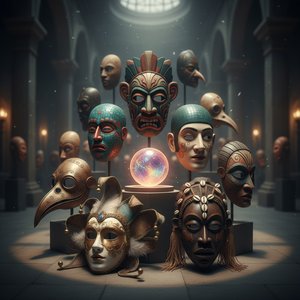
Unveiling the Mystery: A Journey Through the World's Most Iconic Mask Artworks
Embark on a profound journey through the world's most iconic mask artworks. Explore the spiritual depth, intricate craftsmanship, and rich cultural heritage of global traditions, from Chhau to Gomira, in this expert-led exploration of ancestral artistry and symbolic beauty.

Γεωμετρική Αφαίρεση: 10 Έργα που Άλλαξαν την Τέχνη | OriginalUniqueArt.gr
Ανακαλύψτε τα 10 κορυφαία έργα της Γεωμετρικής Αφαίρεσης! Μοντριάν, Καντίνσκι & άλλοι. Ιστορίες, τεχνικές και έμπνευση για τη διακόσμηση του σπιτιού σας. Βρείτε αναπαραγωγές υψηλής ποιότητας στο OriginalUniqueArt.com.

Βασίλι Καντίνσκι: Τα 25 Κορυφαία Έργα Τέχνης για Διακόσμηση & Έμπνευση
Ανακαλύψτε τα 25 κορυφαία έργα τέχνης του Βασίλι Καντίνσκι! Εξερευνήστε την αφηρημένη τέχνη, τον εξπρεσιονισμό & τα εμβληματικά χρώματα του ιδιοφυούς ζωγράφου. Αναπαραγωγές υψηλής ποιότητας για διακόσμηση και έμπνευση στο OriginalUniqueArt.com.

Top 10 Έργα που καθόρισαν τον Αφηρημένο Εκφρασισμό | OriginalUniqueArt.gr
Ανακαλύψτε τα 10 εμβληματικά έργα που καθόρισαν τον Αφηρημένο Εκφρασισμό! Jackson Pollock, Mark Rothko & άλλοι. Ιστορίες, τεχνικές και έμπνευση για τη διακόσμηση του σπιτιού σας με πίνακες υψηλής ποιότητας. Εξερευνήστε την πλήρη συλλογή στο OriginalUniqueArt.com

Romantic Realism's Finest: 10 Masterpieces for Your Home | OriginalUniqueArt
Explore 10 defining masterpieces of Romantic Realism! Discover Courbet, Millet & Daumier's powerful paintings—capturing emotion and social realities. Find museum-quality reproductions for your home at OriginalUniqueArt.com.
