
 Δείτε σε πραγματικό χώρο
 Αποστολή
 Κοινοποίηση
 Λεπτομέρειες

 Λήψη
Λήψη
 Παρόμοια αντικείμενα συλλογής
 Ακτινογραφία
 Παρουσίαση
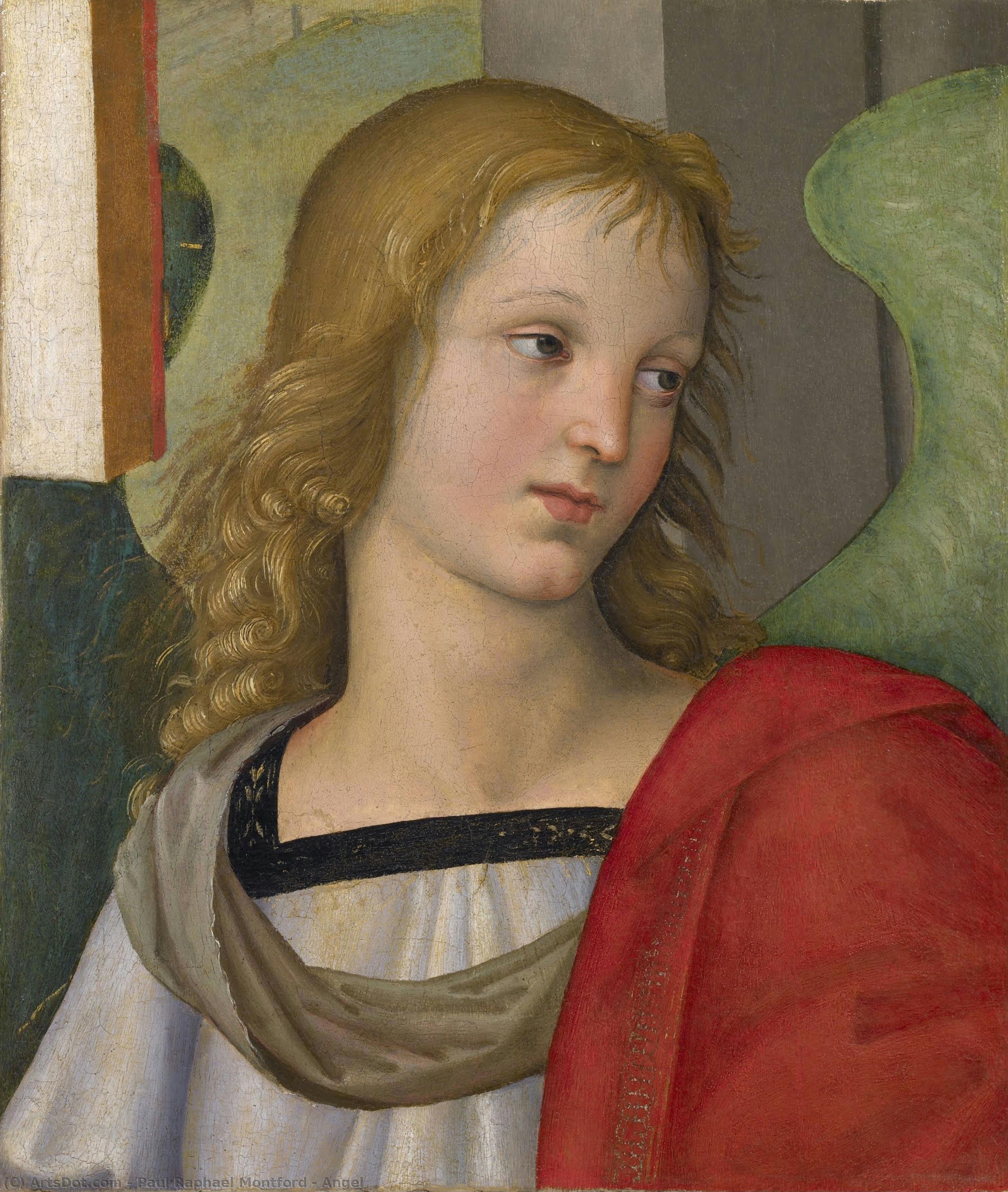
Angel


 Διαβάστε περισσότερα
Χειροποίητη Αναπαραγωγή σε Έλαιο
Χειροποίητη oil painting σε καμβά στο δικό σας μέγεθος και πλαίσιο, κατά παραγγελία από τους καλλιτέχνες μας. ( Αγορά εκτύπωσης Αγορά ψηφιακής εικόνας)




P118B $10

P118H $10

P118W $10

P438Z $10

P508JH $12

P508YH $12

P805H $10

P805Z $10

P919BZ $10

P919G $10

P919XJ $10

P959ZH $10

P968JZ $12

W106C $8

W218G $10

W218JH $8

W218Y $10

W307PJ $10

W316G $10

W316PJ $8

W316Y $10

W398PJ $8

W4111J $10

W500HY $15

W500JH $15

W692G $12

W849H $8

W940BG $15

W953PJ $8




Επιλέξτε από τις προκαθορισμένες διαστάσεις μας που διατηρούν τις αρχικές αναλογίες του έργου τέχνης.

Μπορείτε να ορίσετε δικές σας διαστάσεις ώστε το έργο να ταιριάζει σε ένα συγκεκριμένο πλαίσιο ή χώρο. Εάν το επιλεγμένο μέγεθος δεν συμπίπτει με τις αναλογίες της αρχικής εικόνας, θα περικοψούμε το έργο ή θα επεκτείνουμε τη ζωγραφιά με πρόσθετα χειρόγραφα στοιχεία. Ένα ψηφιακό προσχέδιο θα σας αποσταλεί για έγκριση πριν την έναρξη της παραγωγής.
Παρακαλούμε σημειώστε ότι η προεπισκόπηση στην οθόνη δεν αντικατοπτρίζει την πραγματική περικοπή ή επέκταση. Μόνο το προσχέδιο θα δείξει με ακρίβεια την τελική σύνθεση.
Παρόλο που είναι διαθέσιμα προσαρμοσμένα μεγέθη, συνιστούμε να επιλέξετε μια διάσταση από τη λίστα των προκαθορισμένων μεγεθών για τη διατήρηση των αρχικών αναλογιών.
Μετά την παραγγελία, η ομάδα του OriginalUniqueArt.com θα στείλει email στον πελάτη με οδηγίες και θα παρέχει μια προεπισκόπηση προσχεδίου
Παγκόσμια Αποστολή () σε 3-4 εβδομάδες αντί για τις συνήθεις 5 εβδομάδες. (19 Αύγουστος). Χωρίς συμβιβασμούς στην ποιότητα.

Δωρεάν γρήγορη διεθνής αποστολή

Κάμβας από Λινό Υψηλής Ποιότητας

Πλήρης ασφάλιση μεταφοράς

Εγγύηση Επιστροφής Δασμών και Φόρων

Εγγύηση Απόλυτης Ομοιότητας Χρωμάτων

Πολιτική Επιστροφής 60 Ημερών (Μόνο σε περίπτωση ελαττωμάτων)

Εγγύηση επιστροφής 100% των χρημάτων

Προσφορά για μαζικές παραγγελίες
 Η επιλογή με γυαλί είναι διαθέσιμη μόνο για μεγέθη κάτω από 110 εκ.

Angel
Μέσο Αναπαραγωγής
Διαστάσεις Αναπαραγωγής
-


Συνολική Τιμή
$ 300
Περιγραφή Έργου
A Celestial Fragment: The Ethereal Grace of Raphael's Angel
In the vast tapestry of Renaissance mastery, few fragments possess the haunting beauty found in this exquisite depiction of an Angel. Though it survives as a remnant of a much larger, lost altarpiece—the Coronation of Saint Nicholas of Tolentino—this single figure retains the profound spiritual potency of its original context. Created during the formative years of the legendary Raphael, this work serves as a breathtaking window into the dawn of a genius. It captures a moment where the soft, lyrical influence of Perugino meets the burgeoning structural clarity that would soon define the High Renaissance. To behold this angel is to witness the very breath of divine grace captured in pigment.
The composition invites the viewer into a realm of profound serenity and delicate craftsmanship. The figure’s face, rendered with an almost miraculous precision, displays a soft, rounded physiognomy that suggests a deep connection to classical antiquity. There is a gentle, rhythmic tilt to the head, an elegant inclination that evokes the poised marble of ancient statuary. This subtle movement, paired with a gaze that is both tender and infinitely distant, creates an emotional resonance that transcends time. The artist employs a delicate brushwork to define the features, ensuring that the skin appears luminous, almost as if lit from within by a celestial glow.
Luminous Technique and Chromatic Splendor
Technically, the painting is a masterclass in the use of light and color to evoke the supernatural. One cannot help but be captivated by the sophisticated cangiantismo—the shimmering, pearlescent effect found within the folds of the angelic robes. As the light dances across the fabric, the colors shift with a subtle, iridescent quality, moving from soft creams to ethereal highlights. This is beautifully contrasted by the meticulous application of gold leaf and gilded highlights, which provide a brilliant counterpoint to the more muted tones of the drapery. These golden accents do not merely decorate; they serve as divine punctuation marks, drawing the eye to the intricate textures of the heavenly attire.
For the discerning collector or interior designer, this piece offers an unparalleled opportunity to introduce a sense of historical weight and spiritual tranquility into a space. The interplay between the soft, fleshy tones of the face and the structured, metallic brilliance of the ornamentation creates a visual depth that is both sophisticated and commanding. Whether placed in a curated gallery setting or as a focal point in a classical study, this reproduction brings with it the prestige of the Italian Renaissance, offering an atmosphere of timeless elegance and contemplative peace.
Βιογραφία Καλλιτέχνη
The Sculptor of Majesty and Spirit
Paul Raphael Montford stands as a profound figure in the lineage of late Victorian and early 20th-century British sculpture, a master whose hands breathed life into stone and bronze across two continents. Born on November 1, 1868, in the vibrant atmosphere of Kentish Town, London, his destiny was etched in clay from his earliest years. He was the son of Horace Montford, a respected sculptor, and grew up within a family steeped in the traditions of fine art. This intimate connection to the craft provided Paul with more than just technical instruction; it offered him a foundational understanding of how light interacts with form and how emotion can be frozen in permanent medium. His early education at the Lambeth School of Art and subsequently the prestigious Royal Academy Schools served as the crucible for his talent, where his brilliance was formally recognized through gold medals and traveling scholarships that would eventually propel his vision far beyond the borders of England.
The trajectory of Montford’s career is a narrative of classical mastery meeting the changing tides of history. During the late 19th and early 20th centuries, he established himself as a sculptor of significant civic importance, capable of executing works that commanded both space and reverence. His hands shaped the very fabric of British urban landscapes, contributing to monumental projects such as the Battersea Polytechnic and the iconic Kelvin Way Bridge in Glasgow’s Kelvingrove Park. In these works, one finds a seamless blend of strength and grace, a testament to his ability to balance the heavy demands of public monumentality with the delicate nuances of human expression. His sculptures, including the dignified statue of Sir Henry Campbell-Bannerman at Stirling Castle, were not merely decorations but historical anchors, designed to embody the pride and identity of the era.
A Journey Across Oceans
As the shadows of World War I lengthened and the landscape for sculptural commissions in England grew increasingly sparse, Montford embarked on a transformative chapter of his life. In 1923, driven by a belief that the brilliant Australian light would offer new possibilities for his medium, he relocated to Australia. This move was not merely a change in geography but a profound shift in artistic purpose. Settling in Victoria, he brought with him the refined techniques of the Royal Academy, seeking to nurture the next generation of sculptors while continuing his own creative pursuit. His arrival in Australia marked the beginning of a period where his influence would bridge the gap between European classical traditions and the emerging artistic identity of the Southern Hemisphere.
In Australia, Montford’s presence was felt deeply within the academic and social fabric of the art community. He accepted a position as a modeling master at the Gordon Technical Institute in Geelong, where his expertise helped shape the hands of aspiring artists. His leadership extended to the civic sphere as well, serving as the President of the Victorian Artists’ Society in 1930. Despite the challenges of securing large-scale commissions in a new land, his legacy remained etched in the spirit of the continent. He became a vital link in the transmission of sculptural excellence, ensuring that the rigorous standards of the British tradition found fertile ground in Australian soil.
Legacy and Finality
The life of Paul Raphael Montford was marked by both immense professional triumph and a poignant, tragic end. While his career was defined by the permanence of stone, his own passing was shaped by the invisible forces of science. He died in Melbourne in 1938 from leukemia, a condition resulting from a large dose of radium administered during a treatment for tonsillitis—a cruel irony for a man who had dedicated his life to creating works intended to withstand the ages. Yet, even in death, his impact remains unyielding. His works continue to stand as silent sentinels of history, reminding viewers of an era where sculpture served as the ultimate medium for public memory and spiritual expression.
To reflect on the breadth of his contributions is to recognize a life lived through the lens of form and texture:
- Foundational Influence: Raised in the studio of his father, Horace Montford, inheriting a legacy of classical modeling.
- Academic Excellence: A decorated student of the Royal Academy Schools, recipient of prestigious traveling scholarships.
- Public Monuments: Creator of significant works for Glasgow’s Kelvingrove Park and various British civic landmarks.
- Australian Contribution: Educator at Gordon Technical Institute and President of the Victorian Artists’ Society.
- Artistic Style: A mastery of monumental scale, characterized by a blend of classical dignity and emotive depth.

paul raphael montford
1868 - 1938 , United Kingdom
Γρήγορα στοιχεία
- Artistic Movement Or Style: Classical
- Artists Or Movements Influenced By This Artist: ['Renaissance']
- Artists Who Influenced This Artist: ['Horace Montford']
- Date Of Birth: November 1, 1868
- Date Of Death: January 15, 1938
- Full Name: Paul Raphael Montford
- Nationality: British
- Notable Artworks:
- St. Jerome Saving Sylvanus and Punishing the Heretic Sabinianus
- The School of Athens
- Angel
- Place Of Birth: London, United Kingdom
Σχετικά άρθρα

Celestial Messengers: Angels in Painting – A Historical & Artistic Exploration
Explore the captivating history of angels in painting! Discover symbolism, iconic Renaissance & Byzantine masterpieces, and renowned artists. Expert insights for art lovers & collectors at OriginalUniqueArt.

Celestial Messengers: A Comprehensive Exploration of Angelic Representation in Art History
Explore the captivating history of angels in art! Discover symbolism, iconic Renaissance masterpieces & renowned artists. Expert insights for art lovers & collectors at OriginalUniqueArt.
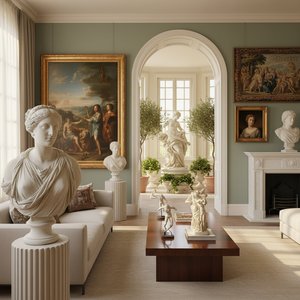
Οι 10 Κορυφαίοι Δασκάλλοι του Νεοκλασικισμού: Έργα Τέχνης που Εμπνέουν Διαχρονικά
Ανακαλύψτε τους 10 κορυφαίους πίνακες και γλυπτά του Νεοκλασικισμού! Μάθετε για τον Jacques-Louis David, Ingres & Canova. Βρείτε αναπαραγωγές υψηλής ποιότητας για να εμπνεύσετε τη διακόσμηση σας. Εξερευνήστε την πλήρη συλλογή στο OriginalUniqueArt.com
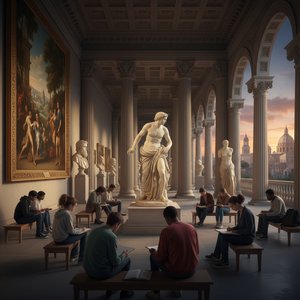
The Enduring Legacy of Classicism: Principles, Evolution & Influence in Western Art
Explore the enduring legacy of Classicism in Western art! Discover its historical context, key principles, iconic masterpieces & lasting influence. Learn about Renaissance and Neoclassical movements with OriginalUniqueArt.
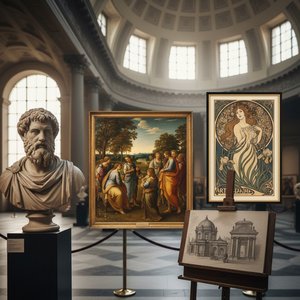
Timeless Resonance: Exploring Classic Vibe in Art – A Historical & Aesthetic Analysis
Explore the rich history & enduring aesthetic of Classicism art! Discover key movements, iconic artists like Raphael & David, and its lasting influence on Western art. Deepen your appreciation today.

