

 Δείτε σε πραγματικό χώρο
 Αποστολή
 Κοινοποίηση
 Λεπτομέρειες

 Λήψη
Λήψη
 Παρόμοια αντικείμενα συλλογής
 Ακτινογραφία
 Παρουσίαση
The Violinist at the Window
 Oil
Oil- WallArt
- Impressionism
 1861
1861- 19th Century
 103.0 x 150.0 cm
 Στάδελ Μουσείο
 Διαβάστε περισσότερα
Χειροποίητη Αναπαραγωγή σε Έλαιο
Χειροποίητη oil painting σε καμβά στο δικό σας μέγεθος και πλαίσιο, κατά παραγγελία από τους καλλιτέχνες μας. ( Αγορά εκτύπωσης Αγορά ψηφιακής εικόνας)




P118B $10

P118H $10

P118W $10

P438Z $10

P508JH $12

P508YH $12

P805H $10

P805Z $10

P919BZ $10

P919G $10

P919XJ $10

P959ZH $10

P968JZ $12

W106C $8

W218G $10

W218JH $8

W218Y $10

W307PJ $10

W316G $10

W316PJ $8

W316Y $10

W398PJ $8

W4111J $10

W500HY $15

W500JH $15

W692G $12

W849H $8

W940BG $15

W953PJ $8




Επιλέξτε από τις προκαθορισμένες διαστάσεις μας που διατηρούν τις αρχικές αναλογίες του έργου τέχνης.

Μπορείτε να ορίσετε δικές σας διαστάσεις ώστε το έργο να ταιριάζει σε ένα συγκεκριμένο πλαίσιο ή χώρο. Εάν το επιλεγμένο μέγεθος δεν συμπίπτει με τις αναλογίες της αρχικής εικόνας, θα περικοψούμε το έργο ή θα επεκτείνουμε τη ζωγραφιά με πρόσθετα χειρόγραφα στοιχεία. Ένα ψηφιακό προσχέδιο θα σας αποσταλεί για έγκριση πριν την έναρξη της παραγωγής.
Παρακαλούμε σημειώστε ότι η προεπισκόπηση στην οθόνη δεν αντικατοπτρίζει την πραγματική περικοπή ή επέκταση. Μόνο το προσχέδιο θα δείξει με ακρίβεια την τελική σύνθεση.
Παρόλο που είναι διαθέσιμα προσαρμοσμένα μεγέθη, συνιστούμε να επιλέξετε μια διάσταση από τη λίστα των προκαθορισμένων μεγεθών για τη διατήρηση των αρχικών αναλογιών.
Μετά την παραγγελία, η ομάδα του OriginalUniqueArt.com θα στείλει email στον πελάτη με οδηγίες και θα παρέχει μια προεπισκόπηση προσχεδίου
Παγκόσμια Αποστολή () σε 3-4 εβδομάδες αντί για τις συνήθεις 5 εβδομάδες. (28 Αύγουστος). Χωρίς συμβιβασμούς στην ποιότητα.

Δωρεάν γρήγορη διεθνής αποστολή

Κάμβας από Λινό Υψηλής Ποιότητας

Πλήρης ασφάλιση μεταφοράς

Εγγύηση Επιστροφής Δασμών και Φόρων

Εγγύηση Απόλυτης Ομοιότητας Χρωμάτων

Πολιτική Επιστροφής 60 Ημερών (Μόνο σε περίπτωση ελαττωμάτων)

Εγγύηση επιστροφής 100% των χρημάτων

Προσφορά για μαζικές παραγγελίες
 Η επιλογή με γυαλί είναι διαθέσιμη μόνο για μεγέθη κάτω από 110 εκ.

The Violinist at the Window
Μέσο Αναπαραγωγής
Διαστάσεις Αναπαραγωγής
-


Συνολική Τιμή
$ 300
A Melodic Solitude: The Soul of Scholderer’s Violinist
In the quietude of an afternoon bathed in soft, natural light, Otto Scholderer captures a moment that transcends mere portraiture to become a profound meditation on sound and silence. The Violinist at the Window is not simply a depiction of a musician at work; it is an invitation into a private sanctuary of creativity. As the man sits by the window, his gaze drifting toward the world outside while his fingers dance across the strings, Scholderer masterfully weaves a narrative of introspection. The composition, anchored by the presence of a simple chair and a solitary book, suggests a life enriched by both intellectual pursuit and musical passion. For the discerning collector, this piece offers more than visual beauty; it provides a window into the Romantic spirit, where the boundaries between the internal emotional landscape and the external world begin to blur.
The technique employed in this 1861 masterpiece reflects Scholderer’s rigorous training at the Städel Academy, yet it breathes with the burgeoning freedom of the Impressionist movement. Through a delicate application of light, the artist transforms a domestic interior into a stage of luminous textures. The way the sunlight filters through the windowpane creates a warm, golden atmosphere that softens the edges of the room, casting gentle shadows that lend depth and volume to the subject. This interplay of light and shadow—the chiaroscuro influence—serves to highlight the tactile reality of the violin and the quiet dignity of the man’s posture. The brushwork, while precise enough to capture the fine details of the instrument and the surrounding furniture, possesses a fluid grace that mirrors the melodic flow of the music being played.
Beyond its technical brilliance, the painting serves as a powerful symbol of the harmony between man and his environment. The window acts as a threshold, a liminal space where the musician’s melody meets the unseen world beyond the glass. There is a poignant sense of peace found in this composition, making it an ideal centerpiece for an interior designed for contemplation and elegance. Whether placed in a sun-drenched library or a sophisticated study, a high-quality reproduction of this work brings a sense of historical weight and emotional warmth to any space. It speaks to the timeless human desire for connection—to music, to nature, and to the quiet moments of beauty that define our existence.
Βιογραφία Καλλιτέχνη
The Painter of Light and Shadow: The Life of Otto Scholderer
In the heart of nineteenth-century Germany, a period defined by the shifting tides between Romanticism and the dawn of Impressionism, Otto Franz Scholderer emerged as a master of visual storytelling. Born in Frankfurt am Main on January 25, 1834, Scholderer’s artistic journey was one of profound evolution, marked by a relentless pursuit of capturing the true essence of his subjects. His early years were steeped in the rigorous academic traditions of the Städel Academy of Arts, where he studied under the watchful eyes of art historian Johann David Passavant and the painter Jakob Becker. This foundational training provided him with more than just technical proficiency; it instilled a deep respect for classical composition and a meticulous eye for detail that would remain a hallmark of his work throughout his long and distinguished career.
As Scholderer matured, his artistic horizons expanded far beyond the borders of Germany. His travels to Paris between 1857 and 1858 proved to be a transformative period, exposing him to the radical currents of European art. It was here that he encountered the raw, unvarnished power of Gustave Courbet’s Realism, a movement that encouraged artists to look at the world without the veil of idealized sentimentality. This encounter fundamentally altered his approach to landscape and portraiture, steering him toward a more honest rendering of light, texture, and atmosphere. During this same era, he forged lasting connections with luminaries such as Henri Fantin-Latour and Édouard Manet, whose subtle explorations of light and fleeting moments would leave an indelible imprint on his later, more Impressionistic tendencies.
A Legacy of Intimacy and Observation
Scholderer’s body of work is a testament to his ability to find the extraordinary within the ordinary. Whether he was painting a serene pastoral vista or an intimate domestic scene, there was always a sense of quiet contemplation and profound presence. His connection to the Kronberg painter colony, fostered through his friendship and eventual familial bond with Victor Müller, allowed him to exist within a vibrant community of artists dedicated to capturing the beauty of the Taunus region. This environment nurtured his ability to blend the precise rendering of the Düsseldorf tradition with the atmospheric sensitivity of the burgeoning Impressionist movement.
His repertoire was remarkably diverse, showcasing a mastery over various genres:
- Portraiture: Scholderer possessed a rare gift for capturing the psychological depth of his sitters, imbuing them with a sense of living breath and character.
- Still Life: In works such as "The Flower Arrangement" and "Lilac," he demonstrated an exquisite command over color and texture, turning simple botanical subjects into meditations on beauty and decay.
- Landscape: His landscapes often eschewed the dramatic for the subtle, focusing instead on the interplay of light across a field or the soft glow of an afternoon sun through a window.
- Genre Painting: Pieces like "The Violinist at the Window" exemplify his ability to weave narratives of solitude and creativity, inviting the viewer into a private, melodic sanctuary.
By the time of his passing in 1902, Otto Scholderer had established himself as a cornerstone of German painting. His significance lies not only in his technical brilliance but in his role as a bridge between eras. He carried the weight of classical tradition into the modern age, proving that even as styles shifted from the structured to the ephemeral, the fundamental human desire to capture truth through light and shadow remained eternal. Today, his works continue to resonate, offering a window into a vanished world of grace, precision, and quiet emotion.

otto scholderer
1834 - 1902
Γρήγορα στοιχεία
- Artistic Movement Or Style: Impressionism
- Artists Or Movements Influenced By This Artist: ['Romanticism']
- Artists Who Influenced This Artist: ['Gustave Courbet']
- Date Of Birth: January 25, 1834
- Date Of Death: January 22, 1902
- Full Name: Otto Franz Scholderer
- Nationality: German
- Notable Artworks:
- The Violinist by the Window
- Ackerlandschaft mit Vogelscheuche
- Place Of Birth: Frankfurt am Main, Germany
Σχετικά άρθρα

Top 10 Έργα Τέχνης με Χαρούμενο Κλίμα | OriginalUniqueArt.com
Ανακαλύψτε τα 10 πιο χαρούμενα έργα τέχνης όλων των εποχών! Ιμπρεσιονισμός, εξωπραγματισμός & άλλοι καλλιτέχνες που αποτύπωσαν την παιχνιδιάρικη διάθεση. Βρείτε πίνακες για διακόσμηση σπιτιού στο OriginalUniqueArt.com.
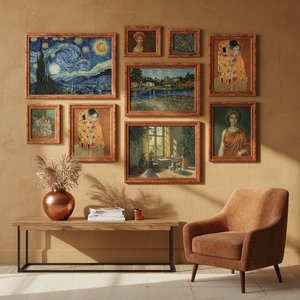
Οι 10 πιο διάσημες πίνακες με κυρίαρχες αποχρώσεις του χαλκού – Έμπνευση για διακόσμηση
Ανακαλύψτε τους 10 πιο διάσημους πίνακες με κυρίαρχες αποχρώσεις του χαλκού! Ιμπρεσιονισμός, Van Gogh, Rembrandt και άλλοι μεγάλοι ζωγράφοι. Βρείτε έμπνευση για διακόσμηση & υψηλής ποιότητας αναπαραγωγές στην OriginalUniqueArt.com.
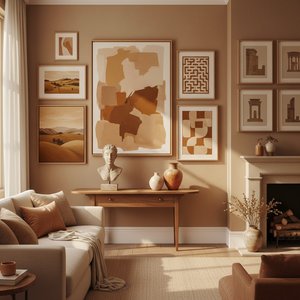
Οι 10 πιο διάσημοι πίνακες με κυρίαρχες αποχρώσεις του 'Titan Buff': Ιστορία, Τέχνη & Διακόσμηση
Ανακαλύψτε τους 10 πιο διάσημους πίνακες με κυρίαρχες αποχρώσεις του 'Titan Buff'. Ιστορίες τέχνης, τεχνικές ζωγραφικής & εμπνεύσεις διακόσμησης από μεγάλους καλλιτέχνες. Βρείτε την ιδανική αναπαραγωγή πίνακα στο OriginalUniqueArt.com!

Η Ψυχολογία της Ελαφρότητας: Πώς η Χιουμοριστική Τέχνη Απελευθερώνει την Ευημερία και τη Σύνδεση
Ανακαλύψτε πώς η χιουμοριστική τέχνη ενισχύει την ευημερία και τη σύνδεση. Εξερευνήστε την ιστορία, την ψυχολογία και τα οφέλη της τέχνης για μια πιο χαρούμενη ζωή. Επιλέξτε πίνακες που εμπνέουν!
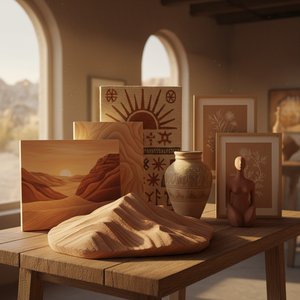
Οι 10 πιο διάσημοι πίνακες με κυρίαρχες αποχρώσεις της άμμου | OriginalUniqueArt.gr
Ανακαλύψτε τους 10 πιο διάσημους πίνακες με κυρίαρχες αποχρώσεις της άμμου! Van Gogh, Monet & άλλοι μεγάλοι ζωγράφοι. Ιμπρεσιονισμός, μοντερνισμός και η γοητεία των γήινων χρωμάτων. Βρείτε την τέλεια αναπαραγωγή πίνακα για το σπίτι σας στο OriginalUniqueArt.gr

