- Αρχική

- Εκτύπωση σε καμβά
- orazio grevenbroeck
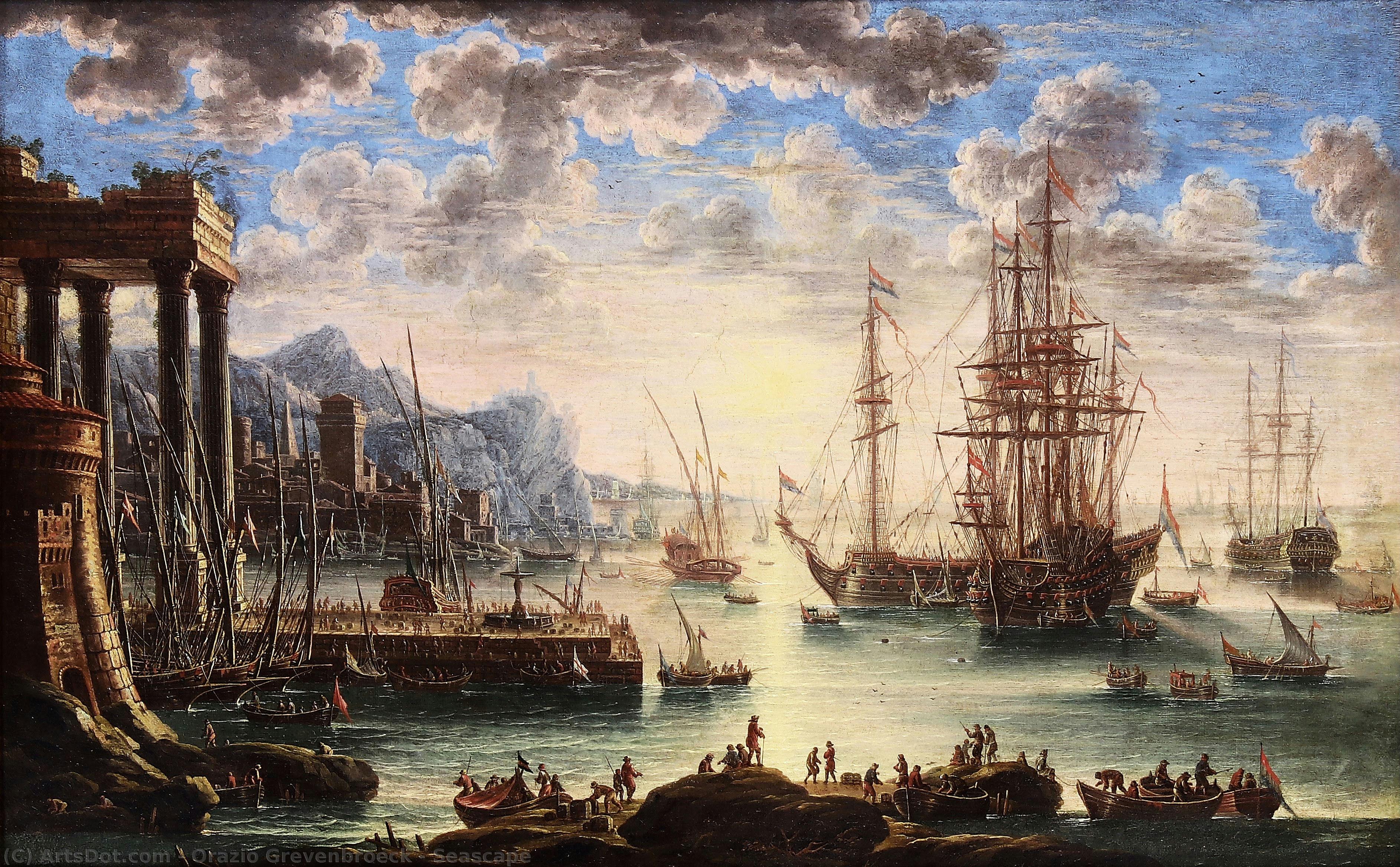
- Seascape
 Preview
 Αγοράστε την αναπαραγωγή Αγορά ψηφιακής εικόνας
 Αποστολή
 Κοινοποίηση
 Λεπτομέρειες
 Προσθήκη στα αγαπημένα

 Λήψη
Λήψη
 Παρόμοια έργα
 Ακτινογραφία
 Παρουσίαση
Seascape

 Περισσότερα λεπτομέρεια
Giclée / Εκτυπώσεις Τέχνης
Εκτύπωση giclée ή σε καμβά ποιότητας μουσείου με γρήγορη παραγωγή και ευέλικτες επιλογές φινιρίσματος.




































Επιλέξτε από τις προκαθορισμένες διαστάσεις μας που διατηρούν τις αρχικές αναλογίες του έργου τέχνης.

Μπορείτε να εισαγάγετε δικές σας διαστάσεις ώστε να ταιριάξουν με ένα συγκεκριμένο πλαίσιο ή χώρο. Εάν το επιλεγμένο μέγεθος δεν συμπίπτει με τις αναλογίες της πρωτότυπης εικόνας, θα κόψουμε το έργο τέχνης ή θα επεκτείνουμε την εικόνα με καθρεφτισμένη ή μονόχρωμη ατέλεια. Θα σας αποσταλεί ένα ψηφιακό mockup για έγκρισή σας πριν από την έναρξη της παραγωγής.
Παρακαλούμε σημειώστε ότι η προεπισκόπηση στην οθόνη δεν αντικατοπτρίζει την πραγματική κοπή ή επέκταση. Μόνο το mockup θα δείξει με ακρίβεια την τελική σύνθεση.
Παρόλο που είναι διαθέσιμες προσαρμοσμένες διαστάσεις, προτείνουμε την επιλογή μιας διάστασης από τη προκαθορισμένη λίστα για τη διατήρηση των αρχικών αναλογιών.
Παγκόσμια Αποστολή () σε 2 εβδομάδες αντί για τις συνήθεις 4/5 εβδομάδες. (24 Ιούλιος)

Δωρεάν Παγκόσμια Αποστολή Express

Κάμβας από Λινό Υψηλής Ποιότητας

Πλήρης ασφάλιση μεταφοράς

Εγγύηση Επιστροφής Δασμών και Φόρων

Εγγύηση Απόλυτης Ομοιότητας Χρωμάτων

Πολιτική Επιστροφής 60 Ημερών (Μόνο σε περίπτωση ελαττωμάτων)

Εγγύηση επιστροφής 100% των χρημάτων

Έκπτωση για πολλαπλές παραγγελίες
 Η επιλογή με γυαλί είναι διαθέσιμη μόνο για μεγέθη κάτω από 110 εκ.

Seascape
Giclée / Εκτυπώσεις Τέχνης
Διαστάσεις Αναπαραγωγής
-


Τελική Τιμή
-
Περιγραφή Συλλεκτικού Αντικειμένου
Βιογραφία Καλλιτέχνη
The Tempestuous World of Orazio Grevenbroeck: A Master of Maritime Drama
Orazio Grevenbroeck, a name resonating within the annals of maritime art, stands as a compelling figure whose canvases capture not merely scenes of harbors and battleships, but the very soul of the sea itself. While biographical details surrounding his life remain somewhat elusive – a common trait for artists operating in the vibrant yet often undocumented workshops of their time – the power and emotional depth of his work speak volumes. Emerging from an artistic lineage steeped in Dutch Golden Age traditions, Grevenbroeck carved a niche for himself specializing in dramatic seascapes and naval engagements, becoming a sought-after chronicler of maritime life and conflict. His paintings are not simply representations; they are immersive experiences, transporting the viewer to the heart of crashing waves, billowing sails, and the intense human drama unfolding upon the water’s surface.Early Influences & Artistic Development
Grevenbroeck's artistic journey likely began within the bustling art centers of the Low Countries. The Dutch Golden Age (roughly the 17th century) was a period of unprecedented prosperity and cultural flourishing, particularly in painting. Artists like Simon de Vlieger and Jan Porcellis were pioneering realistic seascape depictions, focusing on accurate ship rendering and atmospheric effects. It is within this tradition that Grevenbroeck found his foundation. However, he wasn’t merely an imitator. While inheriting the meticulous detail of Dutch marine painters, he infused his work with a distinctly Italianate sensibility – a heightened sense of drama, bolder compositions, and a more romanticized approach to light and shadow. This fusion suggests possible training or exposure to Italian art, perhaps through engravings or direct travel. His early works demonstrate a commitment to precise naval architecture, showcasing detailed renderings of various ship types prevalent during the 17th and 18th centuries. Over time, his focus shifted towards capturing the emotional impact of maritime events, moving beyond technical accuracy to convey the raw power of nature and the vulnerability of human endeavor.Themes & Techniques: Painting the Fury of the Ocean
The core of Grevenbroeck’s oeuvre lies in his depictions of the sea – not as a placid backdrop, but as an active protagonist. His canvases are populated with turbulent storms, towering waves threatening to engulf vessels, and harbors teeming with activity. Naval battles form a significant portion of his work, often portraying historical engagements with meticulous detail, yet always emphasizing the chaos and human cost of conflict. He masterfully employed techniques to convey this sense of drama. His brushwork is dynamic and expressive, particularly in rendering water – utilizing layers of impasto to create texture and movement. Light plays a crucial role, often contrasting sharply between illuminated crests of waves and the dark shadows engulfing ships and distant shores. He was adept at creating atmospheric perspective, using subtle gradations of color to suggest depth and distance. Furthermore, Grevenbroeck’s compositions are carefully constructed to draw the viewer's eye towards focal points – a struggling ship battling a storm, or the clash of opposing fleets in the midst of battle. The inclusion of smaller figures on deck adds a human element, emphasizing the scale of the ocean and the precariousness of life at sea.Historical Significance & Legacy
Orazio Grevenbroeck’s work provides valuable insight into the maritime world of the 17th and 18th centuries. His paintings serve as historical records, documenting ship designs, naval tactics, and harbor landscapes with remarkable accuracy. However, his significance extends beyond mere documentation. He captured a specific moment in history – an era of intense naval power, global exploration, and burgeoning trade.- His dramatic style resonated with collectors seeking evocative depictions of maritime life.
- He bridged the gap between Dutch realism and Italianate romanticism, influencing subsequent generations of marine painters.
- Grevenbroeck’s paintings offer a powerful visual representation of humanity's relationship with the sea – a blend of awe, respect, and vulnerability.