

 Προεπισκόπηση σε πραγματική κλίμακα
 Αποστολή
 Κοινοποίηση
 Λεπτομέρειες
 Οδηγός

 Λήψη
Λήψη
 Παρόμοια αντικείμενα συλλογής
 Ακτινογραφία
 Παρουσίαση
 Στατιστικά
Tree Chair
 Contemporary Design
 2015
2015 46.0 x 46.0 cm
 Loewe Foundation
 Περισσότερα
Giclée / Εκτυπώσεις Τέχνης
Εκτύπωση giclée ή σε καμβά ποιότητας μουσείου με γρήγορη παραγωγή και ευέλικτες επιλογές φινιρίσματος. ( Αγορά χειροποίητου πίνακα Μετάβαση σε Ψηφιακή Αποτέλεσμα)




































Επιλέξτε από τις προκαθορισμένες διαστάσεις μας που διατηρούν τις αρχικές αναλογίες του έργου τέχνης.

Εισάγετε το πλάτος και το ύψος που επιθυμείτε, ώστε να ταιριάζουν στο κάδሮ ή στον τοίχο σας. Μια εκτύπωση μπορεί μόνο να υποστεί κοψίμό και ποτέ να μην γίνει μεγαλύτερη από την αρχική εικόνα, επομένως η επιλογή μεγέθους με διαφορετικό σχήμα συνεπάγεται απώλεια ενός μέρους της εικόνας. Σας στέλνουμε ένα ψηφιακό mockup για έγκριση πριν προχωρήσουμε σε οποιαδήποτε εκτύπωση. Η εικόνα που εμφανίζεται σε αυτή τη σελίδα δεν δείχνει την πραγματική κοπή — μόνο το mockup την παρουσιάζει.
Παγκόσμια Αποστολή () σε 2 εβδομάδες αντί για τις συνήθεις 4/5 εβδομάδες. (27 Οκτώβριος)

Δωρεάν γρήγορη διεθνής αποστολή

Κάμβας από Λινό Υψηλής Ποιότητας

Πλήρης ασφάλιση μεταφοράς

Εγγύηση επιστροφής δασμών και φόρων εισαγωγής

Εγγύηση Απόλυτης Ομοιότητας Χρωμάτων

Πολιτική Επιστροφής 100 Ημερών (Μόνο σε περίπτωση ελαττωμάτων)

Εγγύηση επιστροφής 100% των χρημάτων

Προσφορά για πολλαπλές παραγγελίες
 Η επιλογή με γυαλί είναι διαθέσιμη μόνο για μεγέθη κάτω από 110 εκ.

Tree Chair
Giclée / Εκτυπώσεις Τέχνης
Διαστάσεις Αναπαραγωγής
-


Τελική Τιμή
€ 70
Ερωτήσεις και Απαντήσεις
Ποιος δημιούργησε το "Tree Chair" και πότε;
Το έργο "Tree Chair" δημιουργήθηκε από τον/την Nicholas Iquan Gaspard το 2015.
Ποια εποχή της καριέρας του/της Nicholas Iquan Gaspard αντιπροσωπεύει το έργο "Tree Chair";
Το έργο "Tree Chair" ανήκει στην περίοδο Contemporary της καριέρας του Nicholas Iquan Gaspard. Αυτή η ταξινόμηση συνδέει το έργο με την εξέλιξη του καλλιτέχνη.
Τι απεικονίζει το "Tree Chair" του Nicholas Iquan Gaspard;
Το έργο "Tree Chair" του Nicholas Iquan Gaspard απεικονίζει: organic form, natural materials, sustainable design, wood sculpture, environmental art, contemporary furniture, minimalist aesthetic.
Βιογραφικό Καλλιτέχνη
A Life Forged in Trade and Turmoil: The Remarkable Story of Nicholas Iquan Gaspard (Zheng Zhilong)
The name Zheng Zhilong, or Nicholas Iquan Gaspard as he was known to many, resonates with a captivating blend of ambition, pragmatism, and the turbulent currents of 17th-century Asia. He wasn’t merely an admiral or a pirate; he was a master navigator of power, a merchant prince who rose from humble beginnings to command vast fleets and influence empires. Born in 1604 in Nan’an, Fujian province, his early life offered little hint of the extraordinary trajectory that lay ahead. His family's history traces back to those fleeing upheaval in central China centuries prior, settling in Fujian—a region already steeped in maritime trade and a breeding ground for both legitimate commerce and illicit ventures. It was this environment that would shape his destiny.
Young Zheng’s initial foray into the world wasn't through naval command but through employment with Europeans at the Portuguese settlement of Macau. There, he received not only practical skills in trade but also a baptism and the Christian name Nicholas Gaspard—a symbolic bridge between cultures that would define much of his life. This period proved formative, exposing him to global networks and fostering an understanding of European maritime practices. However, it was his subsequent involvement with pirate bands along the Chinese coast that truly ignited his rise. He quickly distinguished himself, not through brute force but through shrewdness and a growing mastery of naval tactics.
From Pirate Lord to Ming Admiral: A Shifting Allegiance
The turning point came in 1628 when Zheng Zhilong accepted amnesty from the Ming court. This wasn’t an act of repentance, but rather a calculated move—a recognition that aligning with established power offered greater opportunities than operating outside its reach. He was appointed as a Coastal Defense Guerrilla Commander and rapidly ascended through the ranks, leveraging his knowledge of pirate networks to suppress rivals and consolidate his control over southern waters. His wealth grew exponentially, fueled by both legitimate trade and the spoils of pacifying maritime forces like Li Kuiqi and Yang Liu. By the Chongzhen reign, he had become Assistant Commander-in-Chief, effectively controlling all commerce and security in the region.
Zheng Zhilong’s success wasn't simply about military prowess; it was about building a system. He understood that control of trade meant control of power, and he meticulously established networks to ensure his dominance. The defeat of the combined Dutch and Liu Xiang fleet at Liaoluo Bay in 1633 cemented his reputation as a formidable naval commander—a testament to his strategic thinking and the loyalty of his forces. This victory wasn’t just a military triumph; it was a demonstration of his ability to protect Chinese interests against foreign encroachment, further solidifying his position within the Ming hierarchy.
The Fall of the Dynasty and a Complex Legacy
The collapse of the Ming dynasty in 1644 plunged China into chaos. Zheng Zhilong initially supported Zhu Yujian, establishing him as the claimant to the throne in Fujian province and receiving the title of Count of Nan’an. However, his pragmatism once again took precedence. Recognizing the overwhelming strength of the Manchu Qing forces, he made the controversial decision to surrender in 1645, hoping to secure a future for himself and his family. He was granted noble titles by the Qing government but ultimately met a tragic end in 1661—executed due to his son, Zheng Chenggong’s continued resistance against the regime.
Despite this tumultuous ending, Zheng Zhilong's impact on maritime Asia remains profound. He wasn’t simply a pirate or an admiral; he was a pivotal figure in the transition between dynasties, a man who navigated treacherous political waters with remarkable skill. His promotion of immigration and development in Taiwan established a thriving trade network that generated immense wealth—a testament to his vision and entrepreneurial spirit. While his legacy is complex, marked by shifting allegiances and ultimately betrayal, it’s undeniable that Nicholas Iquan Gaspard left an indelible mark on the history of China and its relationship with the wider world.
His story serves as a potent reminder that power isn't solely derived from military strength or political position but also from economic control, strategic alliances, and a willingness to adapt—even if it means sacrificing principles along the way. The echoes of his ambition continue to resonate through the centuries, making him a fascinating and enduring figure in Asian history.

Nicholas Iquan Gaspard
1604 - 1661 , China
Γρήγορα στοιχεία
- Full Name: Zheng Zhilong / Nicholas Iquan Gaspard
- Nationality: Chinese
- Date Of Birth: 1604
- Date Of Death: 1661
- Place Of Birth: Fuzhou, China
- Notable Artworks: ['Tree Chair']
- Artistic Movement Or Style: Maritime Art
Σχετικά άρθρα

Οι 10 Κορυφαίοι Χάλκινοι Αγάλματα που Άλλαξαν την Ιστορία της Τέχνης | OriginalUniqueArt.gr
Ανακαλύψτε τα 10 θρυλικά χάλκινα αγάλματα που διαμόρφωσαν την τέχνη! Από τον Rodin στον Michelangelo, εξερευνήστε ιστορίες, τεχνικές & αισθητική. Βρείτε αντίγραφα υψηλής ποιότητας για το σπίτι σας στην OriginalUniqueArt.com.

The Enduring Form: Exploring Themes & Techniques in Sculpture Across Historical Periods
Explore the rich history of sculpture from ancient masterpieces to contemporary innovations. Discover key techniques, influential artists & investment potential for discerning art collectors.

The Enduring Form: Sculpture Across History, Technique & Emotional Resonance
Explore the rich history of sculpture with OriginalUniqueArt. Discover key techniques, influential artists & investment potential for discerning collectors. Expert insights into valuing and collecting timeless masterpieces.
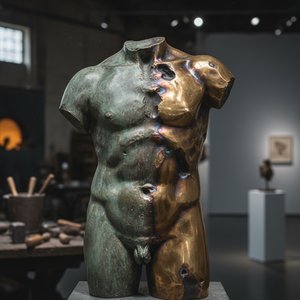
Η Διαχρονική Κληρονομιά της Χάλκινης Γλυπτικής: Ιστορία, Τεχνικές & Σύγχρονες Ερμηνείες
Εξερευνήστε την ιστορία και τις τεχνικές της χάλκινης γλυπτικής, από την αρχαιότητα έως τη σύγχρονη τέχνη. Συμβουλές για συλλέκτες και επενδυτές. Ανακαλύψτε την διαχρονική αξία του μπρούτζου.

Οι 10 Κορυφαίοι Χάλκινοι Θρύλοι που Άλλαξαν την Τέχνη – Έμπνευση για το Σπίτι σας
Ανακαλύψτε τα 10 θρυλικά χάλκινα γλυπτά που επαναπροσδιόρισαν την τέχνη! Ιστορίες από Rodin, Degas & άλλους μεγάλους καλλιτέχνες. Βρείτε αναπαραγωγές υψηλής ποιότητας για να εμπνεύσετε το σπίτι σας. Εξερευνήστε τη συλλογή στο OriginalUniqueArt.com.