

 Προεπισκόπηση
 Αποστολή
 Κοινοποίηση
 Λεπτομέρειες
 Οδηγός

 Λήψη
Λήψη
 Παρόμοια αντικείμενα συλλογής
 Ακτινογραφία
 Παρουσίαση
 Στατιστικά
Engenho de mandioca


 Περισσότερα λεπτομέρεια
Giclée / Εκτυπώσεις Τέχνης
Εκτύπωση giclée ή σε καμβά ποιότητας μουσείου με γρήγορη παραγωγή και ευέλικτες επιλογές φινιρίσματος. ( Αγορά χειροποίητου πίνακα Μετάβαση σε Ψηφιακή Εικόνα)




































Επιλέξτε από τις προκαθορισμένες διαστάσεις μας που διατηρούν τις αρχικές αναλογίες του έργου τέχνης.

Μπορείτε να εισαγάγετε δικές σας διαστάσεις ώστε να ταιριάξουν με ένα συγκεκριμένο πλαίσιο ή χώρο. Εάν το επιλεγμένο μέγεθος δεν συμπίπτει με τις αναλογίες της πρωτότυπης εικόνας, θα κόψουμε το έργο τέχνης ή θα επεκτείνουμε την εικόνα με καθρεφτισμένη ή μονόχρωμη ατέλεια. Θα σας αποσταλεί ένα ψηφιακό mockup για έγκρισή σας πριν από την έναρξη της παραγωγής.
Παρακαλούμε σημειώστε ότι η προεπισκόπηση στην οθόνη δεν αντικατοπτρίζει την πραγματική κοπή ή επέκταση. Μόνο το mockup θα δείξει με ακρίβεια την τελική σύνθεση.
Παρόλο που είναι διαθέσιμες προσαρμοσμένες διαστάσεις, προτείνουμε την επιλογή μιας διάστασης από τη προκαθορισμένη λίστα για τη διατήρηση των αρχικών αναλογιών.
Παγκόσμια Αποστολή () σε 2 εβδομάδες αντί για τις συνήθεις 4/5 εβδομάδες. (25 Σεπτέμβριος)

Δωρεάν γρήγορη διεθνής αποστολή

Κάμβας από Λινό Υψηλής Ποιότητας

Πλήρης ασφάλιση μεταφοράς

Εγγύηση επιστροφής δασμών και φόρων εισαγωγής

Εγγύηση Απόλυτης Ομοιότητας Χρωμάτων

Πολιτική Επιστροφής 100 Ημερών (Μόνο σε περίπτωση ελαττωμάτων)

Εγγύηση επιστροφής 100% των χρημάτων

Έκπτωση για πολλαπλές παραγγελίες
 Η επιλογή με γυαλί είναι διαθέσιμη μόνο για μεγέθη κάτω από 110 εκ.

Engenho de mandioca
Giclée / Εκτυπώσεις Τέχνης
Διαστάσεις Αναπαραγωγής
-


Συνολικό Κόστος
$ 80
Βιογραφικό Καλλιτέχνη
A Transatlantic Journey: The Life and Art of Modesto Brocos y Gómez
Modesto Brocos y Gómez, a name resonating with the artistic currents of both Spain and Brazil, was an artist whose life mirrored a fascinating cultural exchange. Born in Santiago de Compostela, Galicia, on February 9th, 1852, into a family steeped in literary tradition – his grandfather and father were both writers, and his brother Isidoro pursued sculpture – Brocos’s artistic path began under the tutelage of his sibling at the Academia de Belas Artes in A Coruña. However, the young artist's ambitions soon led him beyond Spanish borders. An initial foray into Argentina proved unsuccessful, prompting a pivotal move to Brazil in 1874, a nation poised for republican transformation and burgeoning artistic expression. It was in Rio de Janeiro that Brocos truly found his footing, initially as an illustrator for the satirical magazine *O Mequetrefe*, a position that provided him with the financial stability to enroll at the Academia Imperial de Belas Artes, studying under luminaries like Victor Meirelles and João Zeferino da Costa.From European Academies to Brazilian Identity
Brocos’s dedication to honing his craft led him on a grand tour of Europe's artistic centers. After two years at the Academia Imperial de Belas Artes, he ventured to Paris, briefly attending the École des Beaux-Arts and receiving instruction from Henri Lehmann. Dissatisfied with the Parisian approach, he continued his studies in Madrid at the Real Academia de Bellas Artes de San Fernando before ultimately finding a more resonant artistic environment in Rome. A fellowship from the government of A Coruña enabled him to spend five years at the Accademia Chigi, working alongside fellow Spaniard Francisco Pradilla. This period was crucial in shaping Brocos’s style, blending academic precision with a growing sensitivity to light and atmosphere. By 1890, he felt confident enough to exhibit at the prestigious Salon in Paris, marking the culmination of his formal education. He then accepted an invitation from Rodolfo Bernardelli, director of the Escola Nacional de Belas Artes in Rio de Janeiro, to return to Brazil as a professor of figurative drawing – a position he held for the remainder of his life, becoming a naturalized Brazilian citizen and deeply embedding himself within the nation’s artistic fabric.A Multifaceted Artistic Legacy
Modesto Brocos y Gómez was not confined by stylistic boundaries. His oeuvre encompassed portraits, landscapes, genre scenes, and historical subjects, demonstrating a remarkable versatility. He is particularly celebrated for his promotion of woodcut printmaking in Brazil, becoming one of the country’s first major practitioners of this art form during his time with *O Mequetrefe*. His paintings often depict scenes of everyday Brazilian life, imbued with a sense of realism and attention to detail. Engenho de Mandioca, housed at the Museu Nacional de Belas Artes in Rio de Janeiro, stands as a powerful example – a depiction of Black women laboring on a cassava plantation, rendered with thick impasto and capturing both the hardship and resilience of their existence. Beyond his visual art, Brocos was also a prolific writer, authoring several books on painting theory, including *A Questão do Ensino de Bellas Artes* (1915), *Viaje a Marte* (1930), and *Retórica dos Pintores* (1933). These writings reveal his deep engagement with artistic pedagogy and his commitment to fostering a vibrant art scene in Brazil.Influences, Style, and Historical Significance
Brocos’s style reflects the confluence of his diverse training and experiences. The influence of European academic painting is evident in his precise draftsmanship and compositional rigor, while his time in Rome instilled a sense of classical grandeur. However, he adapted these influences to suit the Brazilian context, embracing a more naturalistic palette and focusing on themes relevant to the nation’s social and cultural landscape. His work can be situated within the Realist movement, though it also displays elements of Romanticism in its emotional intensity and dramatic lighting. Modesto Brocos y Gómez died in Rio de Janeiro on November 28th, 1936, leaving behind a legacy that extends beyond his paintings and prints. He played a vital role in shaping the development of Brazilian art education, nurturing generations of artists and promoting a national artistic identity. His contributions to printmaking helped establish woodcut as a significant medium within the country’s visual culture, and his writings continue to offer valuable insights into the artistic debates of his time. He remains a pivotal figure in understanding the complex interplay between European tradition and Brazilian modernity.
Modesto Brocos y Gómez
1852 - 1936 , Brazil
Στοιχεία καλλιτέχνη
- Artistic Movement Or Style: Realism, Engraving
- Artists Who Influenced This Artist:
- Victor Meirelles
- João Zeferino da Costa
- Henri Lehmann
- Francisco Pradilla
- Date Of Birth: February 9, 1852
- Date Of Death: November 28, 1936
- Full Name: Modesto Brocos y Gómez
- Nationality: Spanish-Brazilian
- Notable Artworks:
- Engenho de mandioca
- Traditions of Saint James
- Place Of Birth: Rio de Janeiro, Brazil
Σχετικά άρθρα
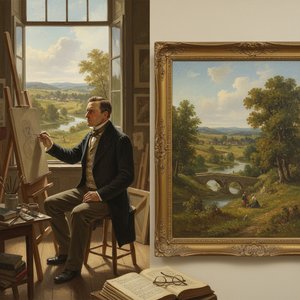
The Poetic Truth of Observation: Exploring 19th-Century Realism in Painting
Explore the captivating world of 19th-century Realism! Discover key artists like Courbet & Millet, masterpieces, and the powerful social commentary behind this influential art movement. Expert insights at OriginalUniqueArt.

Οι Κορυφαίοι 25 Πίνακες του Goya: Έμπνευση για Διακόσμηση & Τέχνη
Ανακαλύψτε τους 25 κορυφαίους πίνακες του Goya! Εξερευνήστε την Ισπανική ζωγραφική, τον Ρομαντισμό και τις Μαύρες Ζωγραφίες. Βρείτε έμπνευση για διακόσμηση & υψηλής ποιότητας αναπαραγωγές τέχνης στο OriginalUniqueArt.com.
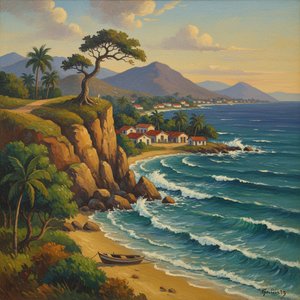
Benedito Calixto: A Brazilian Modernist's Landscape of Memory & National Identity
Explore the captivating world of Benedito Calixto, a pivotal Brazilian Modernist painter. Discover his iconic landscapes, the story behind the famous Bandeirante portrait, and his lasting impact on Brazilian national identity. Learn more at OriginalUniqueArt.

Romantic Realism's Finest: 10 Masterpieces for Your Home | OriginalUniqueArt
Explore 10 defining masterpieces of Romantic Realism! Discover Courbet, Millet & Daumier's powerful paintings—capturing emotion and social realities. Find museum-quality reproductions for your home at OriginalUniqueArt.com.
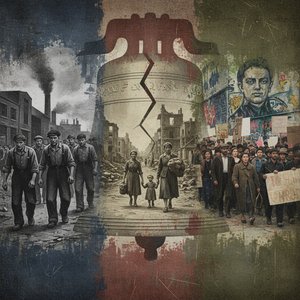
Echoes of Society: Exploring Social Realism's Enduring Legacy in Art
Explore the powerful world of Social Realism art! Discover key artists, masterpieces & its profound social commentary. Expert insights into this influential movement's history and enduring legacy.