
 Προεπισκόπηση σε πραγματική κλίμακα
 Αποστολή
 Κοινοποίηση
 Λεπτομέρειες
 Οδηγός

 Λήψη
Λήψη
 Παρόμοια αντικείμενα συλλογής
 Ακτινογραφία
 Παρουσίαση
 Ερωτήσεις & Απαντήσεις
 Στατιστικά
Aquatic Park, San Francisco


 Περισσότερα
Το έργο τέχνης που εμφανίζεται σε αυτή τη σελίδα προστατεύεται από τους νόμους περί πνευματικών δικαιωμάτων, γεγονός που σημαίνει ότι δεν μπορούμε νομικά να δημιουργήσουμε ή να πουλήσουμε μια ταυτόσημη αναπαραγωγή του. Αυτή η προστασία επιβάλλεται βάσει διεθνών συμφωνιών, όπως η Σύμβαση της Βέρνης καθώς και από τους εθνικούς νόμους, συμπεριλαμβανομένων αυτών που ορίζονται από το Νομοθεσία περί πνευματικών δικαιωμάτων των ΗΠΑ - Τίτλος 17. Όλα τα δικαιώματα κατοχυρωμένα. Απαγορεύεται η αναπαραγωγή χωρίς άδεια.
Αυτή η μέθοδος συμμορφώνεται πλήρως με τους κανονισμούς περί πνευματικών δικαιωμάτων, καθώς δεν περιλαμβάνει την αντιγραφή ή την αναπαραγωγή του προστατευόμενου έργου. Αντίθετα, πρόκειται για μια δημιουργική ερμηνεία — ένα νέο έργο που επηρεάζεται από το πρωτότυπο, χωρίς όμως να είναι πανομοιότυπο με αυτό.
Giclée / Εκτυπώσεις Τέχνης
Εκτύπωση giclée ή σε καμβά ποιότητας μουσείου με γρήγορη παραγωγή και ευέλικτες επιλογές φινιρίσματος. ( Αγορά χειροποίητου πίνακα Μετάβαση σε Ψηφιακή Αποτέλεσμα)




P118B €10

P118H €10

P118W €10

P438Z €10

P508JH €12

P508YH €12

P805H €10

P805Z €10

P919BZ €10

P919G €10

P919XJ €10

P959ZH €10

P968JZ €12

W106C €8

W218G €10

W218JH €8

W218Y €10

W307PJ €10

W316G €10

W316PJ €8

W316Y €10

W398PJ €8

W4111J €10

W500HY €15

W500JH €15

W692G €12

W849H €8

W940BG €15

W953PJ €8




Επιλέξτε από τις προκαθορισμένες διαστάσεις μας που διατηρούν τις αρχικές αναλογίες του έργου τέχνης.

Εισάγετε το πλάτος και το ύψος που επιθυμείτε, ώστε να ταιριάζουν στο κάδሮ ή στον τοίχο σας. Μια εκτύπωση μπορεί μόνο να υποστεί κοψίμό και ποτέ να μην γίνει μεγαλύτερη από την αρχική εικόνα, επομένως η επιλογή μεγέθους με διαφορετικό σχήμα συνεπάγεται απώλεια ενός μέρους της εικόνας. Σας στέλνουμε ένα ψηφιακό mockup για έγκριση πριν προχωρήσουμε σε οποιαδήποτε εκτύπωση. Η εικόνα που εμφανίζεται σε αυτή τη σελίδα δεν δείχνει την πραγματική κοπή — μόνο το mockup την παρουσιάζει.
Παγκόσμια Αποστολή () σε 2 εβδομάδες αντί για τις συνήθεις 4/5 εβδομάδες. (5 Νοέμβριος)

Δωρεάν γρήγορη διεθνής αποστολή

Κάμβας από Λινό Υψηλής Ποιότητας

Πλήρης ασφάλιση μεταφοράς

Εγγύηση επιστροφής δασμών και φόρων εισαγωγής

Εγγύηση Απόλυτης Ομοιότητας Χρωμάτων

Πολιτική Επιστροφής 100 Ημερών (Μόνο σε περίπτωση ελαττωμάτων)

Εγγύηση επιστροφής 100% των χρημάτων

Προσφορά για πολλαπλές παραγγελίες
 Η επιλογή με γυαλί είναι διαθέσιμη μόνο για μεγέθη κάτω από 110 εκ.

Aquatic Park, San Francisco
Giclée / Εκτυπώσεις Τέχνης
Διαστάσεις Αναπαραγωγής
-


Τελική Τιμή
€ 72
A Moment Frozen in Time: Minor White’s Aquatic Park
Minor White's "Aquatic Park, San Francisco," captured in 1949, isn’t merely a photograph; it’s a distilled essence of a specific place and time. The image, rendered in stark black and white, presents a seemingly simple scene: a man standing beside a bicycle before a modest tent erected on the waterfront. Yet, within this quiet tableau lies a profound exploration of urban life, solitude, and the subtle poetry of everyday moments – hallmarks of White’s distinctive photographic philosophy.
The photograph's power resides in its deliberate restraint. White, a key figure in the New Photography movement, eschewed elaborate compositions or dramatic lighting, favoring instead a directness that invites contemplation. The composition is carefully balanced; the man and bicycle anchor the foreground, while the tent and distant cityscape provide a sense of depth and context. Notice how the photographer utilizes negative space – the expansive sky and the receding buildings – to draw attention to the central figures and create an atmosphere of quiet observation.
The Philosophy of “Space”
White’s approach was deeply rooted in his concept of "space," a term he used not just to describe physical distance but also as a metaphor for the inner landscape of the mind. He believed that photography could be a tool for accessing this internal space, revealing hidden truths about ourselves and the world around us. In “Aquatic Park,” we see this philosophy in action. The photograph isn’t about documenting a specific event; it's about capturing a feeling – perhaps one of peaceful detachment, or the quiet contemplation of urban existence.
This work aligns with White’s broader project to explore the relationship between photography and spirituality. He sought to move beyond mere representation, aiming instead to create images that evoked emotional resonance and invited viewers to engage in a deeper, more personal experience. The photograph's starkness and simplicity encourage this kind of engagement, prompting us to consider our own place within the city and the broader human condition.
Technical Details & Historical Context
The image is a gelatin silver print, a technique favored by White for its tonal richness and subtle gradations. The detail is remarkable, particularly in capturing the textures of the bicycle’s metal frame and the weathered fabric of the tent. It's important to note that this photograph was created during a period of significant social and economic change in San Francisco – the post-war era saw rapid urbanization and a growing sense of displacement. “Aquatic Park” reflects this dynamic, offering a glimpse into a moment of relative stability amidst a city undergoing transformation.
The work’s provenance is tied to Minor White's own photographic practice and his role as a teacher at the California School of Fine Arts. It was part of a larger body of work exploring themes of space, time, and human experience – often characterized by their understated elegance and profound emotional depth.
Symbolism & Emotional Resonance
The solitary figure beside the bicycle can be interpreted in various ways. He could represent the individual navigating the complexities of urban life, seeking respite from the hustle and bustle. The tent itself suggests a temporary haven, a space for reflection and connection. The photograph’s muted tones contribute to its contemplative mood, inviting viewers to project their own emotions and experiences onto the scene.
Ultimately, “Aquatic Park” is a testament to White's ability to capture not just a visual image but also a profound sense of atmosphere and emotion. It remains a powerful reminder that even in the most ordinary moments, there’s an opportunity for beauty, contemplation, and connection – a sentiment powerfully conveyed through this timeless photograph.
Ερωτήσεις και Απαντήσεις
Με τι τεχνική έχει δημιουργηθεί το "Aquatic Park, San Francisco";
Η τεχνική του έργου "Aquatic Park, San Francisco" του Minor White είναι το Acrylic On Canvas. Οι αναπαραγωγές στοχεύουν στην πιστή απόδοση της εμφάνισης αυτής της τεχνικής.
Ποιο επίπεδο αντίθεσης παρουσιάζει το "Aquatic Park, San Francisco" του Minor White;
Η αντίθεση φωτός-σκιάς του "Aquatic Park, San Francisco" καταγράφεται ως Statement. Η αντίθεση περιγράφει το πόσο έντονα διαφέρουν οι ανοιχτές και οι σκούρες περιοχές.
Ποια διάθεση και συναίσθημα συνυπάρχουν στο "Aquatic Park, San Francisco";
Η ατμόσφαιρα του έργου "Aquatic Park, San Francisco" του Minor White είναι Calm, ενώ ο συναισθηματικός του τόνος είναι Reflective.
Βιογραφικό Καλλιτέχνη
A Life Illuminated: The Photographic Vision of Minor White
Minor Martin White, born in Minneapolis in 1908, was more than a photographer; he was a visual philosopher who dedicated his life to exploring the spiritual and psychological depths accessible through the lens. His journey began with a simple Brownie camera gifted by his grandfather, sparking an enduring fascination that would evolve from youthful exploration into a profound artistic practice. White’s early life was marked by familial instability – separations and reconciliations between his parents shaped a sensitive disposition and fostered periods of introspection, experiences that subtly informed the emotional resonance within his later work. Initially pursuing botany at the University of Minnesota, he soon gravitated towards writing and photography, recognizing in these mediums a more potent means of expressing his burgeoning inner world. Even during these formative years, White began keeping “Memorable Fancies,” a personal journal revealing early explorations of sexuality and poetic reflections – a testament to a deeply private individual grappling with identity and desire.From Documentary Roots to Spiritual Exploration
The late 1930s found White in Portland, Oregon, where he began his serious engagement with photography. Working for the Works Progress Administration’s Oregon Art Project, he documented historic buildings and created publicity shots for the Portland Civic Theater – practical assignments that honed his technical skills while providing a crucial foundation in composition and light. However, it was during this period that White's artistic vision truly began to crystallize. He wasn’t content with mere representation; he sought to imbue his photographs with meaning beyond the visible world. Influenced by the mastery of Edward Weston and Ansel Adams, particularly their command of form and tonal range, White nevertheless charted a unique course, one emphasizing subjective interpretation and spiritual exploration. His landscapes weren't simply depictions of place but rather evocative studies of inner states, imbued with a sense of quiet contemplation. He began to see photography not as a mechanical process, but as a means of revealing hidden truths about the self and the universe.A Legacy Forged in Education and Publication
Minor White’s impact extended far beyond his own photographic output. A pivotal moment arrived in 1952 with the co-founding of Aperture magazine, a publication he tirelessly shaped as editor for many years. Aperture quickly became *the* leading forum for photographic theory and criticism, showcasing both established masters and emerging talents while fostering a vibrant intellectual community. Simultaneously, White dedicated himself to teaching at institutions like the California School of Fine Arts, Rochester Institute of Technology, and MIT. He wasn’t merely imparting technical skills; he was cultivating a way of *seeing* – encouraging students to look beyond surface appearances and discover deeper meaning within their subjects. His workshops and retreats emphasized conceptual thinking, personal expression, and the belief that photography could be a spiritual practice. His figure studies, often depicting men with whom he had relationships or taught, offer poignant glimpses into his private life and the challenges of navigating identity in mid-20th century America – images imbued with both tenderness and a subtle sense of longing.The Enduring Significance of a Visionary
Today, Minor White is rightfully recognized as one of America’s most important photographers. He challenged conventional notions of objectivity, advocating for a more subjective and expressive approach to the medium. His legacy extends beyond his stunning photographs; it resides in the generations of artists he inspired through his teaching, writing, and editorship of Aperture. His emphasis on “seeing” – truly *looking* at the world with intention and sensitivity – continues to resonate with photographers today. Furthermore, recent years have brought increased recognition to White’s exploration of personal identity and sexuality in his work, contributing to a broader understanding of LGBTQ+ history and artistic expression. He passed away in 1976, leaving behind a body of work that invites us not just to look *at* photographs, but to look *through* them – to glimpse the profound mysteries of existence and the hidden landscapes within ourselves. Minor White’s contribution wasn't simply about capturing images; it was about revealing possibilities.
Minor White
1908 - 1976 , United States of America
Γρήγορα στοιχεία
- Full Name: Minor Martin White
- Nationality: American
- Date Of Birth: 1908
- Date Of Death: 1976
- Place Of Birth: Minneapolis, United States of America
- Notable Artworks:
- Farm, Grande Ronde Valley
- Happy Farmyard
- Church?St. Martin
- Artistic Movement Or Style: Modernist photography
- Artists Who Influenced This Artist:
- Edward Weston
- Ansel Adams
- Artists Or Movements Influenced By This Artist: ['Generations of photographers']
Σχετικά άρθρα

Οι Κορυφαίοι 25 Πίνακες του Goya: Έμπνευση για Διακόσμηση & Τέχνη
Ανακαλύψτε τους 25 κορυφαίους πίνακες του Goya! Εξερευνήστε την Ισπανική ζωγραφική, τον Ρομαντισμό και τις Μαύρες Ζωγραφίες. Βρείτε έμπνευση για διακόσμηση & υψηλής ποιότητας αναπαραγωγές τέχνης στο OriginalUniqueArt.com.

Gordon Parks: A Poetic Lens on American Life – Photography, Social Justice & Storytelling
Explore the profound work of Gordon Parks, a groundbreaking photographer who documented American life with unparalleled empathy and artistry. Discover his iconic images & lasting impact on social justice through Life magazine & beyond.
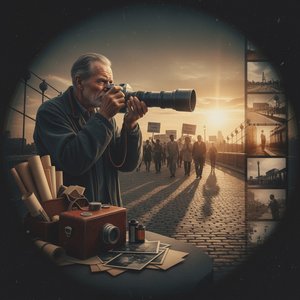
Witnessing History Through Lens & Light: Documentary Photography's Enduring Legacy
Explore the powerful history of documentary photography – from its origins to contemporary masters like Gordon Parks & W. Eugene Smith. Discover how this art form shapes our understanding of society and witness pivotal moments in time.

Monochrome Visions: Exploring the Aesthetic & Historical Significance of Black & White Photography
Explore the rich history & artistic power of black and white photography. From early techniques to iconic masters like Ansel Adams, discover why monochrome continues to captivate art lovers today. Expert insights for collectors.

Οι 10 πιο διάσημες πίνακες με λευκό χρώμα: Ιστορία, τέχνη & διακόσμηση
Ανακαλύψτε τους 10 πιο διάσημους πίνακες με κυρίαρχο το λευκό χρώμα! Ιμπρεσιονισμός, μοντερνισμός & η ιστορία των μεγάλων καλλιτεχνών όπως ο Monet και ο Van Gogh. Βρείτε την τέλεια αναπαραγωγή πίνακα για τον χώρο σας στην OriginalUniqueArt.com.