

 Προεπισκόπηση
 Αποστολή
 Κοινοποίηση
 Λεπτομέρειες
 Οδηγός

 Λήψη
Λήψη
 Παρόμοια αντικείμενα συλλογής
 Ακτινογραφία
 Παρουσίαση
 Στατιστικά
The Old Actress
 Oil On Canvas
- WallArt
- German Expressionism
 1926
1926- Modern
 101.0 x 71.0 cm
 Μητροπολιτικό Μουσείο Τέχνης
 Περισσότερα λεπτομέρεια
Giclée / Εκτυπώσεις Τέχνης
Εκτύπωση giclée ή σε καμβά ποιότητας μουσείου με γρήγορη παραγωγή και ευέλικτες επιλογές φινιρίσματος. ( Αγορά χειροποίητου πίνακα Μετάβαση σε Ψηφιακή Εικόνα)




P118B €10

P118H €10

P118W €10

P438Z €10

P508JH €12

P508YH €12

P805H €10

P805Z €10

P919BZ €10

P919G €10

P919XJ €10

P959ZH €10

P968JZ €12

W106C €8

W218G €10

W218JH €8

W218Y €10

W307PJ €10

W316G €10

W316PJ €8

W316Y €10

W398PJ €8

W4111J €10

W500HY €15

W500JH €15

W692G €12

W849H €8

W940BG €15

W953PJ €8




Επιλέξτε από τις προκαθορισμένες διαστάσεις μας που διατηρούν τις αρχικές αναλογίες του έργου τέχνης.

Πληκτρολογήστε το πλάτος και το ύψος που επιθυμείτε, ώστε να ταιριάζουν στο κάδሮ ή στον τοίχο σας. Μια εκτύπωση μπορεί μόνο να κοπεί και ποτέ να μην γίνει μεγαλύτερη από την εικόνα, επομένως ένα μέγεθος με διαφορετικό σχήμα συνεπάγεται απώλεια ενός μέρους της εικόνας. Σας στέλνουμε ένα ψηφιακό mockup για έγκριση πριν εκτυπώσουμε οτιδήποτε. Η εικόνα που εμφανίζεται σε αυτή τη σελίδα δεν δείχνει την πραγματική κοπή — μόνο το mockup την παρουσιάζει.
Παγκόσμια Αποστολή () σε 2 εβδομάδες αντί για τις συνήθεις 4/5 εβδομάδες. (20 Οκτώβριος)

Δωρεάν γρήγορη διεθνής αποστολή

Κάμβας από Λινό Υψηλής Ποιότητας

Πλήρης ασφάλιση μεταφοράς

Εγγύηση επιστροφής δασμών και φόρων εισαγωγής

Εγγύηση Απόλυτης Ομοιότητας Χρωμάτων

Πολιτική Επιστροφής 100 Ημερών (Μόνο σε περίπτωση ελαττωμάτων)

Εγγύηση επιστροφής 100% των χρημάτων

Έκπτωση για πολλαπλές παραγγελίες
 Η επιλογή με γυαλί είναι διαθέσιμη μόνο για μεγέθη κάτω από 110 εκ.

The Old Actress
Giclée / Εκτυπώσεις Τέχνης
Διαστάσεις Αναπαραγωγής
-


Συνολικό Κόστος
€ 70
A Gaze Through Time: The Soul of Max Beckmann’s The Old Actress
In the quiet, heavy atmosphere of 1926, Max Beckmann captured a moment that transcends mere portraiture to become a profound meditation on the human condition. The Old Actress is not simply a depiction of a woman in repose; it is a hauntingly beautiful window into the psyche of an era caught between the trauma of the past and the uncertainty of the future. As the viewer approaches this masterpiece, they are immediately met by the piercing, yet distant gaze of the subject, whose eyes seem to wander far beyond the confines of the canvas, searching for memories or perhaps contemplating the inevitable passage of time. This sense of introspection is palpable, inviting anyone who hangs a reproduction of this work in their home to participate in a silent dialogue with history.
The composition is anchored by the striking presence of the woman, seated with a dignified yet weary posture. Her attire—a severe black dress accented with delicate white lace—carries a weight of solemnity, subtly evoking the austerity of clerical garments and hinting at a life lived with deep moral or spiritual consideration. Nestled in her lap, a ginger cat provides the only warmth in an otherwise somber palette, acting as a tender symbol of companionship that simultaneously highlights the profound solitude of the sitter. Beckmann’s mastery of New Objectivity is on full display here; through his use of distorted spatial perspectives and thick, textured brushstrokes, he creates an environment that feels both physically present and psychologically unsettling.
The Texture of Melancholy and Modernity
Technically, the painting is a triumph of expressionistic depth. Beckmann utilizes oil on canvas to build a surface that is as much about tactile emotion as it is about visual representation. The heavy application of paint creates a palpable atmosphere of melancholy, where every stroke contributes to the sense of unease and gravity. This technique serves to ground the subject in a reality that feels weighted by experience. For the discerning collector or interior designer, this piece offers a sophisticated focal point that brings a layer of intellectual and emotional complexity to any space, whether it be a curated gallery wall or a contemplative study.
To understand The Old Actress is to understand the spirit of post-World War I Europe. The painting breathes the disillusionment of a generation that had witnessed the collapse of old certainties. Beckmann, having served as a medical orderly during the Great War, infused his work with an altered vision of humanity—one where figures are often compressed or slightly skewed to reflect internal tension. In this portrait, the stillness is deceptive; beneath the surface lies the restless energy of a world in transition. It is this duality—the outward calm of the actress and the inward turbulence of her era—that makes this work an enduring icon of modern art, offering timeless inspiration for those who appreciate art that speaks to the resilience of the human spirit.
Ερωτήσεις & Απαντήσεις
Ποια διάθεση εκφράζει το "The Old Actress" του Μάξιμος Μπέκμαν εντός του German Expressionism;
Το Melancholic συναίσθημα του "The Old Actress" συνοδεύει το στυλ της καλλιτεχνικής κίνησης German Expressionism.
Ποιες είναι οι διαστάσεις του πρωτότυπου "The Old Actress" του Μάξιμος Μπέκμαν;
Το έργο "The Old Actress" έχει διαστάσεις 101 x 71 cm στην αρχική του μορφή. Οι αρχικές διαστάσεις αποτελούν μια χρήσιμη αναφορά κατά την επιλογή μεγέθους για μια αναπαραγωγή.
Ποια είναι η ιστορική θέση του "The Old Actress";
Η ιστορικό-καλλιτεχνική ταξινόμηση του έργου "The Old Actress" του Μάξιμος Μπέκμαν ανήκει στο/στη German Expressionism, κατά την περίοδο του Modern.
Βιογραφικό Καλλιτέχνη
Early Life and Artistic Development
Max Carl Friedrich Beckmann, born February 12, 1884, in Leipzig, Saxony, embarked on his artistic journey with a grounding in academically correct depictions—a stylistic choice that would soon yield to a radically transformed vision. Influenced by the solemn imagery of medieval stained glass, Beckmann’s formative years were marked by exposure to artists like Cézanne and Vincent van Gogh, whose explorations of form and color foreshadowed the expressive breakthroughs to come. Serving as a medical orderly during World War I profoundly impacted his worldview, instilling within him a deep awareness of human suffering and trauma—a preoccupation that would permeate his subsequent artistic endeavors.Artistic Style and Influences
Beckmann’s distinctive style emerged from a confluence of influences spanning across centuries. He drew inspiration from the monumental canvases of Rembrandt and Rubens, absorbing their masterful use of chiaroscuro and anatomical precision. However, Beckmann's true artistic identity solidified through engagement with Northern European artists of the late Middle Ages and early Renaissance—Bosch, Bruegel, and Matthias Grünewald—whose unsettling visions of humanity and apocalypse served as crucial catalysts for his own stylistic evolution. These masters championed a dramatic juxtaposition of light and dark, mirroring Beckmann’s desire to convey psychological depth and existential anxieties.Notable Works and Exhibitions
Beckmann's oeuvre encompasses a remarkable range of mediums and themes—painting, drawing, printmaking, and sculpture—each reflecting his unwavering commitment to artistic experimentation. Among his most celebrated creations is “The Bark,” acquired by the National Gallery in Berlin, a haunting depiction of human vulnerability against the backdrop of an unforgiving landscape. Similarly, "Self-Portrait in Tuxedo," purchased in 1928, offers a poignant glimpse into Beckmann’s inner life—a self-conscious meditation on identity and artistic ambition. His work graced prominent exhibition halls across Germany and Switzerland during the 1920s and 30s, establishing him as a leading voice within the Expressionist movement.Later Life and Exile
The ascent of Adolf Hitler irrevocably altered Beckmann’s trajectory—resulting in his dismissal from the Frankfurt Art School and the confiscation of over 500 of his artworks. Forced into exile in Amsterdam for ten years, he wrestled with bureaucratic obstacles attempting to secure a visa for the United States. Despite facing considerable hardship, Beckmann persevered in his artistic pursuits, continuing to produce evocative paintings that captured the spirit of his time.Legacy
Beckmann’s influence extended beyond his immediate contemporaries—inspiring generations of artists who embraced his uncompromising aesthetic and thematic concerns. He taught at Washington University in St. Louis and the Brooklyn Museum, nurturing young talent and fostering a dialogue about artistic innovation. His first retrospective in the United States took place in 1948 at the City Art Museum, Saint Louis, cementing his reputation as one of Germany’s foremost modernist painters. Today, Max-Slevogt Galerie proudly showcases a comprehensive collection of Beckmann's masterpieces—a testament to his enduring artistic legacy.
Μάξιμος Μπέκμαν
1884 - 1950 , Γερμανία
Στοιχεία καλλιτέχνη
- Artistic Movement Or Style: Εκφρατισμός
- Artists Or Movements Influenced By This Artist: ['Γουργκό']
- Artists Who Influenced This Artist:
- Ρεμбранτς
- Βοσχ
- Date Of Birth: Φεβρουάριος 12, 1884
- Date Of Death: Δεκέμβριος 27, 1950
- Full Name: Max Carl Friedrich Beckmann
- Nationality: Γερμανός
- Notable Artworks:
- Το Μπισό
- Η Καντελάρα
- Place Of Birth: Λειψία, Γερμανία
- Useful Links:
- {'content': 'Ένα έργο του Μάξιμου Έρνστ που ανήκει στην πρώιμη δουλειά του Δαδισμού και του σουρεαλισμού, με παράδοξη σύνθεση και χρήση έντονων χρωμάτων για να προκαλέσει σκέψεις σχετικά με την ανθρώπινη σχέση και την απουσία λογικής.', 'title': 'Το Μπισό', 'url': '/en/art/max-ernst--8EWLHL-el/', 'url_image': '/media/artworks/images/thumbnails/36/bc/36bc68bb0f1d43c3b35a158056ba56a9.jpg'}
- {'content': "Εξερευνήστε τον σουρεαλιστικό πίνακα του Μάξ Έρνστ «Ευρώπη μετά τη βροχή ΙΙ», ένα έργο τέχνης που συνδυάζει έντονα χρώματα και μια μαγευτική τοπογραφία της περιόδου του Β' Παγκοσμίου Πολέμου.", 'title': 'Ευρώπη μετά τη βροχή ΙΙ', 'url': '/en/art/max-ernst--8XYK6C-el/', 'url_image': '/media/artworks/images/thumbnails/bc/86/bc8620bc00674d4eaeedfa50c1fc7661.jpg'}
Σχετικά άρθρα
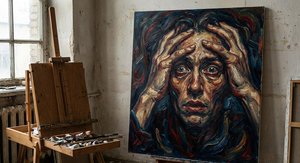
Figurative Expressionism: Emotional Intensity & Subjective Reality in 20th-Century Art
Explore the powerful world of Figurative Expressionism with OriginalUniqueArt. Discover key artists like Kirchner & Beckmann, understand its emotional depth, and learn how to collect this influential 20th-century art movement.

Γερμανικός Εξπρεσιονισμός: 10 Αριστουργήματα που Άλλαξαν την Τέχνη | OriginalUniqueArt.gr
Ανακαλύψτε τα 10 αριστουργήματα του Γερμανικού Εξπρεσιονισμού! Munch, Kirchner & άλλοι καλλιτέχνες που καθόρισαν μια εποχή. Ιστορίες τέχνης, έντονα χρώματα και συναισθηματική δύναμη. Βρείτε πίνακες εξπρεσιονισμού υψηλής ποιότητας στο OriginalUniqueArt.gr

Max Beckmann: Navigating Trauma & Modernity Through a Distorted Lens
Explore the powerful world of Max Beckmann's art – a journey through trauma, modernity & distortion. Discover his key works, influences, and lasting legacy with expert analysis.

Unmasking Emotion: A Journey Through the Raw Power and Visceral Beauty of German Expressionism
Explore the raw emotional power of German Expressionism. From Kirchner to Die Brücke, discover how artists used distortion and vibrant color to unmask the human psyche. A deep dive into art history for the discerning collector and enthusiast.
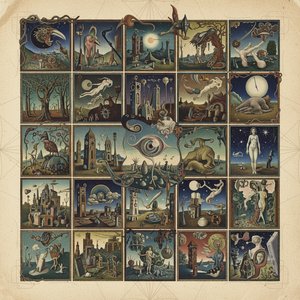
Max Ernst: Τα 25 Εμβληματικότερα Έργα του Σουρεαλιστή Καλλιτέχνη | OriginalUniqueArt.gr
Ανακαλύψτε τα 25 εμβληματικότερα έργα του Max Ernst, πρωτοπόρου του σουρεαλισμού. Εξερευνήστε την ιστορία, τις τεχνικές και το όραμα πίσω από πίνακες που άλλαξαν την τέχνη. Υψηλής ποιότητας αναπαραγωγές & διακόσμηση στο OriginalUniqueArt.com.


