

 Δείτε σε πραγματικό χώρο
 Αποστολή
 Κοινοποίηση
 Λεπτομέρειες

 Λήψη
Λήψη
 Παρόμοια αντικείμενα συλλογής
 Ακτινογραφία
 Παρουσίαση
 Στατιστικά
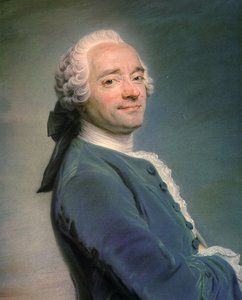
Self-Portrait
 Pastel
- Rococo Style
 1751
1751- Early Modern
 65.0 x 53.0 cm
 Musée de Picardie
 Διαβάστε περισσότερα
Αγοράστε μια ψηφιακή εικόνα υψηλής ανάλυσης και βελτιωμένης ποιότητας, πολύ ανώτερης από την προεπισκόπηση στο διαδίκτυο.
Κάθε αρχείο προετοιμάζεται σχολαστικά από τους εξειδικευμένους συνεργάτες μας, με τη χρήση προηγμένων εργαλείων και χειροκίνητου ρετουσαρίσματος υψηλής ακρίβειας. Εξασφαλίζουμε ότι κάθε εικόνα προσφέρει εξαιρετική ευκρίνεια, απόλυτη πιστότητα στο χρώμα και λεπτομερή ανάδραση των λεπτομερειών.
Το τελικό αρχείο παραδίδεται μέσω email εντός 72 ωρών, βελτιστοποιημένο για άμεση χρήση σε επαγγελματικά, εκδοτικά και έντυπα περιβάλλοντα. Πρόκειται για την ίδια ποιότητα που εμπιστεύονται κορυφαία studios σχεδιασμού, εκδότες και γκαλερί.
Ψηφιακή εικόνα
Κατεβάστε ένα αρχείο υψηλής ανάλυσης για προσωπική χρήση, εκτύπωση και δημιουργικά έργα. ( Μετάβαση σε Εκτυπωση Αγορά χειροποίητου πίνακα)
Περιλαμβάνεται σε κάθε παραγγελία ψηφιακής εικόνας
Επαγγελματική Ψηφιακή Παράδοση με Εγγύηση
Όταν επιλέγετε το OriginalUniqueArt.com, δεν αποκτάτε απλώς μια εικόνα – λαμβάνετε ένα επαγγελματικά αναβαθμισμένο ψηφιακό έργο τέχνης, δημιουργημένο με ακρίβεια και με εγγύηση ικανοποίησης. Δείτε όλα όσα περιλαμβάνονται στην παραγγελία σας, αυτόματα:

Άμεση αποστολή μέσω email
Το ψηφιακό σας αρχείο εικόνας υψηλής ανάλυσης θα σας σταλεί μέσω email εντός 72 ωρών από την παραγγελία σας — έτοιμο για άμεση χρήση.

Ψηφιακό Αρχείο με Τεχνητή Νοημοσύνη
Το έργο σας βελτιστοποιείται επαγγελματικά με τη χρήση προηγμένων εργαλείων Τεχνητής Νοημοσύνης και χειροκίνητης επεξεργασίας, εξασφαλίζοντας μέγιστη λεπτομέρεια, ευκρίνεια και ακρίβεια χρωμάτων.

Δωρεάν επανεκδόσεις مدى ζωής
Απώλησες ή διαγράψατε κατά λάθος το αρχείο σας; Μην ανησυχείτε — θα σας το ξαναστείλομε οποιαδήποτε στιγμή, δωρεάν.

Χωρίς Τελωνειακούς Φόρους - Ποτέ
Απολαύστε αμέσως τα έργα τέχνης σας χωρίς δασμούς, φόρους ή έξοδα αποστολής - οι ψηφιακές λήψεις είναι πάντα αφορεশিপτεία.

Εγγύηση Ακριβούς Χρωματισμού
Εξασφαλίζουμε ότι η ψηφιακή σας εικόνα αποτυπώνει τα αυθεντικά χρώματα όσο το δυνατόν πιστότερα, χρησιμοποιώντας επαγγελματικά εργαλεία και διαχείριση χρωμάτων.

Εγγύηση Ικανοποίησης 100 Ημερών
Εάν δεν είστε ικανοποιημένοι με την ψηφιακή σας εικόνα, θα την τροποποιήσουμε ή θα σας επιστρέψουμε το 100% εντός 100 ημερών - χωρίς κανένα ερώτημα.

100% Εγγύηση Επιστροφής Χρήματος
Δεν είστε ικανοποιημένοι; Λάβετε πλήρη επιστροφή των χρημάτων σας εντός 100 ημερών από τη λήψη του ψηφιακού σας αρχείου - χωρίς κανένα ερώτημα.

Εκπτώσεις για μαζικές παραγγελίες
Αγοράστε 3 εικόνες, κάντε εξοικονόμηση 10% - Αγοράστε 5, κάντε εξοικονόμηση 15% - Αγοράστε 10+, κάντε εξοικονόμηση 20%. Ιδανικό για δημιουργικά έργα, γκαλερί και agencies.
A Masterpiece of Pastel Intimacy
In the delicate dance of light and shadow that defines the Rococo era, few works capture the profound intimacy of the human spirit quite like Maurice Quentin de La Tour’s Self-Portrait. Created in 1751, this exquisite piece serves as a window into the soul of one of the eighteenth century's most celebrated portraitists. Rather than presenting a mere mask of social standing, De La Tour utilizes the unique, velvety texture of pastels to render a moment of quiet introspection. The subject emerges from a muted, atmospheric background of soft blues and ethereal cloud-like patterns, creating a sense of depth that feels both infinite and deeply personal. Every stroke of the pastel medium contributes to a lifelike vitality, where the subtle shading around the eyes and the gentle highlights on the skin invite the viewer into a silent dialogue with the artist himself.
The technical brilliance of this work lies in De La Tour’s unparalleled command over the fragile medium of pastel. Unlike the heavy, layered textures of oil painting, pastels allow for a luminous, powdery finish that mimics the softness of human flesh and the airy lightness of a wigged era. The artist demonstrates an extraordinary attention to detail, from the intricate, crisp folds of his dark blue aristocratic coat to the delicate, wispy strands of hair that frame his face. This mastery of texture creates a tactile experience for the viewer; one can almost feel the smoothness of the fine fabric and the lightness of the white cravat. For the discerning collector or interior designer, such a piece offers more than just visual beauty—it provides a sophisticated focal point that radiates elegance and historical weight.
A Legacy of Rococo Elegance
To behold this self-portrait is to step into the heart of the French Enlightenment. During an age defined by the grandeur of Louis XV, De La Tour carved out a niche by capturing the psychological depth of his subjects, ranging from the intellectual wit of Voltaire to the regal grace of Madame de Pompadour. This Self-Portrait embodies that same spirit of character study. The composition is masterfully balanced, with the subject centrally placed to command attention, yet the soft color palette ensures the portrait remains graceful rather than imposing. It is a work that speaks of status and refinement through its formal attire, yet whispers of the artist's internal world through his expressive gaze.
For those looking to adorn a curated space, a high-quality reproduction of this masterpiece brings a touch of timeless prestige. Whether placed in a sunlit library or a sophisticated contemporary salon, the soft tones and classical composition of De La Tour’s work harmonize beautifully with both traditional and modern aesthetics. Owning a piece that celebrates such profound craftsmanship allows one to preserve the legacy of the Rococo period, ensuring that the delicate beauty and emotional resonance of 1751 continue to inspire generations of art lovers.
Βιογραφικό Καλλιτέχνη
Maurice Quentin de La Tour: The Pastel Maestro of Rococo Elegance
Maurice Quentin de La Tour (1704-1788) stands as a singular figure in the annals of French art history—a master craftsman whose dedication to pastel portraiture elevated the medium to unprecedented heights during the opulent era of Rococo. Born into a musical family in Saint-Quentin, Picardy, his early life foreshadowed a path diverging from conventional expectations; instead of pursuing music professionally, he embraced painting with unwavering conviction.
Around 1724, De La Tour embarked on a transformative journey to Paris, where he enrolled under the tutelage of Jacques Spoede and honed his skills during brief stints in Rheims. This formative period exposed him to artistic currents circulating throughout Europe, notably influencing his style with elements of Flemish Baroque painting.
Early Artistic Development & Influences
His initial portraits—particularly the captivating depiction of Voltaire (1731)—demonstrated an innate talent for capturing not merely likeness but also psychological nuance. The engraving by Langlois ensured widespread recognition and solidified his reputation as a portraitist capable of conveying character with remarkable sensitivity.
The stylistic imprint of Flemish Baroque artists is evident in De La Tour’s meticulous attention to detail, particularly in the rendering of drapery folds and facial expressions—characteristics that would become hallmarks of his oeuvre. Furthermore, he absorbed inspiration from English Rococo aesthetics, which favored a lighter palette and an emphasis on decorative elements.
Pastel Mastery & The Rococo Style
De La Tour’s unparalleled skill in pastel painting distinguishes him from many of his contemporaries. He skillfully manipulated the medium's velvety texture to achieve portraits imbued with ethereal beauty and subtle emotional depth. Unlike oil paint, pastel allowed for delicate gradations of color and tonal variation—techniques that perfectly suited De La Tour’s artistic vision.
The Rococo style permeated his work, characterized by an embrace of asymmetry, ornamentation, and a celebration of aristocratic leisure. His canvases shimmered with iridescent hues and intricate patterns, reflecting the prevailing taste for opulent decoration within French courts during Louis XV's reign.
Notable Portraits & Legacy
Among De La Tour’s most celebrated commissions were portraits of Madame de Pompadour (1756), capturing her regal composure and embodying the glamour of Versailles. Similarly, his depictions of Louis XV conveyed both dignity and warmth—a testament to his ability to portray monarchs as human beings rather than mere symbols of power.
His prolific output at the Salon spanned three decades, producing over 150 portraits that captivated audiences and established him as one of the foremost artists of his time. De La Tour’s influence extended beyond his own generation; he inspired subsequent pastelists to explore new expressive possibilities.
Today, De La Tour’s masterpieces reside in prestigious museums worldwide—including the Louvre and Musée d'Orsay—providing invaluable insights into the artistic sensibilities and social dynamics of 18th-century France. His legacy endures as a beacon of pastel artistry—a testament to his unwavering dedication to craftmanship and his profound understanding of human psychology.
Μωρίς Κουέντιν ντε Λα Τούρ
1704 - 1788 , Γαλλία
Γρήγορα στοιχεία
- Artistic Movement Or Style: Ροκακό
- Artists Or Movements Influenced By This Artist: ['Ροκακό']
- Artists Who Influenced This Artist: ['Ζακ Σποέ']
- Date Of Birth: 5 Σεπτεμβρίου 1704
- Full Name: Maurice Quentin de La Tour
- Nationality: Γάλλος
- Notable Artworks:
- Πορτραίτο του Βολταίρου
- Αυτοπροσωπογραφία με χαμόγελο
- Πορτραίτο της Μαρίας Ντε Πωμπαδουρ
- Place Of Birth: Σεντ-Κουένταϊν, Γαλλία