

 Προεπισκόπηση σε πραγματική κλίμακα
 Αποστολή
 Κοινοποίηση
 Λεπτομέρειες
 Οδηγός

 Λήψη
Λήψη
 Παρόμοια αντικείμενα συλλογής
 Ακτινογραφία
 Παρουσίαση
 Στατιστικά
Maréchal de Saxe
 Pastel
- WallArt
- Rococo Portraiture
 Early Modern
 61.0 x 51.0 cm
 Μουσείο του Λούβρου
 Περισσότερα
Giclée / Εκτυπώσεις Τέχνης
Εκτύπωση giclée ή σε καμβά ποιότητας μουσείου με γρήγορη παραγωγή και ευέλικτες επιλογές φινιρίσματος. ( Αγορά χειροποίητου πίνακα Μετάβαση σε Ψηφιακή Αποτέλεσμα)




P118B €10

P118H €10

P118W €10

P438Z €10

P508JH €12

P508YH €12

P805H €10

P805Z €10

P919BZ €10

P919G €10

P919XJ €10

P959ZH €10

P968JZ €12

W106C €8

W218G €10

W218JH €8

W218Y €10

W307PJ €10

W316G €10

W316PJ €8

W316Y €10

W398PJ €8

W4111J €10

W500HY €15

W500JH €15

W692G €12

W849H €8

W940BG €15

W953PJ €8




Επιλέξτε από τις προκαθορισμένες διαστάσεις μας που διατηρούν τις αρχικές αναλογίες του έργου τέχνης.

Εισάγετε το πλάτος και το ύψος που επιθυμείτε, ώστε να ταιριάζουν στο κάδሮ ή στον τοίχο σας. Μια εκτύπωση μπορεί μόνο να υποστεί κοψίμό και ποτέ να μην γίνει μεγαλύτερη από την αρχική εικόνα, επομένως η επιλογή μεγέθους με διαφορετικό σχήμα συνεπάγεται απώλεια ενός μέρους της εικόνας. Σας στέλνουμε ένα ψηφιακό mockup για έγκριση πριν προχωρήσουμε σε οποιαδήποτε εκτύπωση. Η εικόνα που εμφανίζεται σε αυτή τη σελίδα δεν δείχνει την πραγματική κοπή — μόνο το mockup την παρουσιάζει.
Παγκόσμια Αποστολή () σε 2 εβδομάδες αντί για τις συνήθεις 4/5 εβδομάδες. (27 Οκτώβριος)

Δωρεάν γρήγορη διεθνής αποστολή

Κάμβας από Λινό Υψηλής Ποιότητας

Πλήρης ασφάλιση μεταφοράς

Εγγύηση επιστροφής δασμών και φόρων εισαγωγής

Εγγύηση Απόλυτης Ομοιότητας Χρωμάτων

Πολιτική Επιστροφής 100 Ημερών (Μόνο σε περίπτωση ελαττωμάτων)

Εγγύηση επιστροφής 100% των χρημάτων

Προσφορά για πολλαπλές παραγγελίες
 Η επιλογή με γυαλί είναι διαθέσιμη μόνο για μεγέθη κάτω από 110 εκ.

Maréchal de Saxe
Giclée / Εκτυπώσεις Τέχνης
Διαστάσεις Αναπαραγωγής
-


Τελική Τιμή
€ 70
A Vision of Rococo Grandeur
In the delicate dance of light and pigment, few works capture the aristocratic splendor of the eighteenth century as intimately as Maurice Quentin de La Tour’s 1731 pastel portrait, Maréchal de Saxe. To gaze upon this masterpiece is to step directly into the opulent intellectual landscape of Enlightenment France, where every brushstroke—or in this case, every soft application of pastel—serves to elevate the subject beyond mere mortal likeness. The portrait does not simply present a military commander; it orchestrates a symphony of power, prestige, and refined grace. Through the masterful use of the pastel medium, De La Tour achieves an ethereal luminosity that oil paints often struggle to replicate, allowing the skin tones to glow with a lifelike warmth and the fabrics to shimmer with a soft, tactile elegance.
The subject himself, the celebrated Maréchal de Saxe, is rendered with a profound sense of dignity. Clad in the authoritative attire of his station, he wears a striking blue sash draped across his shoulder, a symbol of high rank that cuts through the composition with a regal vibrancy. His black coat, punctuated by meticulously detailed gold buttons, speaks to the wealth and status inherent in his role as an influential advisor to Louis XV. De La Tour’s technical prowess is most evident in the subtle gradations of color; he blends hues of cerulean, cream, and gold so seamlessly that the textures of silk, lace, and skin appear almost tangible. This soft-focus brilliance is a hallmark of the Rococo style, creating an atmosphere that feels both intensely real and dreamily idealized.
The Intersection of Might and Intellect
Beyond the surface beauty of the portrait lies a deeper narrative regarding the cultural zeitgeist of the era. During this period, the ideals of the Enlightenment—reason, virtue, and intellect—were beginning to reshape the French court. De La Tour, a master of characterization, does not merely depict a soldier of war; he presents an embodiment of these very ideals. The Maréchal’s expression, marked by a quiet confidence and a gaze of seasoned wisdom, suggests a man whose strategic brilliance is matched by his philosophical depth. This portrayal aligns beautifully with the spirit of contemporaries like Voltaire, whose influence permeated the artistic circles of the time.
The minimalist background serves a vital compositional purpose, stripping away the distractions of a cluttered landscape to focus the viewer's entire emotional investment on the man himself. By placing the Maréchal against a plain, light-colored void, De La Tour ensures that the interplay of shadow and light on the subject's face becomes the focal point. This choice emphasizes the psychological depth of the sitter, inviting collectors and art enthusiasts to contemplate the weight of responsibility carried by such an influential figure.
An Enduring Legacy for the Discerning Collector
For the interior designer or the passionate art collector, a high-quality reproduction of Maréchal de Saxe offers more than just a decorative element; it provides a window into a vanished era of elegance. The piece possesses a unique ability to anchor a room, bringing a sense of historical gravity and sophisticated charm to any space. Whether placed in a sunlit library or a formal dining hall, the soft textures and regal color palette of the pastel medium evoke a feeling of timeless luxury.
Owning a reproduction of this caliber allows one to celebrate the technical mastery of Maurice Quentin de La Tour, an artist who redefined the possibilities of pastel. The artwork serves as a conversation piece that bridges the gap between the historical grandeur of the French monarchy and the modern aesthetic appreciation for fine detail and emotive portraiture. It is an investment in atmosphere, a tribute to the enduring power of the Rococo spirit, and a profound addition to any curated collection of fine art.
Ερωτήσεις και Απαντήσεις
Πού μπορώ να βρω χειροποίητα αντίγραφα του "Maréchal de Saxe" του Μωρίς Κουέντιν ντε Λα Τούρ;
Οι χειρόγραφες αντιγράφιες του έργου "Maréchal de Saxe" του Μωρίς Κουέντιν ντε Λα Τούρ είναι διαθέσιμες στο αυτή η ιστοσελίδα, μέσω της σελίδας αναπαραγωγή με ζωγραφισμένο με λάδι σε καμβά λινου, από την οποία μπορείτε να πραγματοποιήσετε την παραγγελία σας στην ενότητα Αντιγραφή με Χειρόχειρο Ζωγράφισμα.
Πού εκτίθεται σήμερα το "Maréchal de Saxe" του Μωρίς Κουέντιν ντε Λα Τούρ;
Το πρωτότυπο έργο "Maréchal de Saxe" εκτίθεται στο Μουσείο του Λούβρου, Paris, France.
Μπορώ να δω μια ακτινογραφική απεικόνιση του "Maréchal de Saxe" του Μωρίς Κουέντιν ντε Λα Τούρ;
Η προβολή X-Ray του έργου "Maréchal de Saxe" του Μωρίς Κουέντιν ντε Λα Τούρ βρίσκεται στη σελίδα Ακτινογραφική εξέταση: μια διαδραστική εξέταση της εικόνας μέσα από έντεκα οπτικά επίπεδα.
Βιογραφικό Καλλιτέχνη
Maurice Quentin de La Tour: The Pastel Maestro of Rococo Elegance
Maurice Quentin de La Tour (1704-1788) stands as a singular figure in the annals of French art history—a master craftsman whose dedication to pastel portraiture elevated the medium to unprecedented heights during the opulent era of Rococo. Born into a musical family in Saint-Quentin, Picardy, his early life foreshadowed a path diverging from conventional expectations; instead of pursuing music professionally, he embraced painting with unwavering conviction.
Around 1724, De La Tour embarked on a transformative journey to Paris, where he enrolled under the tutelage of Jacques Spoede and honed his skills during brief stints in Rheims. This formative period exposed him to artistic currents circulating throughout Europe, notably influencing his style with elements of Flemish Baroque painting.
Early Artistic Development & Influences
His initial portraits—particularly the captivating depiction of Voltaire (1731)—demonstrated an innate talent for capturing not merely likeness but also psychological nuance. The engraving by Langlois ensured widespread recognition and solidified his reputation as a portraitist capable of conveying character with remarkable sensitivity.
The stylistic imprint of Flemish Baroque artists is evident in De La Tour’s meticulous attention to detail, particularly in the rendering of drapery folds and facial expressions—characteristics that would become hallmarks of his oeuvre. Furthermore, he absorbed inspiration from English Rococo aesthetics, which favored a lighter palette and an emphasis on decorative elements.
Pastel Mastery & The Rococo Style
De La Tour’s unparalleled skill in pastel painting distinguishes him from many of his contemporaries. He skillfully manipulated the medium's velvety texture to achieve portraits imbued with ethereal beauty and subtle emotional depth. Unlike oil paint, pastel allowed for delicate gradations of color and tonal variation—techniques that perfectly suited De La Tour’s artistic vision.
The Rococo style permeated his work, characterized by an embrace of asymmetry, ornamentation, and a celebration of aristocratic leisure. His canvases shimmered with iridescent hues and intricate patterns, reflecting the prevailing taste for opulent decoration within French courts during Louis XV's reign.
Notable Portraits & Legacy
Among De La Tour’s most celebrated commissions were portraits of Madame de Pompadour (1756), capturing her regal composure and embodying the glamour of Versailles. Similarly, his depictions of Louis XV conveyed both dignity and warmth—a testament to his ability to portray monarchs as human beings rather than mere symbols of power.
His prolific output at the Salon spanned three decades, producing over 150 portraits that captivated audiences and established him as one of the foremost artists of his time. De La Tour’s influence extended beyond his own generation; he inspired subsequent pastelists to explore new expressive possibilities.
Today, De La Tour’s masterpieces reside in prestigious museums worldwide—including the Louvre and Musée d'Orsay—providing invaluable insights into the artistic sensibilities and social dynamics of 18th-century France. His legacy endures as a beacon of pastel artistry—a testament to his unwavering dedication to craftmanship and his profound understanding of human psychology.
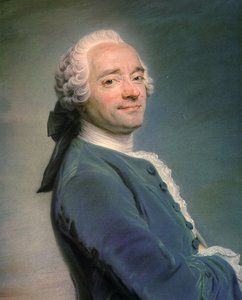
Μωρίς Κουέντιν ντε Λα Τούρ
1704 - 1788 , Γαλλία
Γρήγορα στοιχεία
- Artistic Movement Or Style: Ροκακό
- Artists Or Movements Influenced By This Artist: ['Ροκακό']
- Artists Who Influenced This Artist: ['Ζακ Σποέ']
- Date Of Birth: 5 Σεπτεμβρίου 1704
- Full Name: Maurice Quentin de La Tour
- Nationality: Γάλλος
- Notable Artworks:
- Πορτραίτο του Βολταίρου
- Αυτοπροσωπογραφία με χαμόγελο
- Πορτραίτο της Μαρίας Ντε Πωμπαδουρ
- Place Of Birth: Σεντ-Κουένταϊν, Γαλλία
Σχετικά άρθρα
The Elegance of Rococo Portraiture: A Journey Through Grace, Soft Light, and Pastel Dreams
Discover the exquisite world of Rococo portraiture. Explore the delicate beauty of 18th-century French art, from pastel light to graceful asymmetry, and learn how to bring this era of elegance into your home through masterfully hand-painted oil reproductions.

Maurice Quentin de La Tour: Light, Shadow & the Rococo Portrait
Explore the captivating world of Maurice Quentin de La Tour, a master of Rococo portraiture. Discover his innovative pastel techniques, intimate depictions of French aristocracy, and lasting artistic legacy. Learn more at OriginalUniqueArt.

Οι Κορυφαίοι 25 Πίνακες του Goya: Έμπνευση για Διακόσμηση & Τέχνη
Ανακαλύψτε τους 25 κορυφαίους πίνακες του Goya! Εξερευνήστε την Ισπανική ζωγραφική, τον Ρομαντισμό και τις Μαύρες Ζωγραφίες. Βρείτε έμπνευση για διακόσμηση & υψηλής ποιότητας αναπαραγωγές τέχνης στο OriginalUniqueArt.com.
Georges de La Tour: Luminosity, Spirituality & Realism in Baroque Painting
Discover the captivating world of Georges de La Tour, a Baroque master renowned for his dramatic chiaroscuro & spiritual realism. Explore key works, influences, and his remarkable rediscovery. Learn more at OriginalUniqueArt.
Águeda Ruiz de la Prada: A Study of Eclecticism & Emotional Resonance in Contemporary Spanish Painting
Discover the vibrant world of Ágatha Ruiz de la Prada, a leading figure in contemporary Spanish art. Explore her eclectic style, emotional depth & legacy – a must-read for discerning collectors.