
 Προεπισκόπηση σε πραγματική κλίμακα
 Αποστολή
 Κοινοποίηση
 Λεπτομέρειες
 Οδηγός

 Λήψη
Λήψη
 Παρόμοια αντικείμενα συλλογής
 Ακτινογραφία
 Παρουσίαση
 Ερωτήσεις & Απαντήσεις
 Στατιστικά
The Resurrection


 Περισσότερα
Giclée / Εκτυπώσεις Τέχνης
Εκτύπωση giclée ή σε καμβά ποιότητας μουσείου με γρήγορη παραγωγή και ευέλικτες επιλογές φινιρίσματος. ( Αγορά χειροποίητου πίνακα Μετάβαση σε Ψηφιακή Αποτέλεσμα)




P118B €10

P118H €10

P118W €10

P438Z €10

P508JH €12

P508YH €12

P805H €10

P805Z €10

P919BZ €10

P919G €10

P919XJ €10

P959ZH €10

P968JZ €12

W106C €8

W218G €10

W218JH €8

W218Y €10

W307PJ €10

W316G €10

W316PJ €8

W316Y €10

W398PJ €8

W4111J €10

W500HY €15

W500JH €15

W692G €12

W849H €8

W940BG €15

W953PJ €8




Επιλέξτε από τις προκαθορισμένες διαστάσεις μας που διατηρούν τις αρχικές αναλογίες του έργου τέχνης.

Εισάγετε το πλάτος και το ύψος που επιθυμείτε, ώστε να ταιριάζουν στο κάδሮ ή στον τοίχο σας. Μια εκτύπωση μπορεί μόνο να υποστεί κοψίμό και ποτέ να μην γίνει μεγαλύτερη από την αρχική εικόνα, επομένως η επιλογή μεγέθους με διαφορετικό σχήμα συνεπάγεται απώλεια ενός μέρους της εικόνας. Σας στέλνουμε ένα ψηφιακό mockup για έγκριση πριν προχωρήσουμε σε οποιαδήποτε εκτύπωση. Η εικόνα που εμφανίζεται σε αυτή τη σελίδα δεν δείχνει την πραγματική κοπή — μόνο το mockup την παρουσιάζει.
Παγκόσμια Αποστολή () σε 2 εβδομάδες αντί για τις συνήθεις 4/5 εβδομάδες. (4 Νοέμβριος)

Δωρεάν γρήγορη διεθνής αποστολή

Κάμβας από Λινό Υψηλής Ποιότητας

Πλήρης ασφάλιση μεταφοράς

Εγγύηση επιστροφής δασμών και φόρων εισαγωγής

Εγγύηση Απόλυτης Ομοιότητας Χρωμάτων

Πολιτική Επιστροφής 100 Ημερών (Μόνο σε περίπτωση ελαττωμάτων)

Εγγύηση επιστροφής 100% των χρημάτων

Προσφορά για πολλαπλές παραγγελίες
 Η επιλογή με γυαλί είναι διαθέσιμη μόνο για μεγέθη κάτω από 110 εκ.

The Resurrection
Giclée / Εκτυπώσεις Τέχνης
Διαστάσεις Αναπαραγωγής
-


Τελική Τιμή
€ 72
A Vision of Ascent: Matthias Grünewald’s “The Resurrection”
Matthias Grünewald's "The Resurrection," painted around 1515, isn’t merely a depiction of a biblical event; it’s a visceral experience. This monumental panel, now housed in the Unterlinden Museum in Colmar, France, transcends simple narrative to become a profound meditation on faith, sacrifice, and the triumph over darkness. It's a work that immediately commands attention, not through polished realism, but through an intensely emotional and dramatically charged atmosphere – a hallmark of Grünewald’s unique Northern Renaissance style.
The painting unfolds as a carefully orchestrated drama. At its heart stands Christ, not in serene repose, but powerfully ascending into the heavens. His body, ravaged by the wounds of the crucifixion, is rendered with an almost agonizing detail – the flayed skin, the exposed nails, the blue-tinged lips conveying both suffering and divine presence. This isn’t idealized beauty; it's a raw, unflinching portrayal of human agony transformed into spiritual victory. Below him lies a chaotic tableau of fallen Roman soldiers, their armor scattered, weapons abandoned, symbolizing the defeat of earthly power by the resurrected Christ.
The Language of Light and Shadow: Technique and Style
Grünewald’s mastery lies in his manipulation of light and shadow – a technique known as *chiaroscuro*. The scene is dominated by deep, almost impenetrable blacks that contrast sharply with the radiant glow emanating from Christ himself. This dramatic lighting isn't just aesthetic; it serves to elevate Christ to a divine level, casting him as the source of all illumination and hope. The artist employs impasto – thick layers of paint applied directly to the panel – creating a tactile surface that adds depth and physicality to the figures and architectural elements. The brushstrokes are visible, lending a sense of immediacy and energy to the composition.
Notice also the deliberate flattening of perspective. Grünewald prioritizes emotional impact over strict realism, drawing the viewer’s eye upwards towards Christ's ascent through strong diagonals and a tightly structured composition. This compositional choice reinforces the painting’s central theme: the movement from earthly suffering to heavenly glory.
Symbolism and Context: A Hospital Altarpiece
“The Resurrection” wasn’t created for a grand cathedral, but for the hospital of St. Anthony in Issenheim, a monastery dedicated to caring for plague victims. The monks there were particularly skilled at treating ergotism, a debilitating disease characterized by gangrene and convulsions. The imagery within the painting – Christ's wounds mirroring the symptoms of the afflicted – was intended to offer comfort and reassurance to those suffering from this horrific illness. It’s a poignant example of art serving as a source of spiritual healing.
Furthermore, the inclusion of figures like Saint Sebastian (pierced by arrows) and John the Baptist (pointing towards Christ) adds layers of symbolic meaning. Sebastian represents martyrdom and sacrifice, while John foreshadows the coming of the Messiah. The lamb, held by John, is a potent symbol of Christ as the sacrificial Lamb of God.
A Legacy of Dramatic Intensity
“The Resurrection” remains one of Grünewald’s most powerful and enduring works. Its raw emotion, dramatic composition, and profound symbolism continue to resonate with viewers centuries later. It's a testament to the artist’s ability to capture not just the events of the biblical narrative, but also the complex emotions associated with faith, suffering, and redemption. Reproductions of this masterpiece offer a remarkable opportunity to experience Grünewald’s visionary style in your own space – a window into a world of intense spirituality and artistic brilliance.
Ερωτήσεις και Απαντήσεις
Πότε και με ποια υλικά δημιουργήθηκε το "The Resurrection";
Η τεχνική του έργου "The Resurrection" του Ματthias Γκρούνεβαλης είναι Oil On Panel και η χρονολογία του είναι το 1515.
Πώς μπορώ να αποκτήσω ένα ψηφιακό αρχείο του "The Resurrection" του Ματthias Γκρούνεβαλης;
Μπορείτε να αγοράσετε μια ψηφιακή εικόνα του έργου "The Resurrection" του Ματthias Γκρούνεβαλης στη σελίδα Ψηφιακό Αρχείο Εικόνας: λήψη ψηφιακής εικόνας υψηλής ανάλυσης.
Τα χρώματα του "The Resurrection" φαίνονται έντονα ή απαλά;
Το έργο "The Resurrection" του Ματthias Γκρούνεβαλης παρουσιάζει ένταση χρώματος επιπέδου Balanced.
Βιογραφικό Καλλιτέχνη
Matthias Grünewald: Η Ζωή και η Κληρονομιά του
Πρώιμη Ζωή και Καλλιτεχνικά Ξεκινήματα
Ο Matthias Grünewald, γεννημένος ως Mathis Gothart Neithardt γύρω στα 1470-1475 στη Βύργερς της Γερμανίας, υπήρξε μια κομβική προσωπικότητα της Γερμανικής Αναγέννησης. Παρά το γεγονός ότι έζησε σε μια εποχή που επηρεαζόταν ολοένα και περισσότερο από τα ιδεα toasted της Ιταλικής Αναγέννησης, ο Grünewæld παρέμεινε βαθιά ριζωμένος στις καλλιτεχνικές παραδόσεις της μεταβυzantineάς Κεντρικής Ευρώπης. Τα στοιχεία για την πρώιμη ζωή του είναι σπάνια, όμως γνωρίζουμε ότι εκπαιδεύτηκε ως καλλιτέχνης, πιθανότατα μέσα από τα τοπικά εργαστήρια της εποχής.
Καλλιτεχνική Εξέλιξη και Επηρεασμοί
Η καλλιτεχνική εξέλιξη του Grünewald διαμορφώθηκε από τις επικρατούσες Βορειοευρωπαϊκές παραδόσεις του ρεαλισμού, της συναισθηματικής έντασης και της λεπτομερούς παρατήρησης. Το έργο του φέρει επιρροές καλλιτεχνών όπως ο Albrecht Dürer και ο Martin Schongauer, όμως εκείνος κατάφερε να ανοίξει ένα μοναδικό μονοπάτι, χαρακτηρισμένο από δραματική έκφραση και ζωντανή χρωματική παλέτα. Δεν συμμετείχε άμεσα στους ανθρωπιστικούς κύκλους που κυριαρχούσαν στην Ιταλία· αντίθετα, η τέχνη του εξυπηρέτησε πρωτίστως θρησκευτικούς σκοπούς, αντικατοπτρίζοντας τα πνευματικά απειλές και τις ανησυχίες της εποχής του.
Κύρια Έργα και Καλλιτεχνικό Στυλ
- Ο Αлтаρπίσκος Isenheim (1512-1516): Αυτό το αριστούργημα, το οποίο φυλάσσεται στο Musée d'Unterlinden στο Colmar, θεωρείται το magnum opus του Grünewald. Απεικονίζει σκηνές από τη ζωή του Χριστού με συγκλονιστικό ρεαλισμό, εστιάζοντας ιδιαίτερα στον πόνο και την εξιλέωση.
- Η Σταύρωση (περ. 1502-1503): Ένα πρώιμο έργο που επιδεικνύει το αναπτυσσόμενο στυλ του, αναδεικνύοντας έντονο συναίσθημα και ανατομική λεπτομέρεια.
- Η Παρθένος της Ευαγγελισίας (1512-14): Μια μελέτη για τον Αλτάρπίσκο Isenheim, η οποία αποκαλύπτει τη μεθοδική του διαδικασία σχεδιασμού.
- Μωυσής (1511): Ένα σχέδιο που αναδεικνύει την ικανότητα του Grünewald στην αποτύπωση εκφραστικών μορφών και δραματικών στάσεων.
Το στυλ του Grünewald ξεχωρίζει για τα εξής στοιχεία:
- Δραματική Σύνθεση: Χρησιμοποίησε δυναμικές διατάξεις για να ενισχύσει το συναισθηματικό αποτέλεσμα.
- Ζωντανή Χρωματική Παλέτα: Η χρήση έντονων και συχνά αντιθέτων χρωμάτων δημιούργησε μια ισχυρή οπτική εμπειρία.
- Ρεαλιστική Απεικόνιση του Πόνου: Ο Grünewald δεν δίσταζε να αναπαραστήσει τον σωματικό και ψυχικό πόνο που συνδέεται με τα θρησκευτικά αφηγήματα.
- Εκφραστικές Φορές: Οι μορφοί του είναι εμποτισμένοι με έντονα συναισθήματα και ψυχολογικό βάθος.
Ιστορική Σημασία και Κληρονομιά
Το έργο του Grünewald αποτελεί μια μαρτυρία για την αδιάλειπτη δύναμη των μεσαιωνικών καλλιτεχνικών παραδόσεων στη Γερμανία κατά την περίοδο της Αναγέννησης. Κατάφερε να γεφυρώσει το χάσμα μεταξύ του όψιμου γοτθικού στυλ και της αναδυόμενης Αναγέννησης, δημιουργώντας μια μοναδική οπτική γλώσσα που βρήκε ανταπόκριση στους σύγχρονούς του. Η επιρροή του μπορεί να δειθεί σε μεταγενέστερους Γερμανούς καλλιτέχνες που συνέχισαν να εξερευνούν θέματα θρησκευτικής έντασης και συναισθηματικού πάθους. Παρόλο που παρέμεινε σε μεγάλο βαθμό ξεχασμένος για αιώνες μετά τον θάνατό του το 1528, ο Grünewald γνώρισε μια αναβίωση στον 19ο αιώνα και σήμερα αναγνωρίζεται ως ένας από τους σημαντικότερους ζωγράφους της Γερμανικής Αναγέννησης. Η τέχνη του συνεχίζει να μαγεύει τους θεατές με το ωμό συναίσθημά της, την τεχνική της λαμπρότητα και το βαθύ πνευματικό της βάθος.
Περαιτέρω Εξερεύνηση
Ανακαλύψτε περισσότερα για τη ζωή και τα έργα του Matthias Grünewald στο: OriginalUniqueArt

Ματthias Γκρούνεβαλης
1480 - 1528 , Γερμανία
Γρήγορα στοιχεία
- Artistic Movement Or Style: Ρενάσαンス
- Artists Or Movements Influenced By This Artist: ['Άλbrecht Ντύρερ']
- Artists Who Influenced This Artist:
- Άλbrecht Ντύρερ
- Μάρτινς Σχογκουαέρ
- Date Of Birth: c. 1470-1475
- Date Of Death: 1528
- Full Name: Matthias Grünewald
- Nationality: Γερμανός
- Notable Artworks:
- Το Ισημείνης Επιτάφιος
- Η Σταυροφόρος
- Place Of Birth: Würzburg, Germany
Σχετικά άρθρα

The Timeless Charm of Oil on Board: Reimagining Texture and Light through the Impressionist Lens
Discover the profound intimacy of oil on panel. Explore how Impressionist masters used rigid supports to capture light, texture, and impasto depth through exquisite, handmade oil reproductions for discerning collectors.

Oil on Canvas: A Historical & Technical Exploration of a Timeless Artistic Medium
Explore the rich history & enduring techniques of oil painting on canvas. Discover the science behind its longevity, conservation practices, and contemporary relevance. Expert insights for art enthusiasts.
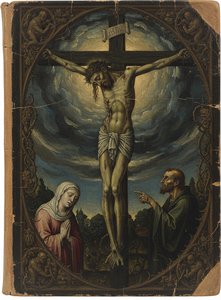
Matthias Grünewald: Devotion, Distortion & Spiritual Turmoil in Renaissance Art
Explore the profound religious art of Matthias Grünewald, master of the Isenheim Altarpiece. Discover his unique expressionism, symbolism & lasting impact on Renaissance painting. A guide for collectors and enthusiasts.

The Enduring Legacy of Oil on Canvas: Technique, History & Aesthetic Impact
Explore the rich history & techniques of oil painting – from Renaissance masters to Impressionism. Discover pigments, layering methods, and why this timeless medium endures. Expert insights for artists & art enthusiasts.

The Enduring Power of Painting: A Historical & Contemporary Exploration of Form and Emotion
Explore the rich history & enduring techniques of oil painting with OriginalUniqueArt. Discover masterpieces, learn about art collecting, and find authentic handmade reproductions crafted by skilled artists.


