
 Δείτε σε πραγματικό χώρο
 Αποστολή
 Κοινοποίηση
 Λεπτομέρειες

 Λήψη
Λήψη
 Παρόμοια αντικείμενα συλλογής
 Ακτινογραφία
 Παρουσίαση
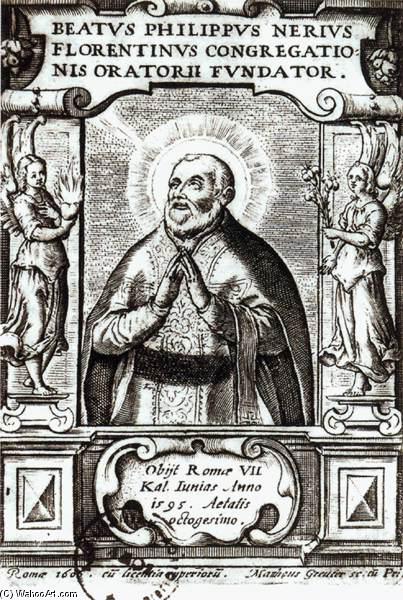
Beatus Philippus Nerius
 1606
1606 85.0 x 40.0 cm
 Biblioteca Vallicelliana
 Διαβάστε περισσότερα
Χειροποίητη Αναπαραγωγή σε Έλαιο
Χειροποίητη oil painting σε καμβά στο δικό σας μέγεθος και πλαίσιο, κατά παραγγελία από τους καλλιτέχνες μας. ( Αγορά εκτύπωσης Αγορά ψηφιακής εικόνας)




































Επιλέξτε από τις προκαθορισμένες διαστάσεις μας που διατηρούν τις αρχικές αναλογίες του έργου τέχνης.

Μπορείτε να ορίσετε δικές σας διαστάσεις ώστε το έργο να ταιριάζει σε ένα συγκεκριμένο πλαίσιο ή χώρο. Εάν το επιλεγμένο μέγεθος δεν συμπίπτει με τις αναλογίες της αρχικής εικόνας, θα περικοψούμε το έργο ή θα επεκτείνουμε τη ζωγραφιά με πρόσθετα χειρόγραφα στοιχεία. Ένα ψηφιακό προσχέδιο θα σας αποσταλεί για έγκριση πριν την έναρξη της παραγωγής.
Παρακαλούμε σημειώστε ότι η προεπισκόπηση στην οθόνη δεν αντικατοπτρίζει την πραγματική περικοπή ή επέκταση. Μόνο το προσχέδιο θα δείξει με ακρίβεια την τελική σύνθεση.
Παρόλο που είναι διαθέσιμα προσαρμοσμένα μεγέθη, συνιστούμε να επιλέξετε μια διάσταση από τη λίστα των προκαθορισμένων μεγεθών για τη διατήρηση των αρχικών αναλογιών.
Μετά την παραγγελία, η ομάδα του OriginalUniqueArt.com θα στείλει email στον πελάτη με οδηγίες και θα παρέχει μια προεπισκόπηση προσχεδίου
Παγκόσμια Αποστολή () σε 3-4 εβδομάδες αντί για τις συνήθεις 5 εβδομάδες. (21 Αύγουστος). Χωρίς συμβιβασμούς στην ποιότητα.

Δωρεάν γρήγορη διεθνής αποστολή

Κάμβας από Λινό Υψηλής Ποιότητας

Πλήρης ασφάλιση μεταφοράς

Εγγύηση Επιστροφής Δασμών και Φόρων

Εγγύηση Απόλυτης Ομοιότητας Χρωμάτων

Πολιτική Επιστροφής 60 Ημερών (Μόνο σε περίπτωση ελαττωμάτων)

Εγγύηση επιστροφής 100% των χρημάτων

Προσφορά για μαζικές παραγγελίες
 Η επιλογή με γυαλί είναι διαθέσιμη μόνο για μεγέθη κάτω από 110 εκ.

Beatus Philippus Nerius
Μέσο Αναπαραγωγής
Διαστάσεις Αναπαραγωγής
-


Συνολική Τιμή
$ 300
Βιογραφία Καλλιτέχνη
Matthias Grünewald: A Soul Painted in Shadow and Light
The name Matthias Grünewald resonates through the corridors of art history, primarily due to his singular contribution to the late Gothic and early Renaissance periods – a profound ability to imbue religious imagery with an unprecedented level of emotional realism. Born around 1470 in Essen, Germany, and tragically dying in 1528 in Nuremberg, Grünewald’s life was marked by both artistic brilliance and personal hardship. His journey from a relatively obscure workshop assistant to one of the most celebrated artists of his era is a testament to his unwavering dedication and unique vision. He wasn't merely a painter; he was a storyteller who used color, texture, and composition to wrestle with profound theological questions and convey the raw, visceral experience of faith.
Grünewald’s early career unfolded within the bustling workshop of Theophilus Haarhaus in Cologne. This formative period exposed him to the prevailing artistic trends of the time – primarily the opulent, stylized imagery characteristic of late Gothic art. However, it was during his apprenticeship that he began to develop a distinct style, characterized by an intense use of color and a willingness to depict figures with unsettling honesty. His early works, such as the St. Sebastian (circa 1498), already hinted at the dramatic intensity that would define his later career. These pieces demonstrated a departure from the idealized representations common in contemporary art, showcasing wounds, fatigue, and a palpable sense of suffering – elements that would become central to his artistic language.
The Isenheim Altarpiece: A Masterpiece of Suffering
Grünewald’s most enduring legacy is undoubtedly the Isenheim Altarpiece (circa 1512-1516), a monumental work housed in the Unterlinden Museum in Colmar, France. Commissioned for the St. Anthony's Hospital in Isenheim, Alsace – a facility dedicated to treating patients afflicted with tuberculosis and other skin diseases – this polyptych is an extraordinary exploration of suffering, redemption, and divine compassion. The altarpiece’s complex structure—featuring fifteen panels that could be arranged in multiple configurations—allowed for a dynamic interplay between the sacred and the profane. The central panel depicts Christ resurrected, surrounded by the Virgin Mary, John the Baptist, and Saint Sebastian, all bearing visible signs of illness and torment. This unflinching portrayal of physical suffering was revolutionary for its time, directly confronting viewers with the realities of human mortality and the transformative power of faith.
The use of color in the Isenheim Altarpiece is particularly striking. Grünewald employed a palette dominated by deep reds, blues, and greens – colors associated with both suffering and vitality. The vibrant hues were applied with thick impasto, creating a tactile surface that emphasized the physicality of the figures. Furthermore, the altarpiece’s iconography is rich in symbolism, drawing upon biblical narratives, medieval legends, and contemporary medical knowledge. The inclusion of Saint Sebastian, martyred for his faith, served as a poignant reminder of the sacrifices made in the name of Christianity. The depiction of the Virgin Mary holding a skull – a memento mori—underscores the inevitability of death and the importance of preparing for the afterlife.
Technique and Influences
Grünewald’s artistic style was shaped by a confluence of influences, including his early training in Cologne, the works of Hieronymus Bosch (whose depictions of hellish landscapes and tormented figures profoundly impacted Grünewald's vision), and the emerging trends of the Early Renaissance. He skillfully combined Gothic techniques – such as detailed drapery and expressive gestures—with innovative approaches to color and composition. His use of oil paint, though relatively new at the time, allowed him to achieve a greater degree of luminosity and depth than was possible with traditional tempera paints. Grünewald’s meticulous attention to detail is evident in every aspect of his work, from the intricate folds of the figures' garments to the subtle nuances of expression on their faces.
Legacy and Historical Significance
Despite a relatively short career, Matthias Grünewald left an indelible mark on the history of art. The Isenheim Altarpiece remains one of the most powerful and moving religious paintings ever created, continuing to captivate viewers with its raw emotional intensity and profound spiritual message. Grünewald’s willingness to confront difficult themes—such as suffering, death, and disease—broke new ground in the depiction of religious imagery, paving the way for future generations of artists who sought to express their faith through a more personal and emotionally resonant style. His influence can be seen in the works of Albrecht Dürer, Lucas Cranach the Elder, and other Northern Renaissance painters. Grünewald’s legacy endures not only as a master painter but also as a visionary artist who dared to look beyond idealized representations and capture the essence of human experience with unflinching honesty.

matthias greuter
1564 - 1638
Γρήγορα στοιχεία
- Artistic Movement Or Style: Early Baroque
- Artists Or Movements Influenced By This Artist: ['Mannerist prints']
- Artists Who Influenced This Artist:
- Peter Oliver
- Tempesta
- Date Of Birth: 1564/66
- Date Of Death: 1638
- Full Name: Matthaeus Greuter
- Nationality: German & Italian
- Notable Artworks:
- Isenheim Altarpiece
- Cartographical prints
- Sunspot engravings
- Place Of Birth: Strasbourg, France

