
 Αποστολή
 Κοινοποίηση
 Λεπτομέρειες

 Λήψη
Λήψη
 Παρόμοια αντικείμενα συλλογής
 Παρουσίαση
 Στατιστικά
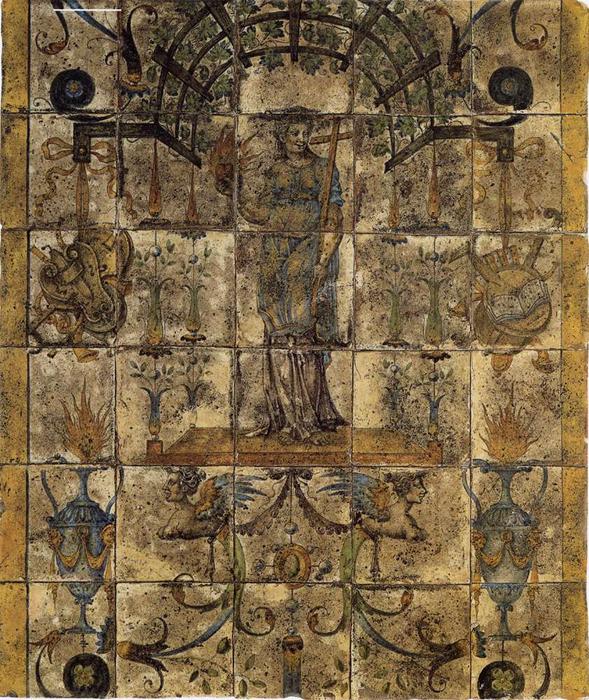
Ceramic Floor


 Διαβάστε περισσότερα
Αγοράστε μια ψηφιακή εικόνα υψηλής ανάλυσης και βελτιωμένης ποιότητας, πολύ ανώτερης από την προεπισκόπηση στο διαδίκτυο.
Κάθε αρχείο προετοιμάζεται σχολαστικά από τους εξειδικευμένους συνεργάτες μας, με τη χρήση προηγμένων εργαλείων και χειροκίνητου ρετουσαρίσματος υψηλής ακρίβειας. Εξασφαλίζουμε ότι κάθε εικόνα προσφέρει εξαιρετική ευκρίνεια, απόλυτη πιστότητα στο χρώμα και λεπτομερή ανάδραση των λεπτομερειών.
Το τελικό αρχείο παραδίδεται μέσω email εντός 72 ωρών, βελτιστοποιημένο για άμεση χρήση σε επαγγελματικά, εκδοτικά και έντυπα περιβάλλοντα. Πρόκειται για την ίδια ποιότητα που εμπιστεύονται κορυφαία studios σχεδιασμού, εκδότες και γκαλερί.
Ψηφιακή εικόνα
Κατεβάστε ένα αρχείο υψηλής ανάλυσης για προσωπική χρήση, εκτύπωση και δημιουργικά έργα. ( Μετάβαση σε Εκτυπωση Αγορά χειροποίητου πίνακα)
Περιλαμβάνεται σε κάθε παραγγελία ψηφιακής εικόνας
Επαγγελματική Ψηφιακή Παράδοση με Εγγύηση
Όταν επιλέγετε το OriginalUniqueArt.com, δεν αποκτάτε απλώς μια εικόνα – λαμβάνετε ένα επαγγελματικά αναβαθμισμένο ψηφιακό έργο τέχνης, δημιουργημένο με ακρίβεια και με εγγύηση ικανοποίησης. Δείτε όλα όσα περιλαμβάνονται στην παραγγελία σας, αυτόματα:

Άμεση αποστολή μέσω email
Το ψηφιακό σας αρχείο εικόνας υψηλής ανάλυσης θα σας σταλεί μέσω email εντός 72 ωρών από την παραγγελία σας — έτοιμο για άμεση χρήση.

Ψηφιακό Αρχείο με Τεχνητή Νοημοσύνη
Το έργο σας βελτιστοποιείται επαγγελματικά με τη χρήση προηγμένων εργαλείων Τεχνητής Νοημοσύνης και χειροκίνητης επεξεργασίας, εξασφαλίζοντας μέγιστη λεπτομέρεια, ευκρίνεια και ακρίβεια χρωμάτων.

Δωρεάν επανεκδόσεις مدى ζωής
Απώλησες ή διαγράψατε κατά λάθος το αρχείο σας; Μην ανησυχείτε — θα σας το ξαναστείλομε οποιαδήποτε στιγμή, δωρεάν.

Χωρίς Τελωνειακούς Φόρους - Ποτέ
Απολαύστε αμέσως τα έργα τέχνης σας χωρίς δασμούς, φόρους ή έξοδα αποστολής - οι ψηφιακές λήψεις είναι πάντα αφορεশিপτεία.

Εγγύηση Ακριβούς Χρωματισμού
Εξασφαλίζουμε ότι η ψηφιακή σας εικόνα αποτυπώνει τα αυθεντικά χρώματα όσο το δυνατόν πιστότερα, χρησιμοποιώντας επαγγελματικά εργαλεία και διαχείριση χρωμάτων.

Εγγύηση Ικανοποίησης 100 Ημερών
Εάν δεν είστε ικανοποιημένοι με την ψηφιακή σας εικόνα, θα την τροποποιήσουμε ή θα σας επιστρέψουμε το 100% εντός 100 ημερών - χωρίς κανένα ερώτημα.

100% Εγγύηση Επιστροφής Χρήματος
Δεν είστε ικανοποιημένοι; Λάβετε πλήρη επιστροφή των χρημάτων σας εντός 100 ημερών από τη λήψη του ψηφιακού σας αρχείου - χωρίς κανένα ερώτημα.

Εκπτώσεις για μαζικές παραγγελίες
Αγοράστε 3 εικόνες, κάντε εξοικονόμηση 10% - Αγοράστε 5, κάντε εξοικονόμηση 15% - Αγοράστε 10+, κάντε εξοικονόμηση 20%. Ιδανικό για δημιουργικά έργα, γκαλερί και agencies.
Βιογραφικό Καλλιτέχνη
The Renaissance Potter of Rouen: Masséot Abaquesne and the Brilliance of French Faience
Masséot Abaquesne, a name perhaps unfamiliar to many outside the circles of ceramic history, represents a pivotal figure in the development of French faience during the 16th century. Born around 1500 in Cherbourg, Normandy, and passing away in 1564 in Sotteville-lès-Rouen, Abaquesne wasn’t merely a potter; he was an innovator who brought a new level of artistry and technical skill to earthenware production in France. His work emerged at a time when French decorative arts were increasingly looking towards Italy for inspiration, and he became instrumental in translating Italian Renaissance aesthetics into the distinctly French medium of tin-glazed pottery.Early Life and the Rise of Rouen Ceramics
Details surrounding Abaquesne’s early life remain somewhat scarce, a common challenge when studying artisans from this period. However, it is known that he established himself in Rouen by 1538, quickly becoming a leading figure in the burgeoning ceramic industry of the city. Rouen, strategically located and with access to essential raw materials, was poised to become a center for faience production. Abaquesne’s arrival coincided with a growing demand for decorative ceramics among the French nobility and wealthy merchant class, who were eager to emulate the sophisticated tastes of Italy. He rapidly rose through the ranks, eventually becoming director of the Rouen factory, solidifying his position as a master craftsman. His early work demonstrated a keen understanding of Italian maiolica techniques, but he wasn’t simply an imitator; he began to develop a unique style that blended Italian influences with French sensibilities.A Master of Technique and Design
Abaquesne's mastery lay in his skillful application of *grand feu* technique – firing the glaze and metallic oxides at a high temperature, resulting in a limited but vibrant palette of blues, yellows, browns, and greens. This contrasted with later *petit feu* methods that allowed for greater color variation but required more complex firing processes. His most celebrated achievement is undoubtedly the ceramic pavement created for the Château d'Écouen in 1542 for Anne de Montmorency, Constable of France. This remarkable floor, a veritable “earthenware carpet,” showcased his ability to create large-scale decorative schemes with intricate designs and narrative scenes. The subject matter often drew from mythology, heraldry, and grotesque motifs – popular themes during the Renaissance. Beyond the Écouen pavement, Abaquesne became renowned for his *albarello* jars—pharmacy vessels adorned with faces and floral wreaths. He produced over 4,000 of these jars for Pierre Dubosc, a Rouen apothecary, demonstrating both his technical capacity and the commercial success of his workshop.Influences and Legacy
The artistic lineage of Abaquesne is complex. While Luca della Robbia’s sculptural ceramics undoubtedly influenced his early style, particularly in the use of relief decoration and expressive faces, he also drew inspiration from Bernard Palissy, another pioneering French potter who experimented with innovative glazing techniques. However, Abaquesne predated much of Palissy's most famous work, establishing himself as a key figure *before* Palissy’s rise to prominence. His studio became a hub for ceramic innovation, and his influence extended beyond Rouen. The tiles he created for Claude d'Urfé’s chapel in the Loire Valley, though later dispersed, further attest to his widespread reputation and patronage. Abaquesne’s work paved the way for the flourishing of French faience in the 17th and 18th centuries, influencing generations of potters and contributing significantly to the development of a distinctly French ceramic tradition. His legacy is not merely one of technical skill but also of artistic vision—a testament to his ability to transform humble earthenware into objects of beauty and enduring cultural significance.Rediscovering Abaquesne: Modern Appreciation
For centuries, Abaquesne’s contributions were often overshadowed by the fame of later ceramicists like Palissy. However, recent scholarship and exhibitions – such as the retrospective organized by the National Renaissance Museum in partnership with the Rouen Museum of Fine Arts and Ceramics – have brought renewed attention to his work. Museums worldwide, including The Metropolitan Museum of Art, now showcase examples of his tiles and *albarello* jars, allowing a wider audience to appreciate his artistry. The brilliance of Abaquesne’s faience lies not only in its aesthetic qualities but also in its historical context. He represents a crucial moment in the French Renaissance—a time when artistic influences converged, and new techniques were embraced, leading to the creation of uniquely beautiful and culturally significant objects. His story serves as a reminder that even seemingly modest crafts can embody profound artistic innovation and lasting cultural impact. His work continues to inspire contemporary artists and collectors alike.
masséot abaquesne
1500 - 1564 , France
Γρήγορα στοιχεία
- Artistic Movement Or Style: Faience, Rouen ceramics
- Artists Or Movements Influenced By This Artist: ['Anne de Montmorency']
- Artists Who Influenced This Artist:
- Luca della Robbia
- Bernard Palissy
- Date Of Birth: 1500
- Date Of Death: 1564
- Full Name: Masséot Abaquesne
- Nationality: French
- Notable Artworks:
- The Flood
- Ceramic Floor (Ecouen)
- Albarello
- Place Of Birth: Cherbourg, France