Color Field · 1964
No. 5 (Μάρκος Ρόθκο, 1964)
Το έργο No. 5 δημιούργησε ο/η Μάρκος Ρόθκο (1903–1970). Χρονολογείται στο 1964. Ανήκει στο κίνημα Color Field. Είναι φτιαγμένο σε Acrylic On Canvas. Οι διαστάσεις είναι 206 × 196 cm.
- 1964
- Acrylic On Canvas
- 206 × 196 cm

 Προεπισκόπηση σε πραγματική κλίμακα

 Ελαιογραφικό Χειροποίητο Έργο
 Αποστολή
 Κοινοποίηση
 Φύλλο πληροφοριών


 Λήψη
 Παρόμοια αντικείμενα συλλογής
 Ακτινογραφία
 Παρουσίαση
 Ερωτήσεις & Απαντήσεις

 Στατιστικά
No. 5, εν συντομία
- Τίτλος
- No. 5
- Καλλιτέχνης
- Μάρκος Ρόθκο (1903–1970)
- Γεννημένος/η το
- Ντάουγαβπύλς, Λετονία
- Ημερομηνία
- 1964
- Μέσο
- Acrylic On Canvas
- Διαστάσεις
- 206 × 196 cm
- Κίνηση
- Color Field
- Εποχή
- Modern
- Θέμα
- rothko, abstract, color field, square, black and white, canvas
Τι απεικονίζει το No. 5;
Mark Rothko’s ‘No. 5’: A Meditation on Darkness and Absence
Mark Rothko's "No. 5," painted in 1964, is not merely a canvas filled with color; it’s an intensely personal and profoundly moving exploration of human emotion and the weight of existence. This monumental work, measuring 206 x 196 cm, exemplifies Rothko’s signature style – large-scale rectangular blocks of saturated color that seem to bleed into one another, creating a hypnotic effect on the viewer. The painting's stark simplicity—a vast, dark square dominating the composition—immediately confronts us with an unsettling void, prompting contemplation about mortality, isolation, and the fundamental questions of human experience.
The Genesis of Color Field Painting
Created during a pivotal moment in art history, "No. 5" is inextricably linked to the rise of Color Field painting in the mid-20th century. Rothko, along with artists like Barnett Newman and Clyfford Still, rejected traditional representational forms, seeking instead to express profound emotional states through pure color. Influenced by Abstract Expressionism’s emphasis on subjective experience, Rothko developed a technique that involved layering thin washes of acrylic paint, allowing the colors to subtly shift and merge under layers of varnish. This process created an almost sculptural quality, emphasizing the materiality of the canvas itself.
Symbolic Weight and Existential Themes
Born in 1903 in Daugavpils, Latvia (then part of the Russian Empire), Mark Rothko’s life was marked by displacement and loss – experiences that deeply informed his artistic vision. The painting's dark square can be interpreted as a visual representation of this sense of void, reflecting the anxieties and uncertainties inherent in the human condition. Some scholars suggest the work is an exploration of trauma, referencing Rothko's own difficult childhood and the pervasive atmosphere of fear and instability he experienced growing up within a Jewish family during times of political unrest. The sheer scale of the canvas amplifies this feeling, enveloping the viewer in a space of quiet contemplation.
Technique and Emotional Impact
"No. 5" is a testament to Rothko’s mastery of color and texture. The subtle gradations within the dark blocks, achieved through meticulous layering and blending, create an illusion of depth and movement. The photograph captures this intricate detail perfectly, revealing the artist's deliberate control over light and shadow. The painting’s impact isn’t about visual spectacle; it’s about a deeply felt emotional response. Rothko aimed to evoke a sense of awe and vulnerability in the viewer, inviting them to confront their own mortality and grapple with the complexities of human existence. This reproduction offers an unparalleled opportunity to experience the power and beauty of this iconic work firsthand.
Εικόνες υψηλής ανάλυσης του No. 5
Προστατευόμενο από πνευματικά δικαιώματα: αυτά τα αρχεία προορίζονται για προσωπική χρήση και δεν αποτελούν άδεια αναδημοσίευσης.
Μάρκος Ρόθκο, No. 5 (1964).
Ερωτήσεις για το No. 5, απαντημένες
Σε ποια χρονιά δημιουργήθηκε το "No. 5" του Μάρκος Ρόθκο;
Το έργο "No. 5" του Μάρκος Ρόθκο δημιουργήθηκε το 1964.
Με ποιο υλικό έχει εκτελεστεί το έργο "No. 5" του Μάρκος Ρόθκο;
Ο/Η Μάρκος Ρόθκο χρησιμοποίησε την τεχνική του/της Acrylic On Canvas για το έργο "No. 5". Η τεχνική αυτή ορίζει τη υλική φύση του πρωτότυπου έργου.
Ποιες είναι οι διαστάσεις του πρωτότυπου "No. 5" του Μάρκος Ρόθκο;
Οι διαστάσεις του πρωτότυπου έργου "No. 5" του Μάρκος Ρόθκο είναι 206 x 196 cm.
Τι απεικονίζει το "No. 5" του Μάρκος Ρόθκο;
Τα θέματα που περιλαμβάνονται στο "No. 5" του Μάρκος Ρόθκο περιλαμβάνουν το/τα rothko, abstract, color field, square, black and white, canvas, mark rothko. Μαζί, συνοψίζουν το περιεχόμενο του έργου τέχνης.
Το έργο "No. 5" ανήκει στο δημόσιο περιουσιακό αγαθό;
Η κατάσταση των πνευματικών δικαιωμάτων για το έργο "No. 5" του Μάρκος Ρόθκο είναι η εξής: το έργο ανήκει στο ακόμα προστατευόμενο από δικαιώματα αυτορικού. Αυτό καθορίζει εάν επιτρέπεται η ελεύθερη αναπαραγωγή της εικόνας.
Ποιον καλλιτέχνη αποδίδεται το "No. 5";
Το έργο "No. 5" αποδίδεται στον/στην Μάρκος Ρόθκο.
Σε ποιο καλλιτεχνικό ρεύμα ανήκει το "No. 5" του Μάρκος Ρόθκο;
Το καλλιτεχνικό ρεύμα που συνδέεται με το "No. 5" του Μάρκος Ρόθκο είναι το Color Field. Αυτή η ταξινόμηση τοποθετεί το έργο ανάμεσα σε σχετικούς καλλιτέχνες και έργα τέχνης.
Σε ποια περίοδο της καριέρας του/της Μάρκος Ρόθκο ανήκει το "No. 5";
Στο πλαίσιο της καριέρας του/της Μάρκος Ρόθκο, το έργο "No. 5" ανήκει στην περίοδο Mature Period. Αυτή η φάση διευκολύνει τη σύγκρισή του με άλλα έργα του/της καλλιτέχνη/της.
Πόσο είχε ο/η Μάρκος Ρόθκο όταν δημιουργήθηκε το "No. 5";
Ο/Η Μάρκος Ρόθκο ήταν 61 ετών όταν δημιούργησε το "No. 5" το 1964. Η ηλικία υπολογίζεται με βάση το έτος γέννησης του καλλιτέχνη, 1903.
Σχετικά με τον καλλιτέχνη, Μάρκος Ρόθκο

1903–1970, Λετονία
Μάρκος Ρόθκο
The Early Life of Mark Rothko Mark Rothko was born Markus Yakovlevich Rothkowitz in 1903. He was born in Dvinsk, Russia, in a place now known as Daugavpils, Latvia. His family lived within the Pale of Settlement, a region marked by political unrest and the constant shadow of pogroms. This atmosphere of instability followed the family when they emigrated to the United States in 1913.
Εργασίες του Μάρκος Ρόθκο
 Λευκό Κέντρο1950
 Αριθμός 1
 Αρ. 61 (Σκουριά και Μπλε)1953
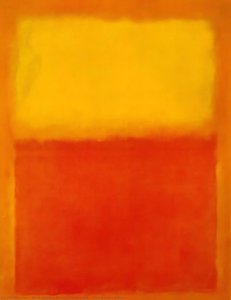 Πορτοκαλί και Κίτρινο1956
Μελέτες για το No. 5
 The Soul of Color: Exploring the Emotional Depth and Existential Resonance of Mark Rothko's MasterpiecesImmerse yourself in the profound emotional landscapes of Mark Rothko. Explore how his revolutionary Color Field paintings use pure pigment …
 Color & Emotion: The 25 Most Iconic Masterpieces by Mark RothkoImmerse yourself in the profound emotion of Abstract Expressionism. Explore 25 iconic Mark Rothko masterpieces, from his signature color fi…
 Belarusian artworks of the 1950s1950s Belarusian art features masterpieces by Marc Chagall, including works like The Prophet. Find museum-quality reproductions on Original…