Προεπισκόπηση σε πραγματική κλίμακα
 Αποστολή
 Κοινοποίηση
 Λεπτομέρειες
 Οδηγός

 Λήψη
Λήψη
 Παρόμοια αντικείμενα συλλογής
 Ακτινογραφία
 Παρουσίαση
 Q&A
Q&A Στατιστικά
No.10


 Περισσότερα
Το έργο τέχνης που εμφανίζεται σε αυτή τη σελίδα προστατεύεται από τους νόμους περί πνευματικών δικαιωμάτων, γεγονός που σημαίνει ότι δεν μπορούμε νομικά να δημιουργήσουμε ή να πουλήσουμε μια ταυτόσημη αναπαραγωγή του. Αυτή η προστασία επιβάλλεται βάσει διεθνών συμφωνιών, όπως η Σύμβαση της Βέρνης καθώς και από τους εθνικούς νόμους, συμπεριλαμβανομένων αυτών που ορίζονται από το Νομοθεσία περί πνευματικών δικαιωμάτων των ΗΠΑ - Τίτλος 17. Όλα τα δικαιώματα κατοχυρωμένα. Απαγορεύεται η αναπαραγωγή χωρίς άδεια.
Αυτή η μέθοδος συμμορφώνεται πλήρως με τους κανονισμούς περί πνευματικών δικαιωμάτων, καθώς δεν περιλαμβάνει την αντιγραφή ή την αναπαραγωγή του προστατευόμενου έργου. Αντίθετα, πρόκειται για μια δημιουργική ερμηνεία — ένα νέο έργο που επηρεάζεται από το πρωτότυπο, χωρίς όμως να είναι πανομοιότυπο με αυτό.
Giclée / Εκτυπώσεις Τέχνης
Εκτύπωση giclée ή σε καμβά ποιότητας μουσείου με γρήγορη παραγωγή και ευέλικτες επιλογές φινιρίσματος. ( Αγορά χειροποίητου πίνακα Μετάβαση σε Ψηφιακή Αποτέλεσμα)




P118B €10

P118H €10

P118W €10

P438Z €10

P508JH €12

P508YH €12

P805H €10

P805Z €10

P919BZ €10

P919G €10

P919XJ €10

P959ZH €10

P968JZ €12

W106C €8

W218G €10

W218JH €8

W218Y €10

W307PJ €10

W316G €10

W316PJ €8

W316Y €10

W398PJ €8

W4111J €10

W500HY €15

W500JH €15

W692G €12

W849H €8

W940BG €15

W953PJ €8




Επιλέξτε από τις προκαθορισμένες διαστάσεις μας που διατηρούν τις αρχικές αναλογίες του έργου τέχνης.

Εισάγετε το πλάτος και το ύψος που επιθυμείτε, ώστε να ταιριάζουν στο κάδሮ ή στον τοίχο σας. Μια εκτύπωση μπορεί μόνο να υποστεί κοψίμό και ποτέ να μην γίνει μεγαλύτερη από την αρχική εικόνα, επομένως η επιλογή μεγέθους με διαφορετικό σχήμα συνεπάγεται απώλεια ενός μέρους της εικόνας. Σας στέλνουμε ένα ψηφιακό mockup για έγκριση πριν προχωρήσουμε σε οποιαδήποτε εκτύπωση. Η εικόνα που εμφανίζεται σε αυτή τη σελίδα δεν δείχνει την πραγματική κοπή — μόνο το mockup την παρουσιάζει.
Παγκόσμια Αποστολή () σε 2 εβδομάδες αντί για τις συνήθεις 4/5 εβδομάδες. (29 Οκτώβριος)

Δωρεάν γρήγορη διεθνής αποστολή

Κάμβας από Λινό Υψηλής Ποιότητας

Πλήρης ασφάλιση μεταφοράς

Εγγύηση επιστροφής δασμών και φόρων εισαγωγής

Εγγύηση Απόλυτης Ομοιότητας Χρωμάτων

Πολιτική Επιστροφής 100 Ημερών (Μόνο σε περίπτωση ελαττωμάτων)

Εγγύηση επιστροφής 100% των χρημάτων

Προσφορά για πολλαπλές παραγγελίες
 Η επιλογή με γυαλί είναι διαθέσιμη μόνο για μεγέθη κάτω από 110 εκ.

No.10
Giclée / Εκτυπώσεις Τέχνης
Διαστάσεις Αναπαραγωγής
-


Τελική Τιμή
€ 71
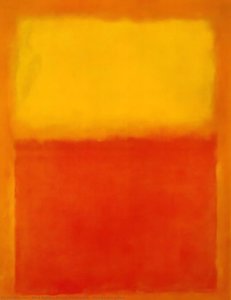
No.10 by Mark Rothko
Mark Rothko’s *No. 10* stands as an emblem of Color Field painting, encapsulating the artist's profound philosophical stance and masterful execution. Created in 1950 during a pivotal moment in Abstract Expressionism, this artwork transcends mere visual representation; it strives to evoke emotion and contemplation through its deceptively simple forms—large rectangular blocks of color juxtaposed against each other. As evidenced on OriginalUniqueArt.com, the painting’s luminous hues and subtle textures resonate with a timeless beauty that continues to captivate audiences today.Artistic Style and Technique
Rothko's distinctive approach—characterized by monumental canvases dominated by amorphous color fields—was rooted in his belief that art should bypass intellect and speak directly to the viewer’s subconscious. He meticulously applied layers of pigment, achieving a velvety surface quality known as “burnishing,” which intensified the colors and created an illusion of depth. This technique, championed by luminaries like Josef Albers and Hans Hofmann, aimed to immerse the observer in a sensory experience akin to meditation. The No. 10 painting exemplifies this ethos perfectly, mirroring Rothko’s conviction that color alone could convey profound emotional truths. As elaborated in Mastering the Art of Oil Painting Reproductions, Rothko’s meticulous layering process ensured that each brushstroke contributed to the overall luminosity and textural richness of the composition. Key Features of *No. 10* include:- A dominant yellow background subtly interwoven with horizontal blue stripes—a deliberate contrast designed to stimulate visual perception and evoke feelings of serenity and melancholy.
- The expansive rectangular planes of color, positioned close together, create a sense of intimacy and envelop the viewer in their radiant glow.
- Rothko’s masterful use of pigment—primarily cadmium yellow hue and ultramarine blue—captures the essence of Color Field painting's expressive power.
The painting’s genesis lies within Rothko’s exploration of existential themes, reflecting his preoccupation with mortality and spirituality. Influenced by thinkers like Søren Kierkegaard and Friedrich Nietzsche, Rothko sought to express profound emotions—such as grief, joy, and awe—without resorting to figurative imagery.
Historical Context
*No. 10* emerged during the Second World War, a period marked by anxiety and uncertainty. Rothko’s artistic response mirrored the broader cultural mood of disillusionment, rejecting traditional representational art in favor of abstract forms that prioritized feeling over factual accuracy. This decision aligns with the broader trajectory of Abstract Expressionism—a movement that sought to liberate painting from constraints imposed by Western European tradition.As documented in Wikipedia, Rothko’s work has been subjected to extensive scholarly debate and interpretation. Critics have analyzed the painting's chromatic harmonies, compositional structure, and psychological impact—attempting to decipher its hidden meanings and unlock its emotional resonance.
Conclusion
*No. 10* remains a testament to Mark Rothko’s artistic vision—a masterpiece of Color Field painting that continues to inspire admiration and contemplation. Its luminous hues, expansive planes of color, and understated elegance encapsulate the core tenets of Rothko's aesthetic philosophy. As showcased on OriginalUniqueArt.com, meticulously crafted oil painting reproductions of *No. 10* are available for purchase—allowing art enthusiasts to experience the transformative power of Rothko’s iconic artwork firsthand.For deeper insights into Mark Rothko's life and artistic journey, consult Tate Gallery or explore his biography on Wikipedia.
Ερωτήσεις και Απαντήσεις
Ποιο χρώμα κυριαρχεί στη σύνθεση του έργου "No.10" του Μάρκος Ρόθκο;
Το χρώμα που ξεχωρίζει περισσότερο στο "No.10" είναι το Bronze (#bc9f0f). Το κυρίαρχο χρώμα είναι χρήσιμο όταν συνδυάζετε ένα έργο τέχνης με έναν εσωτερικό χώρο.
Πώς μπορώ να αποκτήσω ένα εκτύπωμα του "No.10" του Μάρκος Ρόθκο;
Το έργο "No.10" είναι διαθέσιμο ως ένα εκτύπωμα fine art σε βαμβακερό καμβά ή σε αρχειοθετητικό χαρτί καμβά. Μπορείτε να πραγματοποιήσετε την παραγγελία σας στη σελίδα Καλλιτεχνικό Έντυπο, επιλέγοντας το μέγεθος που επιθυμείτε.
Μπορώ να παραγγείλω μια αναπαραγωγή με λάδι του "No.10";
Οι χειρόγραφες αντιγράφιες του έργου "No.10" του Μάρκος Ρόθκο είναι διαθέσιμες στο αυτή η ιστοσελίδα, μέσω της σελίδας αναπαραγωγή με ζωγραφισμένο με λάδι σε καμβά λινου, από την οποία μπορείτε να πραγματοποιήσετε την παραγγελία σας στην ενότητα Αντιγραφή με Χειρόχειρο Ζωγράφισμα.
Βιογραφικό Καλλιτέχνη
Mark Rothko: Η Επική Προσπάθεια Μετάβασης μέσω του Χρώματος
Ο Μάρκος Ρόθκο ήταν ένας καλλιτέχνης που γεννήθηκε στην Λατινική Ευρώπη και ο οποίος αντιμετώπισε από την αρχή μια αίσθηση περιπλανητικότητας που διαμόρφωσε βαθιά το έργο του. Η παιδική του ηλικία χαρακτηρίστηκε από τις ανησυχίες μιας εβραϊκής οικογένειας που ζούσε στην Παλαιά Συμβολή και ήταν υπό τον κίνδυνο των παγορμών και της πολιτικής αναταραχής. Αυτή η ατμόσφαιρα εμφύτευσε μια βαθιά ευαισθησία στο ανθρώπινο πάθος, ένα θέμα που αντηχούσε σε όλη του την δημιουργία. Η μετακόμιση στην Ορλάνδος το 1913 δεν ήταν μόνο γεωγραφική αλλά και πολιτισμική ανατροπή για τον νεαρό Ρόθκο. Ενώ ο πατέρας του, φαρμακευτής και φιλοσοφικός με σοσιαλιστικές τάσεις, δημιούργησε ένα σπίτι γεμάτο συζήτηση και μάθηση, η απώλεια του Ιάκωβου Ρόθκο λίγο μετά την άφιξή τους έβαλε μια μακρά σκιά στην ψυχή του. Αυτή η πρώιμη εμπειρία απώλειας, σε συνδυασμό με τις προκλήσεις της ενσωμάτωσης, τροφοδοτούσε μια διαρκή εξερεύνηση υπαρξιακών θεμάτων – θάνατος, τραύμα και η αναζήτηση νοήματος σε έναν χαοτικό κόσμο. Παρά την εξαιρετική του ακαδημαϊκή επιτυχία στο Γέλιονταλς της Αμερικής, ο Ρόθκο βρέθηκε πιο έλκυστος από την ζωντανή ενέργεια της Νέας Υόρκης και εγκατέλειψε τις επίσημες σπουδές του για να κυνηγήσει το πάθος του για τέχνη στην Ακαδημία Τέχνης Στεϊτς Άντριου. Αυτές οι πρώτες εμπειρίες θεμελιώσαν μια καλλιτεχνική οπτική που τελικά αμφισβήτησε τις παραδοσιακές αντιλήψεις για το ζωγραφικό έργο και επαναπροσδιόρισε τη συναισθηματική δύναμη του χρώματος.Οι Πρώτες Εξερευνήσεις στην Ζωγραφική και οι Επιρροές της Σουρεαλισμού
Η αρχική καλλιτεχνική προσπάθεια του Ρόθκο ήταν σταθερά θεμελιωμένη στην αναπαραγωγή της πραγματικότητας, απεικονίζοντας πόλεις και ανθρώπους με μια ιδιαίτερη προσοχή στη λεπτομέρεια. Ωστόσο αυτές οι πρώτες δημιουργίες έδωσαν ήδη αίσθηση της ψυχικής βάθειας που θα γινόταν το χαρακτηριστικό του έργου του. Κατά τη διάρκεια των δεκαετιών του 1940 και του 1950 ο Ρόθκο μετακινήθηκε προς τον σουρεαλισμό και την μυθολογία καθώς αναζητούσε τρόπους να εκφράσει κοινές ανθρώπινες συναισθήσεις μέσω συμβολικών μορφών. Αυτή η περίοδος ήταν ιδιαίτερα σημαντική για την καλλιτεχνική του ανάπτυξη καθώς ο Ρόθκο εντυπωσιαστηκε από τον Μιχαήλ Τσερνίχ και τον Κωνσταντίνο Κονσταντίνου και αναγνώρισε τη δύναμη της τέχνης να μεταδώσει συναισθήματα και ιδέες πέρα από τα όρια της λογικής ανάλυσης. Οι επιρροές του σουρεαλισμού ήταν εμφανείς στις πρώτες του δημιουργίες όπου χρησιμοποιούσε συμβολικές εικόνες και μορφές για να διερευνήσει θεματικές όπως ο πόνος, η αγωνία και η αμφιβολία. Αυτές οι εμπειρίες τον οδήγησαν στην αναγνώριση της σημασίας της υποκειμενικής εμπειρίας και της καλλιτεχνικής έκφρασης ως μέσο για την εξερεύνηση των πιο βαθιών ανθρώπινων συναισθημάτων.Η Γέννηση του Χρωματικού Πεδίου και η Αναζήτηση της Πνευματικής Εμπειρίας
Στα τέλη της δεκαετίας του 1940 ο Ρόθκο κατέληξε στο πιο χαρακτηριστικό στυλ του: μεγάλα έργα τέχνης που χρησιμοποιούσαν τεράστιες περιοχές χρώματος χωρίς να προσφέρουν αναγνώριση ή αντιγραφή και οι οποίες ήταν προκαταρχήματα για την ανάπτυξη του Αφηρημένου Εντύπωσης. Αυτή η μεταμόρφωση σηματοδότησε μια κρίσιμη στιγμή στην ιστορία της τέχνης και καθιέρωσε τον Ρόθκο ως έναν από τους κορυφαίους καλλιτέχνες αυτού του πρωτοποριακού κινήματος. Η προσπάθεια του Ρόθκο ήταν να δημιουργήσει ένα χώρο για την ενδοσκοπική αναζήτηση και την εξερεύνηση των πιο βαθιών ανθρώπινων συναισθημάτων μέσω της τέχνης χωρίς να περιορίζεται στις παραδοσιακές αντιλήψεις για την αισθητική εμπειρία. Οι καλλιτέχνες που τον προηγήθηκαν όπως ο Κωνσταντίνος Κονσταντίνου και ο Μιχαήλ Τσερνίχ τον ενέπνευσαν να αναπτύξει μια νέα προσέγγιση στην τέχνη και να χρησιμοποιήσει το χρώμα ως μέσο για την έκφραση των πιο βαθιών ανθρώπινων συναισθημάτων και ιδεών. Αυτή η καλλιτεχνική σκέψη τον οδήγησε στην αναγνώριση της σημασίας της υποκειμενικής εμπειρίας και της καλλιτεχνικής έκφρασης ως μέσο για την εξερεύνηση των πιο βαθιών ανθρώπινων συναισθημάτων και ιδεών.Οι Μεγάλοι Επιτευγχήσεις και Η Αποτύχησή Του Στον Παρουσιασμό των Μυρκαλιών του Σεράμ
Στα τέλη της δεκαετίας του 1950 ο Ρόθκο υπέβαλε αίτηση για την κατασκευή των μυρκαλιών του Σεράμ που ήταν μια σημαντική καλλιτεχνική πρόκληση και ένα έργο που είχε ως στόχο να εκφράσει τις πιο βαθιές ανθρώπινες συναισθήσεις και ιδέες χωρίς να περιορίζεται στις παραδοσιακές αντιλήψεις για την αισθητική εμπειρία. Η αναγνώριση του Ρόθκο ήταν σημαντική καθώς ο καλλιτέχνης εντυπωσιαστηκε από τον Κωνσταντίνο Κονσταντίνου και τον Μιχαήλ Τσερνίχ και αναγνώρισε τη δύναμη της τέχνης να μεταδώσει συναισθήματα και ιδέες πέρα από τα όρια της λογικής ανάλυσης. Οι καλλιτέχνες που τον προηγήθηκαν όπως ο Κωνσταντίνος Κονσταντίνου και ο Μιχαήλ Τσερνίχ τον ενέπνευσαν να αναπτύξει μια νέα προσέγγιση στην τέχνη και να χρησιμοποιήσει το χρώμα ως μέσο για την έκφραση των πιο βαθιών ανθρώπινων συναισθημάτων και ιδεών. Αυτή η καλλιτεχνική σκέψη τον οδήγησε στην αναγνώριση της σημασίας της υποκειμενικής εμπειρίας και της καλλιτεχνικής έκφρασης ως μέσο για την εξερεύνηση των πιο βαθιών ανθρώπινων συναισθημάτων και ιδεών. Η ιστορική αξία του έργου του Ρόθκο είναι σημαντική καθώς ο καλλιτέχνης εντυπωσιαστηκε από τον Κωνσταντίνο Κονσταντίνου και τον Μιχαήλ Τσερνίχ και αναγνώρισε τη δύναμη της τέχνης να μεταδώσει συναισθήματα και ιδέες πέρα από τα όρια της λογικής ανάλυσης. Η ιστορική αξία του έργου του Ρόθκο είναι σημαντική καθώς ο καλλιτέχνης εντυπωσιαστηκε από τον Κωνσταντίνο Κονσταν
Μάρκος Ρόθκο
1903 - 1970 , Λατινική Ευρώπη
Γρήγορα στοιχεία
- Artistic Movement Or Style: Χρωματική Προσκυνησία
- Artists Or Movements Influenced By This Artist:
- Μινιμαλισμός
- Αντιεκφραστική Τέχνη
- Date Of Birth: Σεπτεμβρίου 25, 1903
- Date Of Death: Φεβρουαρίου 25, 1970
- Full Name: Mark Rothko
- Nationality: Αμερικανός
- Notable Artworks:
- Νο. 10 (1950)
- Μουράλια Σέγαμ
- Καθεδρικός Ναός Ρόθκο
- Place Of Birth: Νέα Υόρκη, ΗΠΑ
Σχετικά άρθρα

Deep Blue Magic: 10 Iconic Masterpieces Defined by Prussian Blue
Immerse yourself in the depth of Prussian blue. Explore 10 iconic masterpieces, from moody landscapes to Impressionist classics, and learn the stories behind these timeless pigments. Find museum-quality art reproductions for your decor. Discover all masterpieces on OriginalUniqueArt.com.

Deep Blue Magic: 10 Iconic Masterpieces Defined by Prussian Blue
Immerse yourself in the depth of Prussian blue. Explore 10 iconic masterpieces, from moody landscapes to classic oil paintings, through their stories and techniques. Find museum-quality art reproductions and decor inspiration. Discover all masterpieces on OriginalUniqueArt.com.

Top 10 Έργα που καθόρισαν τον Αφηρημένο Εκφρασισμό | OriginalUniqueArt.gr
Ανακαλύψτε τα 10 εμβληματικά έργα που καθόρισαν τον Αφηρημένο Εκφρασισμό! Jackson Pollock, Mark Rothko & άλλοι. Ιστορίες, τεχνικές και έμπνευση για τη διακόσμηση του σπιτιού σας με πίνακες υψηλής ποιότητας. Εξερευνήστε την πλήρη συλλογή στο OriginalUniqueArt.com

Deep Blue Magic: 10 Iconic Masterpieces Defined by Prussian Blue
Immerse yourself in the depth of Prussian blue. Explore 10 iconic masterpieces, from Impressionist classics to moody modern gems. Discover the stories behind these timeless pigments and find museum-quality art reproductions for your decor. Explore the full collection on OriginalUniqueArt.com.

Deep Blue Magic: 10 Iconic Masterpieces Defined by Prussian Blue
Immerse yourself in the depth of Prussian blue. Explore 10 iconic masterpieces, from moody landscapes to classic oil paintings, through their stories and techniques. Find museum-quality art reproductions and decor inspiration at OriginalUniqueArt.com. Discover all masterpieces online.