Color Field
Horizontal Vision (Μάρκος Ρόθκο)
Ο/Η Μάρκος Ρόθκο (1903–1970) δημιούργησε το Horizontal Vision. Ανήκει στο κίνημα Color Field. Είναι φτιαγμένο σε Oil On Canvas.
- Oil On Canvas

 Προεπισκόπηση σε πραγματική κλίμακα

 Ελαιογραφικό Χειροποίητο Έργο
 Αποστολή
 Κοινοποίηση
 Πληροφοριακό φύλλο


 Λήψη
 Παρόμοια αντικείμενα συλλογής
 Ακτινογραφία
 Παρουσίαση
 Ερωτήσεις & Απαντήσεις

 Στατιστικά
Horizontal Vision, εν συντομία
- Τίτλος
- Horizontal Vision
- Καλλιτέχνης
- Μάρκος Ρόθκο (1903–1970)
- Γεννημένος/η το
- Ντάουγαβπύλς, Λετονία
- Μέσο
- Oil On Canvas
- Κίνηση
- Color Field
- Εποχή
- Modern
- Θέμα
- color blocks, geometric shapes, red hue, minimalism, emotional resonance, bowl composition
Τι απεικονίζει το Horizontal Vision;
A Symphony of Crimson and Light
To stand before Mark Rothko’s “Horizontal Vision” is to step away from the clamor of the physical world and enter a sanctuary of pure, unadulterated emotion. Painted in 1946, this masterpiece serves as a profound cornerstone of the Abstract Expressionist movement, a period when artists sought to strip away the superficiality of representation to uncover the raw essence of the human condition. The canvas does not present a landscape or a figure; instead, it offers a meditative expanse where color itself becomes the protagonist. Through its layered, luminous rectangles, the work invites a silent dialogue between the viewer and the infinite, making it an unparalleled centerpiece for any collection dedicated to contemplative beauty.
The composition is deceptively simple, yet its complexity lies in the subtle vibrations of its palette. Rothko utilizes a mesmerizing arrangement of horizontal bands—deep crimsons, warm oranges, and muted yellows—that seem to float upon one another. There are no hard edges here; rather, the boundaries between colors are soft and atmospheric, achieved through his signature technique of “gypsy staining.” By applying thin, translucent washes of pigment, Rothko allowed each layer to bleed into the next, creating a sense of breathing depth. This meticulous layering produces a hazy, ethereal glow, as if the light is emanating from within the canvas itself rather than reflecting off its surface.
The Architecture of Emotion and Spirit
Beyond its visual splendor, “Horizontal Vision” is steeped in the spiritual and historical tensions of the post-World War II era. Emerging from a period of global trauma, Rothko sought to bypass the rational mind and speak directly to the primal soul. Influenced by the meditative stillness of Zen Buddhism, his work functions as a visual prayer. The tension between the warm, advancing reds and the receding shadows creates a rhythmic pulse, a visual heartbeat that draws the eye into a state of deep reflection. For the collector or interior designer, this painting offers more than mere decoration; it provides an emotional anchor, a way to infuse a space with a sense of profound stillness and intellectual weight.
For those seeking to integrate such a powerful work into a modern environment, a high-quality reproduction allows the transformative power of Rothko’s vision to become a permanent fixture of the home. Whether placed in a minimalist gallery-style living room or a quiet study, the painting acts as a window into an internal landscape. It challenges the viewer to look past the surface and find meaning in the absence of form, proving that even in the lack of recognizable imagery, there is a wealth of narrative, history, and soul to be discovered.
Εικόνες υψηλής ανάλυσης του Horizontal Vision
Protected by copyright: these files are for personal reference, not a licence to republish.
Μάρκος Ρόθκο, Horizontal Vision.
Ερωτήσεις για το Horizontal Vision, απαντημένες
Με ποια τεχνική δημιουργήθηκε το "Horizontal Vision" του Μάρκος Ρόθκο;
Ο/Η Μάρκος Ρόθκο χρησιμοποίησε την τεχνική του/της Oil On Canvas για το έργο "Horizontal Vision". Η τεχνική αυτή ορίζει τη υλική φύση του πρωτότυπου έργου.
Τι απεικονίζει το "Horizontal Vision" του Μάρκος Ρόθκο;
Το έργο "Horizontal Vision" του Μάρκος Ρόθκο απεικονίζει: color blocks, geometric shapes, red hue, minimalism, emotional resonance, bowl composition, rothko style.
Το έργο "Horizontal Vision" ανήκει στο δημόσιο περιουσιακό αγαθό;
Η κατάσταση των πνευματικών δικαιωμάτων για το έργο "Horizontal Vision" του Μάρκος Ρόθκο είναι η εξής: το έργο ανήκει στο ακόμα προστατευόμενο από δικαιώματα αυτορικού. Αυτό καθορίζει εάν επιτρέπεται η ελεύθερη αναπαραγωγή της εικόνας.
Ποιον καλλιτέχνη αποδίδεται το "Horizontal Vision";
Το έργο "Horizontal Vision" αποδίδεται στον/στην Μάρκος Ρόθκο.
Σε ποιο καλλιτεχνικό ρεύμα ανήκει το "Horizontal Vision" του Μάρκος Ρόθκο;
Το καλλιτεχνικό ρεύμα που συνδέεται με το "Horizontal Vision" του Μάρκος Ρόθκο είναι το Color Field. Αυτή η ταξινόμηση τοποθετεί το έργο ανάμεσα σε σχετικούς καλλιτέχνες και έργα τέχνης.
Ποια φάση της καριέρας του Μάρκος Ρόθκο αντιπροσωπεύει το "Horizontal Vision";
Το "Horizontal Vision" αντιπροσωπεύει την περίοδο Mature του Μάρκος Ρόθκο.
Γιατί η κατάσταση των πνευματικών δικαιωμάτων του "Horizontal Vision" είναι αυτή που είναι;
Το έργο "Horizontal Vision" του Μάρκος Ρόθκο ανήκει στο ακόμα προστατευόμενο από δικαιώματα αυτορικού. Η διάρκεια της προστασίας των πνευματικών δικαιωμάτων υπολογίζεται από το έτος θανάτου του καλλιτέχνη, ο οποίος συνέβη το 1970.
Πώς συνδέεται το "Horizontal Vision" με το υπόλοιπο έργο του/της Μάρκος Ρόθκο;
Στο συνολικό έργο του/της Μάρκος Ρόθκο, το "Horizontal Vision" εντάσσεται στο στυλ του/της Color Field, συνδέοντας τα θέματα του/της color field expression, existential minimalism, emotional depth exploration, rothko’s formal legacy, central composition motif.
Είναι το "Horizontal Vision" τυπικό για όσα δημιουργούσε συνήθως ο/η Μάρκος Ρόθκο;
Το έργο "Horizontal Vision" απεικονίζει τα color blocks, geometric shapes, red hue, minimalism, emotional resonance, bowl composition, rothko style, ενώ τα αναγνωρίσιμα θέματα του Μάρκος Ρόθκο είναι τα color field expression, existential minimalism, emotional depth exploration, rothko’s formal legacy, central composition motif. Η σύγκριση των δύο αναδεικνύει τον τρόπο με τον οποίο το έργο συνδέεται με τα συνηθισμένα θέματα του καλλιτέχνη.
Σχετικά με τον καλλιτέχνη, Μάρκος Ρόθκο

1903–1970, Λετονία
Μάρκος Ρόθκο
The Early Life of Mark Rothko Mark Rothko was born Markus Yakovlevich Rothkowitz in 1903. He was born in Dvinsk, Russia, in a place now known as Daugavpils, Latvia. His family lived within the Pale of Settlement, a region marked by political unrest and the constant shadow of pogroms. This atmosphere of instability followed the family when they emigrated to the United States in 1913.
Εργασίες του Μάρκος Ρόθκο
 Λευκό Κέντρο1950
 Αριθμός 1
 Αρ. 61 (Σκουριά και Μπλε)1953
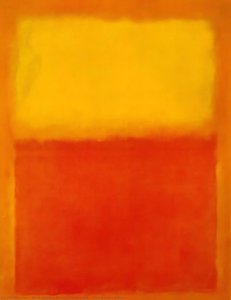 Πορτοκαλί και Κίτρινο1956
Μελέτες γύρω από το Horizontal Vision
 Mark Rothko: Τα 25 Κορυφαία Έργα Τέχνης για Διακόσμηση & Συλλογή | OriginalUniqueArt.grΑνακαλύψτε τα 25 κορυφαία έργα τέχνης του Mark Rothko! Εξερευνήστε την ιστορία, τη φιλοσοφία & τα χρώματα των πιο εμβληματικών αφηρημένων π…
 The Architecture of Emotion: A Connoisseur’s Guide to the Chromatic Sublimity of Mark RothkoExplore the profound emotional landscapes of Mark Rothko. An expert editorial on Color Field painting, decoding the spiritual depth, techni…
 Socialist Realism vs. Abstract Expressionism: Two Visions of the Mid-CenturyExplore the ideological divide between Socialist Realism and Abstract Expressionism. Discover the history behind these two art movements no…