Expressionism · 1915
Marching (Μαρκ Σαγκάλ, 1915)
Marching is a work by Μαρκ Σαγκάλ (1887–1985). It dates from 1915. It belongs to the Expressionism movement. It is made in Acrylic On Canvas.
- 1915
- Acrylic On Canvas

 Προεπισκόπηση σε πραγματική κλίμακα

 Ελαιογραφικό Χειροποίητο Έργο
 Αποστολή
 Κοινοποίηση
 Οδηγός


 Λήψη
 Παρόμοια αντικείμενα συλλογής
 Ακτινογραφία
 Παρουσίαση
 Ερωτήσεις & Απαντήσεις

 Στατιστικά
Marching: the essentials
- Title
- Marching
- Artist
- Μαρκ Σαγκάλ (1887–1985)
- Artist born in
- Λιοζνά, Λευκορωσία
- Date
- 1915
- Medium
- Acrylic On Canvas
- Movement
- Expressionism
- Subject
- uniform, roof, sky, clock, figures, folklore
Looking at Marching
A Symphony of Color and Memory: Exploring Marc Chagall's "I Am Alone"
Marc Chagall’s “I Am Alone,” painted in 1915, isn’t merely a depiction of solitude; it’s an embodiment of existential angst rendered in the breathtaking language of Expressionism. Created during the turbulent years preceding World War I—a period marked by anxieties about national identity and impending conflict—the painting transcends its immediate historical context to speak to universal themes of isolation and longing. It's housed in the Musée d'Orsay, Paris, a testament to Chagall’s enduring influence on modern art.- Subject Matter: The canvas portrays a man standing alone on a rooftop amidst a swirling panorama of fantastical figures—a woman with outstretched arms, a child perched precariously on the edge of the roof, and several other stylized individuals drifting upwards into the heavens.
- Style: Chagall’s style is unmistakably Expressionist. Rejecting representational accuracy in favor of emotional intensity, he employs bold colors—primarily yellows, blues, and reds—to convey mood and feeling rather than to faithfully reproduce reality. The figures themselves are distorted and stylized, imbued with a dreamlike quality that defies logical interpretation.
Technique: Bold Brushstrokes and Layered Color
Chagall’s technique is characterized by thick, impasto brushstrokes—meaning the paint is applied in layers so thickly that it stands up prominently from the surface of the canvas. This textural approach contributes significantly to the painting's dramatic impact, creating a palpable sense of movement and conveying the artist’s emotional state directly onto the artwork. The colors are blended strategically to create luminous washes and vibrant accents, enhancing the overall visual richness.- Color Palette: The dominant hues—golden yellows symbolizing warmth and optimism juxtaposed with deep blues representing melancholy and uncertainty—are deliberately chosen to evoke specific emotions. Chagall’s masterful use of color underscores the painting's psychological depth.
- Composition: The rooftop setting serves as a focal point, anchoring the swirling figures and emphasizing the man’s isolation. The upward trajectory of the figures symbolizes aspiration but also hints at vulnerability—a yearning for connection amidst overwhelming circumstances.
Symbolism: Folklore and Existential Concerns
“I Am Alone” is replete with symbolic references drawn from Jewish folklore and Kabbalah—the mystical tradition of Judaism. The woman with outstretched arms represents compassion and maternal care, while the child symbolizes innocence and vulnerability. The swirling figures embody the chaotic forces of fate and the anxieties surrounding impending war. More broadly, the painting explores profound existential questions about human existence—questions concerning identity, purpose, and the inevitability of suffering.Ultimately, Chagall’s “I Am Alone” transcends its historical origins to resonate with viewers across generations. It's a hauntingly beautiful meditation on solitude, loss, and the enduring quest for meaning—a masterpiece that continues to inspire awe and provoke contemplation decades after its creation.
Marching in high resolution

Μαρκ Σαγκάλ, Marching (1915).
Questions about Marching
Παρουσιάζει το "Marching" έντονες αντιθέσεις φωτός και σκότους;
Το έργο "Marching" του Μαρκ Σαγκάλ παρουσιάζει μια Statement αντίθεση μεταξύ των φωτεινών και των σκιοπαραγωγού του περιοχών.
Είναι το έργο "Marching" του Μαρκ Σαγκάλ φωτεινό ή σκοτεινό;
Το έργο "Marching" έχει συνολική φωτεινότητα bright, ενώ η φωτεινότητά του (luminance) είναι Bright Balance.
Τι απεικονίζει το "Marching" του Μαρκ Σαγκάλ και ποια ατμόσφαιρα αποπνέει;
Το έργο "Marching" του Μαρκ Σαγκάλ απεικονίζει το/τα uniform, roof, sky, clock, figures, folklore, dreams, με μια ατμόσφαιρα Romantic. Το θέμα και η ατμόσφαιρα συνθέτουν μαζί την περιγραφή του έργου.
Πόσοι άνθρωποι επισκέπτονται το "Marching";
Τα στατιστικά στοιχεία για το "Marching" του Μαρκ Σαγκάλ βρίσκονται στη σελίδα Στατιστικά επισκέψεων του έργου: μηνιαίες επισκέψεις του έργου, επισκέψεις των έργων του καλλιτέχνη, καθώς και κατανομή των πρόσφατων επισκεπτών ανά χώρα και γλώσσα.
Ποιος χώρος ταιριάζει με τα χρώματα του "Marching" του Μαρκ Σαγκάλ;
Οι χρώματα της παλέτας Earthy του έργου "Marching" του Μαρκ Σαγκάλ ταιριάζουν στον προτεινόμενο χώρο του: ένα Living Room.
Από ποια χώρα προέρχεται το έργο του Expressionism "Marching";
Το έργο του ή της Expressionism "Marching" δημιουργήθηκε από καλλιτέχνη που γεννήθηκε στην/στο Λευκορωσία.
Ποιο συναισθηματικό ύφος αποπνέει το στυλ της καλλιτεχνικής καμπάνιας Expressionism του έργου "Marching";
Το Melancholic συναίσθημα του έργου "Marching" συνοδεύει το στυλ της καλλιτεχνικής κίνησης Expressionism.
Γιατί η κατάσταση των πνευματικών δικαιωμάτων του "Marching" είναι αυτή που είναι;
Το έργο "Marching" του Μαρκ Σαγκάλ ανήκει στο ακόμα προστατευόμενο από δικαιώματα αυτορικού. Η διάρκεια της προστασίας των πνευματικών δικαιωμάτων υπολογίζεται από το έτος θανάτου του καλλιτέχνη, ο οποίος συνέβη το 1985.
Σε ποιο σημείο του σπιτιού θα ταιριάζει ιδανικά μια αναπαραγωγή του "Marching";
Το έργο "Marching" του Μαρκ Σαγκάλ προτείνεται για το Living Room. Αυτή η πρόταση βασίζεται στο θέμα, τα χρώματα και τη διάθεση του έργου.
About the artist, Μαρκ Σαγκάλ
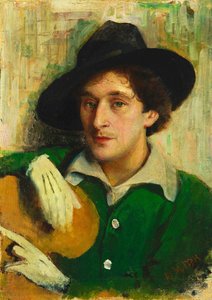
1887–1985, Λευκορωσία
Μαρκ Σαγκάλ
Early Life, Family and Training Marc Chagall enters the world on July 7, 1887, in Vitebsk, Russian Empire, born Moishe Segal. He is the first of nine children in a modest Jewish family. Life is defined by the rhythms of labor and small-scale commerce. His father, Khatskel Segal, works as a herring pickler at a warehouse, while his mother, Feïga-Ita Tchernina, manages a small grocery store.
Also by Μαρκ Σαγκάλ
 Εγώ και το Χωριό1911
 Λευκή Σταύρωση1938
 Η Γενέθλια1915
 Πάνω στην πόλη1918
Essays around Marching
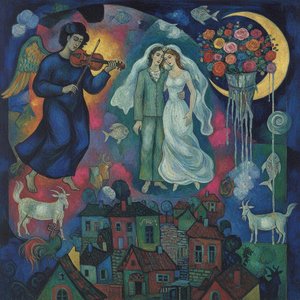 Marc Chagall’s Masterpieces: Exploring the Magic, Color, and Surrealist Legacy of a Modernist IconEmbark on a journey through the dreamlike masterpieces of Marc Chagall. Explore the profound symbolism and vibrant colors of this Surrealis…
 The Language of Brushstrokes: How Artistic Technique Expresses Emotion and EraExplore the profound connection between artistic technique and emotion. From the heavy impasto of Van Gogh to classical mastery, learn how …
 Dreaming in Color: The 25 Most Iconic Masterpieces by Marc ChagallStep into the dreamlike world of Marc Chagall. Explore 25 iconic masterpieces, from vibrant surrealist tales to soulful folklore. Find insp…