
 Αποστολή
 Κοινοποίηση
 Λεπτομέρειες
 Οδηγός

 Λήψη
Λήψη
 Παρόμοια αντικείμενα συλλογής
 Παρουσίαση
 Στατιστικά
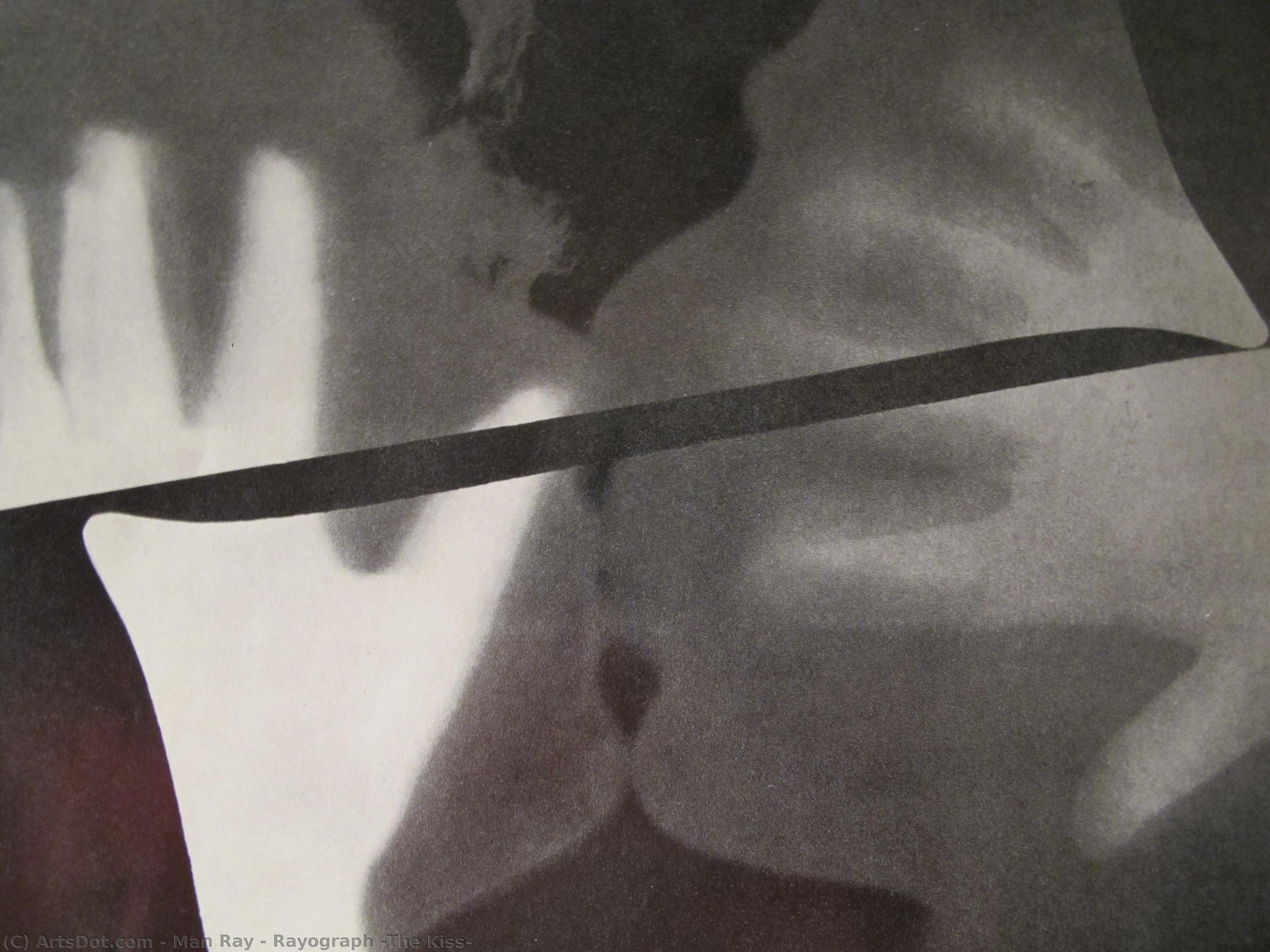
Rayograph (The Kiss)


 Περισσότερα λεπτομέρεια
Το έργο τέχνης που εμφανίζεται σε αυτή τη σελίδα προστατεύεται από τους νόμους περί πνευματικών δικαιωμάτων, γεγονός που σημαίνει ότι δεν μπορούμε νομικά να δημιουργήσουμε ή να πουλήσουμε μια ταυτόσημη αναπαραγωγή του. Αυτή η προστασία επιβάλλεται βάσει διεθνών συμφωνιών, όπως η Σύμβαση της Βέρνης καθώς και από τους εθνικούς νόμους, συμπεριλαμβανομένων αυτών που ορίζονται από το Νομοθεσία περί πνευματικών δικαιωμάτων των ΗΠΑ - Τίτλος 17. Όλα τα δικαιώματα κατοχυρωμένα. Απαγορεύεται η αναπαραγωγή χωρίς άδεια.
Αυτή η μέθοδος συμμορφώνεται πλήρως με τους κανονισμούς περί πνευματικών δικαιωμάτων, καθώς δεν περιλαμβάνει την αντιγραφή ή την αναπαραγωγή του προστατευόμενου έργου. Αντίθετα, πρόκειται για μια δημιουργική ερμηνεία — ένα νέο έργο που επηρεάζεται από το πρωτότυπο, χωρίς όμως να είναι πανομοιότυπο με αυτό.
Giclée / Εκτυπώσεις Τέχνης
Εκτύπωση giclée ή σε καμβά ποιότητας μουσείου με γρήγορη παραγωγή και ευέλικτες επιλογές φινιρίσματος. ( Αγορά χειροποίητου πίνακα Μετάβαση σε Ψηφιακή Εικόνα)




































Επιλέξτε από τις προκαθορισμένες διαστάσεις μας που διατηρούν τις αρχικές αναλογίες του έργου τέχνης.

Πληκτρολογήστε το πλάτος και το ύψος που επιθυμείτε, ώστε να ταιριάζουν στο κάδሮ ή στον τοίχο σας. Μια εκτύπωση μπορεί μόνο να κοπεί και ποτέ να μην γίνει μεγαλύτερη από την εικόνα, επομένως ένα μέγεθος με διαφορετικό σχήμα συνεπάγεται απώλεια ενός μέρους της εικόνας. Σας στέλνουμε ένα ψηφιακό mockup για έγκριση πριν εκτυπώσουμε οτιδήποτε. Η εικόνα που εμφανίζεται σε αυτή τη σελίδα δεν δείχνει την πραγματική κοπή — μόνο το mockup την παρουσιάζει.
Παγκόσμια Αποστολή () σε 2 εβδομάδες αντί για τις συνήθεις 4/5 εβδομάδες. (23 Οκτώβριος)

Δωρεάν γρήγορη διεθνής αποστολή

Κάμβας από Λινό Υψηλής Ποιότητας

Πλήρης ασφάλιση μεταφοράς

Εγγύηση επιστροφής δασμών και φόρων εισαγωγής

Εγγύηση Απόλυτης Ομοιότητας Χρωμάτων

Πολιτική Επιστροφής 100 Ημερών (Μόνο σε περίπτωση ελαττωμάτων)

Εγγύηση επιστροφής 100% των χρημάτων

Έκπτωση για πολλαπλές παραγγελίες
 Η επιλογή με γυαλί είναι διαθέσιμη μόνο για μεγέθη κάτω από 110 εκ.

Rayograph (The Kiss)
Giclée / Εκτυπώσεις Τέχνης
Διαστάσεις Αναπαραγωγής
-


Συνολικό Κόστος
€ 70
A Dance Between Light and Shadow: Exploring Man Ray’s “The Kiss”
Man Ray's "The Kiss," created in 1922 during the heady days of Dada and Surrealism, transcends mere photographic representation; it embodies a radical reimagining of artistic process and perception. This striking photogram—a technique pioneered by Ray himself—captures an intimate moment frozen in time, transforming commonplace objects into symbols of desire and connection. Unlike traditional painting, where artists meticulously render form and color, Ray embraced chance and spontaneity, trusting the unpredictable interplay of light and shadow to reveal hidden truths about human experience.- The Technique: Ray’s method was deceptively simple yet profoundly innovative. He placed sheets of photographic paper onto a darkroom tray containing two trays filled with water—one holding a pair of hands, another holding a pair of heads locked in an embrace. Above these objects, he positioned a lamp, casting shadows that imprinted themselves onto the paper surface. This process relied entirely on natural forces, rejecting the artist’s conscious control and yielding to the inherent beauty of accidental composition.
- Dada's Influence: The Dada movement, born in Zurich during World War I, vehemently rejected bourgeois values and embraced absurdity as a weapon against societal norms. Ray’s embrace of photogram aligns perfectly with Dada’s ethos—a deliberate disruption of artistic conventions aimed at challenging viewers’ assumptions about reality. It signaled a rejection of representational art's obsession with illusion and championed instead the exploration of subconscious imagery.
- Symbolism Beyond Form: “The Kiss” isn’t merely a depiction of physical intimacy; it operates on multiple symbolic levels. The hands, positioned close together, represent connection and vulnerability—a yearning for closeness amidst uncertainty. The darkroom trays symbolize the hidden depths of emotion and desire, mirroring the unseen forces that drive human relationships. Ray deliberately avoided portraying recognizable figures or landscapes, prioritizing instead the emotional resonance of the image itself.
- Emotional Impact: Viewing “The Kiss” evokes a sense of quiet contemplation—a fascination with the ephemeral beauty of fleeting moments. The photograph’s monochrome palette enhances its dramatic effect, emphasizing texture and form while stripping away distracting color hues. Like many Surrealist artworks, it invites viewers to delve into their own subconscious fantasies and confront uncomfortable truths about human desire.
Historical Context: Weimar Republic & Artistic Avant-Garde
The creation of “The Kiss” occurred during the Weimar Republic—a period marked by economic instability, political upheaval, and a burgeoning artistic ferment. Artists like Man Ray were actively experimenting with new mediums and techniques, rejecting academic traditions in favor of radical innovation. The influence of Surrealist thinkers such as André Breton was palpable, shaping artists’ preoccupation with dreams, irrationality, and the exploration of psychological landscapes. This era witnessed a fervent debate about the role of art in society—a rejection of decorative conventions and an insistence on confronting viewers with unsettling visions of the human condition.Further Exploration: Man Ray's Legacy
Man Ray’s pioneering use of photogram established him as one of the foremost figures in 20th-century photography, influencing generations of artists who followed. His work continues to inspire contemporary creatives seeking new ways to express emotion and challenge conventional perceptions of reality. Consider examining his other photographic explorations—including portraits of fellow Surrealists like Marcel Duchamp and René Magritte—to gain a deeper understanding of Ray’s artistic vision and enduring contribution to the history of art.Where to Find Reproductions
High-quality reproductions of “The Kiss” are available at OriginalUniqueArt.com, offering collectors and interior designers alike access to stunning artwork that captures the essence of Dada and Surrealist aesthetics. Explore our curated collection today!Ερωτήσεις & Απαντήσεις
Σε ποια χρονιά δημιουργήθηκε το "Rayograph (The Kiss)" του Μαν Ρέι;
Το έργο "Rayograph (The Kiss)" χρονολογείται από το 1922. Η ημερομηνία το τοποθετεί μέσα στην καριέρα του/της Μαν Ρέι και την εποχή του/της.
Ποια εποχή της καριέρας του/της Μαν Ρέι αντιπροσωπεύει το έργο "Rayograph (The Kiss)";
Το έργο "Rayograph (The Kiss)" ανήκει στην περίοδο Mature Period της καριέρας του Μαν Ρέι. Αυτή η ταξινόμηση συνδέει το έργο με την εξέλιξη του καλλιτέχνη.
Σε ποια χρονιά και σε ποιο καλλιτεχνικό ρεύμα δημιουργήθηκε το "Rayograph (The Kiss)";
Το έργο "Rayograph (The Kiss)" του Μαν Ρέι χρονολογείται στο 1922 και ανήκει στο Surrealist Photography.
Βιογραφικό Καλλιτέχνη
A Life Illuminated by Shadows
Emmanuel Radnitzky, a name forever intertwined with the enigmatic “Man Ray,” was born in Philadelphia in 1890 into a family of Russian Jewish immigrants. His early life, steeped in the vibrant energy of New York City, proved to be a crucible for his artistic development—a melting pot of European avant-garde influences and the raw, burgeoning spirit of American modernity. From a young age, Ray demonstrated an innate fascination with visual expression, initially drawn to architecture and engineering before ultimately dedicating himself wholeheartedly to the world of art. This early exposure to diverse disciplines – from drafting blueprints to studying Renaissance masterpieces – instilled in him a unique perspective, one that would later inform his groundbreaking approach to photography and painting. The family’s move to Brooklyn provided access to burgeoning artistic circles, exposing Ray to the revolutionary ideas circulating within the city's galleries and studios.Dada, Surrealism, and the Birth of a New Vision
Man Ray’s artistic trajectory took an extraordinary turn in 1915 with his encounter with Marcel Duchamp in New York. This meeting ignited a shared passion for dismantling conventional notions of art—a rebellious spirit that propelled him directly into the heart of the Dada movement. Dada, born from the disillusionment following World War I, was a radical anti-art protest, rejecting established values and embracing chance, absurdity, and irony. Ray quickly became a key figure within this volatile group, participating in its theatrical performances and contributing to its provocative publications. He embraced Duchamp’s exploration of “ready-mades”—ordinary manufactured objects elevated to the status of art—demonstrating a willingness to challenge the very definition of what constituted artistic creation. This period was marked by experimentation with unconventional materials and techniques, reflecting Dada's core philosophy of rejecting traditional constraints. Ray’s involvement in the Société Anonyme, a pioneering museum dedicated to modern art, further solidified his position within the avant-garde scene.The Alchemy of Light: Rayographs and Photographic Innovation
It was during this time that Man Ray stumbled upon what would become his most enduring contribution to the world of photography: the rayograph. Driven by a desire to move beyond the limitations of traditional cameras, he began experimenting with placing objects directly onto light-sensitive paper and exposing them to light—a process that yielded ethereal, ghostly images unlike anything previously seen. These “rayographs,” as he termed them, weren’t mere reproductions; they were entirely new forms of visual expression, capturing a sense of mystery and abstraction through the manipulation of light and shadow. Ray's innovative approach bypassed the camera lens altogether, stripping away the illusion of objectivity and revealing the inherent subjectivity of the photographic process. He didn’t aim to represent reality faithfully but rather to evoke feelings and sensations—a testament to his artistic vision. His early rayographs, published in 1922, were met with immediate acclaim, establishing him as a pioneer in the field of experimental photography.Portraits of the Psyche: Surrealism and Beyond
Man Ray’s artistic explorations didn't end with rayographs; he continued to push the boundaries of his craft throughout his career. His involvement with the Surrealist movement, led by André Breton, further expanded his creative horizons. Surrealism sought to unlock the power of the unconscious mind, exploring dreams, fantasies, and irrationality. Ray embraced this approach, creating hauntingly beautiful portraits that captured a sense of psychological depth and ambiguity. He employed techniques such as solarization—a process that reverses the tones of a photograph—to create dramatic effects and heighten the surreal quality of his images. His portraits of Lee Miller, a fellow artist and muse, are particularly renowned for their arresting compositions and evocative atmosphere. Beyond photography, Ray also ventured into filmmaking, producing experimental films like *Le Retour à la Raison* (1923) that defied conventional narrative structures and explored themes of memory, desire, and the subconscious.A Lasting Legacy
Man Ray’s influence extends far beyond his own lifetime. His innovative techniques—rayography, solarization, and his approach to portraiture—continue to inspire photographers today. He remains a pivotal figure in the history of Surrealism, shaping its visual language and influencing countless artists across various disciplines. His experimental films paved the way for future generations of avant-garde filmmakers, demonstrating the power of unconventional storytelling techniques. Even his fashion photography – characterized by its striking compositions and psychological depth – has had a lasting impact on the industry. Man Ray’s unwavering commitment to artistic freedom and his relentless pursuit of the impossible cemented his place as a true pioneer—an artist who forever altered our perception of art, reality, and the possibilities of visual expression. His legacy is not simply one of technical innovation but also of a profound spirit of creative exploration.
Μαν Ρέι
1890 - 1976 , Ηνωμένες Πολιτείες της Αμερικής
Στοιχεία καλλιτέχνη
- Artistic Movement Or Style: Δαδεϊσμός, Σουρεαλισμός
- Artists Or Movements Influenced By This Artist: ['Σουρεαλισμός']
- Artists Who Influenced This Artist: ['Marcel Duchamp']
- Date Of Birth: 27 Αυγ 1890
- Date Of Death: 18 Νοε 1976
- Full Name: Emmanuel Radnitzky
- Nationality: Αμερικανός
- Notable Artworks:
- Rayographs
- Επιστροφή στη Λογική
- Η Ασημένια Νεφέλη
- Place Of Birth: Φιλαδέλφεια, ΗΠΑ
Σχετικά άρθρα

OriginalUniqueArt.com F.A.Q.: Elevate Your Decor with Premium Textured Giclée Prints
Discover the distinction of OriginalUniqueArt.com premium textured Giclée prints. Expertly crafted with archival 12-color pigments and museum-grade substrates, our prints offer unparalleled vividness for the discerning collector seeking luxury, durability, and timeless elegance.
