
 Δείτε σε πραγματικό χώρο
 Αποστολή
 Κοινοποίηση
 Λεπτομέρειες

 Λήψη
Λήψη
 Παρόμοια αντικείμενα συλλογής
 Ακτινογραφία
 Παρουσίαση
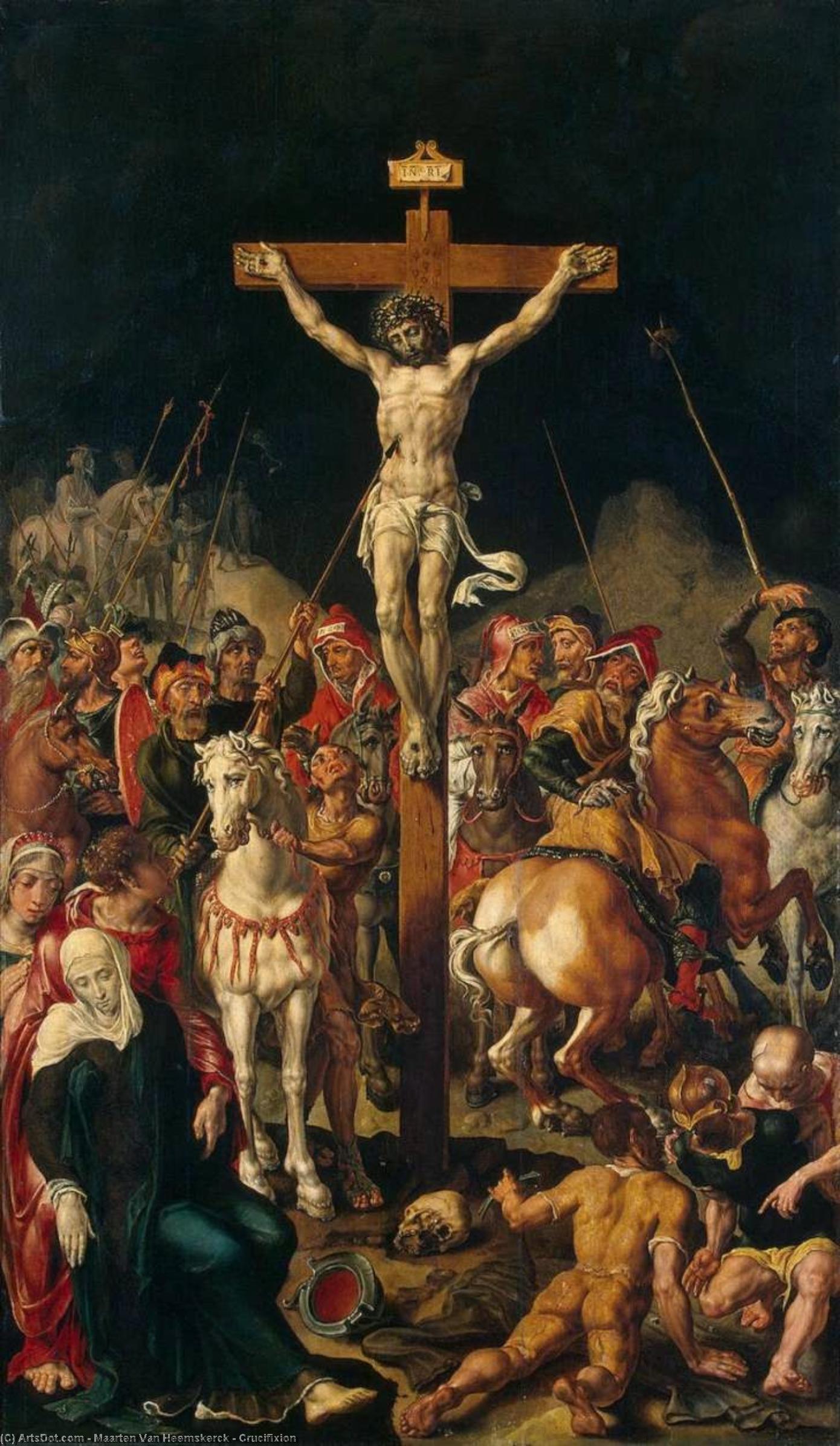
Crucifixion
 Oil On Canvas
- WallArt
- Renaissance Dutch
 1545
1545- Renaissance
 101.0 x 58.0 cm
 Ερμιτάζ
 Διαβάστε περισσότερα
Giclée / Εκτυπώσεις Τέχνης
Εκτύπωση giclée ή σε καμβά ποιότητας μουσείου με γρήγορη παραγωγή και ευέλικτες επιλογές φινιρίσματος. ( Αγορά χειροποίητου πίνακα Αγορά ψηφιακής εικόνας)




P118B $10

P118H $10

P118W $10

P438Z $10

P508JH $12

P508YH $12

P805H $10

P805Z $10

P919BZ $10

P919G $10

P919XJ $10

P959ZH $10

P968JZ $12

W106C $8

W218G $10

W218JH $8

W218Y $10

W307PJ $10

W316G $10

W316PJ $8

W316Y $10

W398PJ $8

W4111J $10

W500HY $15

W500JH $15

W692G $12

W849H $8

W940BG $15

W953PJ $8




Επιλέξτε από τις προκαθορισμένες διαστάσεις μας που διατηρούν τις αρχικές αναλογίες του έργου τέχνης.

Μπορείτε να εισαγάγετε δικές σας διαστάσεις ώστε να ταιριάξουν με ένα συγκεκριμένο πλαίσιο ή χώρο. Εάν το επιλεγμένο μέγεθος δεν συμπίπτει με τις αναλογίες της πρωτότυπης εικόνας, θα κόψουμε το έργο τέχνης ή θα επεκτείνουμε την εικόνα με καθρεφτισμένη ή μονόχρωμη ατέλεια. Θα σας αποσταλεί ένα ψηφιακό mockup για έγκρισή σας πριν από την έναρξη της παραγωγής.
Παρακαλούμε σημειώστε ότι η προεπισκόπηση στην οθόνη δεν αντικατοπτρίζει την πραγματική κοπή ή επέκταση. Μόνο το mockup θα δείξει με ακρίβεια την τελική σύνθεση.
Παρόλο που είναι διαθέσιμες προσαρμοσμένες διαστάσεις, προτείνουμε την επιλογή μιας διάστασης από τη προκαθορισμένη λίστα για τη διατήρηση των αρχικών αναλογιών.
Παγκόσμια Αποστολή () σε 2 εβδομάδες αντί για τις συνήθεις 4/5 εβδομάδες. (18 Αύγουστος)

Δωρεάν γρήγορη διεθνής αποστολή

Κάμβας από Λινό Υψηλής Ποιότητας

Πλήρης ασφάλιση μεταφοράς

Εγγύηση Επιστροφής Δασμών και Φόρων

Εγγύηση Απόλυτης Ομοιότητας Χρωμάτων

Πολιτική Επιστροφής 60 Ημερών (Μόνο σε περίπτωση ελαττωμάτων)

Εγγύηση επιστροφής 100% των χρημάτων

Προσφορά για μαζικές παραγγελίες
 Η επιλογή με γυαλί είναι διαθέσιμη μόνο για μεγέθη κάτω από 110 εκ.

Crucifixion
Giclée / Εκτυπώσεις Τέχνης
Διαστάσεις Αναπαραγωγής
-


Συνολική Τιμή
$ 80
Περιγραφή Συλλεκτικού Αντικειμένου
A Window Into Faith: Maerten van Heemskerck’s Crucifixion Triptych
The Crucifixion by Maerten van Heemskerck, completed in 1545, stands as a monumental achievement of the Dutch Renaissance and a testament to the enduring power of religious iconography. More than just a depiction of Christ's suffering – though undeniably poignant – this triptych transcends mere representation, immersing viewers in a meticulously crafted tableau that speaks volumes about humanist ideals and artistic innovation. Painted during a period marked by fervent piety and intellectual curiosity, it embodies the spirit of its time while simultaneously securing its place as one of the most influential artworks of the era.Style and Technique: Bridging Italian Renaissance Grandeur with Dutch Realism
Van Heemskerck skillfully blended elements of Italian Renaissance grandeur with the burgeoning realism characteristic of Dutch art. Influenced by artists like Michelangelo and Raphael, he adopted a pyramidal composition – a technique favored in monumental religious paintings – to convey stability and solemnity. However, unlike many Italian counterparts that prioritized idealized beauty, Van Heemskerck’s approach embraced meticulous detail and naturalistic observation. The artist painstakingly rendered textures—the rough linen of Christ's robe, the weathered stone of the cross—creating a palpable sense of physicality that distinguishes it from more stylized depictions. This careful attention to realism was further enhanced by his masterful use of chiaroscuro – dramatic contrasts between light and shadow – which sculptured form and imbued the scene with emotional depth.Historical Context: Rome Under Charles V and the Reformation’s Influence
The Crucifixion's creation coincided with a pivotal moment in European history: the reign of Charles V, Holy Roman Emperor, and the escalating tensions surrounding the Protestant Reformation. The Habsburg monarch championed Catholicism fiercely, commissioning artworks like this to reaffirm papal authority and bolster religious faith. Yet, Van Heemskerck’s work wasn’t solely driven by political considerations; it reflected a broader humanist preoccupation with human suffering and mortality – themes explored extensively in classical literature and philosophy. The triptych served as part of a larger project to decorate the Porta San Sebastiano in Rome, commemorating Charles V's victory over Protestant forces—a visual declaration of imperial piety amidst religious upheaval.Symbolism: Layers of Meaning Beyond Visual Representation
The Crucifixion’s symbolism is rich and multifaceted. The central panel depicts Jesus Christ crucified on the cross, a universally recognized emblem of sacrifice and redemption. His outstretched arms symbolize humility and acceptance of divine judgment, while his gaze directs upward towards God—a gesture signifying hope and spiritual aspiration. Surrounding him are figures representing Mary Magdalene, Nicodemus, Joseph of Arimathea, and others who witnessed Christ’s death – each embodying compassion and devotion. The inclusion of a horse on the right panel reinforces the imagery of royalty and divine majesty, mirroring the emperor's patronage. Furthermore, the cup positioned at the bottom left corner symbolizes the Eucharist—the sacrament commemorating Jesus’s sacrifice—underscoring the theological significance of the artwork.Emotional Impact: A Profound Reflection on Suffering and Faith
Ultimately, Maerten van Heemskerck’s Crucifixion transcends mere visual spectacle; it evokes a profound emotional response in viewers. The subdued palette – dominated by earthy tones – contributes to an atmosphere of solemn contemplation. Yet, the artist's masterful manipulation of light and shadow intensifies the drama of the scene, conveying the agony of Christ’s torment and eliciting empathy for his suffering. It compels us to confront questions about faith, mortality, and divine compassion—themes that continue to resonate across centuries. The Crucifixion remains a powerful reminder of humanity's capacity for sorrow and its unwavering belief in redemption – an enduring masterpiece that secures its place as one of the most poignant expressions of Renaissance spirituality.Βιογραφία Καλλιτέχνη
πρώιμη ζωή και εκπαίδευση
maerten van heemskerck, ένας διακεκριμένος Ολλανδός ζωγράφος πορτραίτου και θρησκευτικών σκηνών, γεννήθηκε στις 1 Ιουνίου 1498 στο χωριό Heemskerk, στη Βόρεια Ολλανδία. Το καλλιτεχνικό του ταξίδι ξεκίνησε υπό την καθοδήγηση του Cornelius Willemsz στο Haarlem, ακολουθούμενο από μια σύντομη περίοδο στο Delft με τον Jan Lucasz. Τελικά, έγινε μαθητής του jan van scorel, υιοθετώντας το ιταλικού περιεχομένου στυλ του δασκάλου του.σημαντικά σημεία της καριέρας του
- Το έργο του maerten van heemskerck χαρακτηρίζεται από τον καινοτόμο συνδυασμό Ολλανδικών και Ιταλικών επιρ प्रभावों, όπως φαίνεται στο περίφημο οικογενειακό του πορτρέτο, το οποίο θεωρείται το πρώτο του είδους σε μια μακρά σειρά Ολλανδικών οικογενειακών πίνακων.
- Η συνεργασία του με τον antonio da sangallo the younger, τον battista franco και τον francesco de' rossi (il salviati) για την ανακαίνιση της porta san sebastiano στη Ρώμη, έναν θριαμβευτικό τόξο προς τιμήν του Καρόλου Ε., αναδεικνύει την ταχύτητα και την ικανότητά του ως ζωγράφος σκηνών.
- Τα σχέδια του Heemskerck για κλασική γλυπτική και αρχιτεκτονική, τα οποία φυλάσσονται σήμερα σε δύο σημειωματάρια στο kupferstichkabinett berlin, επιδεικνύουν την τέχνη του στο να αγγίζει την ουσία της ιταλικής τέχνης.
σημαντικά έργα και κληρονομιά
- the donor and saint mary magdalene (δείτε στο OriginalUniqueArt)
- the virgin and saint john the evangelist (δείτε στο OriginalUniqueArt)
- samson shattering the pillars of the temple, maarten van heemskerck (δείτε στο OriginalUniqueArt)
συμπέρασμα
maerten van heemskerck άφησε ένα αδιαμφισβήτητο και βαθύ αποτύπωμα στον κόσμο της τέχνης. Τα έργα του, τα οποία αποτελούν πλέον μέρος πολλών μουσειακών συλλογών, συμπεριλαμβανομένου του Rijksmuseum, συνεχίζουν να εμπνέουν καλλιτέχνες και λάτρεις της τέχνης με την ίδια ένταση. Για να εξερευνήσετε περισσότερα από τα αριστουργήματά του, επισκεφθείτε τη σελίδα του maerten van heemskerck στο OriginalUniqueArt. Για μια βαθύτερη κατανόηση της ζωής και των έργων του, ανατρέξτε στη βιογραφία του στο wikipedia.
Μάρτεν Φαν Χε Mencionó Σκερκ
1498 - 1574 , Ολλανδία
Γρήγορα στοιχεία
- Artistic Movement Or Style: Μανιερισμός
- Artists Who Influenced This Artist:
- Jan van Scorel
- Antonio da Sangallo the Younger
- Date Of Birth: 1 Ιουνίου 1498
- Date Of Death: 1 Οκτωβρίου 1574
- Full Name: Maerten Jacobsz van Heemskerck
- Nationality: Ολλανδός
- Notable Artworks:
- Πένθος επί του Νεκρού Χριστού
- Pieter Jan Foppeszoon και η οικογένειά του
- Ο Χριστός ως ο Άνθρωπος των Λιπούμενων
- Place Of Birth: Heemskerk, Ολλανδία
Σχετικά άρθρα
Οι 25 Κορυφαίοι Πίνακες του Vincent van Gogh: Έμπνευση & Διακόσμηση
Ανακαλύψτε τους 25 κορυφαίους πίνακες του Vincent van Gogh! Ιμπρεσιονισμός, μετα-ιμπρεσιονισμός & η συγκλονιστική ιστορία της τέχνης του. Βρείτε αναπαραγωγές υψηλής ποιότητας για να εμπνεύσετε τον χώρο σας. Εξερευνήστε την πλήρη συλλογή στο OriginalUniqueArt.com

Ρέμπραντ: Τα 25 Κορυφαία Έργα Τέχνης για Διακόσμηση με Στυλ | OriginalUniqueArt.gr
Ανακαλύψτε τα 25 κορυφαία έργα τέχνης του Ρέμπραντ! Εξερευνήστε την ιστορία, τις τεχνικές και το συναίσθημα πίσω από πίνακες όπως η Νυχτερινή Περιπολία & Ο Επιστρέφοντας Προδιγόνος. Βρείτε αναπαραγωγές υψηλής ποιότητας για διακόσμηση στο OriginalUniqueArt.gr

Maerten van Heemskerck: Bridging Mannerism & Renaissance Ideals
Explore the captivating world of Maerten van Heemskerck, a pivotal Dutch Renaissance painter bridging Mannerism & Italian influence. Discover his masterpieces and legacy with OriginalUniqueArt.

Οι 10 Κορυφαίοι Δασκάλοι της Ολλανδικής Μπαρόκ Τέχνης | OriginalUniqueArt.gr
Ανακαλύψτε τους 10 κορυφαίους πίνακες της Ολλανδικής Μπαρόκ – Rembrandt, Vermeer & άλλοι. Ιστορίες τέχνης, τεχνικές και έμπνευση για διακόσμηση σπιτιού. Βρείτε την ιδανική αναπαραγωγή πίνακα στο OriginalUniqueArt.gr
Adriaen van Ostade: A Master of Dutch Genre Painting & Social Commentary
Explore the life & work of Adriaen van Ostade, a leading Dutch Golden Age painter. Discover his realistic genre scenes, social commentary, and lasting influence on art history. Learn more at OriginalUniqueArt.


