
 Δείτε σε πραγματικό χώρο
 Αποστολή
 Κοινοποίηση
 Λεπτομέρειες

 Λήψη
Λήψη
 Παρόμοια αντικείμενα συλλογής
 Ακτινογραφία
 Παρουσίαση
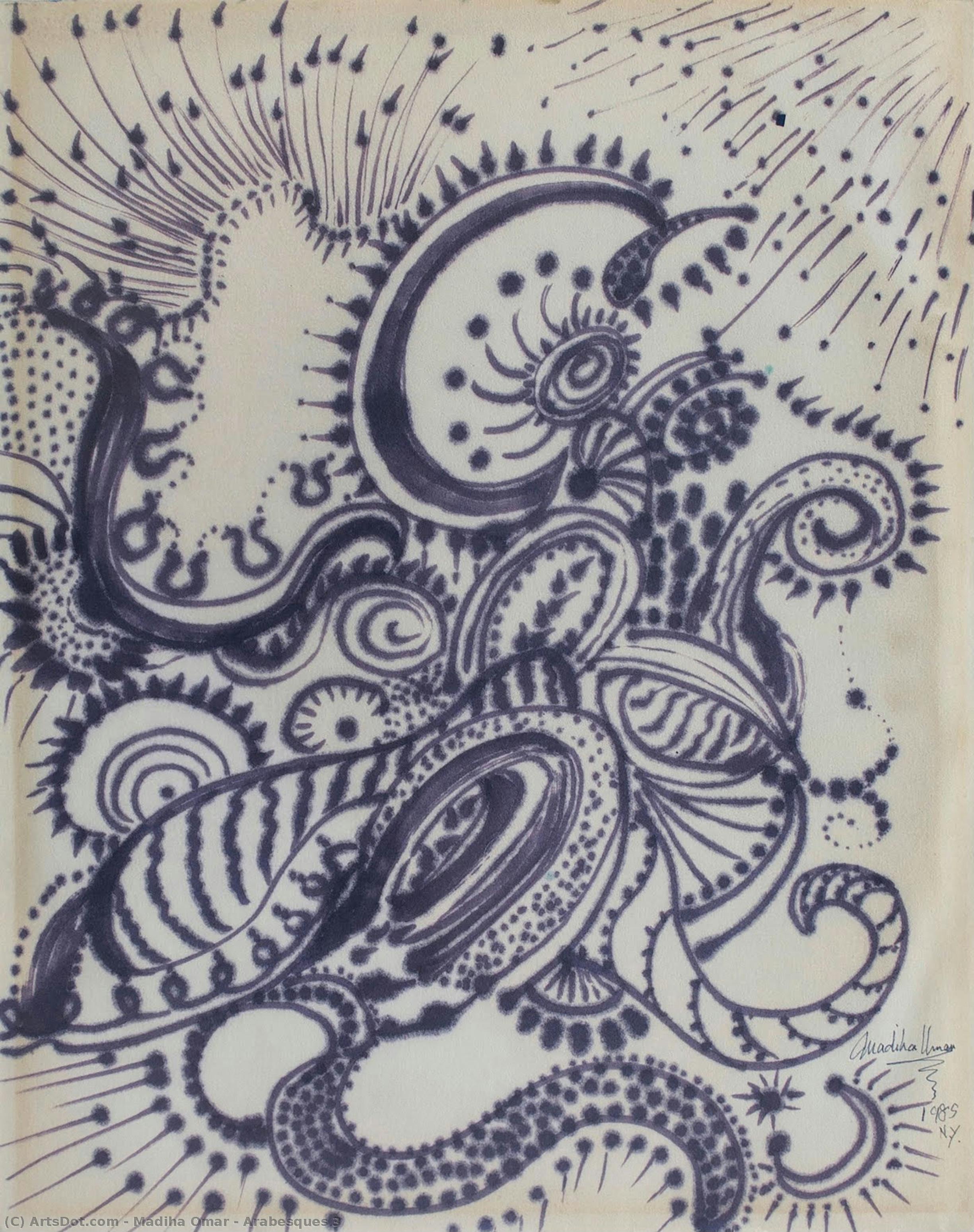
Arabesques 3
 1985
1985 35.0 x 30.0 cm
 Ibrahimi Collection
 Διαβάστε περισσότερα
Αγοράστε μια ψηφιακή εικόνα υψηλής ανάλυσης και βελτιωμένης ποιότητας, πολύ ανώτερης από την προεπισκόπηση στο διαδίκτυο.
Κάθε αρχείο προετοιμάζεται σχολαστικά από τους εξειδικευμένους συνεργάτες μας, με τη χρήση προηγμένων εργαλείων και χειροκίνητου ρετουσαρίσματος υψηλής ακρίβειας. Εξασφαλίζουμε ότι κάθε εικόνα προσφέρει εξαιρετική ευκρίνεια, απόλυτη πιστότητα στο χρώμα και λεπτομερή ανάδραση των λεπτομερειών.
Το τελικό αρχείο παραδίδεται μέσω email εντός 72 ωρών, βελτιστοποιημένο για άμεση χρήση σε επαγγελματικά, εκδοτικά και έντυπα περιβάλλοντα. Πρόκειται για την ίδια ποιότητα που εμπιστεύονται κορυφαία studios σχεδιασμού, εκδότες και γκαλερί.
Ψηφιακή εικόνα
Κατεβάστε ένα αρχείο υψηλής ανάλυσης για προσωπική χρήση, εκτύπωση και δημιουργικά έργα. ( Αγορά εκτύπωσης Αγορά χειροποίητου πίνακα)
Περιλαμβάνεται σε κάθε παραγγελία ψηφιακής εικόνας
Επαγγελματική Ψηφιακή Παράδοση με Εγγύηση
Όταν επιλέγετε το OriginalUniqueArt.com, δεν αποκτάτε απλώς μια εικόνα – λαμβάνετε ένα επαγγελματικά αναβαθμισμένο ψηφιακό έργο τέχνης, δημιουργημένο με ακρίβεια και με εγγύηση ικανοποίησης. Δείτε όλα όσα περιλαμβάνονται στην παραγγελία σας, αυτόματα:

Άμεση αποστολή μέσω email
Το ψηφιακό σας αρχείο εικόνας υψηλής ανάλυσης θα σας σταλεί μέσω email εντός 72 ωρών από την παραγγελία σας — έτοιμο για άμεση χρήση.

Ψηφιακό Αρχείο με Τεχνητή Νοημοσύνη
Το έργο σας βελτιστοποιείται επαγγελματικά με τη χρήση προηγμένων εργαλείων Τεχνητής Νοημοσύνης και χειροκίνητης επεξεργασίας, εξασφαλίζοντας μέγιστη λεπτομέρεια, ευκρίνεια και ακρίβεια χρωμάτων.

Δωρεάν επανεκδόσεις مدى ζωής
Απώλησες ή διαγράψατε κατά λάθος το αρχείο σας; Μην ανησυχείτε — θα σας το ξαναστείλομε οποιαδήποτε στιγμή, δωρεάν.

Χωρίς Τελωνειακούς Φόρους - Ποτέ
Απολαύστε αμέσως τα έργα τέχνης σας χωρίς δασμούς, φόρους ή έξοδα αποστολής - οι ψηφιακές λήψεις είναι πάντα αφορεশিপτεία.

Εγγύηση Ακριβούς Χρωματισμού
Εξασφαλίζουμε ότι η ψηφιακή σας εικόνα αποτυπώνει τα αυθεντικά χρώματα όσο το δυνατόν πιστότερα, χρησιμοποιώντας επαγγελματικά εργαλεία και διαχείριση χρωμάτων.

Εγγύηση Ικανοποίησης 60 Ημερών
Εάν δεν είστε ικανοποιημένοι με την ψηφιακή σας εικόνα, θα την αναθεωρήσουμε ή θα σας επιστρέψουμε το 100% της αξίας της εντός 60 ημερών - χωρίς κανένα ερώτημα.

100% Εγγύηση Επιστροφής Χρήματος
Δεν είστε ικανοποιημένοι; Λάβετε πλήρη επιστροφή των χρημάτων σας εντός 60 ημερολογιακών ημερών από τη λήψη του ψηφιακού σας αρχείου — χωρίς κανένα ερώτημα.

Εκπτώσεις για μαζικές παραγγελίες
Αγοράστε 3 εικόνες, κάντε εξοικονόμηση 10% - Αγοράστε 5, κάντε εξοικονόμηση 15% - Αγοράστε 10+, κάντε εξοικονόμηση 20%. Ιδανικό για δημιουργικά έργα, γκαλερί και agencies.
Βιογραφικό Καλλιτέχνη
Wassily Kandinsky: Pioneer of Abstraction
Born in Moscow in December 1866, Wassily Kandinsky’s life and artistic journey represent a radical transformation within the landscape of modern art. Initially pursuing law and economics – disciplines that initially seemed to dictate his family's expectations – Kandinsky found himself increasingly drawn to the burgeoning world of art, a passion ignited by a youthful encounter with Monet’s “Impression, Soleil Levant.” This pivotal moment marked a decisive shift away from conventional academic training and towards an exploration of color and form as fundamental expressive elements. His early artistic endeavors, including studies in charcoal and pen-and-ink, laid the groundwork for his later revolutionary approach, yet it was his time at the Moscow School of Art that truly shaped his nascent theories about art’s potential to transcend mere representation.
Kandinsky's formal training in Munich during the late 1890s proved transformative. He enrolled at the Academy of Fine Arts, but quickly found himself disillusioned with its rigid structure and emphasis on traditional techniques. He sought guidance from Gabriele Münter, a fellow artist who became both a close friend and collaborator, and together they explored new avenues of artistic expression. This period witnessed the development of his core ideas – that art could communicate directly through color and form, bypassing the need for realistic depiction. Influenced by synesthesia, a neurological condition where stimulation of one sense triggers experiences in another (such as seeing colors when hearing music), Kandinsky began to believe that visual elements possessed inherent emotional qualities, which he meticulously documented in his influential writings.
The early 20th century witnessed a period of intense experimentation for Kandinsky. He and Münter formed the “Blue Rider” group (Der Blaue Reiter) alongside figures like Franz Marc and August Macke, a collective dedicated to exploring spiritual and emotional content within art. Their work was characterized by vibrant colors, simplified forms, and an emphasis on expressing inner states of being. Kandinsky’s early paintings from this period, such as “Composition VII” (1913), demonstrate his growing commitment to abstraction – the deliberate rejection of recognizable imagery in favor of purely visual elements. These works are not merely decorative; they represent a profound attempt to capture and convey subjective experience through color, line, and shape.
The Development of Abstract Art
Kandinsky’s artistic evolution was inextricably linked to his intellectual development. He meticulously documented his theories on the spiritual potential of art in numerous essays and writings, most notably “Concerning the Spiritual in Art” (1911). In these texts, he argued that art should strive to evoke a sense of inner harmony and spiritual awakening, moving beyond mere imitation of the external world. He identified six basic elements – line, color, shape, texture, plane, and volume – each possessing its own inherent expressive power. Kandinsky believed that by consciously manipulating these elements, artists could create works that resonated with viewers on a deeper, emotional level.
The outbreak of World War I profoundly impacted Kandinsky’s life and work. He fled Russia following the Bolshevik Revolution, eventually settling in Munich and later Paris. During this period, he continued to refine his abstract style, experimenting with increasingly simplified forms and vibrant color palettes. His paintings from the 1920s and 30s, such as “Composition VIII” (1923), are characterized by a dynamic interplay of geometric shapes and colors that evoke a sense of movement and energy. Despite facing increasing censorship in Germany due to his Jewish heritage, Kandinsky remained committed to his artistic vision, believing that art could serve as a powerful force for social change.
Kandinsky’s Legacy and Influence
Wassily Kandinsky's contribution to the history of art is immeasurable. He is widely considered one of the pioneers of abstract art, demonstrating its potential not merely as an aesthetic exercise but as a means of expressing profound spiritual truths. His theoretical writings provided a framework for understanding abstraction, influencing generations of artists who followed in his footsteps. His bold experimentation with color and form paved the way for movements such as Bauhaus and Surrealism.
Beyond his individual artistic achievements, Kandinsky’s legacy extends to his role as an educator and theorist. He taught at the Bauhaus school in Germany and later at the Art Academies of Lyon and Paris, sharing his ideas with a new generation of artists. His work continues to inspire artists today, reminding us of the power of art to transcend the limitations of representation and connect us to something deeper within ourselves.
Key Works
- Improvisation 28 (1912): An early example of Kandinsky’s abstract style, featuring dynamic lines and colors that evoke a sense of movement and emotion.
- Composition VII (1913): A seminal work showcasing Kandinsky's exploration of color and form as expressive elements.
- Concerning the Spiritual in Art (1911): Kandinsky’s influential treatise outlining his theories on the spiritual potential of art.
- Composition VIII (1923): Demonstrates Kandinsky's continued experimentation with abstraction and geometric forms during the 1920s.
A Life Dedicated to Art
Wassily Kandinsky died in Neuilly-sur-Seine, France, in December 1944. His life was a testament to his unwavering dedication to art and his belief in its transformative power. His work continues to resonate with audiences around the world, offering a glimpse into the inner landscape of the human spirit and reminding us that art can be more than just a reflection of reality—it can be a pathway to transcendence.

madiha omar
1908 - 2005 , Syrian Arab Republic
Γρήγορα στοιχεία
- Artistic Movement Or Style: Abstraction, Expressionism
- Artists Or Movements Influenced By This Artist:
- Bauhaus
- Abstract art
- Artists Who Influenced This Artist:
- Paul Gauguin
- Vincent van Gogh
- Date Of Birth: 16 December 1866
- Date Of Death: 13 December 1944
- Full Name: Wassily Kandinsky
- Nationality: Russian/French
- Notable Artworks:
- Composition VII
- Improvisation 28
- Yellows and Greens
- Place Of Birth: Moscow, Russia

