Expressionism
Carnival (Λάιονελ Φάινινγκερ)
Ο/Η Λάιονελ Φάινινγκερ (1871–1956) δημιούργησε το Carnival. Ανήκει στο κίνημα Expressionism. Είναι φτιαγμένο σε Oil On Canvas.
- Oil On Canvas

 Προεπισκόπηση σε πραγματική κλίμακα

 Ελαιογραφικό Χειροποίητο Έργο
 Αποστολή
 Κοινοποίηση
 Πληροφοριακό φύλλο


 Λήψη
 Παρόμοια αντικείμενα συλλογής
 Ακτινογραφία
 Παρουσίαση
 Ερωτήσεις & Απαντήσεις

 Στατιστικά
Carnival, εν συντομία
- Τίτλος
- Carnival
- Καλλιτέχνης
- Λάιονελ Φάινινγκερ (1871–1956)
- Γεννημένος/η το
- Νέα Υόρκη, Ηνωμένες Πολιτείες Αμερικής
- Μέσο
- Oil On Canvas
- Κίνηση
- Expressionism
- Εποχή
- Early Modern
- Θέμα
- people, figures, street scene, building, clock tower, umbrella
Τι απεικονίζει το Carnival;
Identification of Carnival by Lyonel Feininger
The street comes alive in Carnival, a spirited oil on canvas work by Lyonel Feininger. Created in 1911, this piece captures a moment of public celebration. The scene unfolds with a sense of movement, as if the viewer has just stepped into the middle of a bustling procession. People move through the space, their presence adding a layer of human energy to the urban setting.
Lyonel Feininger brings this specific vision to life through his unique handling of the medium. The oil paint carries the weight of the figures and the architecture, grounding the festive atmosphere in a tangible reality. Every brushstroke contributes to the feeling of a city in motion, caught in the middle of a joyful, crowded event. It is a window into a specific time and place, preserved through the artist's hand.
Composition and Visual Elements
A lively street scene unfolds before the eyes, filled with the restless energy of a crowd in motion. At least nine individuals populate the thoroughfare, each caught in a private moment of transit. One figure carries an umbrella against the sky, while another relies on a cane to navigate the pavement. Some travelers shoulder handbags or backpacks, their bodies angled as they move through the urban space. The figures appear to drift past one another, creating a sense of constant, rhythmic movement through the heart of the city.
In the background, the architecture looms with a sense of permanence. A building with a prominent clock tower watches over the pedestrians, its structure anchoring the bustling activity below. The composition draws the eye through the layers of the street, where the interplay of people and buildings creates a complex, layered perspective. The arrangement of the crowd suggests a spontaneous gathering, a slice of daily life where every person contributes to the collective pulse of the scene.
Technique and Artistic Style
The oil on canvas pulses with a restless energy, capturing a moment of movement through a lens of Expressionism. Colors collide and dance across the surface, refusing to settle into quietude. There is a palpable sense of rhythm in the way the pigments are applied, mirroring the lively street scene unfolding before us. The brushwork feels alive, driven by a desire to translate the emotional heat of a public celebration into visible, tactile strokes.
A subtle tension exists between the emotional intensity of Expressionism and the structural discipline of Cubist influence. While the colors scream with life, the underlying forms suggest a more calculated, geometric arrangement. This intersection of styles creates a visual language where the chaos of a crowd meets the organized logic of modernism. The figures move through a space that feels both spontaneous and carefully constructed, as if the artist is balancing the raw feeling of the moment with a precise, architectural eye.
Where to See This Artwork Today
The lively energy of this scene remains preserved within the walls of the Art Institute of Chicago. Visitors traveling to Chicago, IL, US, find this piece held within the institution's permanent collection. It resides there as a part of the Joseph Winterbotham Collection, waiting for those who wander through the museum's galleries to encounter its movement.
The painting stays housed in the Art Institute of Chicago, Chicago. It exists in this specific space, allowing the colors and the figures to remain part of the city's cultural landscape. One can find it among the many works that populate the museum's halls, where the spirit of the carnival continues to exist in its physical form.
Εικόνες υψηλής ανάλυσης του Carnival

Δημόσιος τομέας: ο καλλιτέχνης απεβίωσε το 1956.
Άλλες διαστάσεις, καρέττες και αναφορά →Λάιονελ Φάινινγκερ, Carnival. Δημόσιο περιουσιακό δικαίωμα
Ερωτήσεις για το Carnival, απαντημένες
Με τι τεχνική έχει δημιουργηθεί το "Carnival";
Η τεχνική του έργου "Carnival" του Λάιονελ Φάινινγκερ είναι το Oil On Canvas. Οι αναπαραγωγές στοχεύουν στην πιστή απόδοση της εμφάνισης αυτής της τεχνικής.
Τι απεικονίζει το "Carnival" του Λάιονελ Φάινινγκερ;
Το έργο "Carnival" του Λάιονελ Φάινινγκερ απεικονίζει: people, figures, street scene, building, clock tower, umbrella, cane, handbags.
Το έργο "Carnival" ανήκει στο δημόσιο περιουσιακό αγαθό;
Όσον αφορά τα πνευματικά δικαιώματα, το "Carnival" ανήκει στο δημόσιο κτήμα - τα δικαιώματα αυτορության έχουν λήξει.
Ποιον καλλιτέχνη αποδίδεται το "Carnival";
Το έργο "Carnival" δημιουργήθηκε από τον/την Λάιονελ Φάινινγκερ. Οι πληροφορίες σε αυτή τη σελίδα περιγράφουν το πρωτότυπο έργο του/της Λάιονελ Φάινινγκερ.
Προς ποιο καλλιτεχνικό ρεύμα ανήκει το έργο "Carnival" του Λάιονελ Φάινινγκερ;
Το έργο "Carnival" ανήκει στο καλλιτεχνικό ρεύμα Expressionism, το οποίο ορίζει την καλλιτεχνική παράδοση στην οποία εντάσσεται.
Ποια εποχή της καριέρας του/της Λάιονελ Φάινινγκερ αντιπροσωπεύει το έργο "Carnival";
Το "Carnival" αντιπροσωπεύει την περίοδο Early Period του Λάιονελ Φάινινγκερ.
Γιατί η κατάσταση των πνευματικών δικαιωμάτων του "Carnival" είναι αυτή που είναι;
Το έργο "Carnival" του Λάιονελ Φάινινγκερ ανήκει στο δημόσιο κτήμα - τα δικαιώματα αυτορության έχουν λήξει. Η διάρκεια της προστασίας των πνευματικών δικαιωμάτων υπολογίζεται από το έτος θανάτου του καλλιτέχνη, ο οποίος συνέβη το 1956.
Πώς συνδέεται το "Carnival" με το υπόλοιπο έργο του/της Λάιονελ Φάινινγκερ;
Στο συνολικό έργο του/της Λάιονελ Φάινινγκερ, το "Carnival" εντάσσεται στο στυλ του/της Expressionism, συνδέοντας τα θέματα του/της expressionism and cubism influence, urban life exploration, pivotal early career work, transition to fine art.
Πώς συνδέεται το θέμα του "Carnival" με τα συνηθισμένα θέματα του Λάιονελ Φάινινγκερ;
Ανάμεσα στα αναγνωρισμένα θέματα του/της Λάιονελ Φάινινγκερ - expressionism and cubism influence, urban life exploration, pivotal early career work, transition to fine art - το "Carnival" εστιάζει ιδιαίτερα στα people, figures, street scene, building, clock tower, umbrella, cane, handbags.
Σχετικά με τον καλλιτέχνη, Λάιονελ Φάινινγκερ

1871–1956, Ηνωμένες Πολιτείες Αμερικής
Λάιονελ Φάινινγκερ
Πρώιμα Χρόνια και Καριέρα: Από Καρικατουριστή σε Καλλιτέχνη Καλών Τεχνών Γέννηση και Οικογένεια: Ο Λιονέλ Τσάρλεσ Άντριον Φαινίνγκερ γεννήθηκε στις 17 Ιουλίου 1871, στη Νέα Υόρκη. Ο πατέρας του, Καρλ Φαινίνγκερ, ήταν ένας γερμανόαμερικανός βιολινίστας και συνθέτης, ενώ η μητέρα του, Ελίζαβεθ Φαινίνγκερ, ήταν Αμερικανίδα τραγουδίστρια. Αυτό το καλλιτεχνικό υπόβαθρο επηρέασε βαθύτατα την πρώιμη ανάπτυξή του. Πρώιμη Εκπαίδευση και Ευρωπαϊκές Περιπλανήσεις: Το 1887, στην ηλικία των 16 ετών, ο Φαινίνγκερ ταξίδεψε στην Ευρώπη για να σπουδάσει μουσική, αλλά σύντομα στράφηκε προς την τέχνη.
Σχετικά με τον Λάιονελ Φάινινγκερ Σημαντικά έργα του Λάιονελ Φάινινγκερ
Εργασίες του Λάιονελ Φάινινγκερ
 The honeymooners
 Boats1917
 Blue Coast
 Sailing Boats

Μελέτες γύρω από το Carnival
 Lyonel Feininger: Bridging Expressionism & Cubism – A Study of Spiritual GeometryExplore the captivating world of Lyonel Feininger, a pivotal figure bridging Expressionism & Cubism. Discover his architectural visions, Ba…
 The Architecture of the Crowd: Examining Human Presence in Urban CompositionsExplore the evolution of urban art from Caillebotte to modern street murals. Discover the pulse of the city through masterworks.
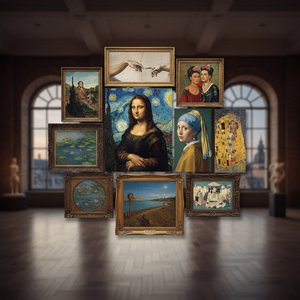 Οι 10 Κορυφαίοι Καμβάδες που Άλλαξαν την Τέχνη – Έμπνευση για το Σπίτι σαςΑνακαλύψτε τους 10 θρυλικούς καμβάδες που έγραψαν ιστορία στην τέχνη! Μονέ, Βαν Γκογκ & άλλοι μεγάλοι ζωγράφοι. Έμπνευση για διακόσμηση σπι…