
 Δείτε σε πραγματικό χώρο
 Αποστολή
 Κοινοποίηση
 Λεπτομέρειες

 Λήψη
Λήψη
 Παρόμοια αντικείμενα συλλογής
 Ακτινογραφία
 Παρουσίαση
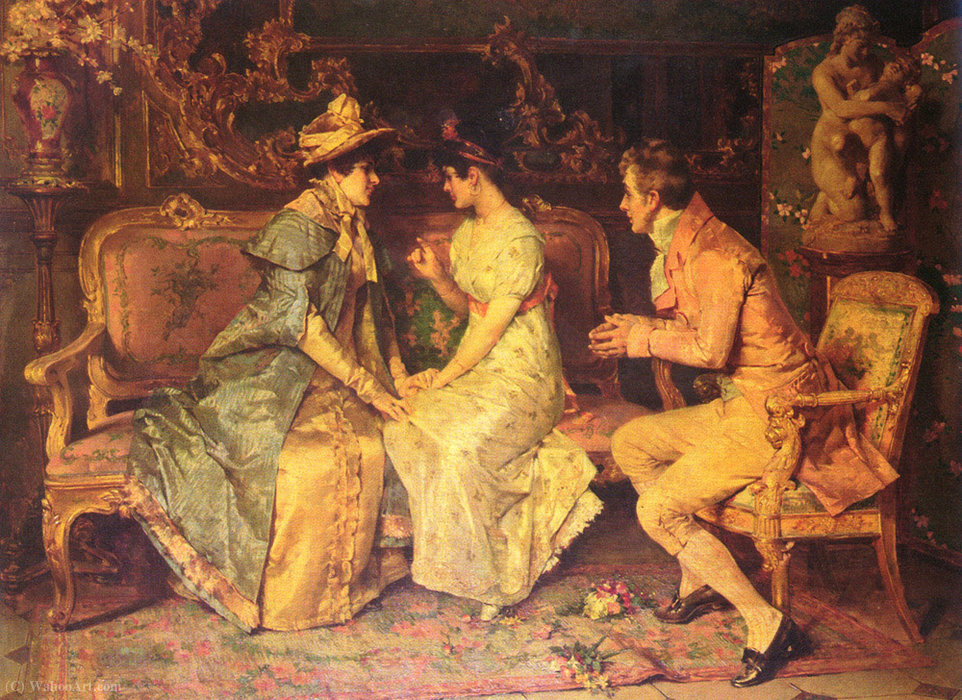
The suitor
 Διαβάστε περισσότερα
Χειροποίητη Αναπαραγωγή σε Έλαιο
Χειροποίητη oil painting σε καμβά στο δικό σας μέγεθος και πλαίσιο, κατά παραγγελία από τους καλλιτέχνες μας. ( Αγορά εκτύπωσης Αγορά ψηφιακής εικόνας)




































Επιλέξτε από τις προκαθορισμένες διαστάσεις μας που διατηρούν τις αρχικές αναλογίες του έργου τέχνης.

Μπορείτε να ορίσετε δικές σας διαστάσεις ώστε το έργο να ταιριάζει σε ένα συγκεκριμένο πλαίσιο ή χώρο. Εάν το επιλεγμένο μέγεθος δεν συμπίπτει με τις αναλογίες της αρχικής εικόνας, θα περικοψούμε το έργο ή θα επεκτείνουμε τη ζωγραφιά με πρόσθετα χειρόγραφα στοιχεία. Ένα ψηφιακό προσχέδιο θα σας αποσταλεί για έγκριση πριν την έναρξη της παραγωγής.
Παρακαλούμε σημειώστε ότι η προεπισκόπηση στην οθόνη δεν αντικατοπτρίζει την πραγματική περικοπή ή επέκταση. Μόνο το προσχέδιο θα δείξει με ακρίβεια την τελική σύνθεση.
Παρόλο που είναι διαθέσιμα προσαρμοσμένα μεγέθη, συνιστούμε να επιλέξετε μια διάσταση από τη λίστα των προκαθορισμένων μεγεθών για τη διατήρηση των αρχικών αναλογιών.
Μετά την παραγγελία, η ομάδα του OriginalUniqueArt.com θα στείλει email στον πελάτη με οδηγίες και θα παρέχει μια προεπισκόπηση προσχεδίου
Παγκόσμια Αποστολή () σε 3-4 εβδομάδες αντί για τις συνήθεις 5 εβδομάδες. (23 Αύγουστος). Χωρίς συμβιβασμούς στην ποιότητα.

Δωρεάν γρήγορη διεθνής αποστολή

Κάμβας από Λινό Υψηλής Ποιότητας

Πλήρης ασφάλιση μεταφοράς

Εγγύηση Επιστροφής Δασμών και Φόρων

Εγγύηση Απόλυτης Ομοιότητας Χρωμάτων

Πολιτική Επιστροφής 60 Ημερών (Μόνο σε περίπτωση ελαττωμάτων)

Εγγύηση επιστροφής 100% των χρημάτων

Προσφορά για μαζικές παραγγελίες
 Η επιλογή με γυαλί είναι διαθέσιμη μόνο για μεγέθη κάτω από 110 εκ.

The suitor
Μέσο Αναπαραγωγής
Διαστάσεις Αναπαραγωγής
-


Συνολική Τιμή
$ 300
Βιογραφία Καλλιτέχνη
Luis Álvarez Catalá (1836 - 1901): A Painter of Northern Spain’s Soul
Luis Álvarez Catalá (born January 22, 1836 – died October 4, 1901) was a Spanish painter renowned for his depictions of rural life and historical scenes rooted in the traditions of Asturias and León. He achieved considerable acclaim during his lifetime as Director of the Museo del Prado from 1898 to 1901, cementing his legacy as a pivotal figure in late nineteenth-century Spanish art.Early Life and Artistic Formation
Catalá’s origins lay in Helmo, Asturias, where he spent formative summers amidst the landscapes that would profoundly inspire his artistic vision. His family's heritage instilled in him a deep connection to the region’s cultural identity—a connection that would permeate throughout his oeuvre. Following primary education in Oviedo, he pursued formal artistic training at the Escuela Especial de Pintura, Escultura y Grabado and subsequently enrolled at the Real Academia de Bellas Artes de San Fernando in Madrid, under the tutelage of Federico de Madrazo. This influential mentorship shaped his technique and aesthetic sensibilities, establishing him firmly within the academic tradition prevalent during his era.Rome and Artistic Breakthrough
In 1857, Catalá embarked on a transformative journey to Rome—a pilgrimage for aspiring artists seeking inspiration and honing their craft amidst Europe’s artistic epicenter. Alongside Eduardo Rosales and Vicente Palmaroli, he benefited from a generous scholarship, allowing him to immerse himself in the Roman artistic milieu. The experience proved decisive, culminating in the prestigious Gold Medal awarded at the First National Exposition of Florence for his painting “Calpurnia’s Dream,” which secured second place at the National Exhibition of Fine Arts in Spain in 1862. This accomplishment signaled a burgeoning talent and established him as one of Spain's most promising painters.Style and Technique: Costumbrismo and Detail
Catalá’s artistic style distinguished itself through its meticulous observation of everyday life—a characteristic known as costumbrismo. He captured the essence of rural Asturias and León with remarkable precision, portraying scenes imbued with vibrant colors and intricate details that conveyed a palpable sense of authenticity. His canvases weren't merely representations; they were windows into specific cultural contexts, reflecting the customs, traditions, and social realities of his time. This dedication to realism—combined with masterful brushwork—became a hallmark of his artistic practice.Directorate at the Museo del Prado and Legacy
Catalá’s appointment as Director of the Museo del Prado in 1898 marked a significant moment in Spanish art history. During his tenure, he championed ambitious acquisitions aimed at enriching the museum's collection—most notably securing several works by Francisco Goya, furthering the Prado’s reputation as a repository of artistic excellence. He oversaw the installation of Aniceto Marinas’ statue of Velázquez and spearheaded the publication of *Catálogo ilustrado de la sala de Velázquez*, meticulously documenting the museum’s celebrated Velázquez Gallery. His unwavering commitment to preserving and promoting Spanish art ensured that his influence would endure beyond his lifetime, securing his place as a pivotal figure in the Prado's history and cementing his contribution to the broader artistic landscape of Spain.Notable Works
* “The Filandón”: A captivating portrayal of a traditional evening gathering in León and Asturias, embodying Catalá’s masterful depiction of rural life. * “Calpurnia’s Dream”: Recognized for its second place at the National Exhibition of Fine Arts in Spain in 1862, showcasing his exceptional skill in capturing emotion and narrative within a historical context.
luis alvarez catala
1836 - 1901
Γρήγορα στοιχεία
- Artistic Movement Or Style: Costumbrista
- Artists Or Movements Influenced By This Artist: ['Diego Velázquez']
- Artists Who Influenced This Artist: ['Federico de Madrazo']
- Date Of Birth: January 22, 1836
- Date Of Death: October 4, 1901
- Full Name: Luis Álvarez Catalá
- Nationality: Spanish
- Notable Artworks:
- The Filandón
- The Suitor
- Calpurnia's Dream
- Place Of Birth: Madrid, Spain

