
 Προεπισκόπηση σε πραγματική κλίμακα
 Αποστολή
 Κοινοποίηση
 Λεπτομέρειες
 Οδηγός

 Λήψη
Λήψη
 Παρόμοια αντικείμενα συλλογής
 Ακτινογραφία
 Παρουσίαση
 Ερωτήσεις & Απαντήσεις
 Στατιστικά
Sketchbook

- 24.0 x 16.0 cm


 Περισσότερα
Giclée / Εκτυπώσεις Τέχνης
Εκτύπωση giclée ή σε καμβά ποιότητας μουσείου με γρήγορη παραγωγή και ευέλικτες επιλογές φινιρίσματος. ( Αγορά χειροποίητου πίνακα Μετάβαση σε Ψηφιακή Αποτέλεσμα)




P118B €10

P118H €10

P118W €10

P438Z €10

P508JH €12

P508YH €12

P805H €10

P805Z €10

P919BZ €10

P919G €10

P919XJ €10

P959ZH €10

P968JZ €12

W106C €8

W218G €10

W218JH €8

W218Y €10

W307PJ €10

W316G €10

W316PJ €8

W316Y €10

W398PJ €8

W4111J €10

W500HY €15

W500JH €15

W692G €12

W849H €8

W940BG €15

W953PJ €8




Επιλέξτε από τις προκαθορισμένες διαστάσεις μας που διατηρούν τις αρχικές αναλογίες του έργου τέχνης.

Εισάγετε το πλάτος και το ύψος που επιθυμείτε, ώστε να ταιριάζουν στο κάδሮ ή στον τοίχο σας. Μια εκτύπωση μπορεί μόνο να υποστεί κοψίμό και ποτέ να μην γίνει μεγαλύτερη από την αρχική εικόνα, επομένως η επιλογή μεγέθους με διαφορετικό σχήμα συνεπάγεται απώλεια ενός μέρους της εικόνας. Σας στέλνουμε ένα ψηφιακό mockup για έγκριση πριν προχωρήσουμε σε οποιαδήποτε εκτύπωση. Η εικόνα που εμφανίζεται σε αυτή τη σελίδα δεν δείχνει την πραγματική κοπή — μόνο το mockup την παρουσιάζει.
Παγκόσμια Αποστολή () σε 2 εβδομάδες αντί για τις συνήθεις 4/5 εβδομάδες. (9 Νοέμβριος)

Δωρεάν γρήγορη διεθνής αποστολή

Κάμβας από Λινό Υψηλής Ποιότητας

Πλήρης ασφάλιση μεταφοράς

Εγγύηση επιστροφής δασμών και φόρων εισαγωγής

Εγγύηση Απόλυτης Ομοιότητας Χρωμάτων

Πολιτική Επιστροφής 100 Ημερών (Μόνο σε περίπτωση ελαττωμάτων)

Εγγύηση επιστροφής 100% των χρημάτων

Προσφορά για πολλαπλές παραγγελίες
 Η επιλογή με γυαλί είναι διαθέσιμη μόνο για μεγέθη κάτω από 110 εκ.

Sketchbook
Giclée / Εκτυπώσεις Τέχνης
Διαστάσεις Αναπαραγωγής
-


Τελική Τιμή
€ 72
A Window Into Beethoven’s Soul: The Sketchbook of 1815-1816
The world of Ludwig van Beethoven is often presented through the grand pronouncements of his symphonies and sonatas – monumental works that reverberate with heroic struggle and transcendent beauty. Yet, nestled within the vastness of his output lies a quieter, more intimate realm: his sketchbooks. Specifically, the “Sketchbook of 1815-1816,” currently housed at the Princeton University Library, offers an unparalleled glimpse into the composer’s creative process during a pivotal period of his life – a time marked by increasing deafness and profound artistic transformation. This unassuming collection of roughly sixty loose sheets, bound together with simple twine, is not merely a record of musical ideas; it's a visual diary, revealing the meticulous thought and restless experimentation that fueled some of Beethoven’s most enduring compositions.
The sketchbook itself is remarkably modest in appearance. The paper is of a standard quality, bearing the marks of frequent use – creases, smudges, and faint pencil markings attest to its active role as a sounding board for the composer's evolving musical concepts. Unlike the polished manuscripts that often dominate our understanding of Beethoven’s work, these sketches are raw, immediate, and intensely personal. They represent the genesis of ideas, the tentative exploration of harmonies and melodies before they were refined into the finished forms we know so well. The pages aren’t filled with fully realized scores; instead, they contain fragmented musical phrases, harmonic progressions, rhythmic motifs, and even brief annotations – a chaotic yet compelling testament to the composer's internal dialogue.
The Language of Gesture: Technique and Style
Beethoven’s technique in these sketches is characterized by an extraordinary directness. He rarely employs elaborate notation or complex musical symbols; instead, he relies on shorthand—a system of dots, dashes, and abbreviations that quickly convey the essence of a musical idea. The drawings themselves are remarkably expressive, capturing not just the notes but also the *feeling* behind them. He frequently uses gestural markings – quick, sweeping lines that mimic the movement of his hand as he played the piano—to suggest dynamics, phrasing, and articulation. The sketches aren’t merely representations of music; they're attempts to translate the physical sensation of sound onto paper.
The style is remarkably varied, reflecting the diverse range of musical ideas that occupied Beethoven’s mind during this period. There are studies for his Piano Sonata No. 13 in Db Major (“Pathétique”), sketches for the “Moonlight” Sonata, and fragments related to the Missa Solemnis – a monumental choral work that consumed him for nearly two decades. The sketchbook also contains musical ideas relating to various vocal works, including songs and operatic excerpts. The sheer volume of material suggests a constant state of creative ferment, with Beethoven relentlessly exploring new possibilities.
Echoes of the Era: Historical Context
To understand the significance of this sketchbook, it’s crucial to consider the historical context in which it was created. Beethoven was living in Vienna during a period of immense social and political upheaval. The Napoleonic Wars had recently ended, leaving Europe reeling from the aftermath of conflict and revolution. Beethoven himself was grappling with his own personal struggles – the gradual loss of his hearing, coupled with a growing sense of isolation and disillusionment. These challenges profoundly shaped his artistic vision, leading him to explore themes of struggle, resilience, and ultimately, transcendence in his music.
The sketchbook provides invaluable insight into this turbulent era. The sketches themselves are imbued with a sense of urgency and intensity, reflecting the composer’s emotional state. Many scholars believe that the “Sketchbook of 1815-1816” was created during a period of intense introspection and self-doubt – a time when Beethoven was questioning his own abilities and searching for new ways to express himself musically. The sketches are not simply musical exercises; they’re also reflections on the human condition, capturing the anxieties and aspirations of a man confronting profound personal challenges.
A Window into the Heart: Symbolism and Emotional Impact
Beyond its technical and historical significance, the sketchbook holds a powerful emotional resonance. The fragmented nature of the sketches—the incomplete phrases, the tentative markings—evokes a sense of vulnerability and honesty. It’s as if we are granted access to Beethoven's inner thoughts, his struggles, and his hopes. The act of sketching itself becomes a symbolic gesture – an attempt to capture fleeting moments of inspiration before they vanish forever.
The sketchbook is not merely a document of musical creation; it’s a testament to the enduring power of human creativity in the face of adversity. It reminds us that even in the darkest of times, the impulse to create—to express oneself through art—can provide solace and meaning. Reproductions of these sketches offer a unique opportunity to connect with one of history's greatest composers on a deeply personal level, revealing the raw emotion and intellectual rigor behind his monumental works.
Ερωτήσεις και Απαντήσεις
Το έργο "Sketchbook" του Λούντβιχ Βαν Μπετόβεν ανήκει στο δημόσιο περιουσιακό αγαθό;
Όσον αφορά τα πνευματικά δικαιώματα, το "Sketchbook" ανήκει στο δημόσιο κτήμα - τα δικαιώματα αυτορության έχουν λήξει.
Μπορώ να δω μια ακτινογραφική απεικόνιση του "Sketchbook" του Λούντβιχ Βαν Μπετόβεν;
Η σελίδα Ακτινογραφική εξέταση του έργου "Sketchbook" του Λούντβιχ Βαν Μπετόβεν αποτελεί έναν διαδραστικό προβολέα που σας επιτρέπει να περιηγείστε σε έντεκα οπτικά επίπεδα της εικόνας του έργου, συμπεριλαμβανομένης μιας προβολής σε στυλ ακτινογραφίας.
Είναι διαθέσιμη η λήψη για το "Sketchbook";
Μπορείτε να κατεβάσετε την εικόνα του έργου "Sketchbook" του Λούντβιχ Βαν Μπετόβεν από τη σελίδα Λήψη ψηφιακού αρχείου: λήψη ψηφιακής εικόνας υψηλής ανάλυσης.
Βιογραφικό Καλλιτέχνη
πρώιμη ζωή και μουσικά ξεκινήματα
ludwig van beethoven, ένας διασημότερος γερμανικός συνθέτης και πιανίστα, γεννήθηκε στο bonn της γερμανίας το 1770. Αναδεικνύοντας το μουσικό του ταλέντο από πολύ μικρή ηλικία, άρχισε να μελετά μουσική υπό την καθοδήγηση διαφορετικών δασκάλων πριν μετακομίσει στη βιέννη, όπου θα περάσει το μεγαλύτερο μέρος της ζωής του.μουσικές καινοτομίες και глуχήতা
παρά το γεγονός ότι υπέφερε από κώφια για μεγάλο μέρος της καριέρας του, ο beethoven συνέχισε να συνθέτει ορισμένα από τα πιο εμβληματικά κομμάτια της κλασικής μουσικής, συμπεριλαμβανομένης της συμφωνίας αριθ. 9 και του moonlight sonata. Οι καινοτόμες συνθέσεις του συνδύασαν φωνητικά στοιχεία και όργανα, δημιουργώντας έναν μοναδικό ήχο που επηρέασε αμέτρητους μουσικούς μέσω των αιώνων.σημαντικά έργα και κληρονομιά
ορισμένα από τα αξιοσημείωτα έργα του beethoven περιλαμβάνουν:- sonata για πιάνο και violoncello (la μείζονα) op. 69, 1ος movement (διαθέσιμο στο OriginalUniqueArt.com)
- το χειρόγραφο του beethoven για τη missa solemnis (μπορείτε να το δείτε στο wikipedia)
- τρία opus 1 piano sonatas, υπό την προσ betreσία του karl alois, prince lichnowsky
επιρροή και φήμη
η μεγαλύτερη επίτευξη του beethoven ήταν να αναδείξει τη μουσική οργάνων, η οποία μέχρι τότε θεωρούνταν κατώτερη από τη φωνητική μουσική, στο υψηλότερο επίπεδο της τέχνης. Η επιρροή του στην κλασική μουσική είναι αβάσταχτη, με τα έργα του να κατατάσσονται ανάμεσα στα πιο ερμηνευμένα στο ρεπερτόριο. ανακαλύψτε περισσότερα από το έργο του beethoven στο OriginalUniqueArt.com: ludwig van beethoven | 30 œuvres τέχνης μάθετε περισσότερα για τη ζωή και τη μουσική του beethoven στο wikipedia: ludwig van beethoven - wikipedia
Λούντβιχ Βαν Μπετόβεν
1770 - 1827 , Γερμανία
Γρήγορα στοιχεία
- Artistic Movement Or Style: Κλασικισμός Ρομαντισμός
- Artists Or Movements Influenced By This Artist:
- Johannes Brahms
- Robert Schumann
- Artists Who Influenced This Artist:
- Franz Joseph Haydn
- Christian Gottlob Schulze
- Date Of Birth: 1770 Μπόν, Γερμανία
- Date Of Death: 1827 Βιέννα, Αυστρία
- Full Name: Ludwig van Beethoven
- Nationality: Γερμανός
- Notable Artworks:
- Μαρτυρία του Μηνωského (Moonlight Sonata)
- Συμφωνία Νο. 9
- Place Of Birth: Μπόν, Γερμανία
Σχετικά άρθρα
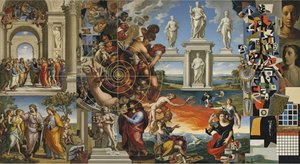
The Eloquence of Arrangement: Compositional Strategies in Western Art from the Renaissance to Modernism
Explore the evolution of compositional strategies in Western art! Discover how masters like Raphael & Zurbaran used perspective, proportion, and dynamic arrangement to create timeless masterpieces. Enhance your art appreciation today!

The Eloquent Line: Exploring the Artistic Significance of Sketches Across Movements and Media
Explore the profound artistic significance of sketches throughout history. From Renaissance masters to modern innovators like Van Gogh & Guston, discover how these foundational works reveal technique, emotion, and vision. Learn more at OriginalUniqueArt.

Βασίλι Καντίνσκι: Τα 25 Κορυφαία Έργα Τέχνης για Διακόσμηση & Έμπνευση
Ανακαλύψτε τα 25 κορυφαία έργα τέχνης του Βασίλι Καντίνσκι! Εξερευνήστε την αφηρημένη τέχνη, τον εξπρεσιονισμό & τα εμβληματικά χρώματα του ιδιοφυούς ζωγράφου. Αναπαραγωγές υψηλής ποιότητας για διακόσμηση και έμπνευση στο OriginalUniqueArt.com.

Harmonies on Canvas: Exploring the Visual Representation of Music in Art History
Explore the fascinating history of music's visual representation in art! From ancient symbolism to modern abstraction, discover how artists have captured sound and emotion on canvas. Expert insights & stunning examples.

Οι 25 Κορυφαίοι Πίνακες του Gustav Klimt: Έμπνευση για Διακόσμηση και Τέχνη
Ανακαλύψτε τους 25 πιο εμβληματικούς πίνακες του Gustav Klimt! Εξερευνήστε την τέχνη Art Nouveau, τον συμβολισμό και τα χρυσά χρώματα που καθόρισαν το έργο του. Βρείτε αναπαραγωγές υψηλής ποιότητας για διακόσμηση σπιτιού στο OriginalUniqueArt.com.