

 Προεπισκόπηση
 Αποστολή
 Κοινοποίηση
 Λεπτομέρειες
 Οδηγός

 Λήψη
Λήψη
 Παρόμοια αντικείμενα συλλογής
 Ακτινογραφία
 Παρουσίαση
 Στατιστικά
Reflection (Self-Portrait)
 Oil On Canvas
- WallArt
- Neo-Figurative Art
 1985
1985- Contemporary
 51.0 x 56.0 cm
 Περισσότερα λεπτομέρεια
Το έργο τέχνης που εμφανίζεται σε αυτή τη σελίδα προστατεύεται από τους νόμους περί πνευματικών δικαιωμάτων, γεγονός που σημαίνει ότι δεν μπορούμε νομικά να δημιουργήσουμε ή να πουλήσουμε μια ταυτόσημη αναπαραγωγή του. Αυτή η προστασία επιβάλλεται βάσει διεθνών συμφωνιών, όπως η Σύμβαση της Βέρνης καθώς και από τους εθνικούς νόμους, συμπεριλαμβανομένων αυτών που ορίζονται από το Νομοθεσία περί πνευματικών δικαιωμάτων των ΗΠΑ - Τίτλος 17. Όλα τα δικαιώματα κατοχυρωμένα. Απαγορεύεται η αναπαραγωγή χωρίς άδεια.
Αυτή η μέθοδος συμμορφώνεται πλήρως με τους κανονισμούς περί πνευματικών δικαιωμάτων, καθώς δεν περιλαμβάνει την αντιγραφή ή την αναπαραγωγή του προστατευόμενου έργου. Αντίθετα, πρόκειται για μια δημιουργική ερμηνεία — ένα νέο έργο που επηρεάζεται από το πρωτότυπο, χωρίς όμως να είναι πανομοιότυπο με αυτό.
Giclée / Εκτυπώσεις Τέχνης
Εκτύπωση giclée ή σε καμβά ποιότητας μουσείου με γρήγορη παραγωγή και ευέλικτες επιλογές φινιρίσματος. ( Αγορά χειροποίητου πίνακα Μετάβαση σε Ψηφιακή Εικόνα)




P118B €10

P118H €10

P118W €10

P438Z €10

P508JH €12

P508YH €12

P805H €10

P805Z €10

P919BZ €10

P919G €10

P919XJ €10

P959ZH €10

P968JZ €12

W106C €8

W218G €10

W218JH €8

W218Y €10

W307PJ €10

W316G €10

W316PJ €8

W316Y €10

W398PJ €8

W4111J €10

W500HY €15

W500JH €15

W692G €12

W849H €8

W940BG €15

W953PJ €8




Επιλέξτε από τις προκαθορισμένες διαστάσεις μας που διατηρούν τις αρχικές αναλογίες του έργου τέχνης.

Πληκτρολογήστε το πλάτος και το ύψος που επιθυμείτε, ώστε να ταιριάζουν στο κάδሮ ή στον τοίχο σας. Μια εκτύπωση μπορεί μόνο να κοπεί και ποτέ να μην γίνει μεγαλύτερη από την εικόνα, επομένως ένα μέγεθος με διαφορετικό σχήμα συνεπάγεται απώλεια ενός μέρους της εικόνας. Σας στέλνουμε ένα ψηφιακό mockup για έγκριση πριν εκτυπώσουμε οτιδήποτε. Η εικόνα που εμφανίζεται σε αυτή τη σελίδα δεν δείχνει την πραγματική κοπή — μόνο το mockup την παρουσιάζει.
Παγκόσμια Αποστολή () σε 2 εβδομάδες αντί για τις συνήθεις 4/5 εβδομάδες. (21 Οκτώβριος)

Δωρεάν γρήγορη διεθνής αποστολή

Κάμβας από Λινό Υψηλής Ποιότητας

Πλήρης ασφάλιση μεταφοράς

Εγγύηση επιστροφής δασμών και φόρων εισαγωγής

Εγγύηση Απόλυτης Ομοιότητας Χρωμάτων

Πολιτική Επιστροφής 100 Ημερών (Μόνο σε περίπτωση ελαττωμάτων)

Εγγύηση επιστροφής 100% των χρημάτων

Έκπτωση για πολλαπλές παραγγελίες
 Η επιλογή με γυαλί είναι διαθέσιμη μόνο για μεγέθη κάτω από 110 εκ.

Reflection (Self-Portrait)
Giclée / Εκτυπώσεις Τέχνης
Διαστάσεις Αναπαραγωγής
-


Συνολικό Κόστος
€ 70
The Raw Essence of Being: Unveiling Lucian Freud's Reflection
In the intimate theater of Reflection (Self-Portrait), created in 1985, we encounter one of the most profound encounters with the human psyche ever captured on canvas. Lucian Freud, a titan of 20th-century realism, does not merely present a likeness; he presents an excavation of the self. The painting serves as a window into a moment of deep introspection, where the artist’s gaze drifts toward a distant, unseen horizon, inviting the viewer to participate in his silent contemplation. There is no artifice here, only the heavy, palpable presence of a man confronting his own existence. This work stands as a testament to Freud's ability to bridge the gap between the physical reality of the flesh and the invisible weight of the human spirit.
The technical mastery displayed in this self-portrait is nothing short of visceral. Utilizing a thick impasto technique, Freud applies oil paint with a sculptural intensity that gives the skin a rugged, almost topographical quality. Every brushstroke contributes to a textured landscape of features, where the heavy application of pigment mimics the very density of life itself. This method allows the light to catch the ridges of the paint, creating a dynamic interplay of shadow and highlight that breathes movement into the static image. For collectors and lovers of fine art, this tactile quality offers a sensory experience that transcends traditional portraiture, making the canvas feel less like a flat surface and more like a living, breathing entity.
A Legacy of Vulnerability and Neo-Figurative Truth
To understand the emotional gravity of Reflection, one must consider Freud's unique position within the Neo-Figurative movement. Emerging as a powerful reaction against the sweeping abstractions of his era, Freud sought a return to the figure, yet he did so with a modern, unsettling edge. He famously distinguished between the "nude" and the "naked"—where the former suggests an idealized elegance, the latter conveys a raw, unshielded vulnerability. In this self-portrait, we see the artist in his most naked state, stripped of social masks and presented with an unflinching honesty that can be both haunting and deeply moving.
The historical context of Freud’s life—marked by his displacement from Berlin to London and his lineage as the grandson of Sigmund Freud—adds a layer of psychological complexity to the work. While he distanced himself from his grandfather's psychoanalytic theories, the biological and psychological tension remains ever-present in his brushwork. For interior designers and curators, this piece offers more than just aesthetic beauty; it provides a focal point of intellectual and emotional depth. A high-quality reproduction of this masterpiece brings a sense of gravity and sophisticated introspection to any space, serving as a conversation piece that celebrates the enduring power of human truth and the transformative beauty of the realist tradition.
Ερωτήσεις & Απαντήσεις
Πότε δημιουργήθηκε το "Reflection (Self-Portrait)";
Το έργο "Reflection (Self-Portrait)" χρονολογείται από το 1985. Η ημερομηνία το τοποθετεί μέσα στην καριέρα του/της Λουκιάνος Φρέιντ και την εποχή του/της.
Πόσο δημοφιλές είναι το "Reflection (Self-Portrait)" εντός του Neo-Figurative Art;
Στο πλαίσιο της καλλιτεχνικής καμπάνιας Neo-Figurative Art, το έργο "Reflection (Self-Portrait)" διαθέτει επίπεδο δημοφιλίας Iconic.
Τι απεικονίζει το "Reflection (Self-Portrait)" του Λουκιάνος Φρέιντ και με τι ατμόσφαιρα;
Το έργο "Reflection (Self-Portrait)" του Λουκιάνος Φρέιντ συνδυάζει τα self-portrait, realism, human form, introspection, impasto, expressionism, male portrait με μια ατμόσφαιρα Dramatic.
Βιογραφικό Καλλιτέχνη
Μια Ζωή Σφυρηλατημένη στον Ρεαλισμόο: Ο Κόσμος του Lucian Freud
Ο Lucian Michael Freud, γεννημένος στο Βερολίνο το 1922, κουβαλούσε μια κληρονομιά γεμάτη πνευματικό βάρος—ήταν ο εγγονός του πρωτοπόρου ψυχανάλυσας Sigmund Freud. Ωστόι, η πορεία του νεαρού Lucian απέκλινε από την εξερεύνηση του υποσυνειδήτου μέσω της θεωρίας, βρίσκοντας αντίθετα την έκφρασή του μέσα από την έντονα σωματική πράξη της ζωγραφικής. Η απειλητική σκιά του ναζισμού ανάγκασε την οικογένειά του να διαφύγει από τη Γερμανία το 1933 και να εγκατασταθεί στο Λονδίνο, μια μετακίνηση που διαμόρφωσε βαθιά τόσο τη ζωή του όσο και τον συχνά μελαγχολικό, ανησυχητικό τόνο που ορίζει την καλλιτεχνική του οπτική. Η πρώιμη εκπαίδευσή του ήταν διακεκομμένη, σημαδεμένη από την απόκρουση από το Bryanston School, αλλά η καθοριστική διδασκαλία στη East Anglian School of Painting and Drawing του Cedric Morris αποδείχθηκε καθοριστική. Εκεί, η έμφαση στην άμεση παρατήρηση ριζώθηκε, αποτελίζοντας τον ακρογωνιακό λίθο του εξελισσόμενου στυλ του—μια σκόπιμη απόκλιση από την αυξανόμενη αφαίρεση που υιοθετούσαν πολλοί συνtemporarys. Αυτή η βάση στη μελετημένη με ακρίβεια μελέτη του ορατού κόσμου τον ξεχώρισε, εγκαθιδρύοντας μια μοναδική καλλιτεχνική ταυτότητα.Από τις Υποψήφιες Στοιχεία του Σουρεαλισμού στην Αθέστετη Πορτραίτογραφία
Το καλλιτεχνικό ταξίδι του Freud δεν ξεκίνησε με τον σκληρό ρεαλισμό για τον οποίο έγινε διάσημος. Τα πρώτα του έργα έπλεκαν με τον σουρεαλισμό και τον Γερμανικό Ερμηνευτισμό, αναμιγνύοντας ονειρικές εικόνες με συναισθηματική ένταση. Ωστόσο, αυτές οι επιρροές σταδιακά αποσταγίζονταν σε κάτι μοναδικά δικό του. Στις αρχές της δεκαετίας του 1950, είχε αναδυθεί ένα χαρακτηριστικό στυλ—χαρακτηρισμένο από παχύ impasto χρώματος, υπότονους φόντο που ενισχύουν τους τόνους της σάρκας και μια σχεδόν βίαιη ειλικρίνεια στην απεικόνιση της ανθρώπινης μορφής. Απέφευγε την ιδεατοποίηση ή την κολακεία, αναζητώντας αντίθετα να αιχμαλωτίσει την ωμή σωματικότητα, την ευαλωτότητα και το ψυχολογικό βάρος. Αυτή η έντονη εστίαση στη πορτραίτογραφία καθιέρωσε γρήγορα τον Freud ως κορυφαία μορφή στην βρετανική τέχνη, έναν χρονιστή της εποχής του, του οποίου το έργο αντηχούσε με μια μεταπολεμική αισθητική που παλαιόταν με υπαρξιακά ερωτήματα. Συχνά εργαζόταν από την αληθινή μορφή, απαιτώντας επίπονα και κουραστικά καθίσματα—κάποια που διαρκούσαν ώρες ή ακόμα και ημέρες—για να επιτύχει το επίπεδο λεπτομέρειας και ψυχολογικού βάθους που επιθυμούσε. Η πράξη της ζωγραφικής έγινε μια δοκιμασία αντοχής τόσο για τον καλλιτέχνη όσο και για το μοντέλο, δημιουργώντας μια μοναδική οικειότητα που διέπρεπε στους καμβάδες του.Η Τεχνική ως Αποκάλυψη: Η Αισθητηριακή Φύση της Ύπαρξης
Η τεχνική προσέγγιση του Freud ήταν αναπόσπαστο μέρος του συναισθηματικού αντίκτυπου των έργων του. Προτιμούσε μεγάλες βούρτσες από τρίχες χοίρου, εφαρμόζοντας το χρώμα με μια σωματικότητα που αντικατοπτρίζει το ίδιο το θέμα. Αυτό δημιούργησε μια υφασμάτη επιφάνεια, σχεδόν γλυπτική φύση, όπου κάθε πινελιά αποκάλυπτε το βάρος και την ουσία της σάρκας. Η αντίθεση ανάμεσα στους ζωντανούς, συχνά σαρκώδεις τόνους και στις ήπιες παλέτες για εσωτερικούς χώρους ή τοπία ενίσχυε την απομόνωση και την εσωτερική αναζήτηση. Ζωγραφίζοντας συχνά όρθιος, υιοθετώντας αργότερα μια υψηλή καρέκλα καθώς προχωρούσε η ηλικία του, διατηρούσε μια δυναμική σχέση με τον καμβά και το μοντέλο. Αυτή η σωματική εμπλοκή δεν ήταν απλώς τεχνική· ήταν βύθιση στην πράξη της θέασης—την πραγματική παρατήρηση των υποκειμένων και τη μετάφραση αυτής της παρατήρησης σε χρώμα. Έργα όπως το Girl with a Kitten (1947) επιδεικνύουν αυτή την πρώιμη εξέλιξη, ενώ μεταγενέστερα κομμάτια όπως το Benefits Supervisor Sleeping (1995) αποτελούν παραδείγματα του ώριμου στυλ του—ένα αθέστετο βλέμμα στην ανθρώπινη κατάσταση. Η ίδια η υλική υπόσταση του χρώματος έγινε το μέσο για τη μεταφορά όχι μόνο της εμφάνισης, αλλά και της αίσθησης και του συναισθήματος.Κληρονομιά και Επιρροή: Μια Αξέχαστη Εντύπωση
Η 60ετής καριέρα του Lucian Freud άφησε ένα αμετάβλητο αποτύπωμα στην βρετανική πορτραίτογραφία, αμφισβητώντας τις συμβατικές έννοιες της ομορφιάς και της αναπαράστασης. Δεν ενδιαφερόταν να καταγράψει την κοινωνική θέση ή τις εξωτερικές εμφανίσεις· επιδίωκε να αποκαλύψει κάτι βαθύτερο, πιο πρωτόγονο—την ουσία της ανθρώπινης ύπαρξης σε όλη την πολυπλοκότητα και την ατέλεια της. Η επιρροή του εκτείνεται πέρα από τη ζωγραφική, εμπνέοντας καλλιτέχνες σε διάφορες επιστήμες με την ακατάδοτη οπτική και την τεχνική του αρτιότητα. Η ένταση και το ψυχολογικό βάθος του έργου του συνεχίζουν να μαγεύουν κοινό σε όλο τον κόσμο, εξασφαλίζοντας τη θέση του ως ένας από τους σημαντικότερους και πιο επιδραστικούς καλλιτέχνες του 20ου αιώνα. Ήταν βασικό μέλος της «Σχολής του Λονδίνου», μιας ομάδας figurative ζωγράφων που εργάζονταν στο Λονδίνο κατά μια περίοδο κυριαρχημένη από τον αφηρημένο εξπρεσιονισμό, ενωμένοι από την αφοσίωσή τους στην άμεση παρατήρηση και την συναισθηματική ειλικρίνεια. Τα έργα του φυλάσσονται σε σημαντικά μουσεία παγκοσμίως—το Tate στο Λονδίνο, το Freud Museum στο Λονδίνο και το Goldsmiths’ College του Πανεπιστημίου του Λονδίνου—αιώνες μαρτυρίες για το καλλιτεχνικό του γονιδίωμα. Το έργο του παραμένει μια ισχυρή υπενθύμιση της διαχρονικής δύναμης της figurative τέχνης να μας αναγκάζει να αντιμετωπίσουμε τον εαυτό μας.
Λουκιάνος Φρέιντ
1922 - 2011 , Γερμανία
Στοιχεία καλλιτέχνη
- Artistic Movement Or Style: Ρεαλισμός
- Artists Or Movements Influenced By This Artist:
- Βαν γκογκ
- Πικάσο
- Artists Who Influenced This Artist:
- Σίγμουντ Φρόιντ
- Κεντρική Σχολή Τέχνης και Γραφικών Εργασιών
- Date Of Birth: 8 Δεκεμβρίου 1922
- Date Of Death: 20 Ιουλίου 2011
- Full Name: Lucian Michael Freud
- Nationality: Βρετανός
- Notable Artworks:
- Διαμέρισμα στο Πάδδοξτον
- Κυρία με Καρτέλα
- Place Of Birth: Βερολίνο, Γερμανία
Σχετικά άρθρα

The Tactile Soul of Impressionism: Elevating Interiors with the Depth of Impasto and Plaster Art
Discover the sensory beauty of Impressionist texture. Learn how impasto brushstrokes and plaster art bring depth and light to your home with museum-quality, hand-painted reproductions from OriginalUniqueArt.com.
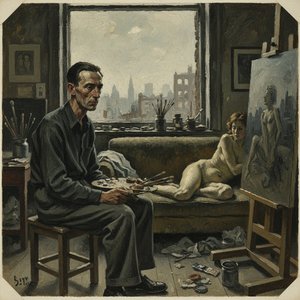
Lucian Freud: A Psychological Portraiture of Post-War Existence
Explore the profound psychological depth of Lucian Freud's portraits. Discover his unique realism, artistic evolution, and lasting influence on modern art. A collector’s guide to a master.
The Eloquent Brushstroke: A Historical & Technical Exploration of Texture, Intent & Expression in Painting
Explore the rich history & techniques of impasto painting – from Renaissance masters to Van Gogh's expressive strokes. Discover how artists use texture to convey emotion and create lasting impact. Learn more!
Αφηγηματικές Υφές: Η Αισθητηριακή Διάσταση της Αφαίρεσης στην Ζωγραφική
Εξερευνήστε την αισθητηριακή διάσταση της αφηρημένης ζωγραφικής! Αναλύουμε τη θεωρία χρώματος, τις τεχνικές και τους κορυφαίους καλλιτέχνες. Βρείτε έμπνευση & αξιολογήσεις για συλλογές τέχνης.

Decoding Impasto: The Emotional Power and Texture of Van Gogh's Brushstrokes
Explore the profound emotional depth of Van Gogh's impasto technique. Discover how his sculptural brushstrokes and textured oil layers define Post-Impressionism through an expert art-historical lens, perfect for discerning collectors and fine art enthusiasts.

