Προεπισκόπηση
 Αποστολή
 Κοινοποίηση
 Λεπτομέρειες
 Οδηγός

 Λήψη
Λήψη
 Παρόμοια αντικείμενα συλλογής
 Ακτινογραφία
 Παρουσίαση
 Στατιστικά
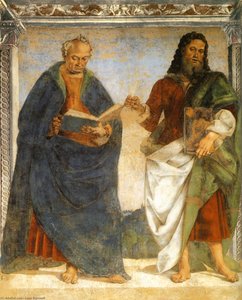
The Trinity, the Virgin and Two Saints
 Oil
Oil- WallArt
- High Renaissance
 1510
1510 272.0 x 180.0 cm
 Galleria degli Uffizi
 Περισσότερα λεπτομέρεια
Giclée / Εκτυπώσεις Τέχνης
Εκτύπωση giclée ή σε καμβά ποιότητας μουσείου με γρήγορη παραγωγή και ευέλικτες επιλογές φινιρίσματος. ( Αγορά χειροποίητου πίνακα Μετάβαση σε Ψηφιακή Εικόνα)




P118B $10

P118H $10

P118W $10

P438Z $10

P508JH $12

P508YH $12

P805H $10

P805Z $10

P919BZ $10

P919G $10

P919XJ $10

P959ZH $10

P968JZ $12

W106C $8

W218G $10

W218JH $8

W218Y $10

W307PJ $10

W316G $10

W316PJ $8

W316Y $10

W398PJ $8

W4111J $10

W500HY $15

W500JH $15

W692G $12

W849H $8

W940BG $15

W953PJ $8




Επιλέξτε από τις προκαθορισμένες διαστάσεις μας που διατηρούν τις αρχικές αναλογίες του έργου τέχνης.

Μπορείτε να εισαγάγετε δικές σας διαστάσεις ώστε να ταιριάξουν με ένα συγκεκριμένο πλαίσιο ή χώρο. Εάν το επιλεγμένο μέγεθος δεν συμπίπτει με τις αναλογίες της πρωτότυπης εικόνας, θα κόψουμε το έργο τέχνης ή θα επεκτείνουμε την εικόνα με καθρεφτισμένη ή μονόχρωμη ατέλεια. Θα σας αποσταλεί ένα ψηφιακό mockup για έγκρισή σας πριν από την έναρξη της παραγωγής.
Παρακαλούμε σημειώστε ότι η προεπισκόπηση στην οθόνη δεν αντικατοπτρίζει την πραγματική κοπή ή επέκταση. Μόνο το mockup θα δείξει με ακρίβεια την τελική σύνθεση.
Παρόλο που είναι διαθέσιμες προσαρμοσμένες διαστάσεις, προτείνουμε την επιλογή μιας διάστασης από τη προκαθορισμένη λίστα για τη διατήρηση των αρχικών αναλογιών.
Παγκόσμια Αποστολή () σε 2 εβδομάδες αντί για τις συνήθεις 4/5 εβδομάδες. (27 Σεπτέμβριος)

Δωρεάν γρήγορη διεθνής αποστολή

Κάμβας από Λινό Υψηλής Ποιότητας

Πλήρης ασφάλιση μεταφοράς

Εγγύηση επιστροφής δασμών και φόρων εισαγωγής

Εγγύηση Απόλυτης Ομοιότητας Χρωμάτων

Πολιτική Επιστροφής 100 Ημερών (Μόνο σε περίπτωση ελαττωμάτων)

Εγγύηση επιστροφής 100% των χρημάτων

Έκπτωση για πολλαπλές παραγγελίες
 Η επιλογή με γυαλί είναι διαθέσιμη μόνο για μεγέθη κάτω από 110 εκ.

The Trinity, the Virgin and Two Saints
Giclée / Εκτυπώσεις Τέχνης
Διαστάσεις Αναπαραγωγής
-


Συνολικό Κόστος
$ 80
Luca Signorelli’s Divine Embrace: A Study in Florentine High Renaissance
Luca Signorelli's “The Trinity, the Virgin and Two Saints,” painted around 1510, is more than just a religious depiction; it’s a profound meditation on faith, grace, and the intricate relationships within the Christian narrative. Born in Cortona, Italy, in 1450, Signorelli was a master of draftsmanship and foreshortening – techniques he employed here to create an astonishingly dynamic and deeply layered composition. The painting immediately draws the eye to the central figure: the Virgin Mary, rendered with a serene dignity that speaks volumes about her role as both mother and mediator between humanity and divinity. Her pose is deliberately balanced, reflecting the harmonious order of the universe she embodies, while the subtle folds of her garments hint at the earthly reality from which she emerges.
The scene unfolds within a carefully constructed architectural space, reminiscent of Florentine High Renaissance ideals. The backdrop isn’t merely decorative; it establishes a sense of depth and perspective, guiding the viewer's eye through the complex arrangement of figures. Notice the deliberate use of light – a soft, diffused illumination that highlights key elements while leaving others in shadow, creating an atmosphere of contemplative solemnity. Signorelli wasn’t simply illustrating a biblical story; he was crafting a visual theology, inviting viewers to contemplate the mysteries of faith and salvation.
The Trinity: A Symbol of Divine Unity
At the heart of the composition lies the depiction of the Holy Trinity – Father, Son, and Holy Spirit. Signorelli masterfully avoids overt symbolism, instead conveying this complex theological concept through a carefully orchestrated visual dialogue. The central figure, often interpreted as Christ, is flanked by the Archangels Michael and Gabriel, representing divine judgment and grace respectively. The arrangement isn’t haphazard; it's meticulously planned to create a sense of balance and harmony, reflecting the fundamental unity of God. The subtle gestures and expressions of these figures – Michael’s outstretched hand and Gabriel’s serene countenance – communicate profound spiritual truths without resorting to explicit iconography.
The inclusion of Saint Augustine and Saint Athanasius adds another layer of intellectual depth to the scene. These prominent theologians, representing reason and faith, underscore the importance of both intellect and spirituality in understanding God's will. Their placement alongside the central figures highlights the interconnectedness of divine revelation and human understanding.
Technique and Artistic Innovation
Signorelli’s technical skill is immediately apparent in the painting’s remarkably detailed rendering. He employed a technique known as *sfumato*, subtly blurring lines and edges to create an atmospheric effect, particularly noticeable in the drapery and the background architecture. This creates a sense of softness and depth, drawing the viewer into the scene. His mastery of foreshortening is equally impressive – evidenced by the figures on the left side of the painting, which appear to recede dramatically into space, creating a powerful illusion of three-dimensionality.
The color palette is restrained yet sophisticated, dominated by earthy tones—ochres, browns, and deep blues—that evoke a sense of solemnity and reverence. However, Signorelli also incorporates touches of vibrant color – particularly in the robes of the saints – to draw attention to key figures and enhance the overall visual impact. The painting’s surface is rich with texture, achieved through meticulous layering of paint and subtle variations in brushstroke.
A Legacy of Renaissance Beauty
“The Trinity, the Virgin and Two Saints” stands as a testament to Luca Signorelli's artistic genius and his deep understanding of religious iconography. It’s a painting that rewards careful study, revealing new layers of meaning with each viewing. The work was originally commissioned for pilgrims in Cortona, reflecting the artist’s connection to his community and his desire to inspire faith and devotion. Today, it resides in the Uffizi Gallery in Florence, where it continues to captivate viewers with its beauty, complexity, and profound spiritual message. A high-quality reproduction offers a remarkable opportunity to experience this masterpiece firsthand, bringing its timeless elegance and intellectual depth into your home or studio.
Βιογραφικό Καλλιτέχνη
Early Life and Training
Luca Signorelli, μια από τις σημαντικότερες φιγούρες της Αναγέννησης, γεννήθηκε στην Κορτόνα της Τοσκάνης γύρω στο 1450. Η ακριβής ημερομηνία γέννησής του παραμένει ασαφής, αλλά πιστεύεται ότι ήταν μεταξύ 1441 και 1445. Από νωρίς, ο Luca έδειξε εξαιρετική δεξιοτεχνία στην σκίψη και την κατανόηση της προοπτικής, στοιχεία που θα διακρίνουν το έργο του. Η εκπαίδευσή του ξεκίνησε στην Πέργαμο, όπου επηρεάστηκε από τους στυλ των καλλιτεχνών Benedetto Bonfigli, Fiorenzo di Lorenzo και Pinturicchio. Σύμφωνα με τον Giorgio Vasari, ο Luca έγινε μαθητής του Piero della Francesca μέσω του συγγενή του, Lazzaro Vasari. Η πρώιμη εμπειρία του με την τέχνη στην Πέργαμο έθεσε τις βάσεις για την ανάπτυξη του μοναδικού του στυλ.Artistic Career and Early Works
Η καλλιτεχνική πορεία του Luca Signorelli άρχισε στην Αρέτσο το 1472 και στη συνέχεια συνέχισε στην Città di Castello το 1474. Κατά τη διάρκεια αυτών των περιόδων, ο Luca ανέπτυξε την τεχνική του και εξασκρήθηκε στην απεικόνιση της ανθρώπινης μορφής με ακρίβεια και ζωντάνια. Ένα από τα πιο σημαντικά έργα του εκείνη την εποχή ήταν το "Σχολείο του Παν" (School of Pan), το οποίο προσφέρθηκε στον Λόρετζο ντε Μεδίτσι. Το έργο αυτό, που διακρίνεται για την ρεαλιστική απεικόνιση των μορφών και τη χρήση της σκίασης, αποτελεί μια από τις πρώτες σημαντικές στιγμές του Luca. Η δεξιοτεχνία του στην κατανόηση της προοπτικής και της χρωματικής αντίθεσης ήταν ήδη εμφανής.Major Masterpieces and Innovations
Η κορυφαία στιγμή στην καλλιτεχνική του πορεία είναι αναμφίβολα η σειρά από φρεσκόχεις (frescoes) που ζωγράφισε στον Καθεδρικό Ναό της Ουρμπίντο μεταξύ 1499 και 1503. Η "Τελευταία Κρίση" (Last Judgment) είναι ένα έργο τεράστιου μεγέθους, το οποίο παρουσιάζει με δραματικό τρόπο την κατακλυσμική ημέρα του Δευτέρου Θανάτου. Ο Luca επέδειξε εξαιρετική ικανότητα στην απεικόνιση της ανθρώπινης μορφής, καθώς και στην κατανόηση των αρχών της προοπτικής και της χρωματικής αντίθεσης. Επιπλέον, η χρήση του είναι εντυπωσιακή για την απεικόνιση των μυϊκών διαμορφώσεων και την έκφραση συναισθημάτων. Ένα άλλο σημαντικό έργο είναι η Πλύστακτο του Αγίου Μενάρδου (Polyptych of St. Medard) που βρίσκεται στο μουσείο San Medardo στην Αρτσέβια, μια απόδειξη της ικανότητάς του να δημιουργεί σύνθετες και λεπτομερείς εικόνες.Influence and Legacy
Ο Luca Signorelli ανήκε στην Αναγεννησιακή κίνηση της Ιταλίας, η οποία σηματοδότησε τη μετάβαση από τον Μεσαίωνα στην Εποχή του Διαφωτισμού. Η κίνηση αυτή χαρακτηριζόταν από μια νέα έμφαση στις κλασικές παραδόσεις, την ρεαλιστική απεικόνιση και την ανθρωπιστική ιδέα. Ο Luca επηρέασε πολλούς καλλιτέχνες που ακολούθησαν τα βήματά του, κυρίως λόγω της δεξιοτεχνίας του στην σκίψη και της ικανότητάς του να απεικονίζει την ανθρώπινη μορφή με ζωντάνια και ακρίβεια. Η χρήση της προοπτικής και η ικανότητα του να δημιουργεί δυναμικές σύνθεσεις ήταν ιδιαίτερα σημαντικές για την εποχή του. Η κληρονομιά του Luca Signorelli είναι αδιαμφισβήτητη, καθώς τα έργα του συνεχίζουν να εκτίθενται σε μουσεία και καθεδρικούς ναούς σε όλη την Ιταλία, αποτελώντας μια από τις σημαντικότερες πηγές έμπνευσης για τους καλλιτέχνες.
Λουκά Σιγνορέλλι
1450 - 1523 , Ιταλία
Στοιχεία καλλιτέχνη
- Artistic Movement Or Style: Ρενεσαρίσμα
- Artists Or Movements Influenced By This Artist: ['Φρά Αντζελό']
- Artists Who Influenced This Artist: ['Πιερρό δελλα Φραντσέσκου']
- Date Of Birth: 1445/50, Cortona
- Date Of Death: 16 Οκτ 1523, Cortona
- Full Name: Luca d’Egidio di Ventura Signorelli
- Nationality: Ιταλός
- Notable Artworks:
- Η τελευταία κρίση
- Σχολή του Παν
- Place Of Birth: Cortona, Τuscany
Σχετικά άρθρα

Divine Grace: An Art Historian's Journey Through Iconic Masterpieces of the Virgin Mary
Explore the profound beauty of Marian iconography through an art historian's lens. Discover iconic masterpieces by Raphael and Renaissance masters, celebrating the divine grace and timeless elegance of the Virgin Mary in classical fine art.
Divine Grace: A Journey Through the Most Iconic Depictions of the Virgin Mary in Art History
Embark on a profound journey through art history with our exploration of the most iconic depictions of the Virgin Mary. Discover the divine grace, symbolism, and masterful techniques found in Renaissance masterpieces and sacred iconography.

Luca Signorelli: Renaissance Innovation & Dramatic Foreshadowing of Modern Artistic Expression
Explore the revolutionary art of Luca Signorelli, a High Renaissance master renowned for his dramatic frescoes & anatomical precision. Discover his lasting impact on art history and techniques like foreshortening.
Jacob Henricus Maris: A Master of Dutch Atmospheric Realism & the Intimate Landscape
Explore the captivating world of Jacob Henricus Maris, a leading figure of the Dutch Hague School. Discover his atmospheric landscapes, signature brushstrokes & lasting influence on 19th-century art. Learn more at OriginalUniqueArt.
Fra Angelico: Τα 25 Κορυφαία Έργα Τέχνης για Διακόσμηση & Έμπνευση | OriginalUniqueArt.gr
Ανακαλύψτε τα 25 κορυφαία έργα τέχνης του Fra Angelico! Εξερευνήστε την Αναγέννηση, τη βυζαντινή τέχνη & τις θρησκευτικές ιστορίες μέσα από τους πίνακές του. Υψηλής ποιότητας αναπαραγωγές για διακόσμηση σπιτιού στην OriginalUniqueArt.com.