
 Δείτε σε πραγματικό χώρο
 Αποστολή
 Κοινοποίηση
 Λεπτομέρειες

 Λήψη
Λήψη
 Παρόμοια αντικείμενα συλλογής
 Ακτινογραφία
 Παρουσίαση
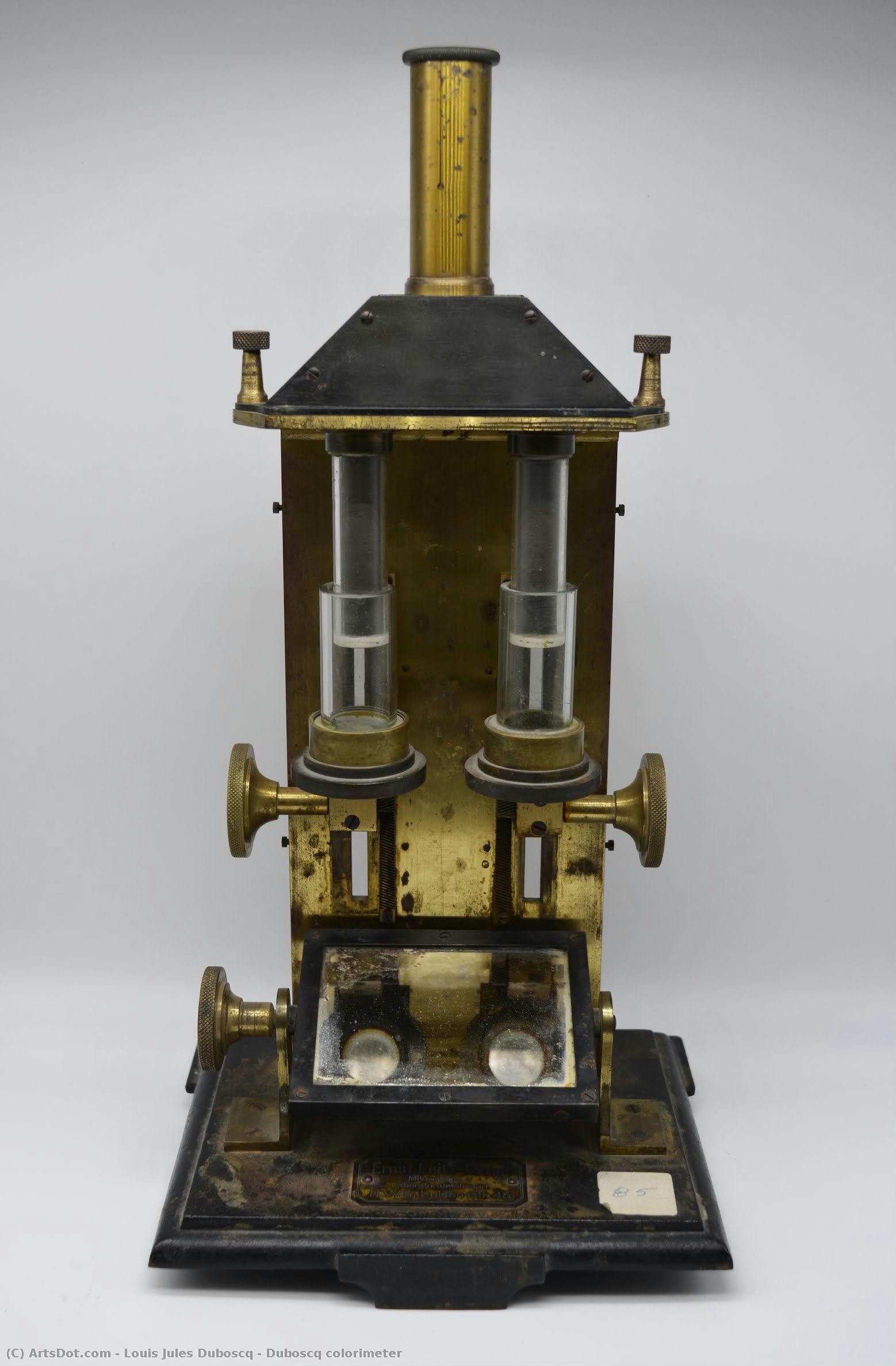
Duboscq colorimeter

 Διαβάστε περισσότερα
Giclée / Εκτυπώσεις Τέχνης
Εκτύπωση giclée ή σε καμβά ποιότητας μουσείου με γρήγορη παραγωγή και ευέλικτες επιλογές φινιρίσματος. ( Αγορά χειροποίητου πίνακα Αγορά ψηφιακής εικόνας)




































Επιλέξτε από τις προκαθορισμένες διαστάσεις μας που διατηρούν τις αρχικές αναλογίες του έργου τέχνης.

Μπορείτε να εισαγάγετε δικές σας διαστάσεις ώστε να ταιριάξουν με ένα συγκεκριμένο πλαίσιο ή χώρο. Εάν το επιλεγμένο μέγεθος δεν συμπίπτει με τις αναλογίες της πρωτότυπης εικόνας, θα κόψουμε το έργο τέχνης ή θα επεκτείνουμε την εικόνα με καθρεφτισμένη ή μονόχρωμη ατέλεια. Θα σας αποσταλεί ένα ψηφιακό mockup για έγκρισή σας πριν από την έναρξη της παραγωγής.
Παρακαλούμε σημειώστε ότι η προεπισκόπηση στην οθόνη δεν αντικατοπτρίζει την πραγματική κοπή ή επέκταση. Μόνο το mockup θα δείξει με ακρίβεια την τελική σύνθεση.
Παρόλο που είναι διαθέσιμες προσαρμοσμένες διαστάσεις, προτείνουμε την επιλογή μιας διάστασης από τη προκαθορισμένη λίστα για τη διατήρηση των αρχικών αναλογιών.
Παγκόσμια Αποστολή () σε 2 εβδομάδες αντί για τις συνήθεις 4/5 εβδομάδες. (20 Αύγουστος)

Δωρεάν γρήγορη διεθνής αποστολή

Κάμβας από Λινό Υψηλής Ποιότητας

Πλήρης ασφάλιση μεταφοράς

Εγγύηση Επιστροφής Δασμών και Φόρων

Εγγύηση Απόλυτης Ομοιότητας Χρωμάτων

Πολιτική Επιστροφής 60 Ημερών (Μόνο σε περίπτωση ελαττωμάτων)

Εγγύηση επιστροφής 100% των χρημάτων

Προσφορά για μαζικές παραγγελίες
 Η επιλογή με γυαλί είναι διαθέσιμη μόνο για μεγέθη κάτω από 110 εκ.

Duboscq colorimeter
Giclée / Εκτυπώσεις Τέχνης
Διαστάσεις Αναπαραγωγής
-


Συνολική Τιμή
$ 80
Περιγραφή Συλλεκτικού Αντικειμένου
Βιογραφία Καλλιτέχνη
A Legacy of Light: Louis Jules Duboscq and the Precision of Vision
Louis Jules Duboscq, born in 1817 in the quiet village of Villaines-sous-Bois near Paris, was not merely an instrument maker; he was a sculptor of light itself. In an era defined by burgeoning scientific curiosity and a thirst for precise observation, Duboscq emerged as a pivotal figure, crafting optical instruments that didn’t just aid perception but fundamentally altered the way the world was seen and understood. His story is one interwoven with apprenticeship, innovation, and a dedication to quality that resonated throughout 19th-century France and beyond.
Duboscq's path began in 1834 when he entered the workshop of Jean-Baptiste-François Soleil, a renowned instrument maker. This wasn’t simply a trade learned; it was an immersion into a world of lenses, mirrors, and meticulous calibration. The relationship deepened personally in 1839 with his marriage to Rosalie Jeanne Josephine, one of Soleil's daughters, solidifying his connection to the family business and its established reputation. Upon Soleil’s retirement, Duboscq inherited not just a workshop but a legacy—a foundation upon which he would build his own extraordinary achievements.
The Architect of Observation: Instruments and Innovations
Duboscq's genius lay in his ability to translate theoretical concepts into tangible tools. He didn’t invent entirely new fields, but rather perfected existing instruments and adapted them for emerging scientific needs. His repertoire was remarkably diverse, encompassing the construction of stereoscopes – notably refining David Brewster’s design and popularizing its use – colorimeters, polarimeters, heliostats, and saccharimeters. Each instrument bore the hallmark of Duboscq's meticulous craftsmanship; they were not mass-produced commodities but objects of precision, valued by leading scientists for their accuracy and reliability.
The stereoscope, in particular, became synonymous with his name. It offered a revolutionary experience – the illusion of three-dimensional depth from two flat images—captivating audiences and opening new avenues for artistic representation and scientific study. His colorimeter allowed for precise measurement of colors, crucial for advancements in chemistry and medicine. The heliostat, used to track the sun’s movement, found application in astronomical observations and solar energy experiments. Duboscq's instruments weren’t confined to laboratories; they were tools that extended human vision into realms previously inaccessible.
A Patron of Progress: Collaboration with Leading Scientists
Duboscq wasn’t an isolated artisan working in a vacuum. He actively cultivated relationships with the foremost scientific minds of his time, becoming a trusted partner and collaborator. His instruments were sought after by luminaries like Louis Pasteur, Jamin, Babinet, Bertin, Crova, Violle, and Becquerel—names that define the landscape of 19th-century science. He even designed Leon Foucault’s electromagnetic regulator, demonstrating his versatility and ability to contribute to cutting-edge research.
This collaborative spirit wasn't merely about supplying tools; it was a reciprocal exchange of ideas. Scientists provided feedback on instrument performance, suggesting improvements and new applications, while Duboscq, in turn, benefited from exposure to the latest discoveries and challenges. This synergy fueled innovation and cemented his position at the heart of scientific progress.
Recognition and Enduring Influence
Duboscq’s contributions were widely acknowledged during his lifetime. He received numerous accolades, including medals at the World's Fair in London (1851) and Paris (1855 & 1856), testaments to the exceptional quality of his work. In 1853, he published Practical Rules For Photography, sharing his expertise and further solidifying his reputation as a leading authority in optical technology.
His appointment as an Officer of the Legion of Honour was a fitting recognition of his service to science and industry. However, perhaps his most lasting legacy lies not just in the instruments he created but in the company he built—Duboscq-Soleil, later evolving into Duboscq-Pellin and ultimately Pellin. This continuity ensured that the tradition of precision craftsmanship and innovation continued long after his death in 1886.
Louis Jules Duboscq’s story is a compelling reminder that scientific advancement isn't solely driven by grand theories but also by the skilled hands and meticulous minds of those who build the tools that make discovery possible. He was, in essence, an architect of observation—a master craftsman whose instruments illuminated the path to a deeper understanding of the world around us.

louis jules duboscq
1817 - 1886 , France
Γρήγορα στοιχεία
- Artistic Movement Or Style: Pioneering Photography
- Artists Who Influenced This Artist: ['Jean-Baptiste Soleil']
- Date Of Birth: March 5, 1817
- Date Of Death: 1886
- Full Name: Louis Jules Duboscq
- Nationality: French
- Notable Artworks:
- Stereoscope
- Colorimeter
- Polarimeter
- Heliostat
- Saccharimeter
- Place Of Birth: Villaines-sous-Bois, France

