
 Προεπισκόπηση σε πραγματική κλίμακα
 Αποστολή
 Κοινοποίηση
 Λεπτομέρειες
 Οδηγός

 Λήψη
Λήψη
 Παρόμοια αντικείμενα συλλογής
 Ακτινογραφία
 Παρουσίαση
 Ερωτήσεις & Απαντήσεις
 Στατιστικά
Nursing Madonna


 Περισσότερα
Giclée / Εκτυπώσεις Τέχνης
Εκτύπωση giclée ή σε καμβά ποιότητας μουσείου με γρήγορη παραγωγή και ευέλικτες επιλογές φινιρίσματος. ( Αγορά χειροποίητου πίνακα Μετάβαση σε Ψηφιακή Αποτέλεσμα)




P118B €10

P118H €10

P118W €10

P438Z €10

P508JH €12

P508YH €12

P805H €10

P805Z €10

P919BZ €10

P919G €10

P919XJ €10

P959ZH €10

P968JZ €12

W106C €8

W218G €10

W218JH €8

W218Y €10

W307PJ €10

W316G €10

W316PJ €8

W316Y €10

W398PJ €8

W4111J €10

W500HY €15

W500JH €15

W692G €12

W849H €8

W940BG €15

W953PJ €8




Επιλέξτε από τις προκαθορισμένες διαστάσεις μας που διατηρούν τις αρχικές αναλογίες του έργου τέχνης.

Εισάγετε το πλάτος και το ύψος που επιθυμείτε, ώστε να ταιριάζουν στο κάδሮ ή στον τοίχο σας. Μια εκτύπωση μπορεί μόνο να υποστεί κοψίμό και ποτέ να μην γίνει μεγαλύτερη από την αρχική εικόνα, επομένως η επιλογή μεγέθους με διαφορετικό σχήμα συνεπάγεται απώλεια ενός μέρους της εικόνας. Σας στέλνουμε ένα ψηφιακό mockup για έγκριση πριν προχωρήσουμε σε οποιαδήποτε εκτύπωση. Η εικόνα που εμφανίζεται σε αυτή τη σελίδα δεν δείχνει την πραγματική κοπή — μόνο το mockup την παρουσιάζει.
Παγκόσμια Αποστολή () σε 2 εβδομάδες αντί για τις συνήθεις 4/5 εβδομάδες. (6 Νοέμβριος)

Δωρεάν γρήγορη διεθνής αποστολή

Κάμβας από Λινό Υψηλής Ποιότητας

Πλήρης ασφάλιση μεταφοράς

Εγγύηση επιστροφής δασμών και φόρων εισαγωγής

Εγγύηση Απόλυτης Ομοιότητας Χρωμάτων

Πολιτική Επιστροφής 100 Ημερών (Μόνο σε περίπτωση ελαττωμάτων)

Εγγύηση επιστροφής 100% των χρημάτων

Προσφορά για πολλαπλές παραγγελίες
 Η επιλογή με γυαλί είναι διαθέσιμη μόνο για μεγέθη κάτω από 110 εκ.

Nursing Madonna
Giclée / Εκτυπώσεις Τέχνης
Διαστάσεις Αναπαραγωγής
-


Τελική Τιμή
€ 72
Lorenzo Lotto: A Master of Venetian Emotion
Lorenzo Lotto (1480 – 1556/57) stands as a singular figure within the Italian Renaissance, distinguished not by grand ambition or royal patronage but by an unwavering dedication to artistic exploration and a profound sensitivity to human emotion. Unlike many of his contemporaries who sought fame through established academies or courtly commissions, Lotto embarked on a nomadic journey across Northern Italy – Treviso, Rome, Bergamo, Ancona – fostering an independent spirit that profoundly shaped his distinctive style.
Early training remains somewhat elusive, yet it’s believed he absorbed the lessons of Giovanni Bellini, a pivotal voice in Venetian painting. However, Lotto swiftly transcended mere imitation, forging a style uniquely his own: a harmonious blend of High Renaissance grace and nascent Mannerist experimentation. This stylistic fusion is evident throughout his oeuvre, characterized by subtle distortions of form, expressive gestures, and an uncanny ability to convey psychological depth – qualities that continue to captivate viewers centuries later.
The Venetian School's Influence
Bellini’s influence is palpable in Lotto’s meticulous attention to detail and luminous color palettes. Yet, Lotto pushed beyond Bellini’s idealized representations of religious figures, introducing a degree of realism and psychological nuance that foreshadowed the Mannerist movement. This stylistic divergence reflects a broader shift within Venetian art during Lotto's lifetime – a move away from the serene beauty of Bellini’s compositions towards explorations of emotion and ambiguity.
Style and Technique: A Delicate Balance
Lotto’s technique is remarkable for its precision and subtlety. He employed oil paint on board with exceptional skill, achieving astonishing levels of tonal gradation and textural complexity. His brushstrokes are deliberate yet fluid, conveying both visual richness and emotional resonance. Lotto's mastery extends beyond mere technical proficiency; he possessed an intuitive understanding of how to manipulate color and form to evoke specific feelings in the viewer – a hallmark of Mannerist artistry.
Notable Works: Madonna Del Latte and Beyond
Among Lotto’s most celebrated paintings is “Madonna Del Latte,” depicting Mary nursing her child with serene tenderness. This masterpiece exemplifies Lotto's signature style, characterized by expressive drapery folds and subtle distortions that heighten the emotional impact of the scene. Similarly, his altarpiece for the Chiesa dei Santi Lorenzo e Ippolito in Verona showcases a masterful blend of realism and symbolism – reflecting Lotto’s commitment to conveying profound spiritual truths through visual artistry.
Lotto's legacy extends far beyond individual artworks; he represents a pivotal moment in Renaissance art history—a bridge between High Renaissance idealism and Mannerist psychological exploration. His enduring appeal lies in his ability to capture the complexities of human experience with breathtaking beauty and unwavering conviction.
Ερωτήσεις και Απαντήσεις
Για ποιο δωμάτιο προτείνεται το "Nursing Madonna" του Λότζο;
Το έργο "Nursing Madonna" του Λότζο προτείνεται για το Living Room. Αυτή η πρόταση βασίζεται στο θέμα, τα χρώματα και τη διάθεση του έργου.
Σε ποιο δωμάτιο προτείνεται να τοποθετηθεί το "Nursing Madonna", λαμβάνοντας υπόψη την παλέτα των χρωμάτων του;
Οι χρώματα της παλέτας Earthy του έργου "Nursing Madonna" του Λότζο ταιριάζουν στον προτεινόμενο χώρο του: ένα Living Room.
Πού μπορώ να βρω στατιστικά στοιχεία για το "Nursing Madonna" του Λότζο;
Υπάρχει μια σελίδα Στατιστικά επισκέψεων για το "Nursing Madonna", η οποία καταγράφει τις μηνιαίες επισκέψεις του έργου και άλλων δημιουργημάτων του καλλιτέχνη, με ανάλυση ανά χώρα και γλώσσα.
Βιογραφικό Καλλιτέχνη
A Venetian Wanderer: The Life and Art of Lorenzo Lotto
Born in the vibrant heart of Venice around 1480, Lorenzo Lotto emerged as a distinctive voice within the Italian Renaissance, though his artistic journey would lead him far beyond the lagoon city’s celebrated studios. Unlike many of his contemporaries who firmly established themselves within specific schools or courts, Lotto embarked on a peripatetic career, traversing cities like Treviso, Rome, Bergamo, and Ancona before ultimately finding solace as a lay brother in Loreto. This itinerant existence profoundly shaped his artistic vision, exposing him to diverse influences while fostering an independent spirit that set him apart. While early training remains somewhat shrouded in mystery, it’s believed he absorbed the lessons of Giovanni Bellini, a leading figure of the Venetian school, yet Lotto quickly transcended simple imitation, forging a style uniquely his own—a blend of High Renaissance grace and nascent Mannerist sensibilities. His life was marked by a restless curiosity and a willingness to embrace new experiences, which undoubtedly contributed to the richness and complexity of his artistic output.Blending Traditions: Style and Influences
Lotto’s artistic signature lies in his remarkable ability to synthesize diverse influences into a cohesive and deeply personal aesthetic. His early works reveal the impact of Giorgione's poetic naturalism, particularly evident in the subtle atmospheric effects and lyrical compositions—a tendency to imbue landscapes with an almost dreamlike quality. He was profoundly influenced by the Venetian masters, especially Giovanni Bellini, whose use of muted colors and spiritual themes resonated deeply within Lotto’s own artistic sensibilities. However, a sojourn in Rome brought him into contact with the art of Raphael, imbuing his work with a newfound clarity of form and compositional balance. The influence of Raphael is particularly noticeable in his later works, where he adopted a more structured approach to perspective and spatial organization. Later, during his extended stay in Bergamo, he absorbed elements of Lombard realism, adding a grounded physicality to his figures—a shift towards greater attention to detail and the depiction of human anatomy. This eclectic approach is not merely additive; Lotto masterfully integrated these influences, creating paintings that are both technically refined and emotionally resonant. He wasn’t afraid to experiment with perspective, often employing unusual vantage points to heighten the sense of drama or intimacy. His palette, while rooted in Venetian colorism—the rich reds, blues, and greens characteristic of Venetian painting—evolved over time, becoming increasingly vibrant and expressive, reflecting his growing confidence and artistic maturity.Portraits of the Soul: Lotto’s Masterpieces
While Lotto excelled in religious painting, it is perhaps through his portraits that he truly distinguished himself. He possessed an extraordinary gift for capturing not just the physical likeness but also the inner life of his sitters—a remarkable feat rarely achieved by Renaissance portraitists. His portraits are rarely idealized; instead, they present individuals with all their complexities and vulnerabilities. Man with a Golden Paw, painted in 1527, is a prime example—a captivating study of a gentleman holding a small golden statuette, its symbolism open to interpretation but undeniably intriguing. The sitter’s gaze is direct and engaging, conveying a sense of intelligence and quiet contemplation. Similarly, Portrait of a 37-year-old Man, showcases Lotto's ability to convey personality through subtle details—the man’s clothing, his posture, the expression in his eyes all contribute to a compelling psychological portrait. These are not merely representations of individuals; they are windows into their souls. He often depicted subjects with an honesty and realism that was unusual for his time, capturing not just their outward appearance but also their inner thoughts and emotions.Religious Visions: Altarpieces and Mysticism
Lotto’s religious paintings are equally compelling, characterized by a profound sense of spirituality and emotional intensity. His altarpieces, in particular, demonstrate his mastery of composition and color—works that often evoke a powerful sense of drama and mystery. The *Entombment* (1512) at Jesi and the *Transfiguration* (*c.* 1513) at Recanati are prime examples of this style, showcasing Lotto’s ability to create scenes of profound religious significance with remarkable emotional depth. He frequently depicted biblical figures in intimate settings, emphasizing their humanity and vulnerability. His use of light and shadow is particularly striking, creating a sense of atmosphere and drama that draws the viewer into the scene. His depictions of saints are not idealized heroes but rather as relatable human beings grappling with faith and doubt. The *Annunciation* (c. 1527), now in the Pinacoteca Civica di Recanati, is a particularly arresting example—a bizarre and captivating work full of brilliant colours and lighting effects, odd expressions and poses, and unusual and beautifully painted details, including a startled cat.A Rediscovered Legacy: Historical Significance
Despite achieving considerable recognition during his lifetime, Lotto’s reputation waned after his death in 1556 or 1557. His works, often dispersed throughout provincial churches and private collections, were largely overlooked for centuries. It wasn’t until the late 19th century, with Bernard Berenson’s groundbreaking scholarship, that Lotto experienced a significant revival of interest. Berenson's insightful analysis highlighted the unique qualities of Lotto’s style and his importance within the broader context of Venetian painting. Today, he is recognized as one of the most original and compelling artists of the Italian Renaissance—a master who defied easy categorization and forged his own distinctive path. His unique blend of stylistic influences, his psychological depth, and his technical mastery continue to captivate audiences and inspire art historians. He stands as a testament to the power of artistic independence—a wanderer who forged his own path and left an indelible mark on the world of art. The rediscovery of Lotto’s oeuvre has enriched our understanding of the Renaissance, revealing a complex and multifaceted artist whose work deserves continued exploration and appreciation.
Λότζο
1480 - 1556 , Ιταλία
Γρήγορα στοιχεία
- Artistic Movement Or Style: Ρενασάνς, Μανιερισμός
- Artists Or Movements Influenced By This Artist: ['Μανιερισμός']
- Artists Who Influenced This Artist:
- Γιοβάννη Βελίνι
- Τζορκίονε
- Τιτιανός
- Date Of Birth: c. 1480
- Date Of Death: 1556/57
- Full Name: Lorenzo Lotto
- Nationality: Ιταλός
- Notable Artworks:
- Αγγελία προς την Παναγία
- Εικόνα του Αγίου Γεωργίου
- Place Of Birth: Βενετία, Ιταλία
Σχετικά άρθρα

Ραφαήλ: Τα 25 Κορυφαία Έργα Τέχνης για Διακόσμηση με Στυλ | OriginalUniqueArt.gr
Ανακαλύψτε τα 25 κορυφαία έργα τέχνης του Ραφαήλ! Εξερευνήστε την Αναγέννηση, τις τεχνικές και την ιστορία των πιο διάσημων πινάκων. Βρείτε εκτυπώσεις υψηλής ποιότητας για να διακοσμήσετε τον χώρο σας με στυλ. OriginalUniqueArt.com – Η τέχνη γίνεται προσβάσιμη.

The Enduring Legacy of Oil on Canvas: Technique, History & Aesthetic Impact
Explore the rich history & techniques of oil painting – from Renaissance masters to Impressionism. Discover pigments, layering methods, and why this timeless medium endures. Expert insights for artists & art enthusiasts.
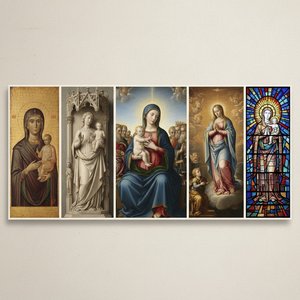
Divine Grace: A Journey Through the Most Iconic Depictions of the Virgin Mary in Art History
Embark on a profound journey through art history with our exploration of the most iconic depictions of the Virgin Mary. Discover the divine grace, symbolism, and masterful techniques found in Renaissance masterpieces and sacred iconography.
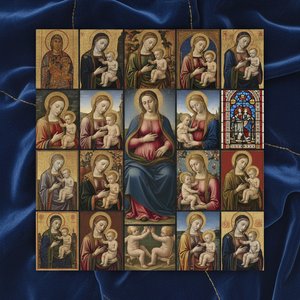
Divine Love: A Curated Guide to the Most Iconic Madonna and Child Masterpieces in Art History
Embark on a sophisticated journey through art history with our curated guide to the most iconic Madonna and Child masterpieces. Discover the profound beauty, theological depth, and enduring legacy of these sacred Renaissance treasures.

Divine Grace: An Art Historian's Journey Through Iconic Masterpieces of the Virgin Mary
Explore the profound beauty of Marian iconography through an art historian's lens. Discover iconic masterpieces by Raphael and Renaissance masters, celebrating the divine grace and timeless elegance of the Virgin Mary in classical fine art.


