
 Δείτε σε πραγματικό χώρο
 Αποστολή
 Κοινοποίηση
 Λεπτομέρειες

 Λήψη
Λήψη
 Παρόμοια αντικείμενα συλλογής
 Ακτινογραφία
 Παρουσίαση
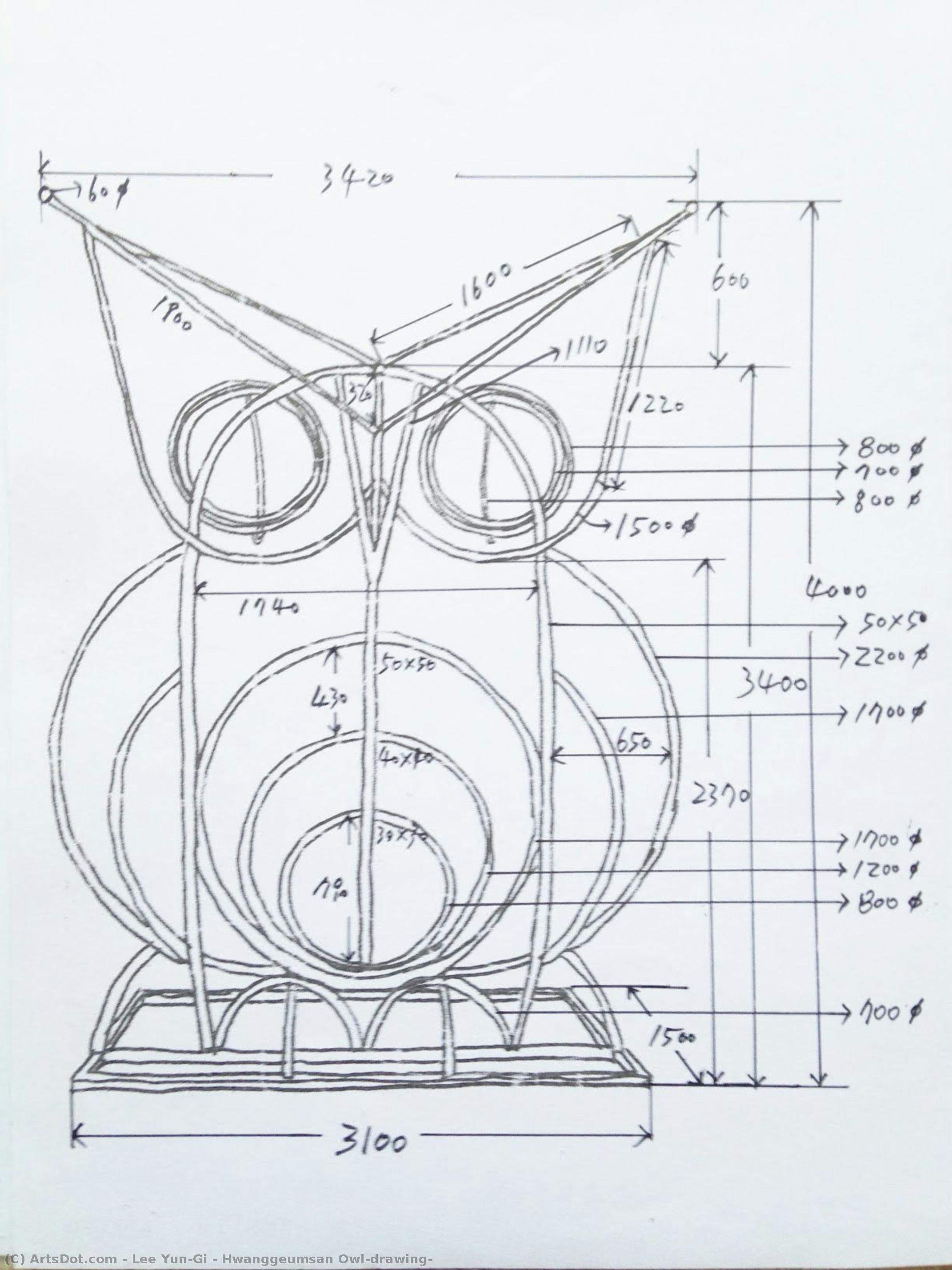
Hwanggeumsan Owl(drawing)

 Διαβάστε περισσότερα
Αγοράστε μια ψηφιακή εικόνα υψηλής ανάλυσης και βελτιωμένης ποιότητας, πολύ ανώτερης από την προεπισκόπηση στο διαδίκτυο.
Κάθε αρχείο προετοιμάζεται σχολαστικά από τους εξειδικευμένους συνεργάτες μας, με τη χρήση προηγμένων εργαλείων και χειροκίνητου ρετουσαρίσματος υψηλής ακρίβειας. Εξασφαλίζουμε ότι κάθε εικόνα προσφέρει εξαιρετική ευκρίνεια, απόλυτη πιστότητα στο χρώμα και λεπτομερή ανάδραση των λεπτομερειών.
Το τελικό αρχείο παραδίδεται μέσω email εντός 72 ωρών, βελτιστοποιημένο για άμεση χρήση σε επαγγελματικά, εκδοτικά και έντυπα περιβάλλοντα. Πρόκειται για την ίδια ποιότητα που εμπιστεύονται κορυφαία studios σχεδιασμού, εκδότες και γκαλερί.
Ψηφιακή εικόνα
Κατεβάστε ένα αρχείο υψηλής ανάλυσης για προσωπική χρήση, εκτύπωση και δημιουργικά έργα. ( Αγορά εκτύπωσης Αγορά χειροποίητου πίνακα)
Περιλαμβάνεται σε κάθε παραγγελία ψηφιακής εικόνας
Επαγγελματική Ψηφιακή Παράδοση με Εγγύηση
Όταν επιλέγετε το OriginalUniqueArt.com, δεν αποκτάτε απλώς μια εικόνα – λαμβάνετε ένα επαγγελματικά αναβαθμισμένο ψηφιακό έργο τέχνης, δημιουργημένο με ακρίβεια και με εγγύηση ικανοποίησης. Δείτε όλα όσα περιλαμβάνονται στην παραγγελία σας, αυτόματα:

Άμεση αποστολή μέσω email
Το ψηφιακό σας αρχείο εικόνας υψηλής ανάλυσης θα σας σταλεί μέσω email εντός 72 ωρών από την παραγγελία σας — έτοιμο για άμεση χρήση.

Ψηφιακό Αρχείο με Τεχνητή Νοημοσύνη
Το έργο σας βελτιστοποιείται επαγγελματικά με τη χρήση προηγμένων εργαλείων Τεχνητής Νοημοσύνης και χειροκίνητης επεξεργασίας, εξασφαλίζοντας μέγιστη λεπτομέρεια, ευκρίνεια και ακρίβεια χρωμάτων.

Δωρεάν επανεκδόσεις مدى ζωής
Απώλησες ή διαγράψατε κατά λάθος το αρχείο σας; Μην ανησυχείτε — θα σας το ξαναστείλομε οποιαδήποτε στιγμή, δωρεάν.

Χωρίς Τελωνειακούς Φόρους - Ποτέ
Απολαύστε αμέσως τα έργα τέχνης σας χωρίς δασμούς, φόρους ή έξοδα αποστολής - οι ψηφιακές λήψεις είναι πάντα αφορεশিপτεία.

Εγγύηση Ακριβούς Χρωματισμού
Εξασφαλίζουμε ότι η ψηφιακή σας εικόνα αποτυπώνει τα αυθεντικά χρώματα όσο το δυνατόν πιστότερα, χρησιμοποιώντας επαγγελματικά εργαλεία και διαχείριση χρωμάτων.

Εγγύηση Ικανοποίησης 60 Ημερών
Εάν δεν είστε ικανοποιημένοι με την ψηφιακή σας εικόνα, θα την αναθεωρήσουμε ή θα σας επιστρέψουμε το 100% της αξίας της εντός 60 ημερών - χωρίς κανένα ερώτημα.

100% Εγγύηση Επιστροφής Χρήματος
Δεν είστε ικανοποιημένοι; Λάβετε πλήρη επιστροφή των χρημάτων σας εντός 60 ημερολογιακών ημερών από τη λήψη του ψηφιακού σας αρχείου — χωρίς κανένα ερώτημα.

Εκπτώσεις για μαζικές παραγγελίες
Αγοράστε 3 εικόνες, κάντε εξοικονόμηση 10% - Αγοράστε 5, κάντε εξοικονόμηση 15% - Αγοράστε 10+, κάντε εξοικονόμηση 20%. Ιδανικό για δημιουργικά έργα, γκαλερί και agencies.
Περιγραφή Συλλεκτικού Αντικειμένου
Βιογραφικό Καλλιτέχνη
The Weaver of Myth and Memory
Lee Yun-gi (1947–2010) occupied a rare space in the Korean cultural landscape, acting as a bridge between the profound depths of ancient mythology and the visceral realities of modern existence. Born in Gunwi-si, South Korea, his early life was shaped by the complex tensions of a nation navigating its postwar identity. While history often remembers him as a titan of literature—a prize-winning novelist and a prolific translator who brought the intricate labyrinths of Umberto Eco to Korean readers—his artistic soul sought expression through a more tactile medium. For Lee, the boundaries between the written word and the painted canvas were fluid; both served as vessels for exploring the psychological repercussions of conflict, displacement, and the enduring power of human connection.
His creative journey was profoundly marked by his observations during the Vietnam War, an experience that birthed his 1977 literary debut, Hayan Hellikop. This early encounter with the shadows of war ignited a lifelong preoccupation with themes of trauma and survival. As he matured, his intellectual horizons expanded through formal studies at Michigan State University, where he immersed himself in comparative literature and religious studies. This academic rigor allowed him to master the art of translation, eventually publishing over 150 works that included the heavy, symbolic weight of Greek and Roman myths. This deep immersion in classical archetypes provided the foundational vocabulary for his visual art, allowing him to infuse his paintings with a sense of timelessness and universal truth.
Texture, Symbolism, and the Visual Narrative
In his transition from the precision of translation to the expressive freedom of painting, Lee Yun-gi developed a stylistic approach that was as much about physical sensation as it was about visual representation. His work is characterized by a remarkable use of texture, where layers of pigment are built upon the canvas to create a palpable, sculptural depth. This technique does not merely depict a subject; it invites the viewer to feel the weight of history and the grit of memory. In celebrated pieces such as Blue-eyed Owl, Lee utilizes avian symbolism—a recurring motif in his oeuvre—to evoke a sense of watchful wisdom and the ethereal connection between the earthly and the divine.
The artist’s ability to blend disparate elements is perhaps his greatest achievement. His paintings often mirror the structure of his prose, utilizing subtle variations in color and heavy impasto to drive a narrative forward without the need for explicit depiction. In series such as the Migrant Bird Series, he explores the poignant themes of displacement and the search for home, reflecting the socio-political shifts of the Korean peninsula. Through his use of light and shadow, Lee creates landscapes that feel both intimately personal and mythically vast, turning the canvas into a space where the individual struggle meets the collective human experience.
A Legacy of Intercultural Dialogue
The historical significance of Lee Yun-gi lies in his role as a cultural mediator. By translating the complexities of Western thought into the Korean vernacular, and subsequently translating those same archetypes into a visual language, he fostered a unique intercultural dialogue. His work resisted the easy comforts of simple description, opting instead for a dynamic use of dialogue—both literal in his books and metaphorical in his paintings—to challenge and engage his audience. He approached life with a characteristic sense of optimism and wit, refusing to succumb to the despair of human cruelty, choosing instead to focus on the resolution of conflict through creativity.
Ultimately, Lee Yun-gi’s legacy is one of profound synthesis. He remains a significant figure in contemporary Korean art because he successfully merged the analytical precision of a scholar with the emotive power of a storyteller. His life's work stands as a testament to the idea that whether through the meticulous translation of a text or the heavy application of paint to a canvas, the ultimate goal of the artist is to uncover the universal truths that bind us all together across time and geography.

Lee Yun-gi
1947 - 2010 , South Korea
Γρήγορα στοιχεία
- Artistic Movement Or Style: Modern Fiction
- Date Of Birth: 1947
- Date Of Death: 2010
- Full Name: Lee Yun-gi
- Nationality: Korean
- Notable Artworks:
- Blue-eyed Owl
- Migrant Bird Series (DMZ Labor Party Office)
- Migrant Bird Series (The house just below)
- Place Of Birth: Gunwi-si, South Korea

