
 Δείτε σε πραγματικό χώρο
 Αποστολή
 Κοινοποίηση
 Λεπτομέρειες

 Λήψη
Λήψη
 Παρόμοια αντικείμενα συλλογής
 Ακτινογραφία
 Παρουσίαση
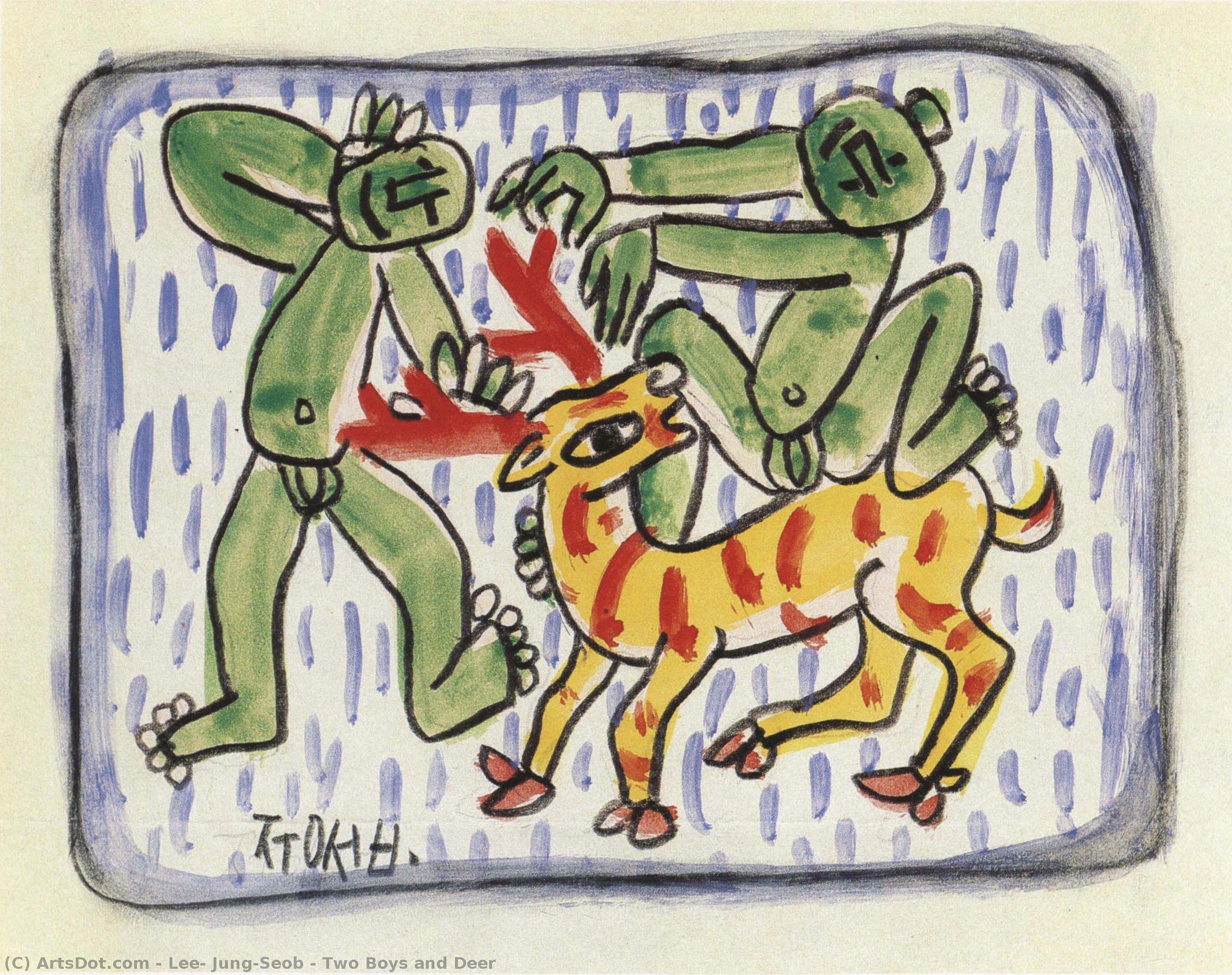
Two Boys and Deer
 Acrylic On Canvas
- WallArt
- Korean Modernism
 17.0 x 13.0 cm
 Εθνικό Μουσείο Κορέας
 Διαβάστε περισσότερα
Giclée / Εκτυπώσεις Τέχνης
Εκτύπωση giclée ή σε καμβά ποιότητας μουσείου με γρήγορη παραγωγή και ευέλικτες επιλογές φινιρίσματος. ( Αγορά χειροποίητου πίνακα Αγορά ψηφιακής εικόνας)




P118B $10

P118H $10

P118W $10

P438Z $10

P508JH $12

P508YH $12

P805H $10

P805Z $10

P919BZ $10

P919G $10

P919XJ $10

P959ZH $10

P968JZ $12

W106C $8

W218G $10

W218JH $8

W218Y $10

W307PJ $10

W316G $10

W316PJ $8

W316Y $10

W398PJ $8

W4111J $10

W500HY $15

W500JH $15

W692G $12

W849H $8

W940BG $15

W953PJ $8




Επιλέξτε από τις προκαθορισμένες διαστάσεις μας που διατηρούν τις αρχικές αναλογίες του έργου τέχνης.

Μπορείτε να εισαγάγετε δικές σας διαστάσεις ώστε να ταιριάξουν με ένα συγκεκριμένο πλαίσιο ή χώρο. Εάν το επιλεγμένο μέγεθος δεν συμπίπτει με τις αναλογίες της πρωτότυπης εικόνας, θα κόψουμε το έργο τέχνης ή θα επεκτείνουμε την εικόνα με καθρεφτισμένη ή μονόχρωμη ατέλεια. Θα σας αποσταλεί ένα ψηφιακό mockup για έγκρισή σας πριν από την έναρξη της παραγωγής.
Παρακαλούμε σημειώστε ότι η προεπισκόπηση στην οθόνη δεν αντικατοπτρίζει την πραγματική κοπή ή επέκταση. Μόνο το mockup θα δείξει με ακρίβεια την τελική σύνθεση.
Παρόλο που είναι διαθέσιμες προσαρμοσμένες διαστάσεις, προτείνουμε την επιλογή μιας διάστασης από τη προκαθορισμένη λίστα για τη διατήρηση των αρχικών αναλογιών.
Παγκόσμια Αποστολή () σε 2 εβδομάδες αντί για τις συνήθεις 4/5 εβδομάδες. (20 Αύγουστος)

Δωρεάν γρήγορη διεθνής αποστολή

Κάμβας από Λινό Υψηλής Ποιότητας

Πλήρης ασφάλιση μεταφοράς

Εγγύηση Επιστροφής Δασμών και Φόρων

Εγγύηση Απόλυτης Ομοιότητας Χρωμάτων

Πολιτική Επιστροφής 60 Ημερών (Μόνο σε περίπτωση ελαττωμάτων)

Εγγύηση επιστροφής 100% των χρημάτων

Προσφορά για μαζικές παραγγελίες
 Η επιλογή με γυαλί είναι διαθέσιμη μόνο για μεγέθη κάτω από 110 εκ.

Two Boys and Deer
Giclée / Εκτυπώσεις Τέχνης
Διαστάσεις Αναπαραγωγής
-


Συνολική Τιμή
$ 80
Περιγραφή Συλλεκτικού Αντικειμένου
A Moment Frozen in Time: Lee Jung-Seob’s “Two Boys and Deer”
Lee Jung-Seob's "Two Boys and Deer" isn’t merely a painting; it’s a poignant distillation of Korean life, memory, and the quiet dignity of rural existence. Completed in 1953, this watercolor captures a fleeting scene – two young men, likely brothers, engaged in a simple act of tending to a deer near a small stream. Yet, within this seemingly straightforward depiction lies a profound depth of emotion and a subtle commentary on the changing landscape of Korea during a turbulent era. The painting’s power resides not just in its subject matter but also in Lee's masterful use of color and light, creating an atmosphere both serene and subtly melancholic.
The scene unfolds within a meticulously rendered Korean countryside – rolling hills, dense foliage, and the reflective surface of a stream. The figures are dressed in muted greens and browns, blending seamlessly with their surroundings, suggesting a deep connection to the land. Lee’s technique is remarkably delicate; each brushstroke seems to capture the ephemeral quality of light filtering through the trees. Notice how he employs wet-on-wet watercolor techniques, allowing colors to bleed and blend naturally, creating an impressionistic effect that softens the edges and imbues the scene with a sense of hazy nostalgia. The deer itself, rendered with surprising detail despite its secondary role, embodies a quiet grace and vulnerability – a symbol often associated with innocence and connection to nature in Korean art.
The Artist’s Biography: A Life Shaped by Conflict
Lee Jung-Seob (1916-1956) was a pivotal figure in the development of Korean modernism, tragically cut short by his untimely death. Born in Pyeongannamdo during Japanese rule, he witnessed firsthand the struggles for independence and endured the devastation of the Korean War. His early life, marked by privilege and artistic training, abruptly shifted with the war’s arrival, forcing him to abandon his family home and relocate to Jeju Island. This displacement profoundly impacted his work, imbuing it with a sense of loss and longing – themes that resonate powerfully in “Two Boys and Deer.” Lee's artistic journey was fueled by a desire to capture the essence of Korean life, often focusing on rural scenes and everyday subjects, reflecting a deep respect for tradition and a yearning for a simpler existence.
His artistic influences were diverse, drawing from both traditional Korean painting styles and Western modernism. He studied at Teikoku Art School in Japan, where he experimented with Fauvist techniques before returning to Korea and developing his own distinctive style characterized by bold colors, expressive brushwork, and a focus on capturing the emotional resonance of his subjects. Lee’s work is often considered part of the “Korean School” movement, which sought to establish a uniquely Korean artistic identity in the aftermath of Japanese colonialism.
Symbolism and Emotional Resonance
Beyond its surface depiction, "Two Boys and Deer" carries layers of symbolic meaning. The deer itself represents purity, gentleness, and connection to nature – values deeply ingrained in Korean culture. The two boys, seemingly engaged in a quiet ritual, could symbolize the continuity of tradition or perhaps the anxieties surrounding the future as Korea navigated a period of immense social and political upheaval. Some art historians interpret their interaction as a subtle commentary on the changing roles of men within Korean society during this era.
The painting’s overall mood is one of quiet contemplation, tinged with melancholy. The muted colors, soft lighting, and understated details create an atmosphere of wistful remembrance – a feeling that echoes the sense of loss experienced by many Koreans following the war. Lee Jung-Seob masterfully uses these elements to evoke a powerful emotional response in the viewer, inviting us to reflect on themes of memory, identity, and the enduring beauty of the Korean landscape.
A Legacy Preserved: Reproductions and Artistic Significance
Today, “Two Boys and Deer” is held within the National Museum of Korea in Seoul, a testament to Lee Jung-Seob’s artistic legacy. High-quality reproductions are available, allowing art lovers worldwide to experience the beauty and emotional depth of this remarkable painting. When selecting a reproduction, consider the archival quality of the materials used – ensuring that the colors remain vibrant and true over time. This piece offers not only aesthetic pleasure but also a valuable window into Korean history and culture, reminding us of the resilience and enduring spirit of its people.
Βιογραφία Καλλιτέχνη
Ένας Κορεάτης δάσκαλος της ελαιογραφίας
lee, jung-seob, ένας διακεκριμένος καλλιτέχνης από τη Νότια Κορέα, άφησε ένα անσ xóaτο αποτύπωμα στον κόσμο της τέχνης με τα μαγευτικά ελαιογραφία του. Γεννημένος στο Pyeongannamdo της Νότιας Κορέας το 1916, το καλλιτεχνικό ταξίδι του Lee χαρακτηρίστηκε από την καινοτομία και μια βαθιά σύνδεση με την κληρονομιά του.Καλλιτεχνικές προσφορές
Ο Lee Jung-seob είναι ευρύτερα γνωστός για το εμβληματικό του έργο 'White Ox', μια απόδειξη της δεξιοτεχνίας του στη χρήση των ελαιοχρωμάτων. Αυτό το αριστούργημα, μαζί με άλλα έργα του, αναδεικνύει το μοναδικό του στυλ, το οποίο συνδυάζει παραδοσιακά κορεατικά στοιχεία με σύγχρονες τεχνικές.- κύρια έργα:
- Family and Pigeon (Εθνικό Μουσείο Κορέας, Σεούλ, Νότια Κορέα) - ένα συγκινητικό έργο με λάδι πάνω σε χαρτί.
- Boys, Fish, and Crab (Εθνικό Μουσείο Κορέας, Σεούλ, Νότια Κορέα) - ένα υδατογραφία που αναδεικνύει την πολυμορφία του Lee.
- Two Boys and Deer (Εθνικό Μουσείο Κορέας, Σεούλ, Νότια Κορέα) - ένα ακόμη παράδειγμα της δεξιοτεχνίας του στην υδατογράφημα.
- μουσεία που φιλοξενούν το έργο του:
- Εθνικό Μουσείο Κορέας (Σεούλ, Νότια Κορέα)
Κληρονομιά και επιρροή
Ο θάνατος του Lee Jung-seob στη Σεούλ το 1956 σηματοδότησε το τέλος μιας εποχής, αλλά ταυτόχρονα άνοιξε τον δρόμο για τις μετέπειτα γενιές των Κορεατών καλλιτεχνών. Η επιρροή του μπορεί να διακριθεί στα έργα πολλών σύγχρονων Κορεατών ζωγράφων. εξερευνήστε περισσότερη τέχνη του Lee Jung-seob: [https://OriginalUniqueArt.com/@/lee-jung-seob](https://OriginalUniqueArt.com/@/lee-jung-seob) | ανακαλύψτε μια εκτεταμένη συλλογή των έργων του στο OriginalUniqueArt. μάθετε για άλλους διάσημους καλλιτέχνες: /el/art/list/ | περιηγηθείτε στη λίστα των σπουδαίων καλλιτεχνών στο OriginalUniqueArt.
Λι Τζουνγκ-Σέμπ
1916 - 1956 , Νότια Κορέα
Γρήγορα στοιχεία
- Artistic Movement Or Style: Σύγχρονη Κορεατική Τέχνη
- Artists Or Movements Influenced By This Artist: ['Φαυβισμός']
- Artists Who Influenced This Artist: ['Τοιχογραφίες των τάφων Goguryeo']
- Date Of Birth: 10 Απριλίου 1916
- Date Of Death: 6 Σεπτεμβρίου 1956
- Full Name: Lee Jung-seob
- Nationality: Κορεάτης
- Notable Artworks:
- Λευκό Βόδι
- Οικογένεια & Περιστέρι
- Αγόρια, ψάρι, καβούρι
- Place Of Birth: Pyeongannamdo, Κορέα
Σχετικά άρθρα

Οι 10 Κορυφαίοι Θρύλοι της Υδατοχρωματικής Τέχνης που Άλλαξαν την Ιστορία | OriginalUniqueArt
Ανακαλύψτε τα 10 αριστουργήματα υδατοχρωμάτων που επαναπροσδιόρισαν την τέχνη! Ιστορίες από Turner, Monet και Cézanne. Βρείτε αναπαραγωγές υψηλής ποιότητας & έμπνευση διακόσμησης στο OriginalUniqueArt.com.

Ephemeral Visions: Exploring the Artistic Legacy & Contemporary Practice of Watercolor Painting
Explore the captivating world of watercolor painting! Discover its rich history, essential techniques, influential artists & collecting tips. A comprehensive guide for art enthusiasts from OriginalUniqueArt.

Ephemeral Visions: Exploring the History & Emotional Resonance of Watercolor Painting
Explore the captivating history of watercolor painting, from ancient techniques to modern masters like Kandinsky & Blake. Discover essential artists, collecting tips & the emotional power of this luminous medium. Expert insights for art enthusiasts.

Ephemeral Visions: Exploring the Artistic Legacy & Nuances of Watercolor Painting
Explore the captivating world of watercolor painting! Discover its rich history, essential techniques, influential artists & collecting tips from art experts. A comprehensive guide for enthusiasts.

Η Διαχρονική Γοητεία της Υδροχρωματικής Τέχνης: Ιστορία, Τεχνικές & Σύγχρονη Πρακτική
Εξερευνήστε την ιστορία, τις τεχνικές και τις σύγχρονες τάσεις της υδροχρωματικής τέχνης. Οδηγός για αρχάριους & έμπειρους ζωγράφους. Ανακαλύψτε πηγές έμπνευσης και εκπαιδευτικά προγράμματα.

