
 Δείτε σε πραγματικό χώρο
 Αποστολή
 Κοινοποίηση
 Λεπτομέρειες

 Λήψη
Λήψη
 Παρόμοια αντικείμενα συλλογής
 Ακτινογραφία
 Παρουσίαση
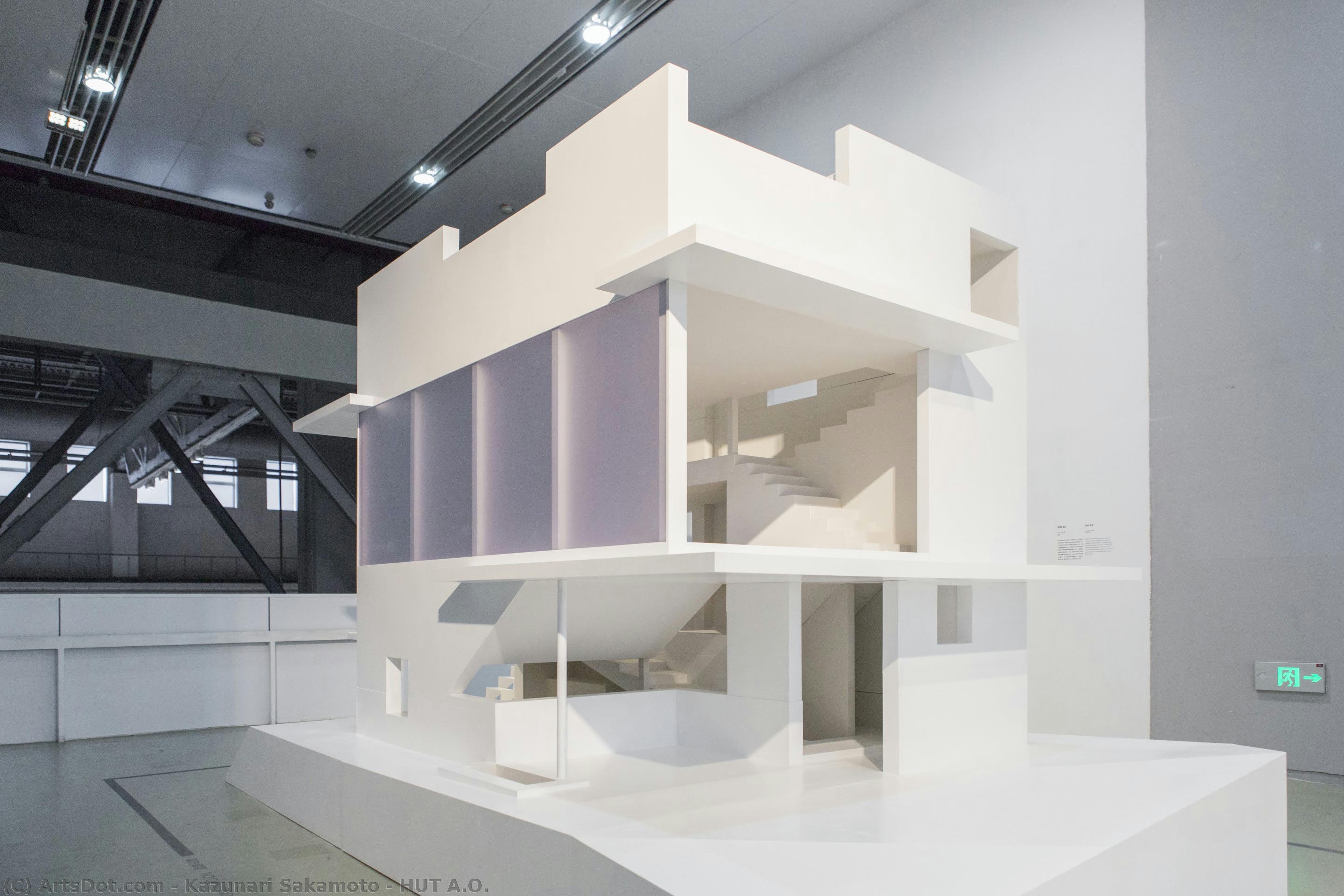
HUT A.O.


 Διαβάστε περισσότερα
Χειροποίητη Αναπαραγωγή σε Έλαιο
Χειροποίητη oil painting σε καμβά στο δικό σας μέγεθος και πλαίσιο, κατά παραγγελία από τους καλλιτέχνες μας. ( Αγορά εκτύπωσης Αγορά ψηφιακής εικόνας)




































Επιλέξτε από τις προκαθορισμένες διαστάσεις μας που διατηρούν τις αρχικές αναλογίες του έργου τέχνης.

Μπορείτε να ορίσετε δικές σας διαστάσεις ώστε το έργο να ταιριάζει σε ένα συγκεκριμένο πλαίσιο ή χώρο. Εάν το επιλεγμένο μέγεθος δεν συμπίπτει με τις αναλογίες της αρχικής εικόνας, θα περικοψούμε το έργο ή θα επεκτείνουμε τη ζωγραφιά με πρόσθετα χειρόγραφα στοιχεία. Ένα ψηφιακό προσχέδιο θα σας αποσταλεί για έγκριση πριν την έναρξη της παραγωγής.
Παρακαλούμε σημειώστε ότι η προεπισκόπηση στην οθόνη δεν αντικατοπτρίζει την πραγματική περικοπή ή επέκταση. Μόνο το προσχέδιο θα δείξει με ακρίβεια την τελική σύνθεση.
Παρόλο που είναι διαθέσιμα προσαρμοσμένα μεγέθη, συνιστούμε να επιλέξετε μια διάσταση από τη λίστα των προκαθορισμένων μεγεθών για τη διατήρηση των αρχικών αναλογιών.
Μετά την παραγγελία, η ομάδα του OriginalUniqueArt.com θα στείλει email στον πελάτη με οδηγίες και θα παρέχει μια προεπισκόπηση προσχεδίου
Παγκόσμια Αποστολή () σε 3-4 εβδομάδες αντί για τις συνήθεις 5 εβδομάδες. (20 Αύγουστος). Χωρίς συμβιβασμούς στην ποιότητα.

Δωρεάν γρήγορη διεθνής αποστολή

Κάμβας από Λινό Υψηλής Ποιότητας

Πλήρης ασφάλιση μεταφοράς

Εγγύηση Επιστροφής Δασμών και Φόρων

Εγγύηση Απόλυτης Ομοιότητας Χρωμάτων

Πολιτική Επιστροφής 60 Ημερών (Μόνο σε περίπτωση ελαττωμάτων)

Εγγύηση επιστροφής 100% των χρημάτων

Προσφορά για μαζικές παραγγελίες
 Η επιλογή με γυαλί είναι διαθέσιμη μόνο για μεγέθη κάτω από 110 εκ.

HUT A.O.
Μέσο Αναπαραγωγής
Διαστάσεις Αναπαραγωγής
-


Συνολική Τιμή
$ 300
Βιογραφία Καλλιτέχνη
Kazunari Sakamoto: Exploring the Poetics of Everyday Space
Kazunari Sakamoto (坂本 一成), born in Tokyo in 1943, stands as a pivotal figure in contemporary Japanese architecture, recognized for his profound engagement with Buddhist aesthetics and his distinctive approach to residential design. His artistic philosophy centers on uncovering beauty within the seemingly mundane—a concept deeply rooted in Zen Buddhism—where simplicity, materiality, and spatial harmony converge to create environments that resonate with tranquility and contemplation. Sakamoto’s formative years were marked by exposure to influential architectural thinkers like Kazuo Shinohara, whose minimalist aesthetic profoundly shaped his artistic vision. This connection instilled a dedication to exploring the essence of form through restrained materials and subtle gestures—a stylistic hallmark that distinguishes his oeuvre from more overtly expressive movements within Japanese art history. He pursued Doctor course at Graduate School of Architecture, Tokyo Institute of Technology and lectured at Department of Architecture, College of Art and Design, Musashino Art University.- Early Career & Influences: Sakamoto’s initial explorations encompassed collaborative projects with fellow architects, notably Kunio Nakai, fostering a dialogue about architectural concepts and their relationship to philosophical ideas.
- Notable Projects: His portfolio boasts an impressive array of residential buildings—including MINASE ANNEX in Hachioji City, QUICO Jingu-mae in Osaka City, and Housing Complex in Egota—each characterized by meticulous attention to detail and a masterful manipulation of natural light and texture.
- Recognition & Awards: Sakamoto’s work has garnered considerable acclaim, culminating in awards from the Architectural Institute of Japan and the Togo Murano Award for Common City Hoshida, cementing his reputation as a visionary architect dedicated to elevating the everyday experience.
The Philosophy of “So Far Unnoticed” Spaces
Sakamoto’s architectural practice isn't merely about constructing buildings; it’s about fostering a contemplative connection between inhabitants and their surroundings—a core principle derived from Buddhist contemplation. He champions the notion that true beauty resides in spaces untouched by ostentation or grand narratives, prioritizing instead an honest engagement with materials and natural light. This approach contrasts sharply with prevailing trends toward monumental scale and technological innovation, reflecting Sakamoto’s unwavering commitment to preserving the quiet dignity of domestic life. His designs deliberately eschew overtly decorative elements, favoring instead a subtle interplay of textures and forms that invite introspection. Like Tadao Ando—a fellow architect who shares his philosophical convictions—Sakamoto seeks to create environments where occupants can experience a profound sense of presence and serenity. This pursuit aligns with Zen’s emphasis on mindfulness and acceptance, suggesting that architecture can serve as a catalyst for spiritual growth.Exploring Spatial Harmony & Material Dialogue
A key element of Sakamoto's architectural style is his masterful use of natural materials—particularly concrete and wood—to achieve spatial openness and textural richness. He meticulously considers how these elements interact with light, creating luminous interiors that evoke a sense of calm and tranquility. This technique draws inspiration from Shan Shui painting—a genre emphasizing landscape vistas imbued with symbolic meaning—where the artist strives to capture the essence of nature's beauty through understated visual cues. Furthermore, Sakamoto’s work demonstrates an acute awareness of cultural context, reflecting Japan’s tradition of valuing simplicity and harmony. His buildings don’t compete for attention; rather, they subtly guide occupants toward a state of mindful contemplation—a testament to his belief that architecture can enrich human experience by fostering connection with the natural world.Legacy & Influence
Kazunari Sakamoto's influence extends beyond his own architectural creations, shaping the perspectives of younger generations of Japanese architects who embrace similar principles of minimalist design and contemplative space. His unwavering dedication to exploring the beauty of everyday life—a cornerstone of Buddhist aesthetics—continues to inspire artists and designers globally. He is remembered as a pioneer in fusing architectural innovation with philosophical contemplation, leaving an indelible mark on the landscape of contemporary art and architecture.
kazunari sakamoto
Japan
Γρήγορα στοιχεία
- Artistic Movement Or Style: Contemporary Japanese Art
- Artists Or Movements Influenced By This Artist: ['Buddhist aesthetics']
- Artists Who Influenced This Artist: ['Kazuo Shinohara']
- Full Name: Kazunari Sakamoto
- Nationality: Japanese
- Notable Artworks:
- MINASE ANNEX
- QUICO Jingu-mae
- Place Of Birth: Tokyo, Japan

