
 Δείτε σε πραγματικό χώρο
 Αποστολή
 Κοινοποίηση
 Λεπτομέρειες

 Λήψη
Λήψη
 Παρόμοια αντικείμενα συλλογής
 Ακτινογραφία
 Παρουσίαση
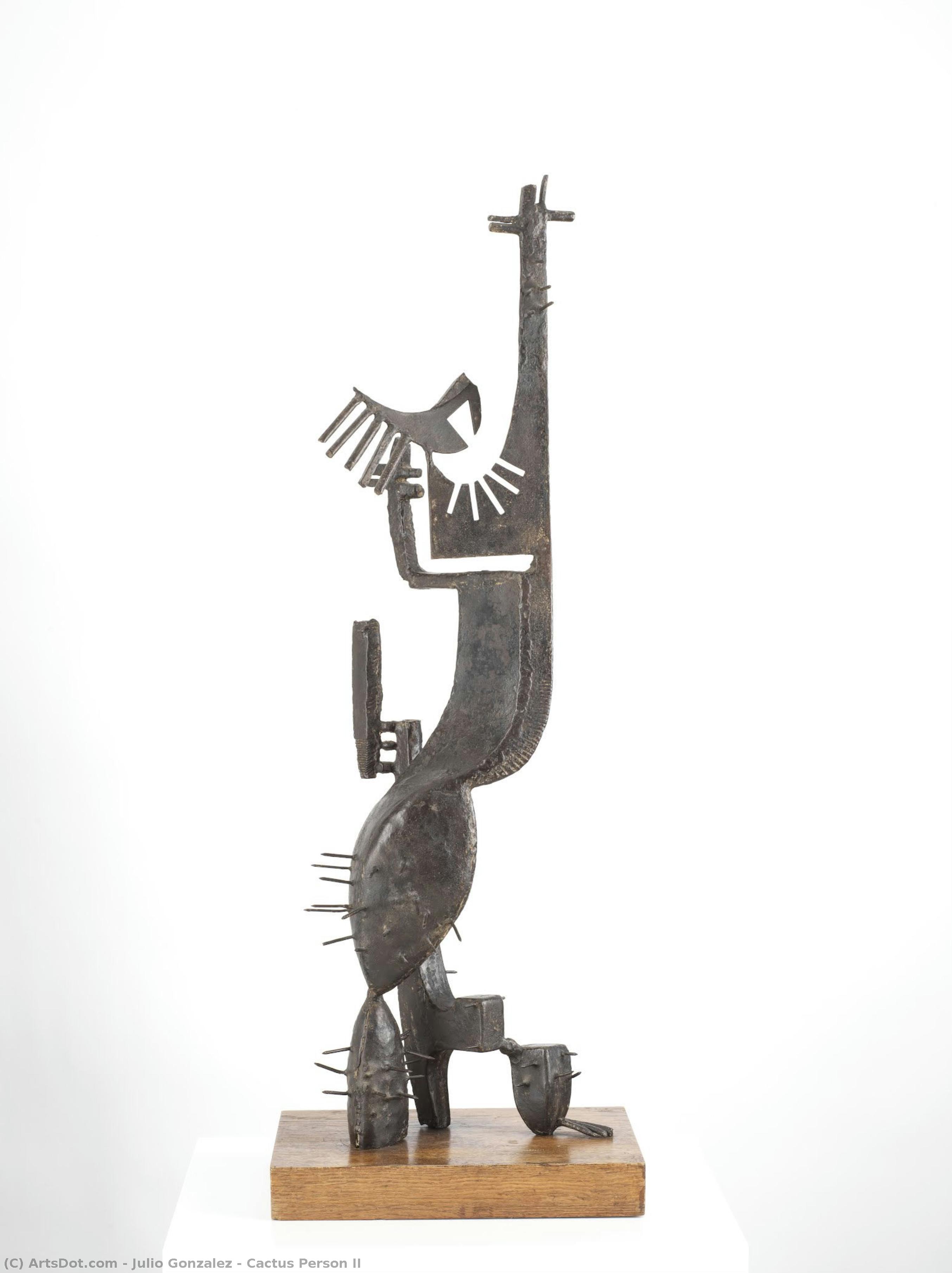
Cactus Person II


 Διαβάστε περισσότερα
Χειροποίητη Αναπαραγωγή σε Έλαιο
Χειροποίητη oil painting σε καμβά στο δικό σας μέγεθος και πλαίσιο, κατά παραγγελία από τους καλλιτέχνες μας. ( Αγορά εκτύπωσης Αγορά ψηφιακής εικόνας)




































Επιλέξτε από τις προκαθορισμένες διαστάσεις μας που διατηρούν τις αρχικές αναλογίες του έργου τέχνης.

Μπορείτε να ορίσετε δικές σας διαστάσεις ώστε το έργο να ταιριάζει σε ένα συγκεκριμένο πλαίσιο ή χώρο. Εάν το επιλεγμένο μέγεθος δεν συμπίπτει με τις αναλογίες της αρχικής εικόνας, θα περικοψούμε το έργο ή θα επεκτείνουμε τη ζωγραφιά με πρόσθετα χειρόγραφα στοιχεία. Ένα ψηφιακό προσχέδιο θα σας αποσταλεί για έγκριση πριν την έναρξη της παραγωγής.
Παρακαλούμε σημειώστε ότι η προεπισκόπηση στην οθόνη δεν αντικατοπτρίζει την πραγματική περικοπή ή επέκταση. Μόνο το προσχέδιο θα δείξει με ακρίβεια την τελική σύνθεση.
Παρόλο που είναι διαθέσιμα προσαρμοσμένα μεγέθη, συνιστούμε να επιλέξετε μια διάσταση από τη λίστα των προκαθορισμένων μεγεθών για τη διατήρηση των αρχικών αναλογιών.
Μετά την παραγγελία, η ομάδα του OriginalUniqueArt.com θα στείλει email στον πελάτη με οδηγίες και θα παρέχει μια προεπισκόπηση προσχεδίου
Παγκόσμια Αποστολή () σε 3-4 εβδομάδες αντί για τις συνήθεις 5 εβδομάδες. (14 Αύγουστος). Χωρίς συμβιβασμούς στην ποιότητα.

Δωρεάν γρήγορη διεθνής αποστολή

Κάμβας από Λινό Υψηλής Ποιότητας

Πλήρης ασφάλιση μεταφοράς

Εγγύηση Επιστροφής Δασμών και Φόρων

Εγγύηση Απόλυτης Ομοιότητας Χρωμάτων

Πολιτική Επιστροφής 60 Ημερών (Μόνο σε περίπτωση ελαττωμάτων)

Εγγύηση επιστροφής 100% των χρημάτων

Προσφορά για μαζικές παραγγελίες
 Η επιλογή με γυαλί είναι διαθέσιμη μόνο για μεγέθη κάτω από 110 εκ.

Cactus Person II
Μέσο Αναπαραγωγής
Διαστάσεις Αναπαραγωγής
-


Συνολική Τιμή
$ 300
Βιογραφία Καλλιτέχνη
Julio González: The Sculptor Who Found Beauty in Iron
Julio González (1876 – 1942) stands as a monumental figure in the history of modern sculpture, largely unrecognized during his lifetime but now celebrated as one of Spain’s most important artistic innovators. Born in Barcelona, September 21st, 1876, he descended from a lineage steeped in metalworking tradition; his grandfather was a goldsmith in Galicia, establishing a legacy that would profoundly shape González's artistic trajectory. From childhood, he absorbed the meticulous craftmanship of his father, Concordio González, who owned a workshop specializing in gold, silver, and iron fabrication – skills that would become foundational to his groundbreaking approach to sculpture. González’s formative years were marked by an exceptional education. Alongside his brothers, Joan and Miguel, he attended Els Quatre Gats, a Barcelona café frequented by avant-garde artists like Pablo Picasso and Juan Gris, fostering connections with the burgeoning modernist movement. This environment nurtured his artistic sensibilities and exposed him to influential ideas circulating amongst Catalan intellectuals and artists. The school’s curriculum deliberately mirrored the medieval guilds, emphasizing practical skills alongside theoretical knowledge – an approach that undeniably influenced González's artistic vision. His early artistic explorations were heavily impacted by Picasso’s presence in Barcelona. Their friendship blossomed during this period, culminating in a portrait commissioned by Picasso himself—a testament to their shared passion for experimentation and artistic dialogue. Though their bond eventually fractured due to familial disputes, the formative influence of Picasso remained undeniable, shaping González's stylistic preferences and conceptual concerns. By 1902, González relocated to Paris, immersing himself in the vibrant artistic landscape of Montmartre and associating with fellow Spaniards like Pablo Gargallo and Max Jacob—artists who similarly embraced radical innovation. González’s breakthrough came through his pioneering use of iron as a sculptural medium. Rejecting traditional materials like marble or bronze, he deliberately chose iron – a material often associated with industrialization and decay – transforming it into instruments of expressive beauty. He achieved this remarkable feat through meticulous welding techniques, painstakingly joining fragments of iron together to create sculptures that defied conventional notions of form and space. This method wasn’t merely a stylistic choice; it represented a philosophical stance—a desire to confront the materiality of existence and explore the inherent tension between solidity and fragility. His work embodies Cubist principles, characterized by fragmented planes and intersecting lines, mirroring Picasso's own explorations of visual perception. Throughout his career, González produced an impressive body of work that continues to captivate audiences worldwide. Notable pieces include “Prayer” (1932), a bronze sculpture demonstrating masterful control over form and line; "Head, (1936)", a watercolor portrait reflecting Picasso’s influence; and “Cactus Person II”, which exemplifies his distinctive aesthetic vision. Julio González's legacy extends beyond individual artworks—he fundamentally altered the course of sculptural history, establishing iron as a viable medium for artistic expression and cementing his place among Spain’s most enduring artistic icons. His sculptures resonate with an understated elegance and profound contemplation, inviting viewers to engage in a dialogue about beauty, materiality, and the human condition.
Julio González
1876 - 1942
Γρήγορα στοιχεία
- Artistic Movement Or Style: Cubism
- Artists Or Movements Influenced By This Artist: ['Modernisme']
- Artists Who Influenced This Artist: ['Pablo Picasso']
- Date Of Birth: September 21, 1876
- Date Of Death: 1942
- Full Name: Julio González Pellicer
- Nationality: Spanish
- Notable Artworks:
- Prayer
- Head (1936)
- Cactus Person II
- Place Of Birth: Barcelona, Spain

