- Αρχική

- Εκτύπωση σε καμβά
- Χουάν Γκρισ
- Harlequin

 Αγοράστε την αναπαραγωγή Αγορά ψηφιακής εικόνας
 Αποστολή
 Κοινοποίηση
 Λεπτομέρειες
 Προσθήκη στα αγαπημένα

 Λήψη
Λήψη
 Παρόμοια έργα
 Ακτινογραφία
 Παρουσίαση
Harlequin


 Περισσότερα λεπτομέρεια
Giclée / Εκτυπώσεις Τέχνης
Εκτύπωση giclée ή σε καμβά ποιότητας μουσείου με γρήγορη παραγωγή και ευέλικτες επιλογές φινιρίσματος.




































Επιλέξτε από τις προκαθορισμένες διαστάσεις μας που διατηρούν τις αρχικές αναλογίες του έργου τέχνης.

Μπορείτε να εισαγάγετε δικές σας διαστάσεις ώστε να ταιριάξουν με ένα συγκεκριμένο πλαίσιο ή χώρο. Εάν το επιλεγμένο μέγεθος δεν συμπίπτει με τις αναλογίες της πρωτότυπης εικόνας, θα κόψουμε το έργο τέχνης ή θα επεκτείνουμε την εικόνα με καθρεφτισμένη ή μονόχρωμη ατέλεια. Θα σας αποσταλεί ένα ψηφιακό mockup για έγκρισή σας πριν από την έναρξη της παραγωγής.
Παρακαλούμε σημειώστε ότι η προεπισκόπηση στην οθόνη δεν αντικατοπτρίζει την πραγματική κοπή ή επέκταση. Μόνο το mockup θα δείξει με ακρίβεια την τελική σύνθεση.
Παρόλο που είναι διαθέσιμες προσαρμοσμένες διαστάσεις, προτείνουμε την επιλογή μιας διάστασης από τη προκαθορισμένη λίστα για τη διατήρηση των αρχικών αναλογιών.
Παγκόσμια Αποστολή () σε 2 εβδομάδες αντί για τις συνήθεις 4/5 εβδομάδες. (19 Ιούλιος)

Δωρεάν Παγκόσμια Αποστολή Express

Κάμβας από Λινό Υψηλής Ποιότητας

Πλήρης ασφάλιση μεταφοράς

Εγγύηση Επιστροφής Δασμών και Φόρων

Εγγύηση Απόλυτης Ομοιότητας Χρωμάτων

Πολιτική Επιστροφής 60 Ημερών (Μόνο σε περίπτωση ελαττωμάτων)

Εγγύηση επιστροφής 100% των χρημάτων

Έκπτωση για πολλαπλές παραγγελίες
 Η επιλογή με γυαλί είναι διαθέσιμη μόνο για μεγέθη κάτω από 110 εκ.

Harlequin
Giclée / Εκτυπώσεις Τέχνης
Διαστάσεις Αναπαραγωγής
-


Τελική Τιμή
-
Περιγραφή Συλλεκτικού Αντικειμένου
Juan Gris’ “Harlequin”: A Fragmented Portrait of Modern Anxiety
Juan Gris’ “Harlequin,” completed in 1918, stands as a cornerstone of Cubist art and embodies the anxieties inherent within the burgeoning modernist movement. More than just a depiction of a theatrical character—a nod to the enduring traditions of Commedia dell’arte—the sculpture delves into profound questions about perception, representation, and the disintegration of traditional artistic conventions.
The Visual Language of Fragmentation
Gris’ masterful manipulation of geometric forms is immediately striking. The figure isn't rendered in a conventional manner; instead, it’s constructed from interlocking planes—primarily rectangular blocks—that overlap and intersect to suggest volume without resorting to realistic shading. This technique, pioneered by Picasso and Cézanne before him, deliberately rejects illusionistic depth, prioritizing intellectual analysis over visual accuracy. Lines are crisp and angular, defining the edges of these planes with unwavering precision – a characteristic that reflects the Cubist preoccupation with dissecting objects into their constituent parts.
Color Palette and Texture: Earthy Restraint
The color palette is deliberately muted, dominated by shades of grey, brown, and green. These earthy tones contribute to an atmosphere of solemn contemplation and subtly convey a sense of isolation. Hints of blue and gold appear sparingly, adding visual interest without disrupting the overall tonal harmony. The surface texture appears smooth due to photographic reproduction; however, Gris’ original bronze sculpture would have possessed a matte finish—a deliberate choice that reinforces the artwork's textural ambiguity.
Historical Context: Embracing Uncertainty
"Harlequin with a Guitar" emerged during a period of intense intellectual ferment in Europe. The aftermath of World War I instilled a pervasive feeling of disillusionment and uncertainty, prompting artists to question established norms and explore new modes of expression. Cubism responded directly to this zeitgeist by rejecting academic idealism and embracing the fragmented perspective—a visual metaphor for the fractured realities experienced during the postwar era. As noted in Wikipedia, “Like many European artists before them, Cubists often depicted Harlequin, a stock character in the Italian commedia dell’arte…”
Symbolic Resonance: Beyond Representation
The sculpture's symbolism transcends mere visual depiction. The figure embodies the Cubist ethos of dismantling preconceived notions and challenging viewers to reconsider their understanding of form and space. It evokes a feeling of alienation—a characteristic theme within modernist art—and invites contemplation on the complexities of human experience. Gris’ deliberate abstraction serves as a powerful reminder that art can communicate emotion and intellect without relying solely on visual realism.
Recommended Reproduction
A high-quality reproduction of “Harlequin” captures the essence of Gris’ groundbreaking vision. Offered by The Metropolitan Museum of Art and National Gallery of Art, this artwork exemplifies the enduring appeal of Cubist art—its intellectual rigor combined with its evocative aesthetic qualities. Explore the beauty and depth of this iconic piece.
Βιογραφία Καλλιτέχνη
A Spanish Visionary of Cubism: The Life and Art of Juan Gris
Born José Victoriano González-Pérez in Madrid in 1887, the artist who would become known as Juan Gris embarked on a journey that profoundly shaped the course of early 20th-century art. His initial path wasn’t immediately aligned with the canvas and brush; he pursued engineering at the prestigious School of Arts and Sciences, revealing an analytical mind – a trait that would later deeply inform his artistic approach. Even during these formative years, a creative spark flickered, evidenced by his contributions to local periodicals through drawings, hinting at a burgeoning visual talent waiting to be unleashed. It was in 1905 that he adopted the pseudonym Juan Gris, a name resonating with newfound identity and purpose as he began formal painting studies under José Moreno Carbonero – a pivotal shift that set him firmly on a trajectory toward artistic innovation.Parisian Awakening and the Embrace of Cubism
The year 1906 marked a transformative relocation to Paris, a city then brimming with an unparalleled artistic energy. Gris immersed himself completely in this vibrant milieu, forging enduring friendships with luminaries such as Henri Matisse, Georges Braque, and Fernand Léger. Initially, he engaged in satirical illustration for publications like *L'Assiette au Beurre*, diligently honing his observational skills and cultivating a keen sense of visual wit – a skill that would prove invaluable in his later work. However, the magnetic pull of Pablo Picasso proved particularly influential, shaping his artistic sensibilities and pushing him toward experimentation with radical new forms. Around 1910, Gris began to dedicate himself wholeheartedly to painting, deliberately moving away from caricature and embracing the burgeoning language of Cubism – a movement that demanded a complete reimagining of representation. This wasn’t mere imitation; it was a deliberate quest to distill the essence of form and space, seeking a new visual order—a fundamental shift in how he perceived and depicted reality.The Geometry of Perception: Style and Key Works
Juan Gris's artistic output is characterized by an extraordinary clarity and intellectual rigor. He didn’t simply deconstruct objects; he meticulously reconstructed them, emphasizing geometric forms and a carefully considered palette. This approach led to what became known as his “crystal period,” exemplified in masterpieces such as *Still Life Before an Open Window* (1912) and *Place Ravignan* (1915). These works showcase a remarkable interplay of planes and angles, creating a sense of depth and solidity while simultaneously challenging conventional notions of perspective. He moved beyond the purely analytical phase, developing a more organized and synthetic approach, prioritizing order and precision. His exploration of color was equally deliberate, often employing harmonious palettes that complemented his geometric structures. Notable examples include *Guitar in front of the sea* (1925), a testament to his simplified forms and unwavering adherence to cubist principles, and *Homage à Pablo Picasso* (1912), which signaled his growing recognition within the avant-garde art world – a bold declaration of artistic independence.The Pioneering Use of Collage
A defining characteristic of Gris’s mature style was his innovative use of *papier collé*, or collage—a technique he embraced wholeheartedly after 1913. He didn't merely incorporate pre-existing images; instead, he meticulously selected real-world materials – newspaper clippings, fabric scraps, and other everyday objects – and integrated them directly into his paintings. This wasn’t simply a decorative element; it was a fundamental shift in the relationship between painting and reality, blurring the boundaries between the two and adding layers of texture, meaning, and social commentary to his work. The inclusion of these fragments—representing the fragmented nature of modern experience—became a hallmark of his style, reflecting both his intellectual curiosity and his engagement with the world around him.Legacy and Lasting Influence
Juan Gris’s contribution to Cubism extends far beyond mere stylistic innovation; he brought an unparalleled level of intellectual depth and structural clarity to the movement. He moved past the analytical phase, towards a more organized and synthetic approach, emphasizing order and precision. His work profoundly influenced the Purist style championed by Amédée Ozenfant and Charles Edouard Jeanneret (Le Corbusier), advocating for a return to classical principles of form and composition. Gris’s emphasis on geometric forms, harmonious color palettes, and the integration of everyday objects into his art established him as a pivotal figure in 20th-century art. His legacy continues to inspire artists today, demonstrating the enduring power of Cubism and the visionary genius of Juan Gris – a Spanish master who reshaped our understanding of perception and representation, leaving an indelible mark on the history of modern art.
Χουάν Γκρισ
1887 - 1927 , Ισπανία
Σημαντικά στοιχεία
- Artistic Movement Or Style: Κυβισμός
- Artists Or Movements Influenced By This Artist:
- Purism
- Ozenfant
- Le Corbusier
- Artists Who Influenced This Artist:
- Picasso
- Matisse
- Braque
- Date Of Birth: 23 Μαρτίου 1887
- Date Of Death: 11 Μαΐου 1927
- Full Name: José Victoriano González-Pérez
- Nationality: Ισπαñός
- Notable Artworks:
- Guitar στο θάλασσα
- Hommage Picasso
- Miller
- Place Of Birth: Μαδρίτη, Ισπανία
Σχετικά Άρθρα
Οι 10 Κορυφαίοι Κυβιστές: Έργα που Άλλαξαν την Τέχνη | OriginalUniqueArt.gr
Ανακαλύψτε τα 10 εμβληματικά έργα που καθόρισαν τον Κυβισμό! Πικάσο, Μπρακ & Γκρις: ιστορίες, τεχνικές και η επανάσταση στην τέχνη. Βρείτε αναπαραγωγές υψηλής ποιότητας για διακόσμηση στο OriginalUniqueArt.com.

Θραυσματικές Προοπτικές, Ενοποιημένοι Χώροι: Η Ένταξη της Κυβιστικής Τέχνης στον Σύγχρονο Σχεδιασμό Βιλών – Ένας Οδηγός για Αισθητική Καινοτομία και Νομικές Παράμετρους
Εξερευνήστε τον κόσμο της κυβιστικής αρχιτεκτονικής για βίλες! Οδηγός ειδικών για αισθητική, υλικά, νομικές παράμετρους & βιωσιμότητα. Δημιουργήστε την κατοικία των ονείρων σας με εμπιστοσύνη.
Οι 10 Κορυφαίοι Κυβιστές: Έργα που Άλλαξαν την Τέχνη | OriginalUniqueArt.gr
Ανακαλύψτε τα 10 κορυφαία έργα του Κυβισμού! Πικάσο, Μπράκ & άλλοι ζωγράφοι που επαναστατήσαν. Ιστορία, τεχνικές & έμπνευση για διακόσμηση. Υψηλής ποιότητας αναπαραγωγές τέχνης στο OriginalUniqueArt.gr – Εξερευνήστε την πλήρη συλλογή online!
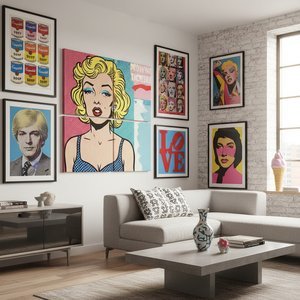
Top 10 Έργα που καθόρισαν την Pop Art | OriginalUniqueArt.gr
Ανακαλύψτε τα 10 εμβληματικότερα έργα Pop Art από καλλιτέχνες όπως ο Andy Warhol & Roy Lichtenstein. Ιστορία, τεχνικές και έμπνευση για τη διακόσμηση του σπιτιού σας. Υψηλής ποιότητας αναπαραγωγές τέχνης στο OriginalUniqueArt.com!
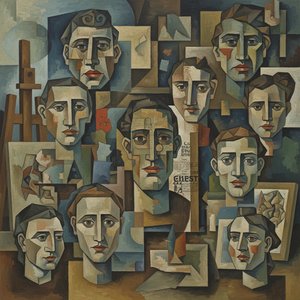
Οι 10 Κορυφαίοι Κυβιστικοί Πορτρέτα που Άλλαξαν την Τέχνη | OriginalUniqueArt.gr
Ανακαλύψτε τα 10 κορυφαία κυβιστικά πορτρέτα που επαναπροσδιόρισαν την τέχνη! Πικάσο, Μπρακ & Γκρις: ιστορίες, τεχνικές και έμπνευση για τον χώρο σας. Υψηλής ποιότητας αναπαραγωγές στην OriginalUniqueArt.com.