- Αρχική

- Εκτύπωση σε καμβά
- John Graham
- Dr William Ruddiman

 Preview
 Αποστολή
 Κοινοποίηση
 Λεπτομέρειες

 Λήψη
Λήψη
 Παρόμοια έργα
 Ακτινογραφία
 Παρουσίαση
Dr William Ruddiman
 Academic Portraiture
 1812
1812 74.0 x 62.0 cm
 Περισσότερα λεπτομέρεια
Giclée / Εκτυπώσεις Τέχνης
Εκτύπωση giclée ή σε καμβά ποιότητας μουσείου με γρήγορη παραγωγή και ευέλικτες επιλογές φινιρίσματος. ( Switch to hand made Painting Switch to Image)




































Επιλέξτε από τις προκαθορισμένες διαστάσεις μας που διατηρούν τις αρχικές αναλογίες του έργου τέχνης.

Μπορείτε να εισαγάγετε δικές σας διαστάσεις ώστε να ταιριάξουν με ένα συγκεκριμένο πλαίσιο ή χώρο. Εάν το επιλεγμένο μέγεθος δεν συμπίπτει με τις αναλογίες της πρωτότυπης εικόνας, θα κόψουμε το έργο τέχνης ή θα επεκτείνουμε την εικόνα με καθρεφτισμένη ή μονόχρωμη ατέλεια. Θα σας αποσταλεί ένα ψηφιακό mockup για έγκρισή σας πριν από την έναρξη της παραγωγής.
Παρακαλούμε σημειώστε ότι η προεπισκόπηση στην οθόνη δεν αντικατοπτρίζει την πραγματική κοπή ή επέκταση. Μόνο το mockup θα δείξει με ακρίβεια την τελική σύνθεση.
Παρόλο που είναι διαθέσιμες προσαρμοσμένες διαστάσεις, προτείνουμε την επιλογή μιας διάστασης από τη προκαθορισμένη λίστα για τη διατήρηση των αρχικών αναλογιών.
Παγκόσμια Αποστολή () σε 2 εβδομάδες αντί για τις συνήθεις 4/5 εβδομάδες. (29 Ιούλιος)

Δωρεάν Παγκόσμια Αποστολή Express

Κάμβας από Λινό Υψηλής Ποιότητας

Πλήρης ασφάλιση μεταφοράς

Εγγύηση Επιστροφής Δασμών και Φόρων

Εγγύηση Απόλυτης Ομοιότητας Χρωμάτων

Πολιτική Επιστροφής 60 Ημερών (Μόνο σε περίπτωση ελαττωμάτων)

Εγγύηση επιστροφής 100% των χρημάτων

Έκπτωση για πολλαπλές παραγγελίες
 Η επιλογή με γυαλί είναι διαθέσιμη μόνο για μεγέθη κάτω από 110 εκ.

Dr William Ruddiman
Giclée / Εκτυπώσεις Τέχνης
Διαστάσεις Αναπαραγωγής
-


Τελική Τιμή
$ 80
Βιογραφία Καλλιτέχνη
John Graham: Bridging Baroque Drama with Modernist Vision
John D. Graham (1886 – 1961) stands as a fascinating figure in the annals of art history—a Ukrainian-born American modernist painter who defied conventional paths and profoundly impacted the burgeoning Abstract Expressionist movement. His journey spanned continents, marked by intellectual curiosity, artistic experimentation, and an unwavering dedication to exploring the complexities of visual representation. Born Ivan Gratianovitch Dombrowsky in Kyiv, Russia, Graham’s early life was shaped by aristocratic lineage and a formal education that instilled a deep appreciation for classical art traditions. However, his military service during World War I – earning him the Saint George's Cross – swiftly propelled him into a turbulent era of political upheaval and revolution. Imprisonment as a counterrevolutionary following the Bolshevik seizure of power in 1918 served as a crucible for Graham’s artistic convictions. Forced to flee Russia, he sought refuge in Poland before emigrating to the United States in 1920 alongside his second wife, Vera, and their son, Nicholas. Embracing the moniker “John,” he formally adopted this name upon becoming a citizen in 1927, solidifying his American identity while retaining connections to his European heritage. His formative years in New York City coincided with an encounter with John F. Sloan, an influential Ashcan School painter who briefly mentored him, fostering an early exposure to gritty realism and social commentary. Graham’s artistic trajectory gained momentum at the Art Students League of New York, where he honed his skills and absorbed the stylistic nuances of American Modernism. Notably, he collaborated closely with Wilhelmina Weber Furlong and her husband Thomas, establishing a vibrant artistic community centered around Baltimore. This period witnessed Graham's involvement in the “Modernists” group and his role as their secretary—a testament to his commitment to both artistic creation and intellectual discourse. Beyond painting, Graham cultivated an astute eye for art connoisseurship and amassed a considerable collection, reflecting his passion for preserving artistic legacy. His association with the Solomon R. Guggenheim Museum exemplifies his dedication to supporting avant-garde endeavors and championing innovative approaches to visual expression. Graham’s personal life mirrored the dynamism of his artistic pursuits. Divorced from Vera in 1934, he found companionship with Constance Wellman in Paris, marrying her in New York City in 1936. Their marriage brought him into contact with luminaries like Adolph Gottlieb, David Smith, and Dorothy Dehner—artists who shared his intellectual fervor and artistic vision. Despite facing financial hardships during the Great Depression, Graham persevered, continuing to produce compelling artwork that explored themes of system theory and dialectics – concepts deeply rooted in Marxist philosophy. His legacy extends beyond individual masterpieces; he served as a pivotal mentor to artists like Jackson Pollock and Willem de Kooning, shaping the trajectory of Abstract Expressionism and cementing his place among the giants of 20th-century art. Graham’s enduring influence can be seen in the portfolios of his daughters, Kathryn and Jean, ensuring that his artistic contributions continue to inspire generations of artists.
John Graham
1886 - 1961 , Russia
Σημαντικά στοιχεία
- Artistic Movement Or Style: Modernist / Figurative Painting
- Artists Or Movements Influenced By This Artist: ['New York School']
- Artists Who Influenced This Artist: ['Ashcan School painters']
- Date Of Birth: 1886
- Date Of Death: 1961
- Full Name: Ivan Gratianovitch Dombrowsky / John D. Graham
- Nationality: Russian / American
- Notable Artworks:
- The Disobedient Prophet
- Mrs John Jarvie
- Place Of Birth: Kyiv, Russia
Σχετικά Άρθρα
Alonzo Chappel: Historical Narrative & Romantic Vision in 19th-Century American Painting
Explore the captivating world of Alonzo Chappel, a master of 19th-century American historical painting. Discover his iconic works, Romantic style & lasting legacy. Learn about collecting Chappel's art today!
The Barbizon School: Pioneering Realism & the Pastoral Vision in 19th-Century French Painting
Explore the Barbizon School's pivotal role in 19th-century French painting. Discover how these artists revolutionized landscape art with their commitment to Realism and a profound connection to nature. Learn about key figures like Rousseau, Millet & Corot.
R.B.A. John William Godward: A Study in Neoclassical Sensibility & Decadence
Explore the captivating Neo-Classical world of John William Godward. Discover his exquisite paintings, artistic influences, and investment potential. Expert analysis for discerning collectors.
Sir John Watson Gordon: A Study in Scottish Landscape Painting & Tonal Impressionism
Explore the captivating portraits of Sir John Watson Gordon, a leading Scottish master. Discover his evolution from neoclassical style to atmospheric Tonalism and influence on 19th-century British art. Learn about his iconic sitters & legacy.
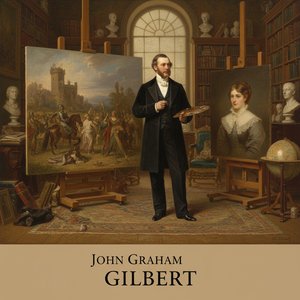
John Graham Gilbert: Rediscovering a Victorian Master of Narrative & Portraiture
Discover the captivating world of John Graham Gilbert, a Victorian master! Explore his portraits, genre scenes & illustrations. Learn about his influences, legacy & find high-quality reproductions at OriginalUniqueArt.

