
 Προεπισκόπηση
 Αποστολή
 Κοινοποίηση
 Λεπτομέρειες
 Οδηγός

 Λήψη
Λήψη
 Παρόμοια αντικείμενα συλλογής
 Ακτινογραφία
 Παρουσίαση
 Στατιστικά
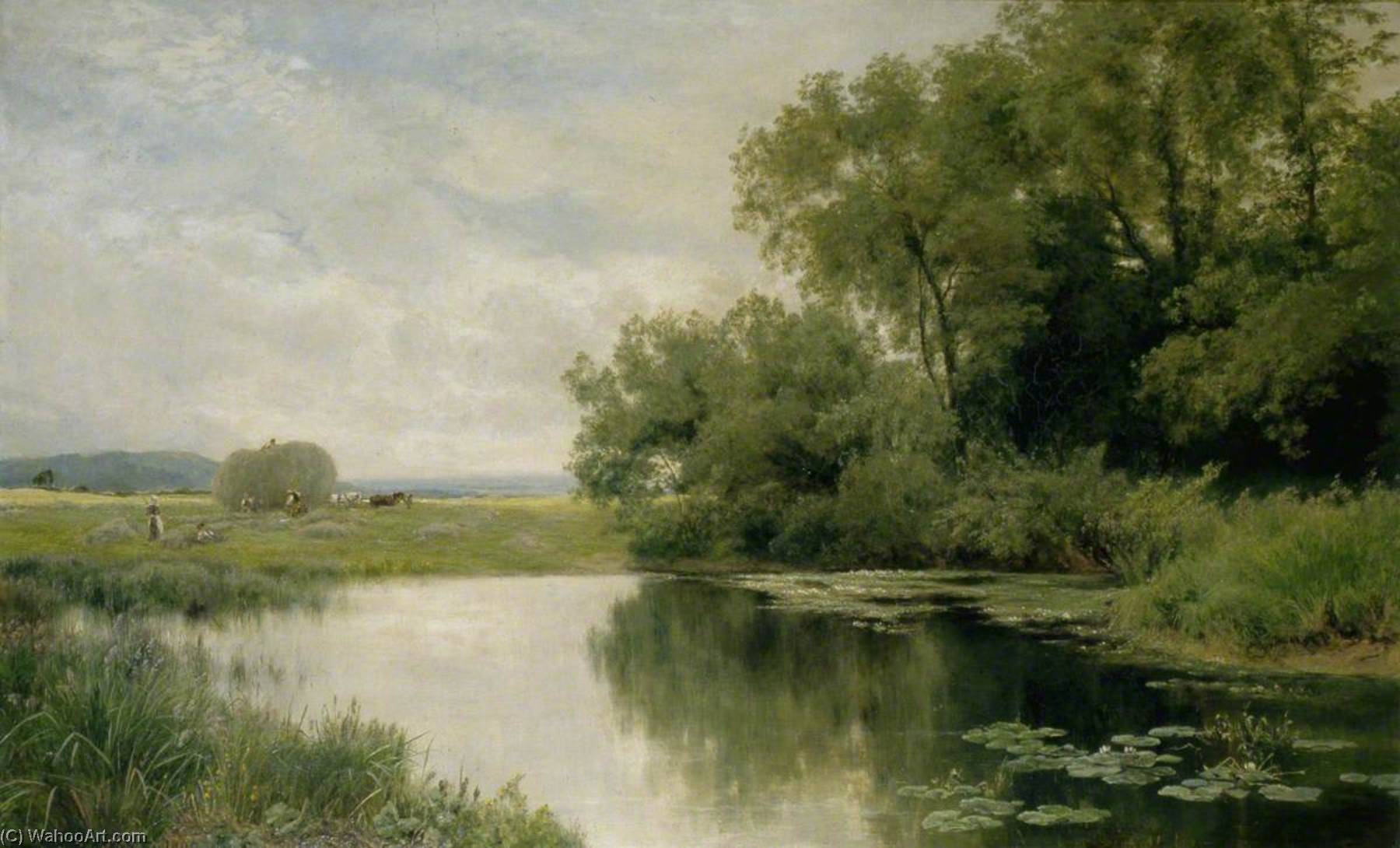
The Meadow Pool
 Impressionism
 1899
1899 73.0 x 119.0 cm
 Περισσότερα λεπτομέρεια
Χειροποίητη Αναπαραγωγή σε Έλαιο
Χειροποίητη ελαιογραφία σε καμβά στο δικό σας μέγεθος και πλαίσιο, κατά παραγγελία από τους καλλιτέχνες μας. ( Μετάβαση σε Εκτυπώσεις Μετάβαση σε Ψηφιακή Εικόνα)




































Επιλέξτε από τις προκαθορισμένες διαστάσεις μας που διατηρούν τις αρχικές αναλογίες του έργου τέχνης.

Μπορείτε να ορίσετε δικές σας διαστάσεις ώστε το έργο να ταιριάζει σε ένα συγκεκριμένο πλαίσιο ή χώρο. Εάν το επιλεγμένο μέγεθος δεν συμπίπτει με τις αναλογίες της αρχικής εικόνας, θα περικοψούμε το έργο ή θα επεκτείνουμε τη ζωγραφιά με πρόσθετα χειρόγραφα στοιχεία. Ένα ψηφιακό προσχέδιο θα σας αποσταλεί για έγκριση πριν την έναρξη της παραγωγής.
Παρακαλούμε σημειώστε ότι η προεπισκόπηση στην οθόνη δεν αντικατοπτρίζει την πραγματική περικοπή ή επέκταση. Μόνο το προσχέδιο θα δείξει με ακρίβεια την τελική σύνθεση.
Παρόλο που είναι διαθέσιμα προσαρμοσμένα μεγέθη, συνιστούμε να επιλέξετε μια διάσταση από τη λίστα των προκαθορισμένων μεγεθών για τη διατήρηση των αρχικών αναλογιών.
Μετά την παραγγελία, η ομάδα του OriginalUniqueArt.com θα στείλει email στον πελάτη με οδηγίες και θα παρέχει μια προεπισκόπηση προσχεδίου
Παγκόσμια Αποστολή () σε 3-4 εβδομάδες αντί για τις συνήθεις 5 εβδομάδες. (26 Σεπτέμβριος). Χωρίς συμβιβασμούς στην ποιότητα.

Δωρεάν γρήγορη διεθνής αποστολή

Κάμβας από Λινό Υψηλής Ποιότητας

Πλήρης ασφάλιση μεταφοράς

Εγγύηση επιστροφής δασμών και φόρων εισαγωγής

Εγγύηση Απόλυτης Ομοιότητας Χρωμάτων

Πολιτική Επιστροφής 100 Ημερών (Μόνο σε περίπτωση ελαττωμάτων)

Εγγύηση επιστροφής 100% των χρημάτων

Έκπτωση για πολλαπλές παραγγελίες
 Η επιλογή με γυαλί είναι διαθέσιμη μόνο για μεγέθη κάτω από 110 εκ.

The Meadow Pool
Τεχνική Αναπαραγωγής
Διαστάσεις Αναπαραγωγής
-


Συνολικό Κόστος
$ 300
Βιογραφικό Καλλιτέχνη
A Painter of Surrey’s Gentle Beauty
John Clayton Adams, a name synonymous with the pastoral serenity of Victorian England, possessed an extraordinary ability to translate the quiet rhythms of the countryside into enduring visual poetry. Born in 1840 in Edmonton, Middlesex, Adams emerged from a background of formal discipline, having refined his artistic vision at the Bloomsbury School and under the mentorship of William Wilthieu Fenn. His early life and training laid the foundation for a career defined by an unwavering devotion to the English landscape. As he matured, his focus drifted toward the verdant hills and sun-drenched meadows of Surrey, a region that would become the primary muse for his prolific output. Through his eyes, the rolling landscapes were not merely geographical locations but emotional sanctuaries, captured with a Romantic spirit that sought to idealize the natural world while remaining deeply rooted in its authentic textures.Ascension through the Royal Academy
The trajectory of Adams’ career was marked by a steady and prestigious ascent within the British art establishment. His debut at the Royal Academy in 1863, featuring the evocative work “The Old Mill,” served as a definitive moment of recognition, signaling the arrival of a significant new talent. This initial success blossomed into a remarkable period of sustained exhibition and acclaim that spanned several decades. His dedication to the craft was evidenced by his prolific contributions to the most esteemed institutions of his era:- The Royal Academy: Adams presented approximately 75 paintings to this prestigious body, establishing a consistent presence that commanded respect from his contemporaries.
- Royal Society of British Artists (RSBA): His involvement with the RSBA, where he exhibited another 25 works, further solidified his reputation as a mainstay of the Victorian art scene.
- Regional Focus: In 1873, his move to "Brackenhurst" near Guildford allowed him to live intimately within the landscapes he painted, deepening the connection between his personal life and his artistic subject matter.
Technique, Light, and the Impressionistic Touch
To observe a painting by Adams is to witness a masterclass in the manipulation of light and substance. His technique was characterized by a bold, broad application of paint, often utilizing impasto to create a tactile dimension on the canvas. By applying paint thickly, he was able to convey the ruggedness of the terrain and the palpable atmosphere of a misty morning or a heavy summer heat. He possessed a sensitive touch when capturing the ephemeral effects of light, allowing colors to shift and dance across his meadows. His palette was rich and emotive, often leaning into earthy tones that grounded his scenes in reality, yet frequently punctuated by vibrant hues that suggested the fleeting beauty of nature. Whether depicting the serene flow of "Where the Waters Gently Pass" or the textured, sun-lit fields of "Landscape with Haymakers," Adams utilized texture to breathe life into the stillness of his subjects.A Lasting Legacy of Pastoral Nostalgia
The historical significance of John Clayton Adams lies in his role as a chronicler of a vanishing way of life. His works often explored themes of the harvest and the seasonal cycles of rural labor, reflecting an aesthetic fascination with the rhythms of the land that were already beginning to change under the pressure of industrialization. Through masterpieces such as "Surrey Flowers" and "The Meadow Pool," he preserved an idealized vision of the English countryside—one that felt both truthful to its surroundings and elevated by a sense of timelessness. His legacy is found in the way his canvases continue to evoke a profound appreciation for nature's quiet majesty, offering modern viewers a window into the gentle, enduring beauty of the Victorian landscape.
john clayton adams
1840 - 1906
Στοιχεία καλλιτέχνη
- Artistic Movement Or Style: Romantic Landscape Painting
- Artists Or Movements Influenced By This Artist: ['Romanticism']
- Artists Who Influenced This Artist:
- Benjamin Williams Leader
- George Cole
- William Wilthieu
- Date Of Birth: 1840
- Date Of Death: 1906
- Full Name: John Clayton Adams
- Nationality: English
- Notable Artworks:
- A June Day
- Surrey Flowers
- Homewards
- Place Of Birth: Edmonton, Middlesex (UK)
Σχετικά άρθρα

John Constable: Τα 25 Κορυφαία Έργα Τέχνης | Ανακαλύψτε την Αγγλική Υπαίθριο στον Χώρο Σας
Ανακαλύψτε τα 25 κορυφαία έργα τέχνης του John Constable! Εξερευνήστε την αγγλική τοπιογραφία, τον ρομαντισμό και τη μαγεία της φύσης. Υψηλής ποιότητας αναπαραγωγές & ιδέες διακόσμησης στον χώρο σας. Ανακαλύψτε όλα τα αριστουργήματα στο OriginalUniqueArt.com

Οι 10 Κορυφαίοι Πίνακες που Όρισαν τον Ρομαντισμό στην Τοπιογραφία | OriginalUniqueArt.gr
Ανακαλύψτε τους 10 πίνακες που καθόρισαν τον Ρομαντισμό στην τοπιογραφία! Friedrich, Turner & άλλοι. Ιστορίες τέχνης, τεχνικές και έμπνευση για διακόσμηση σπιτιού. Βρείτε αναπαραγωγές υψηλής ποιότητας στο OriginalUniqueArt.com.
Whispers of the Meadow: Capturing the Serenity of the Quiet Countryside in Impressionist Masterpieces
Embark on a visual journey through Impressionist masterpieces. Discover how masters like Monet and Renoir captured the serene beauty of the countryside through light, color, and emotion. Explore timeless landscapes designed to bring tranquility and cultural elegance to your home sanctuary.

Οι 10 Κορυφαίοι Καμβάδες που Όρισαν τον Ιμπρεσιονισμό και το Τοπίο
Ανακαλύψτε τους 10 κορυφαίους πίνακες ιμπρεσιονισμού που καθόρισαν το τοπίο! Μονέ, Ρενουάρ & άλλοι. Ιστορίες τεχνικής και έμπνευσης. Βρείτε αναπαραγωγές υψηλής ποιότητας για τον χώρο σας στο OriginalUniqueArt.com

John Singer Sargent: Τα 25 Κορυφαία Έργα Τέχνης | OriginalUniqueArt.gr
Ανακαλύψτε τα 25 κορυφαία έργα τέχνης του John Singer Sargent! Πορτρέτα, ιμπρεσιονισμός & αριστουργήματα που αποπνέουν εκλεπτυσμό. Βρείτε αναπαραγωγές υψηλής ποιότητας για διακόσμηση τοίχου στο OriginalUniqueArt.gr.