

 Δείτε σε πραγματικό χώρο
 Αποστολή
 Κοινοποίηση
 Λεπτομέρειες

 Λήψη
Λήψη
 Παρόμοια αντικείμενα συλλογής
 Ακτινογραφία
 Παρουσίαση
 Στατιστικά
Tobacco Smoking


 Διαβάστε περισσότερα
Χειροποίητη Αναπαραγωγή σε Έλαιο
Χειροποίητη oil painting σε καμβά στο δικό σας μέγεθος και πλαίσιο, κατά παραγγελία από τους καλλιτέχνες μας. ( Μετάβαση σε Εκτυπωση Μετάβαση σε Ψηφιακή Εικόνα)




P118B $10

P118H $10

P118W $10

P438Z $10

P508JH $12

P508YH $12

P805H $10

P805Z $10

P919BZ $10

P919G $10

P919XJ $10

P959ZH $10

P968JZ $12

W106C $8

W218G $10

W218JH $8

W218Y $10

W307PJ $10

W316G $10

W316PJ $8

W316Y $10

W398PJ $8

W4111J $10

W500HY $15

W500JH $15

W692G $12

W849H $8

W940BG $15

W953PJ $8




Επιλέξτε από τις προκαθορισμένες διαστάσεις μας που διατηρούν τις αρχικές αναλογίες του έργου τέχνης.

Μπορείτε να ορίσετε δικές σας διαστάσεις ώστε το έργο να ταιριάζει σε ένα συγκεκριμένο πλαίσιο ή χώρο. Εάν το επιλεγμένο μέγεθος δεν συμπίπτει με τις αναλογίες της αρχικής εικόνας, θα περικοψούμε το έργο ή θα επεκτείνουμε τη ζωγραφιά με πρόσθετα χειρόγραφα στοιχεία. Ένα ψηφιακό προσχέδιο θα σας αποσταλεί για έγκριση πριν την έναρξη της παραγωγής.
Παρακαλούμε σημειώστε ότι η προεπισκόπηση στην οθόνη δεν αντικατοπτρίζει την πραγματική περικοπή ή επέκταση. Μόνο το προσχέδιο θα δείξει με ακρίβεια την τελική σύνθεση.
Παρόλο που είναι διαθέσιμα προσαρμοσμένα μεγέθη, συνιστούμε να επιλέξετε μια διάσταση από τη λίστα των προκαθορισμένων μεγεθών για τη διατήρηση των αρχικών αναλογιών.
Μετά την παραγγελία, η ομάδα του OriginalUniqueArt.com θα στείλει email στον πελάτη με οδηγίες και θα παρέχει μια προεπισκόπηση προσχεδίου
Παγκόσμια Αποστολή () σε 3-4 εβδομάδες αντί για τις συνήθεις 5 εβδομάδες. (11 Σεπτέμβριος). Χωρίς συμβιβασμούς στην ποιότητα.

Δωρεάν γρήγορη διεθνής αποστολή

Κάμβας από Λινό Υψηλής Ποιότητας

Πλήρης ασφάλιση μεταφοράς

Εγγύηση Επιστροφής Δασμών και Φόρων

Εγγύηση Απόλυτης Ομοιότητας Χρωμάτων

Πολιτική Επιστροφής 100 Ημερών (Μόνο σε περίπτωση ελαττωμάτων)

Εγγύηση επιστροφής 100% των χρημάτων

Προσφορά για μαζικές παραγγελίες
 Η επιλογή με γυαλί είναι διαθέσιμη μόνο για μεγέθη κάτω από 110 εκ.

Tobacco Smoking
Μέσο Αναπαραγωγής
Διαστάσεις Αναπαραγωγής
-


Συνολική Τιμή
$ 575
Βιογραφία Καλλιτέχνη
Jacopo Tintoretto: The Furious Master of Venice
Born Jacopo Robusti in Venice around 1518, Tintoretto – a name derived from his father’s trade as a “dyer” (tintore) – emerged from the bustling artistic heart of the Venetian Republic to become one of its most revolutionary and influential painters. His life was a whirlwind of intense creativity, dramatic encounters, and an unwavering commitment to pushing the boundaries of visual expression. While often overshadowed by his contemporary Titian, Tintoretto’s legacy rests on a profoundly unique approach to composition, color, and light – elements that fundamentally shaped the trajectory of European painting for centuries to come.
Tintoretto's early training remains shrouded in some mystery. Legend has it that he was briefly apprenticed to Titian, an encounter famously marked by the master’s abrupt dismissal. While this anecdote is likely embellished, it underscores Tintoretto’s immediate ambition and his desire to surpass his mentor. Rather than seeking formal instruction elsewhere, he honed his skills through a combination of observation, anatomical study (often involving clandestine dissections), and immersion in the vibrant workshops of Venetian artisans specializing in decorative painting – a crucial experience that instilled in him an unparalleled understanding of surface texture and dynamic composition.
A Life Defined by Intensity
Tintoretto’s life was anything but serene. He was known for his volatile temper, his relentless work ethic, and his often-abrasive dealings with patrons and rivals. His studio became a chaotic hub of activity, filled with apprentices, assistants, and the constant clamor of brushes against canvas. This frenetic environment fueled his extraordinary productivity – he produced an astonishing volume of paintings over six decades, many of which were executed at breathtaking speed. He embraced a distinctly “furious” approach to painting, earning him the nickname *il Furioso* (the Furious) from his contemporaries.
His personal life was equally turbulent. He married several times and faced numerous legal troubles, including a murder charge stemming from a brawl in 1576. Despite these challenges, Tintoretto remained fiercely independent, refusing to compromise his artistic vision or submit to the dictates of established conventions. His refusal to conform contributed significantly to his complex relationship with the Venetian art establishment, which often viewed his radical style with suspicion and disapproval.
The Revolutionary Technique
Tintoretto’s genius lay not simply in his subject matter – though he excelled at depicting biblical narratives, mythological scenes, and portraits – but in his groundbreaking technique. He abandoned the meticulous detail and balanced compositions favored by Renaissance masters, opting instead for dynamic, theatrical arrangements that seemed to defy gravity. His use of *chiaroscuro*—the dramatic contrast between light and dark—was particularly revolutionary. Rather than employing subtle gradations of tone, Tintoretto plunged his figures into pools of intense shadow, highlighting key elements with shafts of brilliant light. This technique, often described as *tenebrism*, created a sense of immediacy and emotional intensity that captivated viewers.
Furthermore, Tintoretto’s brushwork was characterized by its loose, expressive quality – visible strokes that conveyed movement, energy, and the artist's own passionate engagement with his subject. He worked directly onto the canvas, often layering paint in thick impasto, creating a tactile surface that seemed to vibrate with life. This departure from traditional painting methods established him as a pioneer of the Baroque style.
Influence and Legacy
Tintoretto’s impact on subsequent generations of artists was profound. His dramatic compositions, dynamic figures, and innovative use of light profoundly influenced painters throughout Europe, including Peter Paul Rubens, Diego Velázquez, and Rembrandt. His emphasis on emotional expression and the integration of painting with architecture—evident in his monumental decorations for Venetian churches and palaces—laid the groundwork for the Baroque aesthetic.
Beyond his technical innovations, Tintoretto’s legacy lies in his unwavering commitment to artistic freedom and his willingness to challenge established norms. He remains a potent symbol of Venice's vibrant artistic spirit – a testament to the power of individual vision and the enduring allure of dramatic intensity. His paintings continue to inspire awe and wonder, reminding us of the transformative potential of art.
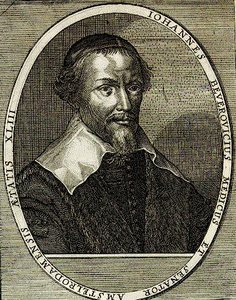
johan van beverwijck
1594 - 1647 , Netherlands
Γρήγορα στοιχεία
- Artistic Movement Or Style: Venetian School, Mannerist, Tenebrism
- Artists Or Movements Influenced By This Artist:
- Rubens
- Velázquez
- Bernini
- Rembrandt
- Artists Who Influenced This Artist:
- Titian
- Michelangelo
- Date Of Birth: September 1518, Venice
- Date Of Death: May 31, 1647, Venice
- Full Name: Jacopo Robusti Tintoretto
- Nationality: Venetian
- Notable Artworks:
- Sacrifice of Isaac
- The Last Supper
- Assumption of the Virgin
- Place Of Birth: Venice, Republic of Venice
Σχετικά άρθρα

Golden Light & Dutch Skies: The Timeless Magic of Dutch Golden Age Landscapes
Discover the breathtaking beauty of Dutch Golden Age landscapes. Explore the mastery of light, chiaroscuro, and 17th-century realism through an expert art history lens, celebrating the enduring legacy of the Dutch Masters for discerning collectors and art lovers.
Masterpieces of the Dutch Golden Age: How a Global Market Revolutionized Art History
Explore the profound impact of the Dutch Golden Age. Discover how a global trade revolution transformed art history through breathtaking realism, masterful light, and the elevation of everyday life into timeless masterpieces for the modern collector.

Ρέμπραντ: Τα 25 Κορυφαία Έργα Τέχνης για Διακόσμηση με Στυλ | OriginalUniqueArt.gr
Ανακαλύψτε τα 25 κορυφαία έργα τέχνης του Ρέμπραντ! Εξερευνήστε την ιστορία, τις τεχνικές και το συναίσθημα πίσω από πίνακες όπως η Νυχτερινή Περιπολία & Ο Επιστρέφοντας Προδιγόνος. Βρείτε αναπαραγωγές υψηλής ποιότητας για διακόσμηση στο OriginalUniqueArt.gr

Masterpieces of Light: A Definitive Guide to the Landscapes of the Dutch Golden Age
Discover the luminous mastery of Dutch Golden Age landscapes. Our expert guide explores the atmospheric realism of masters like Van Goyen and Cuyp. Elevate your space with museum-quality, hand-painted oil reproductions from OriginalUniqueArt.com. Art history, beautifully realized.

Οι 10 Κορυφαίοι Δασκάλοι της Ολλανδικής Χρυσής Εποχής & τα Έργα τους | OriginalUniqueArt.gr
Ανακαλύψτε τα 10 αριστουργήματα της Ολλανδικής Χρυσής Εποχής! Rembrandt, Vermeer & άλλοι δάσκαλοι ζωντανεύουν. Ιστορία τέχνης, τεχνικές ζωγραφικής και έμπνευση για διακόσμηση σπιτιού. Explore the full collection on OriginalUniqueArt.com