

 Δείτε σε πραγματικό χώρο
 Αποστολή
 Κοινοποίηση
 Λεπτομέρειες

 Λήψη
Λήψη
 Παρόμοια αντικείμενα συλλογής
 Ακτινογραφία
 Παρουσίαση
Gabriel Manigault
 Acrylic On Canvas
- WallArt
- Rococo Style
 1757
1757 76.0 x 62.0 cm
 Μητροπολιτικό Μουσείο Τέχνης
 Διαβάστε περισσότερα
Χειροποίητη Αναπαραγωγή σε Έλαιο
Χειροποίητη oil painting σε καμβά στο δικό σας μέγεθος και πλαίσιο, κατά παραγγελία από τους καλλιτέχνες μας. ( Αγορά εκτύπωσης Αγορά ψηφιακής εικόνας)




































Επιλέξτε από τις προκαθορισμένες διαστάσεις μας που διατηρούν τις αρχικές αναλογίες του έργου τέχνης.

Μπορείτε να ορίσετε δικές σας διαστάσεις ώστε το έργο να ταιριάζει σε ένα συγκεκριμένο πλαίσιο ή χώρο. Εάν το επιλεγμένο μέγεθος δεν συμπίπτει με τις αναλογίες της αρχικής εικόνας, θα περικοψούμε το έργο ή θα επεκτείνουμε τη ζωγραφιά με πρόσθετα χειρόγραφα στοιχεία. Ένα ψηφιακό προσχέδιο θα σας αποσταλεί για έγκριση πριν την έναρξη της παραγωγής.
Παρακαλούμε σημειώστε ότι η προεπισκόπηση στην οθόνη δεν αντικατοπτρίζει την πραγματική περικοπή ή επέκταση. Μόνο το προσχέδιο θα δείξει με ακρίβεια την τελική σύνθεση.
Παρόλο που είναι διαθέσιμα προσαρμοσμένα μεγέθη, συνιστούμε να επιλέξετε μια διάσταση από τη λίστα των προκαθορισμένων μεγεθών για τη διατήρηση των αρχικών αναλογιών.
Μετά την παραγγελία, η ομάδα του OriginalUniqueArt.com θα στείλει email στον πελάτη με οδηγίες και θα παρέχει μια προεπισκόπηση προσχεδίου
Παγκόσμια Αποστολή () σε 3-4 εβδομάδες αντί για τις συνήθεις 5 εβδομάδες. (15 Αύγουστος). Χωρίς συμβιβασμούς στην ποιότητα.

Δωρεάν γρήγορη διεθνής αποστολή

Κάμβας από Λινό Υψηλής Ποιότητας

Πλήρης ασφάλιση μεταφοράς

Εγγύηση Επιστροφής Δασμών και Φόρων

Εγγύηση Απόλυτης Ομοιότητας Χρωμάτων

Πολιτική Επιστροφής 60 Ημερών (Μόνο σε περίπτωση ελαττωμάτων)

Εγγύηση επιστροφής 100% των χρημάτων

Προσφορά για μαζικές παραγγελίες
 Η επιλογή με γυαλί είναι διαθέσιμη μόνο για μεγέθη κάτω από 110 εκ.

Gabriel Manigault
Μέσο Αναπαραγωγής
Διαστάσεις Αναπαραγωγής
-


Συνολική Τιμή
$ 300
Περιγραφή Έργου
A Window Into Colonial Privilege: Jeremiah Theus’ Portrait of Gabriel Manigault
The Charleston studio of Jeremiah Theus (1716 – 1774) pulsed with the energy of the Rococo era, a period characterized by opulent ornamentation and an embrace of aristocratic grandeur. Amidst this artistic fervor, Theus produced a remarkable series of portraits documenting the lives of South Carolina’s wealthiest families—among them, the Manigault clan, whose patriarch and matriarch are immortalized in “Gabriel Manigault,” a painting measuring 76 x 62 cm created in 1757. This artwork transcends mere representation; it serves as a tangible testament to the social dynamics and material realities of colonial America.The Painter’s Vision: Rococo Style and Technique
Theus' artistic approach exemplifies the hallmarks of Rococo, prioritizing delicate brushstrokes, pastel hues, and asymmetrical compositions—elements designed to evoke beauty and refinement. Unlike the solemn formality of Neoclassical art that dominated Europe at the time, Rococo favored playful elegance and sensual indulgence. The meticulous layering of glazes achieved by Theus lends a luminous quality to the canvas, capturing not only Gabriel Manigault’s likeness but also an aura of aristocratic composure. Notice particularly how he skillfully renders the texture of Manigault's wig—a deliberate gesture reflecting the status symbol prevalent within Charleston society.A Legacy Shaped by Slavery and Rebellion
“Gabriel Manigault” is inextricably linked to the complex history of colonial South Carolina, specifically its reliance on enslaved labor. Gabriel Manigault’s fortune stemmed from rice plantations overseen by hundreds of individuals held captive—a stark reminder of the moral contradictions inherent in the era's prosperity. The painting itself bears witness to this reality through subtle visual cues: the inclusion of two figures flanking Manigault subtly underscores the familial bonds that underpinned the plantation system. However, recent scholarship has unearthed a more provocative interpretation – suggesting that the deliberate defacement of the canvas following the Civil War wasn’t merely vandalism but an act of iconoclasm fueled by formerly enslaved residents seeking to challenge the legacy of oppression. This reimagining elevates “Gabriel Manigault” beyond a portrait of wealth and privilege, transforming it into a symbol of resistance against entrenched social hierarchies.Symbolism Beyond Appearance: The Portrait as Document
The artist’s careful attention to detail extends far beyond capturing physical likeness. Jeremiah Theus employed symbolism to convey deeper meanings about his subjects—and by extension, the Manigault family's position within Charleston society. The pose of Gabriel Manigault—seated with a dignified gaze—communicates authority and stability. Furthermore, the inclusion of two additional figures represents familial connections and reinforces the importance of lineage in upholding social status. These elements contribute to an overall impression of cultivated refinement and reinforce the painting’s role as a historical document capturing a pivotal moment in American aristocratic history.Emotional Resonance: Capturing Essence Through Light
Ultimately, “Gabriel Manigault” succeeds in conveying an emotional resonance that transcends its formal conventions. The soft lighting employed by Theus imbues the portrait with warmth and tranquility—creating an atmosphere of contemplative serenity. This deliberate artistic choice invites viewers to contemplate not only Gabriel Manigault’s appearance but also his inner character—a feat accomplished through masterful technique and a profound understanding of human psychology. It remains a captivating piece, offering insight into both the aesthetic sensibilities of its time and the enduring power of art to illuminate historical narratives.Βιογραφία Καλλιτέχνη
Jeremiah Theus: A Charleston Pioneer of Portraiture
Jeremiah Theus (1716 – 1774) stands as a singular figure in the artistic landscape of colonial South Carolina, recognized primarily for his masterful portraits that captured the essence of Charleston society during its golden age. Born in Chur, Switzerland—a bastion of Huguenot heritage—Theus’s journey to America represents not merely geographical relocation but an embrace of intellectual and stylistic innovation, shaping the visual culture of a burgeoning nation.- Early Life & Training: Little is known definitively about Theus's formative years beyond his birth in Switzerland. However, circumstantial evidence suggests he received considerable artistic training—likely honed through familial connections to Huguenot art circles—preparing him for a career dedicated to visual representation.
- Immigration & Charleston Establishment: Driven by religious persecution and propelled by the promise of land grants from the South Carolina Assembly, Theus arrived in Charleston around 1735 alongside his family. Recognizing the dearth of skilled portraitists in the city, he swiftly established himself as a prominent artist, capitalizing on both patronage and burgeoning commercial interests.
A Style Defined by English Influence
Theus’s artistic style is characterized by an astute assimilation of prevailing trends from England—specifically Rococo art. Unlike many artists of his time who slavishly imitated Italian models, Theus consciously adopted stylistic elements favored by the British aristocracy, mirroring their penchant for elaborate ornamentation and idealized depictions of beauty. This influence manifests prominently in his portraits: figures are posed with graceful postures, draperies swirl with delicate folds, and backgrounds incorporate pastel hues—creating an atmosphere of refined elegance.- Notable Commissions & Patronage: Theus’s success stemmed largely from securing commissions from wealthy Charleston families—the Elliots, Grimball, Heyward, Izard, Manigault—who valued his ability to convey status and prestige. His portraits of these prominent figures cemented his reputation as the city's foremost artist.
- Technique & Materials: Theus employed oil paints on canvas, utilizing meticulous layering techniques to achieve luminous effects and subtle gradations of color. He skillfully incorporated mezzotint prints—derived from English engravings—into his compositions, further enhancing their visual impact and demonstrating a commitment to stylistic sophistication.
Major Achievements & Legacy
Jeremiah Theus’s contribution to Charleston's artistic heritage extends beyond mere portraiture. He served as the artist for St. Michael’s Episcopal Church, overseeing the creation of its steeple and weather vane—symbols of civic pride and religious devotion. Furthermore, he actively participated in the city’s cultural life, fostering an environment conducive to artistic experimentation and establishing a drawing school that nurtured aspiring artists.- Iconic Portraits: Among Theus's most celebrated works are his portraits of Barnard Elliott Jr. and his wife—considered masterpieces of Rococo style—and Mrs. Peter Manigault, which exemplify the artist’s ability to capture both physical likeness and psychological nuance. These paintings remain treasured artifacts of Charleston’s history.
- Influence on Subsequent Artists: Theus's stylistic choices profoundly impacted subsequent generations of Charleston artists, shaping the aesthetic sensibilities of the era. His embrace of English influences served as a catalyst for artistic innovation—establishing him as a pivotal figure in American art history.
Concluding Reflections
Jeremiah Theus’s life and work encapsulate the spirit of colonial Charleston—a city striving to forge its identity amidst European traditions. His unwavering dedication to his craft, coupled with his astute stylistic awareness, ensured that he would be remembered as a true pioneer—leaving an indelible mark on the visual culture of America.
Ιερώνυμος Θηός
1716 - 1774 , Ελβετία
Γρήγορα στοιχεία
- Artistic Movement Or Style: Ροκακό
- Artists Or Movements Influenced By This Artist: ['Ελληνική τέχνη μεζότου']
- Artists Who Influenced This Artist: ['Αλάν Ραμσαι']
- Date Of Birth: Απρίλιος 5, 1716
- Date Of Death: Μάϊος 17, 1774
- Full Name: Jeremiah Theüs
- Nationality: Ελβετικός
- Notable Artworks:
- Πορτρέτα της οικογένειας Μανιγκουάτ
- Πορτρέτα του Βαρνάμπ Λιούιντ
- Place Of Birth: Χούρ, Ελβετία
Σχετικά άρθρα

Top 10 αριστουργήματα Ροκοκό που καθόρισαν την τέχνη & διακόσμηση σπιτιού
Ανακαλύψτε τα 10 κορυφαία αριστουργήματα Ροκοκό! Μάθετε για τους Φραγκίσκο Μπουσέ, Ζαν-Ονορέ Φραγκονάρ & την τέχνη του 18ου αιώνα. Βρείτε πίνακες και διακοσμητικές ιδέες στο OriginalUniqueArt.com.

The Rococo Aesthetic: Opulence, Rebellion & the Pursuit of Pleasure in 18th-Century Art
Explore the opulent world of Rococo art! Discover its origins, key artists like Watteau & Boucher, and lasting influence on design. Expert insights for collectors & enthusiasts.
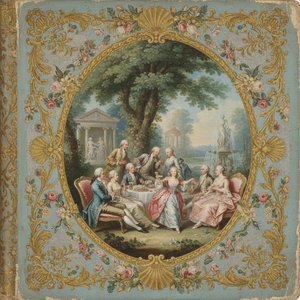
The Rococo Style: Aristocratic Leisure & the Pursuit of Delight in 18th-Century Art
Explore the opulent world of Rococo art! Discover Watteau, Boucher & Nattier's masterpieces. Expert insights for collectors seeking museum-quality reproductions and custom portraits at OriginalUniqueArt.

The Allure of Elegance in Art: A Historical & Aesthetic Exploration of Refinement & Grace
Explore the exquisite world of Rococo art! Discover its history, masters (Watteau, Boucher & more), and defining elegance. Expert insights for collectors seeking museum-quality reproductions & custom portraits.

Reflections of Power: Aristocratic Life in Western Art & the Rococo Era
Explore the captivating world of aristocratic life through Western art history. Discover Rococo masterpieces & portraits of European nobility. Expert insights for collectors and enthusiasts.


