
 Δείτε σε πραγματικό χώρο
 Αποστολή
 Κοινοποίηση
 Λεπτομέρειες

 Λήψη
Λήψη
 Παρόμοια αντικείμενα συλλογής
 Ακτινογραφία
 Παρουσίαση
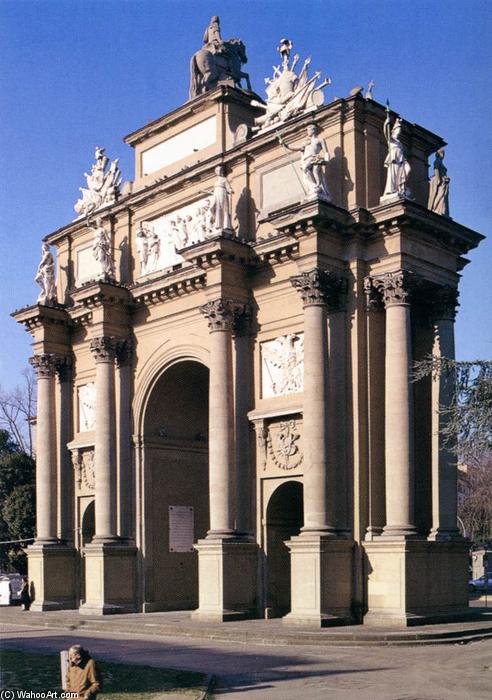
Triumphal Arch


 Διαβάστε περισσότερα
Χειροποίητη Αναπαραγωγή σε Έλαιο
Χειροποίητη oil painting σε καμβά στο δικό σας μέγεθος και πλαίσιο, κατά παραγγελία από τους καλλιτέχνες μας. ( Αγορά εκτύπωσης Αγορά ψηφιακής εικόνας)




































Επιλέξτε από τις προκαθορισμένες διαστάσεις μας που διατηρούν τις αρχικές αναλογίες του έργου τέχνης.

Μπορείτε να ορίσετε δικές σας διαστάσεις ώστε το έργο να ταιριάζει σε ένα συγκεκριμένο πλαίσιο ή χώρο. Εάν το επιλεγμένο μέγεθος δεν συμπίπτει με τις αναλογίες της αρχικής εικόνας, θα περικοψούμε το έργο ή θα επεκτείνουμε τη ζωγραφιά με πρόσθετα χειρόγραφα στοιχεία. Ένα ψηφιακό προσχέδιο θα σας αποσταλεί για έγκριση πριν την έναρξη της παραγωγής.
Παρακαλούμε σημειώστε ότι η προεπισκόπηση στην οθόνη δεν αντικατοπτρίζει την πραγματική περικοπή ή επέκταση. Μόνο το προσχέδιο θα δείξει με ακρίβεια την τελική σύνθεση.
Παρόλο που είναι διαθέσιμα προσαρμοσμένα μεγέθη, συνιστούμε να επιλέξετε μια διάσταση από τη λίστα των προκαθορισμένων μεγεθών για τη διατήρηση των αρχικών αναλογιών.
Μετά την παραγγελία, η ομάδα του OriginalUniqueArt.com θα στείλει email στον πελάτη με οδηγίες και θα παρέχει μια προεπισκόπηση προσχεδίου
Παγκόσμια Αποστολή () σε 3-4 εβδομάδες αντί για τις συνήθεις 5 εβδομάδες. (15 Αύγουστος). Χωρίς συμβιβασμούς στην ποιότητα.

Δωρεάν γρήγορη διεθνής αποστολή

Κάμβας από Λινό Υψηλής Ποιότητας

Πλήρης ασφάλιση μεταφοράς

Εγγύηση Επιστροφής Δασμών και Φόρων

Εγγύηση Απόλυτης Ομοιότητας Χρωμάτων

Πολιτική Επιστροφής 60 Ημερών (Μόνο σε περίπτωση ελαττωμάτων)

Εγγύηση επιστροφής 100% των χρημάτων

Προσφορά για μαζικές παραγγελίες
 Η επιλογή με γυαλί είναι διαθέσιμη μόνο για μεγέθη κάτω από 110 εκ.

Triumphal Arch
Μέσο Αναπαραγωγής
Διαστάσεις Αναπαραγωγής
-


Συνολική Τιμή
$ 300
Περιγραφή Έργου
A Monumental Vision: Jean-Nicolas Jadot's "Triumphal Arch"
Step into a world of 18th-century grandeur with this captivating photographic reproduction of Jean-Nicolas Jadot’s “Triumphal Arch.” This remarkable work, dating back to 1739, offers a glimpse into the architectural splendor and symbolic power of neoclassical design. The image captures a monumental stone archway, likely a historic gate or entrance, set against a clear blue sky – a testament to Jadot's skill in translating imperial ambition into enduring form.
Architectural Style & Historical Context
- Style: Neoclassical - Drawing inspiration from the architectural principles of ancient Greece and Rome, this archway embodies symmetry, order, and a sense of timeless elegance.
- Historical Significance: Commissioned in 1739 to welcome the arrival of Francis Stephen, Duke of Lorraine, to Florence, the arch served as a powerful symbol of Habsburg-Lorraine dynasty’s authority. It marked a significant moment in Florentine history and reflects the era's fascination with classical ideals. The arch also witnessed the departure of Leopold II in 1859, adding layers of historical narrative to its presence.
- Architect: Jean-Nicolas Jadot (1710-1761), an Alsatian architect known for his contributions to Florentine architecture during this period. While details about his life remain scarce, this arch stands as a testament to his talent and vision.
Symbolism & Artistic Technique
- Architectural Elements: The arch itself is laden with symbolism. Triumphal arches traditionally celebrated military victories or honored important figures, representing power, authority, and imperial glory. The columns, statues, and intricate reliefs further enhance this sense of grandeur.
- Photographic Technique: Captured in daylight using a medium format camera, the photograph meticulously details the arch's texture and sculpted elements. The use of linear perspective draws the viewer’s eye towards the apex, while atmospheric perspective creates depth and emphasizes the scale of the structure.
- Materials & Color Palette: Constructed primarily from stone (likely sandstone or limestone) with possible marble accents for the sculptures, the arch's warm earth tones – beige, tan, and ochre – evoke a sense of solidity and permanence. The weathered texture speaks to its age and exposure to the elements, adding character and authenticity.
Emotional Impact & Decorative Appeal
“Triumphal Arch” evokes feelings of history, grandeur, and perhaps a touch of solemnity. Its imposing presence commands attention, while the intricate details invite closer inspection. This reproduction is ideal for:
- Interior Design: A striking focal point in hallways, living rooms, or studies, adding a touch of classical elegance to any space.
- Art Collectors: A unique and historically significant piece that reflects the artistic trends of the 18th century.
- Art Enthusiasts: An opportunity to appreciate the architectural beauty and symbolic power of neoclassical design.
Bring home a piece of history with this stunning reproduction, and let the grandeur of Jean-Nicolas Jadot’s “Triumphal Arch” transform your space.
Βιογραφία Καλλιτέχνη
Jean Nicolas Jadot: A Symbolist Visionary Shaping Viennese Baroque
Jean Nicolas Jadot (1710-1761), born in Luneville, Lorraine, was a pivotal figure in the burgeoning Baroque movement of his time and a pioneer of Austrian Symbolism. Trained under Germain Boffrand, arguably the most influential architect of Louis XV’s reign, Jadot quickly established himself as a prodigious talent, earning commissions that would solidify his reputation as one of the era's foremost builders and decorators. His career unfolded against the backdrop of Habsburg patronage and intellectual ferment, propelling him to prominence in Vienna where he became court architect for Francis Stephen Duke of Lorraine and Maria Theresa Queen of Austria.- Early Life & Training: Jadot’s formative years were spent absorbing the stylistic precepts of Boffrand, whose mastery of classical forms and ornamentation profoundly impacted Jadot's artistic sensibilities. This grounding in traditional architectural principles would later inform his innovative approach to incorporating Symbolist aesthetics into monumental projects.
- Vienna & Patronage: Jadot’s arrival in Vienna marked a turning point, securing him royal commissions that allowed him to realize ambitious visions of grandeur and elegance. His collaborations with artists like Pietro da Cortona—renowned for his frescoes at St Peter's Basilica—demonstrated the cosmopolitan spirit of Habsburg Vienna and fostered artistic exchange.
- Architectural Achievements: Jadot’s legacy rests primarily on his architectural endeavors, notably the Paradeisgartl (Vienna Gardens), a sprawling baroque complex designed to showcase imperial splendor. His meticulous attention to detail and masterful execution elevated Viennese Baroque architecture to new heights of sophistication. Equally impressive were his contributions to the Old Burgtheater and the Leopoldinischer Trakt—spaces that continue to inspire awe and admiration.
Symbolist Influences & Artistic Style
Despite his adherence to classical architectural traditions, Jadot embraced Symbolist principles, evident in his incorporation of dreamlike imagery and evocative color palettes into his decorative schemes. This stylistic fusion—classical structure combined with Symbolist expressive power—represented a daring departure from prevailing artistic conventions. His paintings, particularly portraits imbued with psychological depth and subtle tonal gradations, exemplify the Symbolist preoccupation with capturing inner states and conveying emotional resonance. The Musée National Jean Jacques Henner, established in Paris in 1765, houses over 130 of Jadot’s paintings—a testament to his enduring artistic legacy.- Palette & Technique: Jadot's palette favored muted hues and delicate gradations—techniques honed by Boffrand—that prioritized atmosphere and emotional impact. He skillfully employed sfumato, a blurring technique perfected by Leonardo da Vinci, to soften contours and create an ethereal quality in his portraits.
- Portraiture & Psychological Depth: Jadot’s portrait commissions were distinguished by their profound psychological insight. Rather than merely depicting likenesses, he sought to convey the sitter's inner character—a hallmark of Symbolist artistic practice.
Legacy & Historical Significance
Jean Nicolas Jadot stands as a pivotal figure in bridging the gap between Baroque grandeur and Symbolist introspection. His architectural achievements shaped Vienna’s cultural landscape, while his paintings continue to captivate viewers with their evocative beauty and psychological complexity. He represents an exemplar of artistic innovation within a period defined by intellectual curiosity and stylistic experimentation—a testament to the enduring power of imagination and craftsmanship.- Influence on Viennese Baroque: Jadot’s designs profoundly impacted Vienna's architectural aesthetic, establishing standards for elegance and grandeur that persisted throughout the eighteenth century.
- The Musée National Jean Jacques Henner Collection: The Musée National Jean Jacques Henner houses an unparalleled collection of Jadot’s paintings—a cornerstone of Symbolist art history.
Further Exploration
For a deeper understanding of Jadot's artistic vision, consult scholarly articles exploring his stylistic innovations and the broader context of Habsburg patronage. Consider visiting Saint Nicolas du Chardonnet in Paris to experience firsthand the Baroque splendor he championed—a tangible reminder of his enduring contribution to European art history.
jean nicolas jadot
1710 - 1761 , France
Γρήγορα στοιχεία
- Artistic Movement Or Style: Symbolism
- Artists Or Movements Influenced By This Artist: ['Nicolas Poussin']
- Artists Who Influenced This Artist: ['Germain Boffrand']
- Date Of Birth: January 22, 1710
- Date Of Death: June 1, 1761
- Full Name: Jean Nicolas Jadot de Ville Issey
- Nationality: French
- Notable Artworks:
- Triumphal Arch
- Mariemont
- Place Of Birth: Luneville, France
Σχετικά άρθρα
Οι 10 Κορυφαίοι Νεοκλασικοί πίνακες που καθόρισαν την τέχνη & διακοσμούν το σπίτι σας
Ανακαλύψτε τους 10 κορυφαίους πίνακες Νεοκλασικισμού από David, Ingres & άλλους. Ιστορίες τέχνης, τεχνικές και έμπνευση για διακόσμηση σπιτιού. Βρείτε αναπαραγωγές υψηλής ποιότητας στο OriginalUniqueArt.com!

Neoclassical Portraiture: The Timeless Elegance of Order, Grace, and Academic Mastery
Explore the refined world of Neoclassical portraiture. Discover the mastery of line, light, and order through an expert exploration of academic art history, from Jacques-Louis David to Jean-Antoine Houdon. Immerse yourself in the timeless elegance of classical realism.
Neoclassical Portraiture: A Procurement Guide to Timeless Elegance for Luxury Hotel Interiors
A professional procurement guide for hotel designers sourcing Neoclassical portraiture. Discover how to integrate timeless elegance into luxury interiors with high-volume, hand-painted oil reproductions, custom sizing, and reliable global logistics for large-scale hospitality projects.
Timeless Elegance: The Grace, Order, and Intellectual Majesty of Neoclassical Portraiture
Explore the profound beauty of Neoclassical portraiture. Discover how masters used order, grace, and antiquity to transform portraits into timeless monuments of virtue and character through academic excellence.

Neoclassical Art: The Timeless Elegance of Order, Virtue, and Classical Grace
Explore the profound elegance of Neoclassical art. Discover the principles of order, symmetry, and virtue through the works of masters like David and Mengs. Immerse yourself in a journey of classical grace and timeless aesthetic perfection.

