
 Προεπισκόπηση
 Αποστολή
 Κοινοποίηση
 Λεπτομέρειες
 Οδηγός

 Λήψη
Λήψη
 Παρόμοια αντικείμενα συλλογής
 Ακτινογραφία
 Παρουσίαση
 Στατιστικά
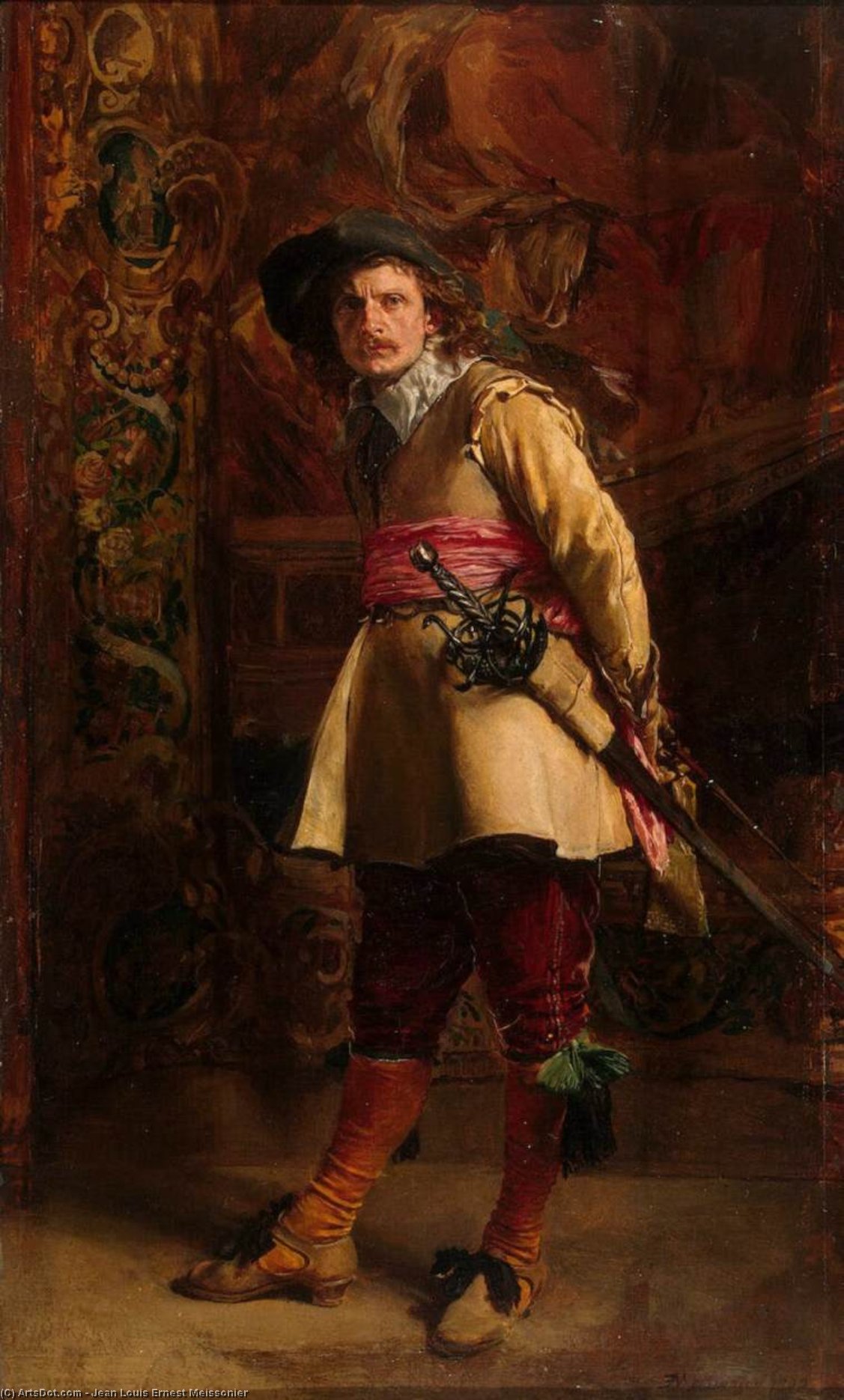
Musketeer
 Acrylic On Canvas
- WallArt
- Contemporary Realism
 1870
1870 25.0 x 15.0 cm
 Ερμιτάζ
 Περισσότερα λεπτομέρεια
Giclée / Εκτυπώσεις Τέχνης
Εκτύπωση giclée ή σε καμβά ποιότητας μουσείου με γρήγορη παραγωγή και ευέλικτες επιλογές φινιρίσματος. ( Αγορά χειροποίητου πίνακα Μετάβαση σε Ψηφιακή Εικόνα)




P118B $10

P118H $10

P118W $10

P438Z $10

P508JH $12

P508YH $12

P805H $10

P805Z $10

P919BZ $10

P919G $10

P919XJ $10

P959ZH $10

P968JZ $12

W106C $8

W218G $10

W218JH $8

W218Y $10

W307PJ $10

W316G $10

W316PJ $8

W316Y $10

W398PJ $8

W4111J $10

W500HY $15

W500JH $15

W692G $12

W849H $8

W940BG $15

W953PJ $8




Επιλέξτε από τις προκαθορισμένες διαστάσεις μας που διατηρούν τις αρχικές αναλογίες του έργου τέχνης.

Μπορείτε να εισαγάγετε δικές σας διαστάσεις ώστε να ταιριάξουν με ένα συγκεκριμένο πλαίσιο ή χώρο. Εάν το επιλεγμένο μέγεθος δεν συμπίπτει με τις αναλογίες της πρωτότυπης εικόνας, θα κόψουμε το έργο τέχνης ή θα επεκτείνουμε την εικόνα με καθρεφτισμένη ή μονόχρωμη ατέλεια. Θα σας αποσταλεί ένα ψηφιακό mockup για έγκρισή σας πριν από την έναρξη της παραγωγής.
Παρακαλούμε σημειώστε ότι η προεπισκόπηση στην οθόνη δεν αντικατοπτρίζει την πραγματική κοπή ή επέκταση. Μόνο το mockup θα δείξει με ακρίβεια την τελική σύνθεση.
Παρόλο που είναι διαθέσιμες προσαρμοσμένες διαστάσεις, προτείνουμε την επιλογή μιας διάστασης από τη προκαθορισμένη λίστα για τη διατήρηση των αρχικών αναλογιών.
Παγκόσμια Αποστολή () σε 2 εβδομάδες αντί για τις συνήθεις 4/5 εβδομάδες. (27 Σεπτέμβριος)

Δωρεάν γρήγορη διεθνής αποστολή

Κάμβας από Λινό Υψηλής Ποιότητας

Πλήρης ασφάλιση μεταφοράς

Εγγύηση επιστροφής δασμών και φόρων εισαγωγής

Εγγύηση Απόλυτης Ομοιότητας Χρωμάτων

Πολιτική Επιστροφής 100 Ημερών (Μόνο σε περίπτωση ελαττωμάτων)

Εγγύηση επιστροφής 100% των χρημάτων

Έκπτωση για πολλαπλές παραγγελίες
 Η επιλογή με γυαλί είναι διαθέσιμη μόνο για μεγέθη κάτω από 110 εκ.

Musketeer
Giclée / Εκτυπώσεις Τέχνης
Διαστάσεις Αναπαραγωγής
-


Συνολικό Κόστος
$ 80
A Portrait of Power: Jean-Louis Ernest Meissonier’s Musketeer
Jean-Louis Ernest Meissonier (1815 – 1891), a luminary of French Romantic painting, stands apart as an artist singularly devoted to meticulous realism and the dramatic portrayal of historical narratives. His oeuvre is characterized by an unwavering commitment to capturing fleeting moments with breathtaking precision—a dedication that cemented his reputation as one of France’s most successful and respected painters during his lifetime. Unlike many of his contemporaries who embraced Impressionism's ephemeral beauty, Meissonier relentlessly pursued a style rooted in the academic tradition, meticulously reconstructing scenes from bygone eras with painstaking detail. This unwavering focus on accuracy wasn’t merely stylistic choice; it was driven by an intellectual conviction that art could illuminate the past and convey its significance to future generations.- Subject Matter: Meissonier's canvases frequently depict pivotal episodes of French history, particularly those concerning Louis XIII and his court. “A Musketeer,” showcased here, exemplifies this penchant for dramatic storytelling, presenting a portrait of a gentleman in costume—likely from the reign—engaged in an activity that speaks volumes about the social dynamics of the period.
- Style & Technique: Meissonier’s technique is undeniably laborious and demanding. He employed a method known as “plein air” – working outdoors – to achieve unparalleled realism, painstakingly layering pigments onto canvas with brushes and knives to recreate textures and nuances that would deceive the eye. The artist's mastery of chiaroscuro—the dramatic interplay between light and shadow—further enhances the scene’s impact, emphasizing form and conveying a palpable sense of atmosphere.
Historical Context: Louis XIII and the Shadow of Intrigue
The painting captures a moment within the turbulent reign of Louis XIII (1643–1715), a period marked by political instability, religious conflict, and simmering conspiracies. Meissonier’s depiction reflects the anxieties of the time—the pervasive fear of assassination attempts and the constant vigilance required to maintain royal authority. The inclusion of two figures in the background subtly underscores this atmosphere of suspicion and reinforces the narrative's dramatic tension.
Symbolism & Artistic Influences
Meissonier’s artistic sensibilities were profoundly shaped by his admiration for Dutch masters like Gabriel Metsu and Gerard Douw, artists who championed intimate portraits imbued with psychological depth. These influences are evident in the careful observation of facial expressions and body posture—elements that convey character and emotion with remarkable subtlety. Furthermore, Meissonier's meticulous attention to detail aligns with the broader artistic currents of his era, where accuracy and realism were prized above stylistic experimentation.
Emotional Impact & Legacy
“A Musketeer” transcends mere visual representation; it evokes a powerful emotional response in the viewer. The artist’s masterful use of light and shadow creates an immersive experience, transporting us back to 17th-century France. More than just a historical record, Meissonier's work speaks to universal themes of power, honor, and vulnerability—qualities that continue to resonate with audiences today. It stands as a testament to the enduring legacy of academic realism and its ability to capture the essence of human experience.
Βιογραφικό Καλλιτέχνη
Jean-Louis Ernest Meissonier: The Architect of Detail
Jean-Louis Ernest Meissonier (Γιάννης Λουΐς Έρνεστ Μεσονιέρας), born Lyon, France in 1815, stands as a singular figure within the landscape of French Romantic painting—a master craftsman whose unwavering dedication to meticulous observation and painstaking execution cemented his place among the most celebrated artists of his era. Unlike many contemporaries preoccupied with capturing fleeting impressions or exploring emotional landscapes, Meissonier pursued an entirely different path: reconstructing historical scenes with astonishing accuracy, transforming canvases into immersive dioramas that transported viewers back in time. His legacy resides not merely in the beauty of his compositions but in the revolutionary technique he pioneered—a method that continues to inspire artists today.- Early Influences and Training:
- The Pursuit of Precision: Meissonier's Technique
- Genre Scenes and Historical Narratives
- Napoleon and the Siege of Paris
- A Lasting Impression: Meissonier’s Influence on Subsequent Artists
Early Influences and Training
Meissonier's artistic journey began modestly, nurtured by a familial inclination toward commerce—his father was the proprietor of a dye factory—that initially steered him towards a career in business. However, from his formative years, he possessed an undeniable passion for painting, evidenced by early sketches that foreshadowed his future mastery. Recognizing this innate talent, Meissonier sought guidance from Jules Potier and subsequently enrolled in Léon Cogniet’s studio, absorbing the principles of academic art—a tradition deeply rooted in classical ideals of beauty and proportion. Crucially, he turned to the Dutch masters at the Louvre as his primary inspiration, immersing himself in the works of Gabriel Metsu and Gerard Dou. These painters championed a style characterized by subdued palettes, soft lighting, and an unparalleled attention to detail—a stylistic ethos that profoundly shaped Meissonier’s developing artistic vision. The meticulous study of these artists instilled within him a conviction that true art demanded not merely aesthetic appeal but also exhaustive research into subject matter and historical context.The Pursuit of Precision: Meissonier's Technique
What truly distinguished Meissonier from his peers was his revolutionary technique—a method that would become synonymous with “manual dexterity” and “eye for fascinating minutiae,” as lauded by John Ruskin. Rejecting the Impressionist preoccupation with capturing fleeting sensations, Meissonier embarked on an arduous process of reconstructing historical scenes with breathtaking realism. He undertook exhaustive research into costumes, weaponry, architectural details, and even atmospheric conditions—transforming his studio into a microcosm of the past. This dedication extended beyond mere visual observation; he painstakingly analyzed human anatomy and movement to depict figures convincingly in battle scenes. Furthermore, Meissonier employed a layering technique that involved applying numerous thin glazes over underdrawings—a practice unheard of at the time—to achieve an astonishing level of tonal gradation and textural complexity. The result was canvases imbued with an unparalleled sense of depth and atmosphere—works that captivated audiences and established Meissonier’s reputation as a titan among painters.Genre Scenes and Historical Narratives
Meissonier's artistic breakthrough arrived in 1834 with *Les Bourgeois Flamands*, exhibited at the Salon, where he immediately demonstrated his singular talent—a capacity for recreating scenes of everyday life or historical vignettes with astonishing precision. Unlike many artists of his time who favored grand narratives and heroic figures, Meissonier focused on portraying intimate moments of bourgeois existence—domestic interiors populated by meticulously rendered characters—capturing subtle expressions of emotion and social interaction. Simultaneously, he embraced monumental historical subjects—particularly Napoleonic battles—transforming canvases into immersive dioramas that transported viewers back to pivotal moments in European history. His meticulous attention to detail extended beyond mere visual representation; he recreated entire environments with painstaking accuracy, capturing textures, light, and atmosphere with breathtaking fidelity.Napoleon and the Siege of Paris
Meissonier’s artistic ambition culminated in *Napoleon III at Solferino* (1863) and *Campaign of France, 1814*(1864)—two canvases that cemented his legacy as one of France's greatest painters. These monumental works exemplify Meissonier’s mastery of composition and narrative—a feat achieved through exhaustive research into military history and a relentless pursuit of visual realism. He meticulously recreated the battlefield environment, capturing the heat, dust, and chaos of combat with astonishing accuracy. Moreover, he employed innovative techniques to convey the psychological impact of warfare—depicting soldiers' expressions of fear, determination, and camaraderie with profound empathy. *Le Siège de Paris 1870–1871*, completed shortly before his death in 1891, represents Meissonier’s final artistic statement—a harrowing depiction of the siege of Paris during the Franco-Prussian War that underscored his unwavering commitment to portraying historical events with unflinching honesty.A Lasting Impression: Meissonier’s Influence on Subsequent Artists
Jean-Louis Ernest Meissonier's technique—characterized by painstaking detail, meticulous observation, and a layering approach—became an indelible mark on the artistic landscape of the late nineteenth century. His influence extended beyond his immediate contemporaries, inspiring generations of painters who sought to emulate his mastery of fine art. Museums worldwide proudly display his works—a testament to the enduring power of patience, precision, and artistic vision—ensuring that Meissonier’s legacy continues as a beacon for artists striving to achieve unparalleled realism and emotional depth.
Ζαν Λουί Ερνέστ Μεσονιέρ
1815 - 1891 , Γαλλία
Στοιχεία καλλιτέχνη
- Artistic Movement Or Style: Ακαδημαϊκή τέχνη
- Artists Or Movements Influenced By This Artist: ['Αλέξανδρος Ντε Μπερρυ']
- Artists Who Influenced This Artist:
- Γεράρδος Ντουβ
- Λέον Κογκνιέ
- Date Of Birth: Λυώνης 21 Φεβρουαρίου 1815
- Date Of Death: Παρίσι 31 Ιανουαρίου 1891
- Full Name: Jean-Louis Ernest Meissonier
- Nationality: Γάλλος
- Notable Artworks:
- Οι Φλαμανδικοί Εμπεριστατοί
- Ο Παιγνιώτης Κροκετός
- Η Αυλή του Μεγάλου Ναπολέοντα
- Place Of Birth: Λυώνη
Σχετικά άρθρα

Academic Art: Tradition, Technique & the Pursuit of Ideal Form in the 19th Century
Explore the world of Academic Art! Discover its history, key artists like Ingres & Bouguereau, defining techniques, and lasting influence on 19th-century painting. Learn about the Salon system and its legacy.
Jean-Louis Ernest Meissonier: Realism, Historical Narrative & Artistic Perfection
Explore the world of Jean-Louis Ernest Meissonier, a master of French Realism renowned for his meticulously detailed historical & military scenes. Discover his iconic artworks and lasting legacy.

Academic Classicism: A Revival of Form & Narrative in 19th-Century Art
Explore the revival of Academic Classicism in 19th-century art. Discover key artists like David & Duplessis, the influence of the French Académie, and its lasting legacy. Expert insights for collectors & enthusiasts.

Mastering Perfection: A Definitive Guide to the Elegance and Precision of Academic Classicism
Explore the rigorous beauty of Academic Classicism. Discover the principles of order, precision, and historical reverence that define this timeless art movement through an expert guide to its enduring legacy and technical mastery.

Jean-Léon Gérôme: Academic Rigor & Orientalist Visions Shaping 19th-Century French Painting
Explore the captivating world of Jean-Léon Gérôme, a master of 19th-century academic painting & orientalism. Discover his historical works, artistic techniques, and lasting influence on art history.


